
 EN
EN
Modern manufacturing landscapes present unique challenges that test the operational boundaries of production facilities across sectors. As businesses expand into diverse markets—from medical devices to automotive components, consumer electronics to aerospace parts—the question of whether specialized manufacturers can serve multiple industries simultaneously becomes critically important. The ability of injection molding companies to navigate varied regulatory environments, material specifications, quality standards, and production volumes directly impacts supply chain reliability and product innovation timelines for businesses operating in competitive global markets.
The capability question extends beyond simple production capacity to encompass technical expertise, equipment versatility, quality management systems, and organizational agility. Established injection molding companies that successfully operate across multiple industries demonstrate specific operational characteristics that differentiate them from single-sector specialists. Understanding these capabilities helps procurement professionals, product designers, and manufacturing managers make informed decisions when selecting manufacturing partners for complex projects that demand both technical precision and adaptability to industry-specific requirements.
Core Capabilities That Enable Multi-Industry Service
Advanced Equipment Infrastructure and Tooling Flexibility
Sophisticated injection molding companies maintain diverse equipment portfolios that accommodate vastly different production requirements. This infrastructure includes machines with tonnage capacities ranging from micro-molding presses under 25 tons to large-format systems exceeding 1,000 tons, enabling production of components spanning milligram weights to multi-kilogram assemblies. The equipment diversity directly supports cross-industry applications, as medical device manufacturers require precision micro-molding capabilities while automotive clients need high-volume production of larger structural components.
Tooling flexibility represents another critical capability dimension. Multi-industry injection molding companies invest in modular mold bases, hot runner systems with interchangeable manifolds, and quick-change tooling systems that reduce changeover times between different product families. This infrastructure enables rapid transitions between projects serving different sectors without compromising dimensional accuracy or surface finish quality. The ability to efficiently switch between molds designed for different materials—from engineering-grade resins to commodity thermoplastics—demonstrates the operational versatility required for multi-industry service.
Material Science Expertise Across Polymer Families
Processing diverse polymer families requires deep technical knowledge that extends well beyond basic injection parameters. Competent injection molding companies employ materials engineers who understand the molecular structure, thermal behavior, and processing windows of commodity resins, engineering thermoplastics, high-performance polymers, and specialty compounds. This expertise enables them to process polyethylene for consumer products, polycarbonate for optical applications, PEEK for aerospace components, and medical-grade polymers for healthcare devices—often within the same facility.
Material selection guidance constitutes a valuable service that distinguishes capable providers. Experienced injection molding companies assist clients in balancing performance requirements against cost constraints, regulatory compliance needs, and manufacturing feasibility. They understand how material choices impact mold design, cycle times, secondary operations, and end-use performance across different industry contexts. This consultative approach helps clients avoid costly material selection errors that could compromise product functionality or delay market introduction timelines.
Quality Management Systems Meeting Multiple Standards
Serving multiple industries simultaneously demands quality management infrastructure that satisfies diverse certification requirements. Leading injection molding companies maintain ISO 9001 quality systems as foundational frameworks, then layer industry-specific certifications such as ISO 13485 for medical devices, IATF 16949 for automotive applications, AS9100 for aerospace components, and FDA registration for healthcare products. This certification portfolio demonstrates organizational commitment to meeting varied compliance expectations without creating separate operational silos.
Documentation practices within these quality systems reflect the stringent requirements of regulated industries while remaining practical for commercial applications. Advanced injection molding companies implement electronic quality management systems that track material certifications, process parameters, inspection results, and traceability data across all projects. This digital infrastructure enables them to provide the rigorous documentation required for medical device manufacturers while maintaining efficient workflows for consumer product clients who need less extensive record-keeping.
Organizational Structures Supporting Industry Diversity
Cross-Functional Teams With Sector-Specific Knowledge
Successful multi-industry injection molding companies organize technical teams to balance specialized expertise with operational efficiency. Rather than creating completely separate divisions for each industry vertical, they typically employ matrix structures where process engineers, quality specialists, and project managers develop deep knowledge in specific sectors while sharing resources and best practices across the organization. This approach prevents knowledge silos while ensuring that client projects benefit from relevant industry experience.
Technical account management plays a crucial role in translating client requirements across industry contexts. Experienced injection molding companies assign dedicated contacts who understand both the technical aspects of plastic processing and the specific regulatory, performance, and business requirements of their clients' industries. These professionals serve as interpreters between design engineering teams and manufacturing operations, ensuring that industry-specific needs translate into appropriate production protocols without unnecessary complexity or cost escalation.
Scalable Production Planning and Scheduling Systems
Managing production schedules across diverse industries requires sophisticated planning systems that accommodate different order patterns, lead time expectations, and volume fluctuations. Capable injection molding companies implement enterprise resource planning systems with advanced scheduling algorithms that optimize machine utilization while respecting industry-specific constraints such as material segregation requirements, cleaning protocols between product families, and validation batch scheduling for regulated products.
Inventory management strategies must balance conflicting requirements across industries. Medical device projects often require dedicated material lots with full traceability and controlled storage conditions, while consumer product manufacturing emphasizes inventory turns and just-in-time delivery. Sophisticated injection molding companies develop segregated inventory systems with clear protocols that maintain compliance for regulated industries while achieving cost efficiency for commercial applications. This operational discipline prevents cross-contamination risks and documentation errors that could compromise product quality or regulatory standing.
Continuous Training and Knowledge Development Programs
Human capital development represents a significant investment for injection molding companies serving multiple industries. Technical training programs must cover not only core molding science and machine operation but also industry-specific requirements such as cleanroom protocols, automotive production part approval processes, medical device design controls, and aerospace material handling procedures. Leading manufacturers implement structured training curricula that build foundational competencies while developing specialized expertise aligned with their industry portfolio.
Knowledge management systems capture institutional learning across diverse projects, enabling injection molding companies to apply lessons learned in one industry context to challenges in another sector. Digital platforms that document troubleshooting procedures, process optimization techniques, and quality issue resolutions create organizational memory that accelerates problem-solving and reduces repetitive mistakes. This systematic approach to knowledge capture and dissemination amplifies the value of multi-industry experience beyond individual employee expertise.
Technical Challenges in Multi-Industry Operations
Material Contamination Prevention and Process Validation
Operating across industries with vastly different material purity requirements creates contamination risks that demand rigorous control protocols. Injection molding companies processing both commercial and medical-grade resins must implement material segregation procedures, dedicated processing equipment for critical applications, and thorough purging protocols when transitioning between material families. The challenge intensifies when facilities handle both commodity thermoplastics and high-value engineering resins, as even trace contamination can compromise mechanical properties or create cosmetic defects.
Process validation requirements vary significantly across industries, creating documentation and qualification burdens that can strain operational resources. Medical device and pharmaceutical applications require installation qualification, operational qualification, and performance qualification protocols that extensively document equipment capabilities and process reproducibility. Automotive and aerospace applications demand production part approval processes with dimensional validation and material certification. Capable injection molding companies develop standardized validation frameworks that satisfy multiple industry requirements while avoiding unnecessary duplication of effort across projects.
Dimensional Tolerance Management Across Application Ranges
Different industries impose vastly different dimensional tolerance expectations on molded components. Precision medical devices may require tolerances measured in microns with comprehensive dimensional inspection, while consumer products accept broader tolerances with sampling-based quality control. Injection molding companies serving both extremes must maintain measurement equipment ranging from basic calipers to coordinate measuring machines and optical inspection systems, along with the technical expertise to apply appropriate inspection methodologies to different product categories.
Mold maintenance philosophies must adapt to these different tolerance requirements without creating unsustainable cost structures. Precision molds for regulated industries require preventive maintenance schedules based on shot counts or calendar intervals, with comprehensive dimensional validation after each maintenance cycle. Commercial product molds may operate under condition-based maintenance strategies that prioritize maximizing production uptime. Sophisticated injection molding companies develop tiered maintenance protocols that align resource intensity with application criticality while maintaining overall equipment effectiveness across their machine portfolio.
Regulatory Compliance Complexity and Audit Management
Maintaining compliance with multiple regulatory frameworks creates administrative overhead and operational constraints that challenge even experienced injection molding companies. Medical device regulations require design history files, device master records, and complaint handling systems that extend well beyond typical manufacturing documentation. Automotive quality standards mandate layered process audits, statistical process control, and supplier quality management systems. Aerospace requirements include material traceability to mill certifications and strict configuration control protocols.
Audit management becomes a recurring activity for multi-industry manufacturers, as different customers and certifying bodies conduct periodic assessments of quality systems and manufacturing processes. Successful injection molding companies implement continuous compliance monitoring rather than pre-audit preparation sprints, ensuring that documentation, training records, and process controls consistently meet the highest applicable standards across all product lines. This proactive approach reduces audit preparation burden while demonstrating genuine commitment to quality management beyond minimum certification requirements.
Strategic Advantages of Multi-Industry Capability
Market Diversification and Business Stability
Injection molding companies serving multiple industries achieve greater business stability by reducing exposure to sector-specific economic cycles. When automotive markets experience downturns, medical device demand may remain stable or grow. When consumer electronics face margin pressure, industrial applications may offer more favorable pricing dynamics. This diversification insulates manufacturers from the full impact of industry-specific disruptions while providing opportunities to reallocate production capacity toward sectors experiencing growth periods.
The strategic flexibility extends to responding to emerging market opportunities. Injection molding companies with demonstrated multi-industry capabilities can more readily enter new sectors because they possess the quality infrastructure, technical expertise, and operational discipline required for diverse applications. When new technologies create demand for specialized components—such as electric vehicle battery enclosures or wearable medical devices—these versatile manufacturers can leverage existing capabilities to serve early-stage markets without building entirely new operational frameworks.
Cross-Industry Innovation and Technology Transfer
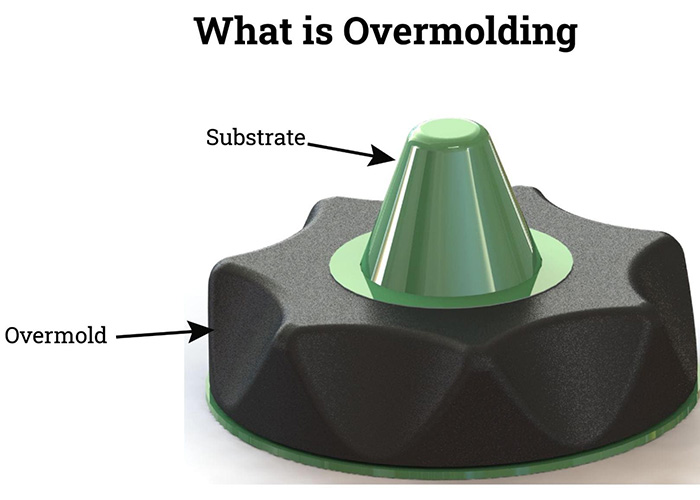
Multi-industry experience creates unique innovation opportunities as injection molding companies apply technologies and techniques developed for one sector to solve challenges in another. Micro-molding expertise developed for medical devices translates to miniaturized consumer electronics components. Overmolding techniques refined for automotive interiors enhance ergonomics in handheld industrial tools. Insert molding processes used in aerospace applications improve assembly efficiency in commercial products. This cross-pollination of technical approaches accelerates problem-solving and drives continuous improvement across all served industries.
Material and process innovations diffuse more rapidly within organizations serving diverse markets. When advanced injection molding companies validate new polymer formulations or processing technologies for demanding aerospace applications, they can subsequently introduce these innovations to less regulated industries with reduced technical risk. Conversely, cost reduction techniques developed for high-volume consumer products can inform efficiency improvements in lower-volume precision applications. This bidirectional knowledge flow creates competitive advantages that benefit clients across all industry segments.
Enhanced Supply Chain Resilience for Customers
Clients partnering with capable multi-industry injection molding companies gain supply chain resilience benefits beyond single-project considerations. Manufacturers with diverse industry portfolios typically maintain broader material supplier relationships, more extensive equipment capabilities, and deeper technical bench strength than specialized single-industry shops. During material shortages, supply disruptions, or capacity constraints, these diversified manufacturers can leverage their broader supplier networks and operational flexibility to maintain production continuity for critical projects.
The risk mitigation extends to long-term business continuity. Single-industry focused injection molding companies face greater business vulnerability during sector downturns, potentially creating supply chain interruptions for their customers even when those clients' specific products remain viable. Multi-industry manufacturers demonstrate greater financial stability and operational longevity, reducing the risk of supplier business failures that force costly re-sourcing activities and production disruptions during critical product lifecycle phases.
Selecting Injection Molding Partners for Complex Requirements
Evaluating Technical Competency Beyond Marketing Claims
Assessing whether specific injection molding companies can genuinely handle complex multi-industry demands requires looking beyond certifications and capability statements. Prospective clients should request detailed case studies demonstrating successful execution of projects with similar technical complexity, regulatory requirements, and production volumes. These case studies should include specific technical challenges encountered and the approaches used to resolve them, providing insight into problem-solving capabilities and technical depth beyond routine production activities.
Facility tours and capability audits reveal operational realities that marketing materials cannot fully convey. Observing equipment condition, organization of production areas, material handling procedures, and quality control practices provides direct evidence of operational discipline and technical sophistication. Discussions with engineering staff during these visits expose the depth of technical knowledge available to support projects, while examining actual production documentation demonstrates the rigor of quality systems beyond what certification audits verify.
Understanding Capacity Allocation and Customer Prioritization
Multi-industry injection molding companies manage diverse customer portfolios with varying project characteristics, making capacity allocation and priority management critical considerations. Prospective clients should understand how manufacturers balance high-volume production commitments against lower-volume precision work, and how they manage competing demands during periods of capacity constraint. Transparent discussions about capacity reservation, lead time commitments, and surge capacity options reveal whether manufacturers can reliably support both routine production and emergency requirements.
Customer mix provides insight into operational focus and strategic direction. Injection molding companies heavily weighted toward a single industry despite claiming multi-industry capability may lack the operational maturity to consistently serve diverse sectors. Conversely, manufacturers with balanced customer portfolios across multiple industries demonstrate proven ability to manage diverse requirements simultaneously. Understanding customer tenure and repeat business rates indicates whether manufacturers successfully maintain long-term relationships across different industry segments, suggesting genuine capability rather than opportunistic market entry attempts.
Aligning Commercial Models With Project Economics
Different industries operate under distinct commercial models that affect how injection molding companies structure relationships and pricing. Medical device projects often involve development partnerships with shared investment in tooling and validation, followed by lower-volume production with premium pricing reflecting regulatory overhead. Automotive applications typically require significant upfront investment with tight pricing targets for high-volume production. Consumer products emphasize rapid development cycles and aggressive unit costs. Capable manufacturers understand these different economic models and structure engagement terms that align with industry norms while maintaining sustainable business relationships.
Transparency regarding cost structures and value drivers enables more productive commercial negotiations. Sophisticated injection molding companies articulate how quality system requirements, documentation needs, material specifications, and production volumes impact pricing across different industry contexts. This transparency helps clients understand cost differences between application categories while identifying opportunities to optimize specifications and requirements for better economic outcomes without compromising essential performance or compliance requirements.
FAQ
What specific certifications indicate that injection molding companies can serve regulated industries?
ISO 13485 certification demonstrates quality management systems suitable for medical device manufacturing, while IATF 16949 indicates automotive industry capability and AS9100 reflects aerospace quality standards. FDA registration proves compliance with medical device manufacturing regulations in the United States. However, certifications represent minimum thresholds rather than comprehensive capability indicators. Prospective clients should also evaluate actual experience producing similar components, technical staff expertise, and customer references from relevant industries to assess true capability beyond certification status alone.
How do injection molding companies prevent cross-contamination when processing materials for different industries?
Leading manufacturers implement material segregation protocols including dedicated storage areas for different material grades, color-coded handling equipment, and documented purging procedures when transitioning between material families. Some facilities maintain separate processing equipment for medical-grade and commercial materials to eliminate contamination risks entirely. Comprehensive procedures govern material identification, machine setup validation, and first-article inspection to verify proper material usage. Quality management systems track material lot numbers through production, enabling full traceability and rapid response if contamination concerns arise. These protocols become increasingly rigorous for regulated industries while remaining appropriate for commercial applications.
Can smaller injection molding companies effectively serve multiple industries or does this require large-scale operations?
Multi-industry capability depends more on organizational sophistication and technical expertise than absolute company size. Smaller specialized manufacturers can effectively serve multiple industries by focusing on compatible application segments that share similar technical requirements, such as precision medical devices and optical components that both demand tight tolerances and clean processing environments. The key factors include appropriate quality management infrastructure, technical staff with relevant expertise, and business models that sustain the overhead costs of maintaining multiple certifications and compliance systems. Very small operations may find multi-industry service economically challenging due to fixed compliance costs, while mid-sized manufacturers often achieve optimal balance between specialization depth and industry diversification.
What questions should procurement teams ask when evaluating injection molding companies for complex multi-industry projects?
Critical evaluation questions include requesting specific examples of similar projects completed for other industries with comparable technical requirements, understanding how the manufacturer manages capacity allocation between different customer segments, and clarifying which aspects of production occur in-house versus through subcontractors. Questions about quality system implementation, audit history, and continuous improvement initiatives reveal operational maturity. Discussing technical staff qualifications, training programs, and engineering support capabilities exposes depth of expertise available to support projects. Understanding material sourcing practices, supplier qualification procedures, and traceability systems indicates supply chain robustness. Finally, requesting customer references from multiple industries and discussing long-term relationship structures provides insight into whether the manufacturer successfully maintains diverse client portfolios over extended periods.
Table of Contents
- Core Capabilities That Enable Multi-Industry Service
- Organizational Structures Supporting Industry Diversity
- Technical Challenges in Multi-Industry Operations
- Strategic Advantages of Multi-Industry Capability
- Selecting Injection Molding Partners for Complex Requirements
-
FAQ
- What specific certifications indicate that injection molding companies can serve regulated industries?
- How do injection molding companies prevent cross-contamination when processing materials for different industries?
- Can smaller injection molding companies effectively serve multiple industries or does this require large-scale operations?
- What questions should procurement teams ask when evaluating injection molding companies for complex multi-industry projects?
