Automotive Plastic Mold Solutions: Precision Manufacturing for Modern Vehicles

application/automotive-plastic-mold, application/automotive-plastic-mold, 
Get a Quote
Get a Quote

automotive plastic mold

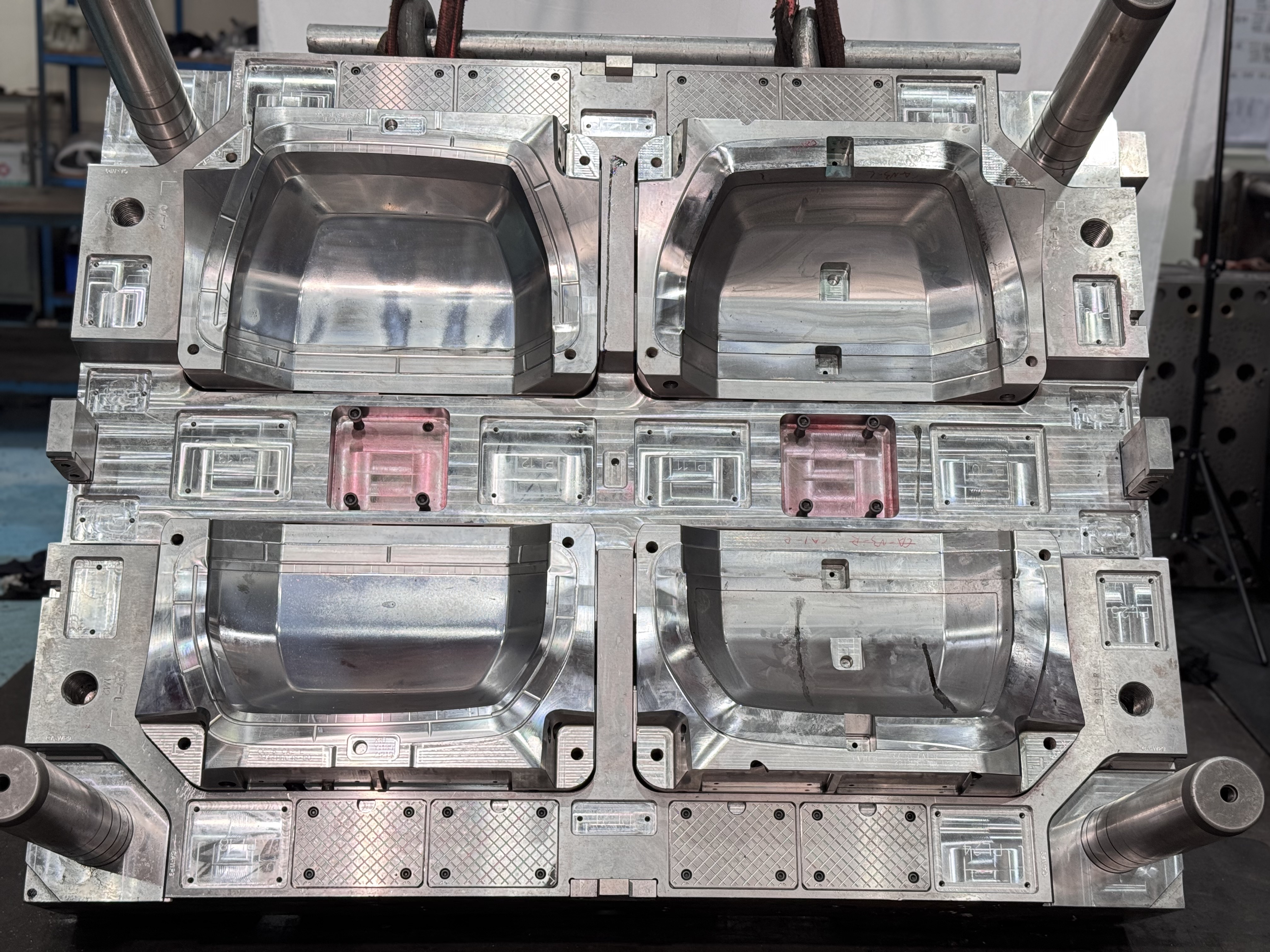
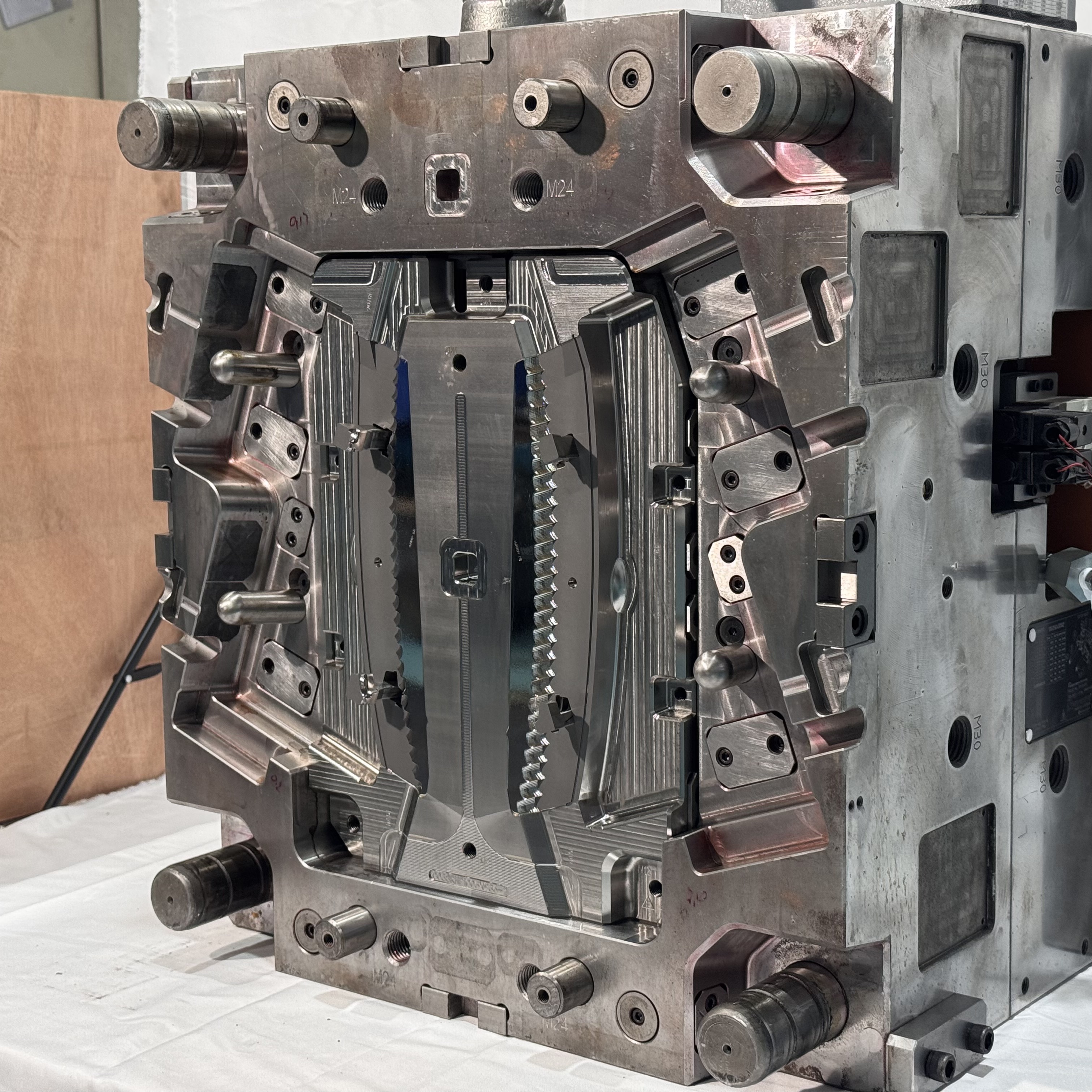
Automotive plastic mold represents a critical manufacturing tool designed specifically for producing plastic components used throughout modern vehicles. This specialized equipment creates precise plastic parts through injection molding, compression molding, or blow molding processes, delivering components that meet stringent automotive industry standards. The automotive plastic mold serves as the foundation for manufacturing dashboard assemblies, bumper covers, interior trim panels, door handles, lighting housings, and countless other vehicle components that drivers interact with daily. These molds function by shaping molten plastic material into exact specifications, ensuring consistency across thousands or even millions of identical parts. The technological features of automotive plastic mold include advanced cooling systems that regulate temperature during the molding cycle, ensuring proper material solidification and dimensional accuracy. Multi-cavity designs allow simultaneous production of multiple parts, dramatically increasing manufacturing efficiency and reducing per-unit costs. Precision-engineered steel or aluminum construction provides the durability needed for high-volume production runs while maintaining tight tolerances measured in thousandths of an inch. Computer-aided design integration enables manufacturers to simulate mold performance before physical production begins, identifying potential issues and optimizing designs for maximum efficiency. Hot runner systems eliminate material waste by keeping plastic in a molten state within distribution channels, improving sustainability and reducing raw material consumption. The applications of automotive plastic mold extend across every vehicle segment, from economy cars to luxury automobiles and commercial trucks. Interior applications include instrument panels, center consoles, seat components, and air vent assemblies that combine functionality with aesthetic appeal. Exterior components such as grille assemblies, mirror housings, fender liners, and spoilers benefit from the design flexibility that automotive plastic mold technology provides. Under-hood applications leverage heat-resistant plastic materials molded into intake manifolds, fluid reservoirs, and engine covers that withstand harsh operating environments while reducing vehicle weight compared to traditional metal alternatives.

New Product Recommendations

The automotive plastic mold delivers substantial cost savings compared to traditional metal fabrication methods, allowing manufacturers to produce complex components at a fraction of the expense associated with stamping, welding, or machining metal parts. This cost efficiency translates directly to more competitive vehicle pricing for consumers while maintaining quality standards that meet or exceed expectations. Production speed represents another significant advantage, as automotive plastic mold technology enables rapid cycle times that generate finished parts in seconds rather than minutes or hours required by alternative manufacturing processes. This acceleration in production capacity allows automakers to respond quickly to market demands, adjust inventory levels efficiently, and minimize the capital tied up in work-in-process materials. Weight reduction stands as a paramount benefit in today's automotive landscape where fuel efficiency and electric vehicle range concerns dominate consumer priorities. Components produced through automotive plastic mold weigh considerably less than metal equivalents, contributing to overall vehicle weight reduction that improves fuel economy, enhances handling characteristics, and extends electric vehicle battery range without compromising structural integrity or safety performance. Design flexibility empowers engineers and designers to create shapes, textures, and integrated features that would prove impossible or prohibitively expensive using metal fabrication techniques. The automotive plastic mold accommodates intricate geometries, undercuts, living hinges, and complex surface details that enhance both functionality and visual appeal, allowing brands to differentiate their vehicles through distinctive interior and exterior styling elements. Corrosion resistance inherent in plastic materials eliminates rust concerns that plague metal components exposed to moisture, road salt, and environmental contaminants, resulting in longer component lifespan and reduced warranty claims that benefit both manufacturers and vehicle owners. Consolidation opportunities enable designers to combine multiple separate parts into single molded components, reducing assembly time, eliminating fasteners, decreasing potential failure points, and simplifying supply chain management through fewer unique part numbers. Acoustic properties of plastic materials provide natural sound dampening characteristics that contribute to quieter cabin environments, enhancing passenger comfort without requiring additional noise insulation materials that add weight and cost. Color integration allows pigments to be mixed directly into plastic materials during the molding process, eliminating secondary painting operations that consume time, generate environmental waste, and add manufacturing complexity while ensuring consistent color throughout the component's thickness that resists chipping and wear.

Latest News

Why is custom injection molding preferred for complex product designs?

29

Apr

Why is custom injection molding preferred for complex product designs?

Complex product designs present unique challenges that demand manufacturing solutions capable of delivering precision, consistency, and scalability. Engineers and product developers consistently turn to custom injection molding when facing intricate ...
View More
How to choose reliable suppliers for custom plastic injection molding?

29

Apr

How to choose reliable suppliers for custom plastic injection molding?

Selecting the right partner for custom plastic injection molding represents one of the most critical decisions manufacturing businesses face when developing new products or scaling production. The supplier you choose directly impacts product quality,...
View More
Can injection molding companies handle complex multi-industry demands?

27

May

Can injection molding companies handle complex multi-industry demands?

Modern manufacturing landscapes present unique challenges that test the operational boundaries of production facilities across sectors. As businesses expand into diverse markets—from medical devices to automotive components, consumer electronic...
View More
Why do manufacturers rely on plastic moulding for scalable production?

27

May

Why do manufacturers rely on plastic moulding for scalable production?

Manufacturers across industries face a persistent challenge: how to scale production efficiently while maintaining product quality, controlling costs, and meeting rapidly changing market demands. The answer increasingly lies in plastic moulding, a ma...
View More

Get a Free Quote

Our representative will contact you soon.
0/1000
Superior Manufacturing Precision and Quality Consistency

Superior Manufacturing Precision and Quality Consistency

The automotive plastic mold establishes new benchmarks for manufacturing precision that directly impacts vehicle quality, safety, and customer satisfaction across global automotive markets. Advanced computer numerical control machining creates mold cavities with tolerances measured in microns, ensuring every component produced matches exact specifications regardless of whether it represents the first part or the millionth part in a production run. This precision eliminates the dimensional variation that can compromise assembly fit, create annoying squeaks and rattles, or lead to premature component failure that damages brand reputation and generates costly warranty claims. The consistency delivered by automotive plastic mold technology stems from rigorous process control systems that monitor injection pressure, melt temperature, cooling rates, and cycle timing with extraordinary accuracy, automatically adjusting parameters to maintain optimal conditions throughout extended production runs. Quality assurance becomes inherently simpler when manufacturing with automotive plastic mold equipment because the process repeatability reduces statistical variation, narrowing control charts and increasing confidence that every part meets specifications without requiring intensive inspection protocols. Surface finish quality achieved through automotive plastic mold processes rivals or exceeds that of painted metal components, with texture options ranging from high-gloss mirror finishes to deeply grained leather patterns that enhance perceived quality and provide tactile satisfaction for vehicle occupants. The precision capabilities extend beyond external dimensions to include wall thickness consistency that ensures uniform strength distribution, proper material flow during molding, and predictable performance under stress conditions encountered during crash events or normal operational loads. Gate design optimization within automotive plastic mold tooling controls how molten plastic enters the cavity, influencing fiber orientation in reinforced materials, minimizing visible gate marks on aesthetic surfaces, and ensuring complete cavity filling even in thin-walled sections or distant extremities of complex geometries. Multi-shot molding capabilities available in advanced automotive plastic mold designs enable combination of different materials or colors within a single component, creating soft-touch surfaces bonded to rigid structural substrates or distinctive visual effects that eliminate assembly operations while guaranteeing perfect alignment between materials. The precision inherent in automotive plastic mold manufacturing supports lightweighting initiatives by enabling thinner walls and optimized rib structures that maintain strength while removing unnecessary material, contributing measurably to vehicle efficiency targets without compromising safety or durability expectations that consumers demand.
Remarkable Production Efficiency and Economic Value

Remarkable Production Efficiency and Economic Value

The automotive plastic mold transforms manufacturing economics by delivering production efficiency that dramatically reduces per-unit costs while supporting the high-volume output requirements of global automotive supply chains. Cycle time optimization represents a cornerstone of this efficiency, with modern automotive plastic mold systems completing full cycles from mold closing through part ejection in timeframes as brief as thirty seconds for smaller components or several minutes for large, complex parts like instrument panels, contrasting sharply with fabrication alternatives requiring hours of processing time. Multi-cavity mold configurations multiply this efficiency advantage by producing multiple identical parts simultaneously within a single machine cycle, effectively creating sixteen, thirty-two, or even more components with only marginally longer cycle times than single-cavity designs, resulting in exponential productivity improvements that justify initial tooling investments through rapid payback periods. Automation integration with automotive plastic mold systems eliminates labor costs and human error while enabling continuous twenty-four-hour production schedules that maximize equipment utilization and accelerate time-to-market for new vehicle programs facing competitive launch deadlines. Energy efficiency continues improving as automotive plastic mold technology advances, with servo-driven injection systems consuming significantly less electricity than hydraulic predecessors by activating motors only during actual movement rather than maintaining constant hydraulic pressure, reducing operating costs while supporting corporate sustainability commitments. Material utilization efficiency inherent in automotive plastic mold processes minimizes waste generation compared to subtractive manufacturing methods that machine away significant material volumes, with modern hot runner systems virtually eliminating the runner and sprue waste traditionally associated with injection molding, converting a higher percentage of raw material directly into salable components. Maintenance requirements for properly designed automotive plastic mold tooling remain modest despite high production volumes, with scheduled cleaning, lubrication, and inspection procedures keeping equipment operational for hundreds of thousands or millions of cycles before major refurbishment becomes necessary, amortizing tooling costs across enormous production quantities. Flexibility to accommodate design changes provides economic value when product improvements or regulatory requirements necessitate component modifications, as automotive plastic mold tooling can often be revised through insert replacement or cavity adjustments rather than complete tool reconstruction, protecting prior investments while enabling continuous improvement. Reduced secondary operations deliver additional economic benefits since components emerge from automotive plastic mold equipment essentially complete, requiring minimal trimming, no painting in many applications, and simple assembly integration, contrasting with metal stamping that demands deburring, welding, corrosion protection, and finishing steps that multiply handling, equipment, and labor requirements throughout manufacturing processes.
Exceptional Design Freedom and Innovation Enablement

Exceptional Design Freedom and Innovation Enablement

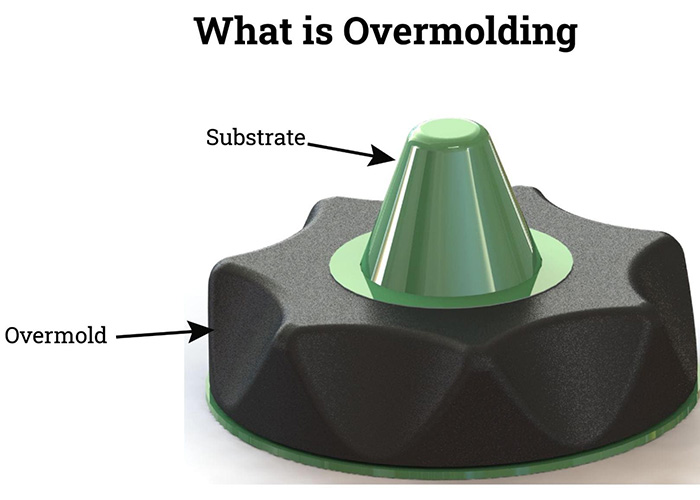
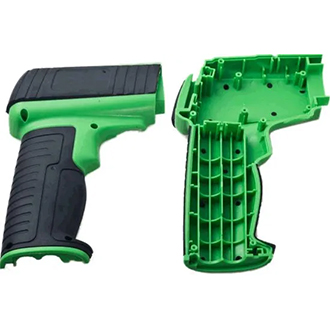
The automotive plastic mold unlocks unprecedented design freedom that empowers automotive engineers and stylists to innovate beyond constraints imposed by traditional manufacturing methods, creating components that enhance vehicle functionality, aesthetics, and user experience in ways previously unimaginable. Complex three-dimensional geometries become achievable through automotive plastic mold technology, allowing designers to specify organic curves, compound angles, and flowing surfaces that optimize aerodynamic performance, maximize interior space utilization, or create distinctive brand identity elements that differentiate vehicles in crowded market segments. Functional integration capabilities inherent in automotive plastic mold design enable consolidation of mounting bosses, snap features, living hinges, and alignment elements directly into component geometry, eliminating separate fasteners and simplifying assembly sequences while improving structural efficiency through load path optimization that engineers can tune precisely using finite element analysis validated through physical testing. Texture and grain options available through automotive plastic mold surface treatments provide sensory richness that enhances perceived quality, with leather patterns, woodgrain effects, carbon fiber appearances, or custom brand-specific textures applied directly to mold surfaces and transferred to every molded component without additional processing steps or materials. Thin-wall molding capabilities support lightweighting objectives by enabling wall sections measuring less than two millimeters thick while maintaining structural adequacy through strategic rib placement and material selection, removing unnecessary mass from components without compromising durability or safety performance under operational stresses. Overmolding possibilities expand design options further by allowing automotive plastic mold systems to combine rigid structural plastics with soft elastomeric materials in single manufacturing operations, creating components with hard mounting structures surrounded by soft user contact surfaces that improve comfort, reduce noise transmission, and provide premium tactile experiences. Color variety achievable through automotive plastic mold processes spans virtually the entire visible spectrum plus special effect pigments incorporating metallic flakes, pearlescent particles, or color-shifting compounds that create dynamic visual interest as lighting and viewing angles change, supporting brand differentiation and enabling mass customization strategies. Transparency options range from crystal-clear optical plastics suitable for lighting lenses and display covers through translucent materials that diffuse light aesthetically to completely opaque compositions, with automotive plastic mold technology accommodating any transparency level while maintaining dimensional precision and surface quality. Insert molding capabilities allow automotive plastic mold processes to encapsulate metal reinforcements, electrical contacts, decorative trim, or functional components within plastic structures during the molding cycle, creating hybrid assemblies that combine material advantages while eliminating subsequent assembly operations that consume time and introduce potential quality variations.