Exceptional Design Freedom and Innovation Enablement
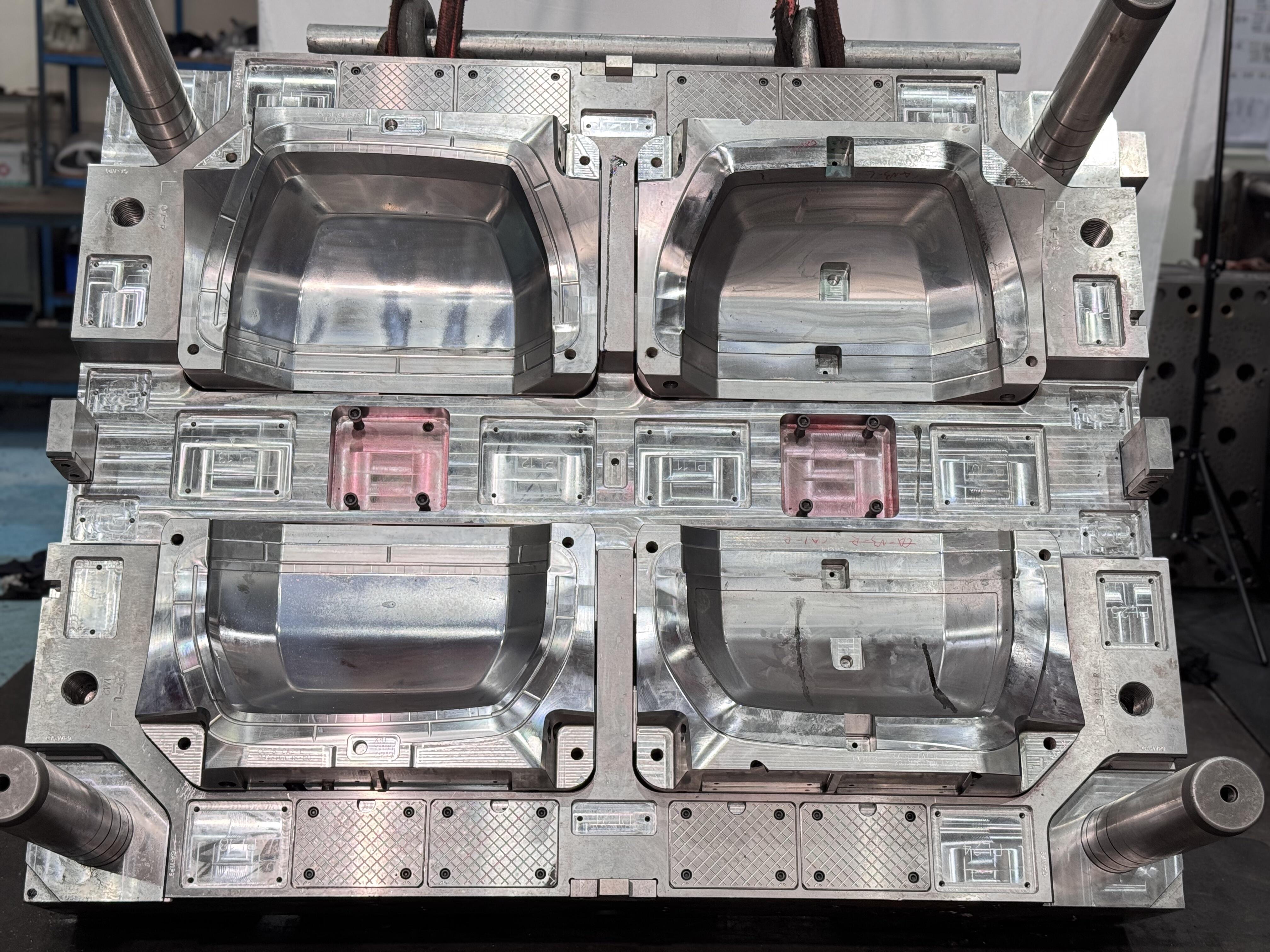
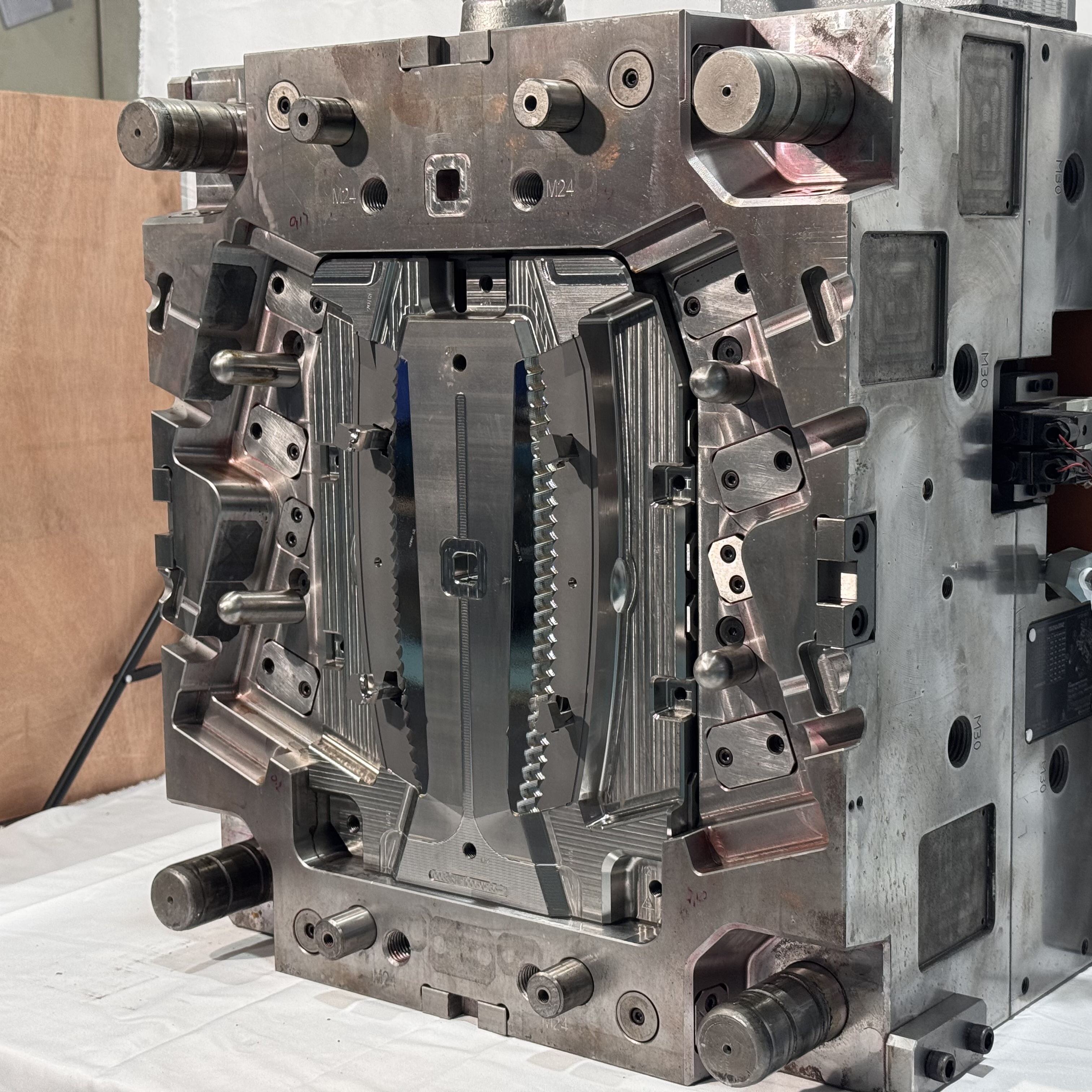
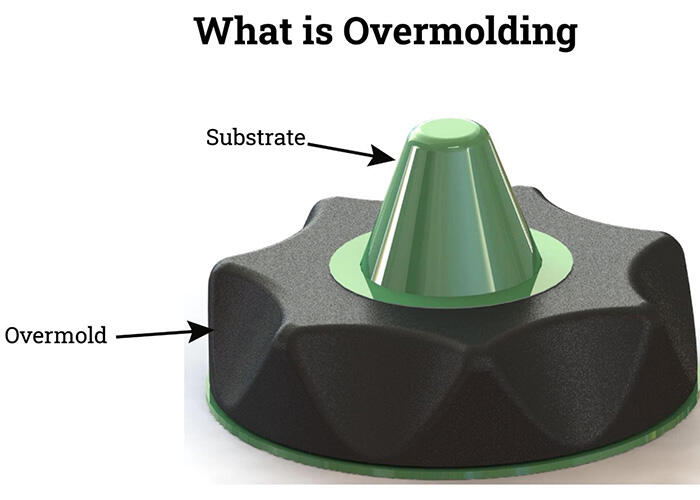
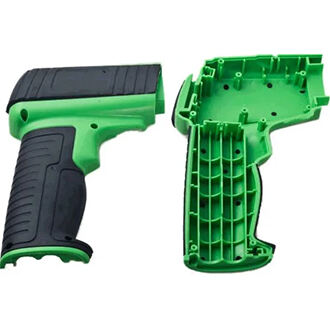
The automotive plastic mold unlocks unprecedented design freedom that empowers automotive engineers and stylists to innovate beyond constraints imposed by traditional manufacturing methods, creating components that enhance vehicle functionality, aesthetics, and user experience in ways previously unimaginable. Complex three-dimensional geometries become achievable through automotive plastic mold technology, allowing designers to specify organic curves, compound angles, and flowing surfaces that optimize aerodynamic performance, maximize interior space utilization, or create distinctive brand identity elements that differentiate vehicles in crowded market segments. Functional integration capabilities inherent in automotive plastic mold design enable consolidation of mounting bosses, snap features, living hinges, and alignment elements directly into component geometry, eliminating separate fasteners and simplifying assembly sequences while improving structural efficiency through load path optimization that engineers can tune precisely using finite element analysis validated through physical testing. Texture and grain options available through automotive plastic mold surface treatments provide sensory richness that enhances perceived quality, with leather patterns, woodgrain effects, carbon fiber appearances, or custom brand-specific textures applied directly to mold surfaces and transferred to every molded component without additional processing steps or materials. Thin-wall molding capabilities support lightweighting objectives by enabling wall sections measuring less than two millimeters thick while maintaining structural adequacy through strategic rib placement and material selection, removing unnecessary mass from components without compromising durability or safety performance under operational stresses. Overmolding possibilities expand design options further by allowing automotive plastic mold systems to combine rigid structural plastics with soft elastomeric materials in single manufacturing operations, creating components with hard mounting structures surrounded by soft user contact surfaces that improve comfort, reduce noise transmission, and provide premium tactile experiences. Color variety achievable through automotive plastic mold processes spans virtually the entire visible spectrum plus special effect pigments incorporating metallic flakes, pearlescent particles, or color-shifting compounds that create dynamic visual interest as lighting and viewing angles change, supporting brand differentiation and enabling mass customization strategies. Transparency options range from crystal-clear optical plastics suitable for lighting lenses and display covers through translucent materials that diffuse light aesthetically to completely opaque compositions, with automotive plastic mold technology accommodating any transparency level while maintaining dimensional precision and surface quality. Insert molding capabilities allow automotive plastic mold processes to encapsulate metal reinforcements, electrical contacts, decorative trim, or functional components within plastic structures during the molding cycle, creating hybrid assemblies that combine material advantages while eliminating subsequent assembly operations that consume time and introduce potential quality variations.


 EN
EN