Design Freedom Enabling Innovation and Product Differentiation
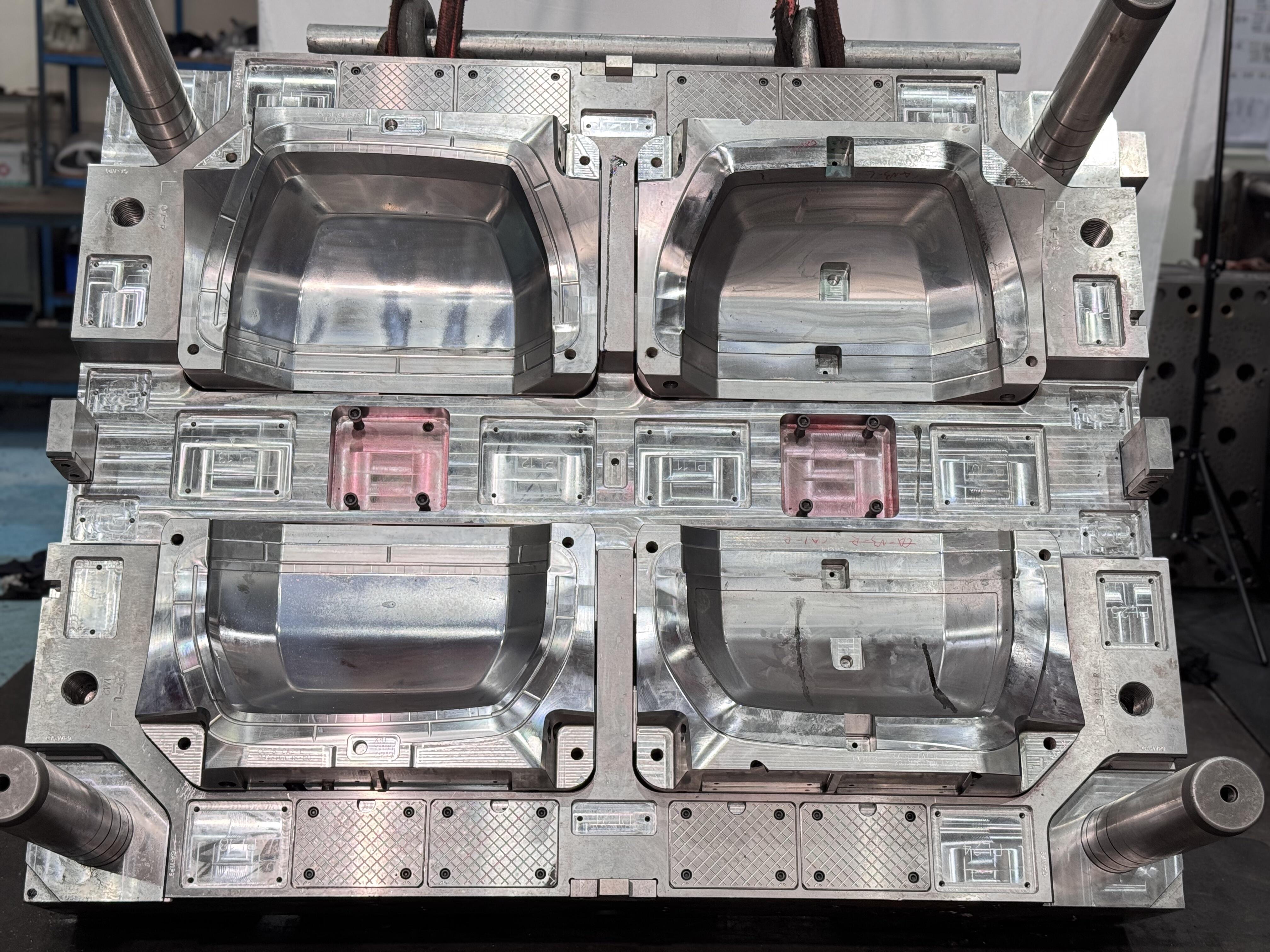
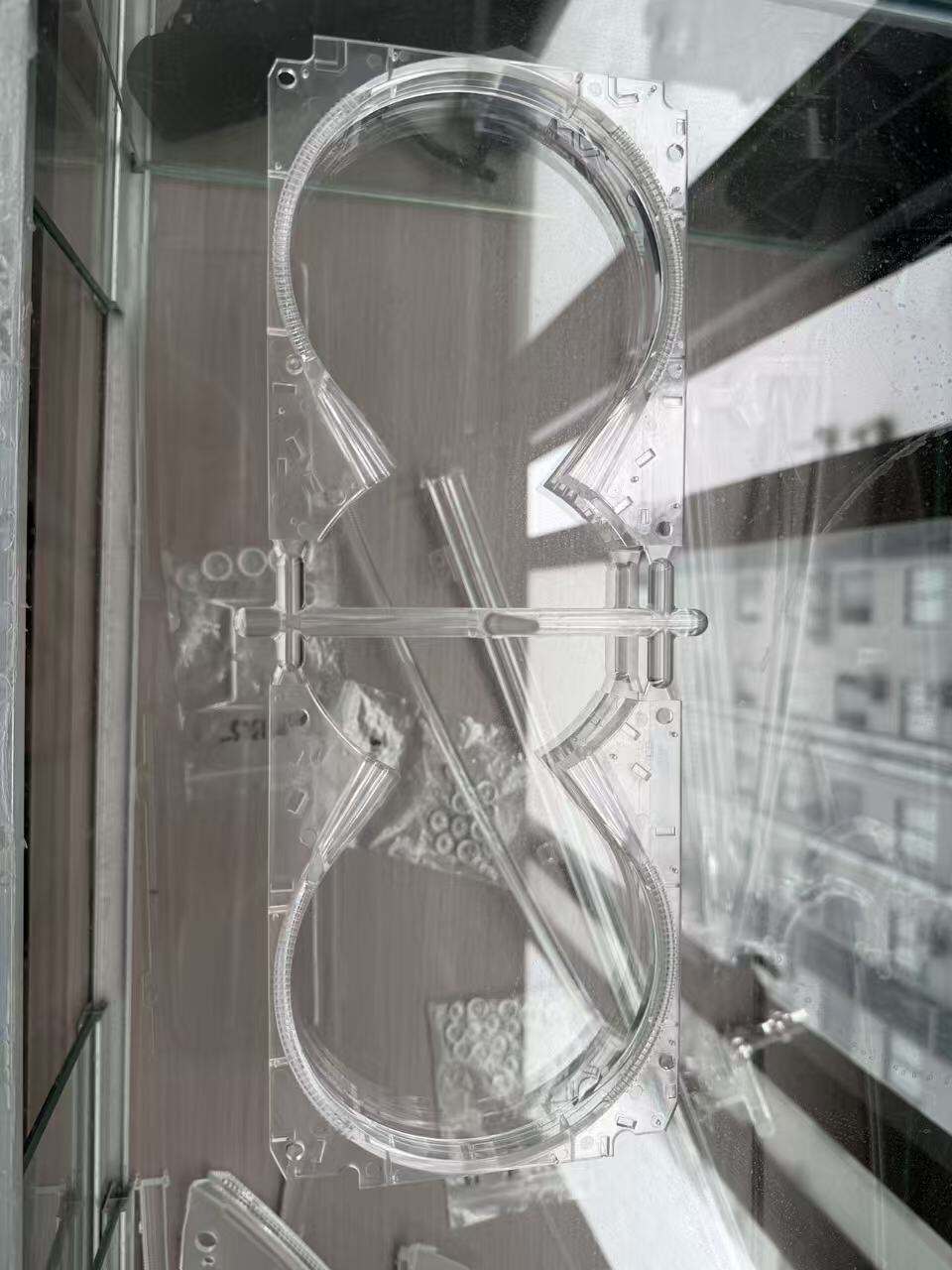
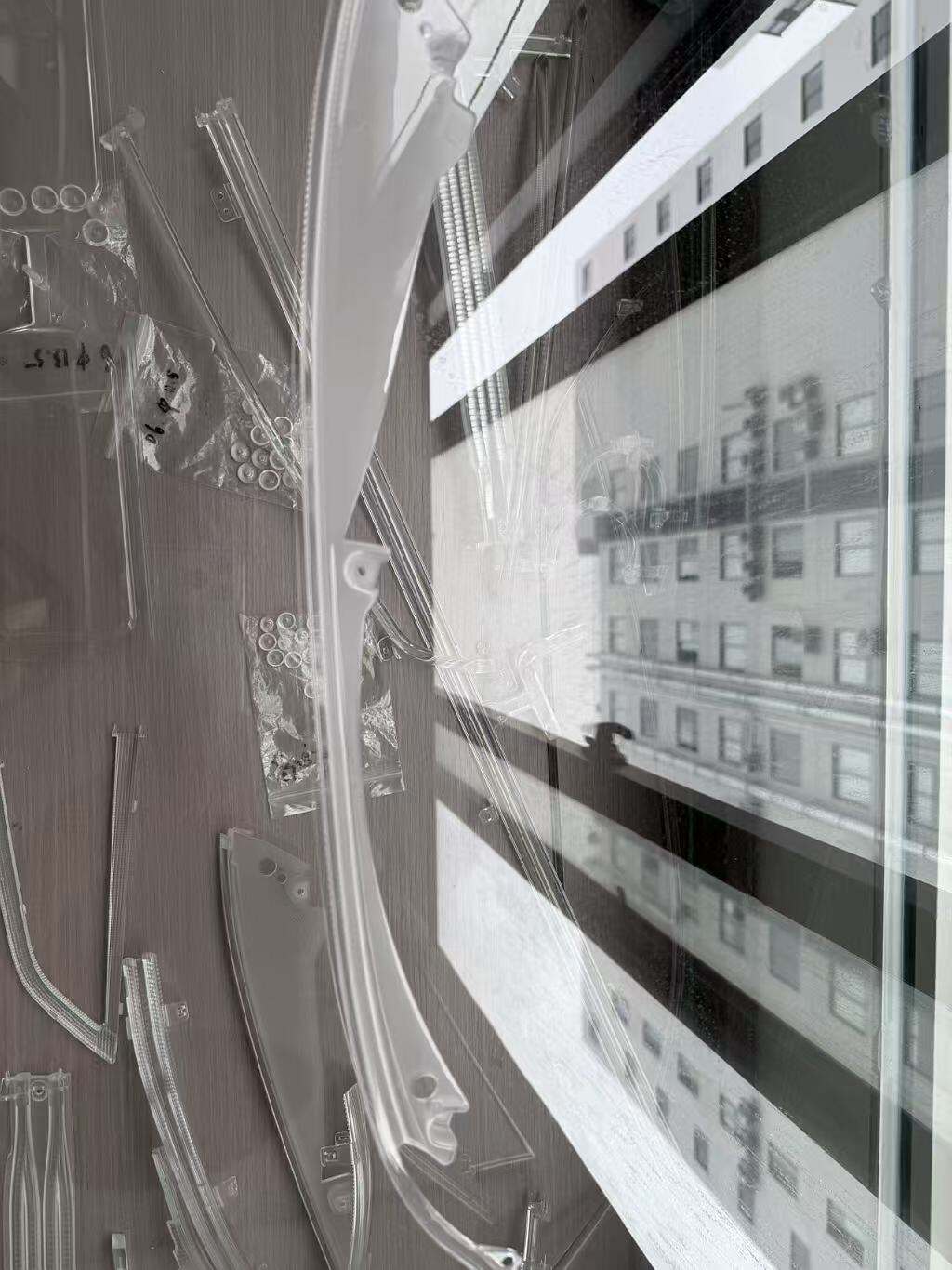
Design freedom provided by optical injection molding empowers engineers and designers to create innovative optical solutions that differentiate products in competitive markets while solving complex technical challenges impossible to address with traditional optical manufacturing methods. The ability to mold complex three-dimensional geometries in a single operation opens creative possibilities extending far beyond simple spherical lenses, including aspheric surfaces that correct optical aberrations, freeform shapes optimized for specific light distribution patterns, and compound curves that combine multiple optical functions in integrated components. This geometric flexibility allows optical designers to optimize performance without the constraints imposed by grinding and polishing limitations, achieving optical designs that maximize image quality, light collection efficiency, or beam shaping precision according to specific application requirements. Integration of mechanical and optical features in unified components represents a powerful design advantage, with mounting bosses, alignment features, snap fits, living hinges, light baffles, and protective structures molded directly into optical elements. This integration eliminates separate mechanical components, reduces assembly steps, minimizes alignment errors, and creates more compact product architectures that save space and weight in final applications. Multi-material molding techniques expand design possibilities further by combining different polymers with varying optical, mechanical, or aesthetic properties in single components through sequential injection processes. A rigid optical-grade polycarbonate lens might be overmolded with a soft thermoplastic elastomer gasket, creating a sealed optical assembly in one molding operation. Color and texture variations can be incorporated directly into optical components through careful material selection and mold surface treatments, enabling product differentiation and brand recognition without secondary decoration operations. Designers can specify transparent, translucent, or opaque regions within single components, creating light pipes that guide illumination to specific locations, indicator lights with integral diffusers, or backlit displays with precisely controlled brightness patterns. Microstructure integration allows the molding of surface features measured in micrometers, including diffraction gratings, Fresnel lenses, micro-lens arrays, and light-redirecting prisms that modify light properties in sophisticated ways. These microstructures would be prohibitively expensive or impossible to create through mechanical machining but can be replicated thousands of times daily through optical injection molding once incorporated into mold surfaces. Wall thickness optimization provides designers with flexibility to vary component thickness according to structural and optical requirements, with thin sections reducing material consumption and cycle time while thick sections provide mechanical strength or specific optical path lengths. Draft angles and undercuts can be accommodated through side actions, collapsible cores, or unscrewing mechanisms in mold designs, allowing the creation of threaded optical components, complex internal geometries, and shapes that would require multiple pieces if produced through other manufacturing methods. The rapid prototyping capabilities associated with optical injection molding allow designers to iterate quickly, testing multiple design variations and refining optical performance before committing to full production tooling investments.



 EN
EN