
 EN
EN
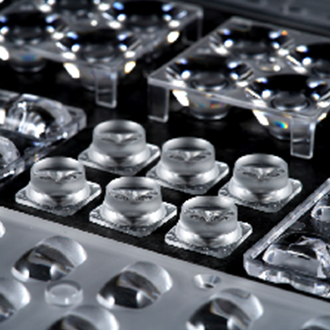
In modern manufacturing environments, controlling material waste has become a strategic priority that directly impacts profitability, sustainability credentials, and operational efficiency. Plastic moulding stands as one of the most waste-efficient production methods available for mass manufacturing, delivering material utilization rates that far exceed traditional fabrication techniques. By transforming raw polymer pellets into finished components through precise cavity filling and controlled cooling cycles, plastic moulding minimizes scrap generation while maintaining dimensional accuracy across millions of production cycles.
The waste reduction capabilities of plastic moulding stem from several interconnected factors including automated material handling systems, closed-loop processing architectures, precision tooling design, and advanced process controls that prevent material degradation. Unlike subtractive manufacturing methods that remove material to create shapes, plastic moulding adds material only where needed, following the exact geometry defined by mould cavities. This fundamental difference in manufacturing philosophy creates inherent waste advantages that become increasingly significant as production volumes scale upward, making plastic moulding the preferred choice for manufacturers seeking to balance cost efficiency with environmental responsibility.
Precision Material Delivery Systems in Plastic Moulding
Volumetric Control Through Injection Parameters
The foundation of waste reduction in plastic moulding begins with precise material delivery systems that meter exact quantities of molten polymer into mould cavities. Modern injection moulding machines utilize servo-driven screws and computerized control systems that monitor injection speed, pressure profiles, and shot volume with repeatability tolerances measured in fractions of a percent. This level of control ensures that each moulding cycle consumes only the material required to fill the cavity and compensate for minimal shrinkage during cooling, eliminating the overfeeding that commonly generates waste in less controlled processes.
The screw plasticizing mechanism in plastic moulding equipment performs dual functions that contribute to waste minimization. During rotation, the screw conveys solid pellets forward while frictional heat and external barrel heaters gradually melt the material. Simultaneously, the screw acts as a check valve during injection, preventing backflow and ensuring complete material transfer into the mould. This closed-system approach means virtually all plasticized material reaches the mould cavity rather than remaining in dead zones or purging unnecessarily between cycles.
Hot Runner Technology and Material Conservation
Advanced plastic moulding operations increasingly employ hot runner systems that maintain polymer melt temperature throughout the distribution channels leading to cavity gates. Unlike cold runner systems that solidify the material in feed channels—creating scrap that must be recycled or discarded—hot runner configurations keep material fluid and ready for the next injection cycle. This technology eliminates runner scrap entirely in multi-cavity moulds, where traditional systems might generate waste equal to or exceeding the mass of actual parts produced.
The implementation of hot runner systems in plastic moulding represents a significant capital investment that pays substantial dividends in high-volume production environments. Beyond eliminating runner waste, these systems reduce cycle times by removing the cooling period required for runner solidification and the mechanical separation step. The thermal management systems integral to hot runner designs maintain precise melt temperatures across all distribution channels, preventing material degradation that could otherwise compromise part quality and generate rejection waste downstream in quality inspection processes.
Closed-Loop Regrind Integration in Plastic Moulding Operations
In-Process Recycling Architecture
Even with optimal process controls, plastic moulding operations generate some unavoidable material waste in the form of sprues, runners in cold runner systems, and occasional defective parts. Progressive manufacturers have developed closed-loop material recovery systems that integrate granulators directly with moulding equipment, creating continuous recycling workflows that recapture and reuse this material without leaving the production floor. The granulated regrind material can be blended with virgin resin at controlled ratios, typically ranging from fifteen to thirty percent depending on application requirements and material characteristics.
The effectiveness of regrind integration in plastic moulding depends heavily on proper material handling protocols and contamination prevention measures. Automated conveying systems transport granulated material from grinders to blending hoppers using closed pneumatic networks that prevent moisture absorption and contamination from environmental dust or other production activities. Desiccant dryers condition both virgin and recycled material to specified moisture levels before feeding into the plasticizing unit, ensuring consistent melt quality and preventing hydrolysis degradation that would compromise mechanical properties and create additional waste through part rejection.
Material Degradation Monitoring and Quality Maintenance
Responsible plastic moulding operations implement rigorous monitoring protocols to track regrind usage and prevent material degradation that could undermine waste reduction objectives. Each thermal processing cycle subjects polymer chains to heat history that gradually reduces molecular weight and alters rheological properties. Quality control systems track the number of reprocessing cycles for recycled content and establish blend ratio limits based on application performance requirements, ensuring that waste reduction efforts never compromise final part functionality or safety standards.
Advanced plastic moulding facilities employ melt flow index testing and mechanical property verification at regular intervals to validate that regrind integration maintains material specifications within acceptable tolerances. When materials approach degradation limits, they can be redirected to less demanding applications rather than discarded, creating cascading use hierarchies that maximize total material utilization across product portfolios. This systematic approach to material lifecycle management represents a sophisticated evolution beyond simple recycling, transforming potential waste streams into valuable production inputs through careful process engineering.
Optimized Part Design for Minimal Material Usage
Design for Manufacturability in Plastic Moulding
The waste reduction capabilities of plastic moulding extend beyond processing efficiency to encompass fundamental product design principles that minimize material consumption while maintaining structural performance. Design for manufacturability protocols specific to plastic moulding emphasize uniform wall thicknesses, strategic rib placement, and hollowed core geometries that deliver required strength with significantly less material than solid cross-sections. These design approaches exploit the high strength-to-weight ratios achievable with engineering polymers, allowing designers to remove material from non-critical zones without compromising functional performance.
Computer-aided engineering tools enable plastic moulding designers to simulate stress distributions, deflection patterns, and failure modes under anticipated service conditions. This analytical capability allows precise material placement only where structural requirements demand it, eliminating the safety factor over-design common in earlier manufacturing eras. Topology optimization algorithms can generate organic geometries that minimize mass while meeting specified performance criteria, though these designs require five-axis machining for mould fabrication. The investment in optimized tooling generates ongoing waste reduction benefits throughout the production lifecycle of components manufactured through plastic moulding processes.
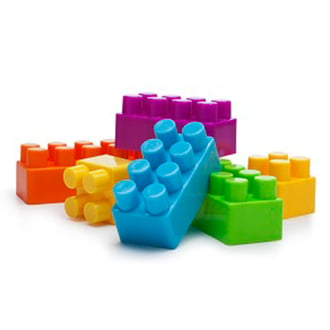
Wall Thickness Optimization and Flow Balance
Uniform wall thickness represents a cardinal principle in plastic moulding design because it ensures balanced material flow during cavity filling and promotes even cooling rates that prevent warpage and internal stress concentrations. Parts designed with consistent cross-sections require less material overall compared to designs featuring thick and thin sections, because the thickest areas dictate cooling time and can create sink marks requiring additional material to compensate. Experienced designers working with plastic moulding specifications target wall thicknesses between two and four millimeters for most applications, using ribs and gussets to provide localized reinforcement rather than increasing base wall dimensions.
The relationship between wall thickness and material waste in plastic moulding extends beyond direct material usage to encompass energy consumption and cycle time impacts. Thicker sections require longer cooling periods before parts achieve sufficient rigidity for ejection, extending cycle times and reducing equipment productivity. This inefficiency compounds waste by increasing the energy consumed per part and reducing manufacturing capacity. Conversely, optimally thin wall designs enabled by plastic moulding capabilities maximize production throughput while minimizing both material consumption and energy usage per manufactured component.
Process Control Systems and Waste Prevention
Real-Time Quality Monitoring in Plastic Moulding
Modern plastic moulding operations employ sophisticated sensor networks and data acquisition systems that monitor dozens of process variables in real-time, enabling immediate detection of conditions that could generate defective parts and material waste. Cavity pressure transducers track the pressure profile throughout injection and packing phases, providing direct evidence of complete filling and proper material compaction. Temperature sensors distributed across barrel zones, nozzles, and mould surfaces ensure thermal conditions remain within specifications that prevent material degradation or incomplete cavity charging that would necessitate part rejection.
The integration of machine learning algorithms with plastic moulding process data creates predictive maintenance capabilities that prevent catastrophic failures and gradual process drift that increases scrap generation. Statistical process control systems analyze parameter trends across production runs, identifying subtle deviations from optimal conditions before they manifest as quality defects. Automated response systems can adjust process parameters within defined windows to compensate for material lot variations, ambient temperature changes, or gradual tool wear, maintaining consistent output quality that minimizes rejection waste throughout extended production campaigns.
Automated Defect Detection and Sorting
Vision inspection systems integrated with plastic moulding production lines provide immediate verification that parts meet dimensional and cosmetic specifications before they proceed to secondary operations or packaging. High-resolution cameras capture multiple angles of each moulded component, while image processing algorithms compare captured data against master references to identify flash, short shots, contamination, or surface defects. Parts failing inspection criteria are automatically segregated for regrind processing, ensuring defective components never reach customers while routing scrap material back into recovery systems rather than general waste streams.
The economic justification for automated inspection in plastic moulding operations extends beyond simple quality assurance to encompass waste reduction through early defect detection. Identifying non-conforming parts immediately after moulding prevents value-added processing of defective components through painting, assembly, or packaging operations. This early intervention minimizes total waste by limiting the investment of additional materials, labor, and energy into parts that will ultimately be rejected. The data generated by automated inspection systems also provides valuable feedback for process optimization, creating continuous improvement cycles that progressively reduce baseline scrap rates over time.
Material Selection Strategies for Waste Minimization
Single-Polymer Design Philosophy
Strategic material selection decisions significantly influence the waste reduction potential of plastic moulding operations, particularly regarding end-of-life recyclability and compatibility with regrind integration. Design teams increasingly adopt single-polymer approaches that specify one base resin for all components in an assembly, simplifying disassembly and recycling processes while enabling higher regrind incorporation rates during manufacturing. This methodology contrasts with multi-material designs that optimize each component independently but create recycling challenges and limit in-process material recovery opportunities.
The single-polymer philosophy in plastic moulding applications leverages material grade variations within polymer families to achieve diverse property profiles while maintaining recycling compatibility. A product might utilize impact-modified polypropylene for structural housings, glass-reinforced polypropylene grades for load-bearing brackets, and flame-retardant polypropylene compounds for electrical enclosures. Despite these property differences, all variants remain chemically compatible for combined recycling and regrind blending, enabling efficient material recovery throughout manufacturing and product lifecycle phases.
High-Flow Resins and Thin-Wall Capabilities
Advances in polymer chemistry have produced high-flow resin grades specifically engineered for thin-wall plastic moulding applications that dramatically reduce material consumption per part. These specialized materials exhibit enhanced melt flow characteristics that enable complete filling of complex geometries with wall thicknesses below one millimeter, approximately half the thickness achievable with conventional grades. The material savings from thin-wall design become substantial in high-volume production, potentially reducing polymer consumption by thirty to forty percent compared to standard wall thickness designs while maintaining equivalent functional performance.
The successful implementation of thin-wall plastic moulding requires coordinated optimization across material selection, mould design, and process parameters. High-flow resins must be paired with moulds featuring larger gate dimensions, optimized venting systems, and precisely controlled cooling circuits that manage the rapid heat extraction necessary for thin sections. Processing equipment must deliver high injection speeds and pressures to complete cavity filling before premature solidification occurs. Despite these technical requirements, the waste reduction benefits and cycle time improvements achievable through thin-wall plastic moulding justify the engineering investment for applications with sufficient production volumes.
FAQ
What percentage of material waste can plastic moulding eliminate compared to machining processes?
Plastic moulding typically achieves material utilization rates between ninety-five and ninety-eight percent when incorporating regrind recycling systems, compared to machining processes that commonly waste fifty to seventy percent of starting material as chips and turnings. This dramatic difference stems from the additive nature of plastic moulding, which forms parts by filling cavities with precisely metered material quantities rather than removing material from solid stock. The small amount of waste generated in plastic moulding operations consists primarily of sprues, runners, and occasional defective parts, nearly all of which can be granulated and reincorporated into production through controlled regrind blending protocols.
How does hot runner technology specifically reduce waste in multi-cavity plastic moulding?
Hot runner systems eliminate the solidified distribution channels that connect injection points to individual cavities in multi-cavity moulds, removing what is often the largest waste component in conventional cold runner plastic moulding setups. In a sixteen-cavity mould producing small components, the cold runner system might generate more waste material than the actual parts themselves, whereas hot runner technology delivers molten plastic directly to gate locations while maintaining melt temperature throughout the distribution manifold. This approach reduces material consumption per part by twenty to forty percent in typical multi-cavity applications while simultaneously shortening cycle times and improving overall production efficiency.
Can recycled material from plastic moulding operations match virgin resin performance?
Properly processed regrind from plastic moulding operations can be blended with virgin resin at ratios up to thirty percent for most applications without measurable performance degradation, provided the material undergoes only one or two reprocessing cycles and receives appropriate drying treatment before reuse. The key limitation involves thermal history accumulation, as each heating cycle causes some molecular chain scission that gradually reduces material molecular weight and impacts properties like impact strength and elongation at break. Quality-conscious plastic moulding operations implement tracking systems that monitor reprocessing cycles and establish blend ratio limits based on specific application requirements, ensuring waste reduction initiatives never compromise part performance or safety standards.
What design features most effectively reduce material waste in plastic moulding applications?
Uniform wall thickness represents the single most impactful design feature for waste reduction in plastic moulding, as it minimizes total material volume while promoting balanced flow and even cooling that prevents defects requiring part rejection. Strategic incorporation of ribs, gussets, and coring features allows designers to remove material from non-critical zones while maintaining structural performance through geometric efficiency rather than material mass. Radius transitions between different sections prevent stress concentrations and flow restrictions that could cause incomplete filling or premature failure, reducing both manufacturing scrap and field failure waste. These design principles work synergistically to minimize material consumption throughout the product lifecycle from initial manufacturing through end-of-life recycling phases.
Table of Contents
- Precision Material Delivery Systems in Plastic Moulding
- Closed-Loop Regrind Integration in Plastic Moulding Operations
- Optimized Part Design for Minimal Material Usage
- Process Control Systems and Waste Prevention
- Material Selection Strategies for Waste Minimization
-
FAQ
- What percentage of material waste can plastic moulding eliminate compared to machining processes?
- How does hot runner technology specifically reduce waste in multi-cavity plastic moulding?
- Can recycled material from plastic moulding operations match virgin resin performance?
- What design features most effectively reduce material waste in plastic moulding applications?
