
 EN
EN
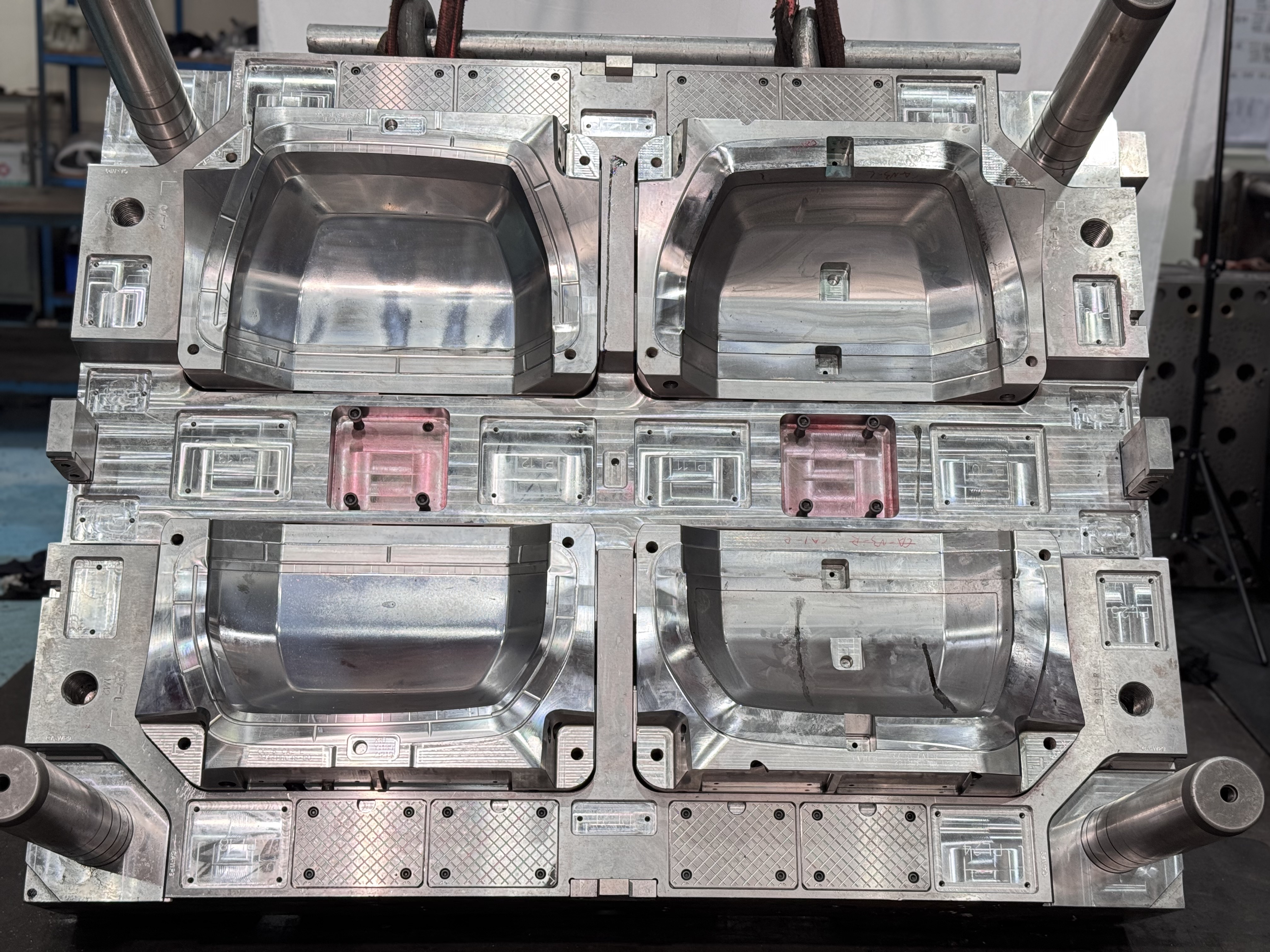
Complex product designs present unique challenges that demand manufacturing solutions capable of delivering precision, consistency, and scalability. Engineers and product developers consistently turn to custom injection molding when facing intricate geometries, tight tolerances, and multifaceted functional requirements. This preference stems from fundamental advantages that address the core difficulties inherent in complex designs—advantages that alternative manufacturing methods struggle to replicate at comparable cost and quality levels.
The manufacturing landscape for complex components has evolved dramatically, yet custom injection molding remains the dominant choice across industries ranging from medical devices to automotive systems. Understanding why this process holds such prominence requires examining the specific technical, economic, and operational factors that make it uniquely suited for complexity. The reasons extend beyond simple cost considerations to encompass design freedom, material versatility, production repeatability, and the ability to integrate multiple functions into single components—capabilities that directly address the pain points engineers face when translating complex designs into physical products.
Design Freedom and Geometric Complexity Capabilities
Three-Dimensional Geometry Reproduction Without Compromise
Custom injection molding excels at reproducing intricate three-dimensional geometries that would prove extremely difficult or impossible with other manufacturing methods. The process involves injecting molten polymer under high pressure into precision-machined mold cavities, allowing the material to flow into every detail regardless of geometric complexity. This capability enables engineers to design components with undercuts, internal channels, variable wall thicknesses, and integrated features that would require multiple assembly steps in traditional manufacturing approaches.
The mold design itself becomes the blueprint for complexity management. Experienced mold makers can incorporate side actions, lifters, collapsible cores, and other mechanisms that enable the production of features that seem geometrically impossible to demold. This tooling sophistication means that custom injection molding can achieve hollow sections, threaded inserts, snap-fit connections, and living hinges all within a single molding cycle. The design freedom this provides directly translates to lighter components, reduced assembly requirements, and enhanced functionality.
Tight Tolerance Achievement Across Complex Surfaces
Complex product designs frequently demand dimensional precision across multiple surfaces and features simultaneously. Custom injection molding delivers repeatable tolerances that typically range from ±0.05mm to ±0.15mm depending on material selection and part geometry. This precision remains consistent across high-volume production runs because the steel or aluminum molds maintain their dimensional stability through hundreds of thousands of cycles when properly maintained and designed.
The ability to hold tight tolerances becomes particularly critical when complex parts must interface with other components in assemblies. Electronic enclosures with precise snap-fit features, medical devices requiring exact fluid pathways, and automotive components needing specific alignment all benefit from the dimensional consistency that custom injection molding provides. This tolerance capability reduces downstream quality issues, minimizes rejection rates, and ensures that complex designs function as intended without extensive post-processing or adjustment.
Integration of Multiple Functions Into Single Components
One of the most compelling reasons custom injection molding suits complex designs is its capacity for functional integration. Rather than creating assemblies from multiple simple parts, engineers can consolidate functions into single molded components. This consolidation reduces part counts, eliminates fasteners, decreases assembly time, and removes potential failure points associated with joints and connections.
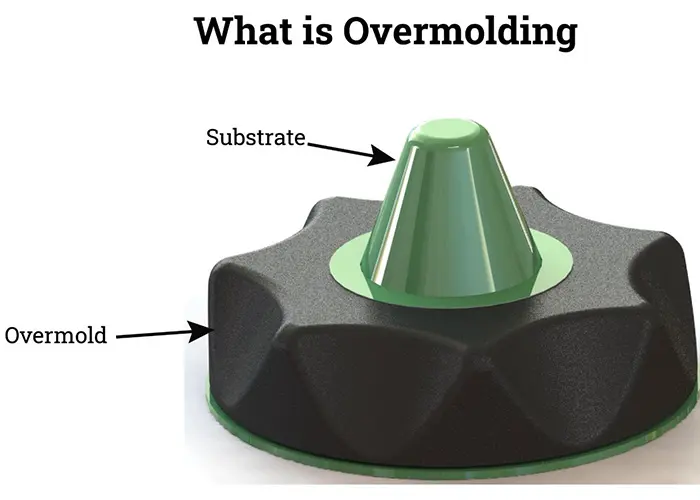
Complex molded parts can incorporate mounting bosses, alignment features, cable routing channels, sealing surfaces, and cosmetic details simultaneously. The process allows for over-molding, where multiple materials are molded in sequence to create soft-touch grips on rigid structures, or insert molding, where metal components are encapsulated within plastic housings. These multi-material capabilities enable complexity levels that would be prohibitively expensive or technically unfeasible through assembly-based approaches.
Material Versatility for Complex Performance Requirements
Advanced Polymer Selection for Specific Property Profiles
Complex product designs typically demand specific material performance characteristics—chemical resistance, thermal stability, mechanical strength, electrical properties, or biocompatibility. Custom injection molding accommodates an extraordinarily wide range of thermoplastic materials, each offering distinct property profiles that can be precisely matched to application requirements. Engineering polymers such as polycarbonate, ABS, nylon, polypropylene, and specialty materials like PEEK or liquid silicone rubber all process effectively through injection molding systems.
This material versatility means that complex designs don't require compromise between geometry and performance. A medical device component can be molded from USP Class VI approved materials while maintaining intricate internal features for fluid management. An automotive sensor housing can utilize glass-filled nylon for dimensional stability under thermal cycling while incorporating delicate clip features for assembly. The ability to select materials based on end-use requirements rather than manufacturing limitations represents a significant advantage for complex applications.
Multi-Material and Multi-Color Molding Capabilities
Many complex products require different material properties in different zones of the same component. Custom injection molding addresses this through advanced techniques like two-shot molding, over-molding, and co-injection processes. These approaches enable the combination of rigid and flexible materials, transparent and opaque sections, or conductive and insulating regions within a single part without assembly operations.
Two-shot molding, in particular, has become increasingly important for complex designs. The process molds a primary substrate, then rotates or repositions it in the mold for a second material injection. This creates permanent mechanical and sometimes chemical bonds between materials, producing components with graduated properties or distinct functional zones. Applications range from consumer electronics with soft-touch buttons integrated into rigid housings to automotive interior components combining structural elements with aesthetic surfaces. The elimination of secondary assembly operations for these complex material combinations reduces costs while improving reliability.
Additive Enhancement Through Reinforcement and Modification
Complex designs often face conflicting requirements—light weight versus structural strength, or cost efficiency versus enhanced performance. Custom injection molding accommodates various material modifications that resolve these conflicts. Glass fiber reinforcement increases stiffness and strength without significantly affecting moldability of intricate features. Mineral fillers improve dimensional stability and reduce material costs. Flame retardant additives provide safety compliance without design changes.
These material enhancements maintain processability through custom injection molding equipment while delivering property improvements that would otherwise require heavier, more expensive materials or completely different manufacturing approaches. Engineers can specify precisely the reinforcement level, filler type, or additive package needed to meet performance requirements while maintaining the geometric complexity their designs demand. This flexibility in material formulation represents another reason why custom injection molding dominates complex product manufacturing.
Economic Efficiency at Production Scale
Amortization of Tooling Investment Across Volume Production
The initial tooling investment for custom injection molding molds can be substantial, particularly for complex geometries requiring sophisticated mold mechanisms. However, this upfront cost becomes economically favorable when amortized across medium to high production volumes. Once the mold is complete, the per-unit manufacturing cost drops dramatically compared to alternative processes like CNC machining or additive manufacturing, making custom injection molding the most cost-effective option for complex parts in quantities exceeding several thousand units.
For complex designs, the economic crossover point often occurs at lower volumes than for simple parts because the alternative manufacturing costs remain high regardless of quantity. A complex component that might require extensive machining time or multiple additive manufacturing operations becomes economically viable through custom injection molding at surprisingly modest production volumes. The cycle time efficiency—typically ranging from 15 to 60 seconds depending on part size and complexity—means that even moderately-sized production runs achieve favorable unit economics.
Reduction in Secondary Operations and Assembly Costs
Complex assemblies traditionally require multiple components, fasteners, adhesives, and labor-intensive assembly processes. Custom injection molding reduces or eliminates many of these cost drivers by consolidating multiple parts into single molded components. The economic impact extends beyond material and labor savings to include reduced inventory management complexity, lower quality control requirements, and decreased logistics costs associated with managing fewer discrete components.
When complex designs incorporate snap-fit connections, living hinges, or integrated mounting features directly in the molded part, the assembly time drops from minutes to seconds or disappears entirely. This labor reduction becomes particularly significant in high-wage manufacturing environments. Additionally, eliminating mechanical fasteners removes recurring material costs while improving product aesthetics and reducing potential failure points. The total cost of ownership for complex products manufactured through custom injection molding often proves substantially lower than assembly-intensive alternatives.
Material Utilization Efficiency and Waste Minimization
Custom injection molding demonstrates exceptional material efficiency compared to subtractive manufacturing methods. The process uses only the material needed for the part itself plus runners and gates, with these components typically representing less than 20% of total material consumption and often being recyclable back into the production process. For complex geometries that would require extensive machining from solid stock, the material savings become substantial.
Modern custom injection molding operations implement closed-loop material handling systems that grind and reprocess runner systems and rejected parts directly back into production. This circular approach minimizes material waste while maintaining consistent material properties. For expensive engineering polymers or specialty compounds, this efficiency directly impacts project economics. The combination of minimal waste generation and high material utilization makes custom injection molding both economically and environmentally preferable for complex component production.
Production Consistency and Quality Assurance
Process Repeatability Across Thousands of Cycles
Complex product designs demand manufacturing consistency to ensure that every component performs identically regardless of when or where it was produced. Custom injection molding excels at this repeatability because the process operates under precise computer control of injection pressure, temperature profiles, cooling rates, and cycle timing. Once process parameters are optimized and validated, modern injection molding machines replicate these conditions with minimal variation across production runs spanning months or years.
This consistency proves particularly valuable for complex designs with tight functional requirements. Medical devices requiring exact fit with surgical instruments, electronic enclosures demanding precise alignment of internal components, and automotive parts needing consistent assembly characteristics all benefit from the inherent repeatability of custom injection molding. The process capability indices (Cpk values) achievable through controlled molding often exceed 1.67, indicating that dimensional variation remains well within specification limits even for demanding applications.
In-Process Monitoring and Quality Control Integration
Modern custom injection molding operations incorporate sophisticated monitoring systems that track critical process variables in real-time. Cavity pressure sensors, melt temperature monitoring, and automated dimensional verification systems detect deviations before they result in defective parts. For complex designs where multiple features must meet specification simultaneously, this in-process quality assurance prevents the production of non-conforming components rather than simply detecting them after manufacture.
Statistical process control integration allows manufacturers to identify trends that might indicate tooling wear, material variation, or environmental factors affecting quality. Predictive maintenance schedules based on actual process data ensure that molds receive service before quality degradation occurs. This proactive quality management approach particularly benefits complex designs where post-molding inspection of internal features or detailed geometries would be difficult or impossible. The quality assurance capabilities inherent to controlled custom injection molding operations reduce risk and ensure compliance with demanding specifications.
Traceability and Documentation for Regulated Industries
Complex products in medical, aerospace, and automotive applications face stringent regulatory requirements demanding complete manufacturing traceability. Custom injection molding processes integrate seamlessly with quality management systems that document material lot numbers, process parameters, inspection results, and environmental conditions for every production batch. This documentation capability ensures compliance with ISO 13485, AS9100, IATF 16949, and other industry-specific standards.
For complex designs where component failure could have serious consequences, the ability to trace any part back to its specific manufacturing conditions, material batch, and quality verification results provides essential risk management. Automated data collection systems eliminate manual documentation errors while creating permanent digital records that support regulatory audits and customer quality requirements. The mature traceability infrastructure surrounding custom injection molding operations makes the process particularly suitable for complex products in regulated markets.
Speed to Market and Design Iteration Advantages
Rapid Prototyping to Production Transition
Complex product designs require validation through physical prototypes before committing to production tooling. Modern custom injection molding workflows facilitate this progression through rapid tooling approaches using aluminum molds or prototype-grade steel tools that produce parts in production-intent materials. These interim tools allow design validation, fit testing, and functional evaluation using actual molded components rather than prototypes from dissimilar processes that might not accurately represent final part behavior.
The transition from prototype to production becomes streamlined because the manufacturing process remains consistent—only the tooling changes from prototype-grade to production-grade. This continuity eliminates the uncertainty associated with switching manufacturing methods between development and production phases. Engineers can validate complex designs under actual molding conditions, identify potential manufacturing issues, and optimize geometries for moldability before investing in expensive production tooling. This risk reduction accelerates development timelines while improving final product quality.
Design Optimization Through Moldflow Analysis
Complex designs benefit enormously from computer simulation tools that predict how molten plastic will flow through intricate mold cavities, where weld lines will form, and how cooling rates will affect dimensional stability. Moldflow analysis software has become integral to custom injection molding project development, allowing engineers to virtually test design variations before cutting steel. For complex geometries, these simulations identify potential issues like air traps, incomplete filling, warpage, or sink marks that might not be obvious from CAD geometry alone.
The ability to optimize gate locations, runner systems, cooling channel placement, and wall thickness distributions virtually saves substantial time and money compared to trial-and-error tooling modifications. Complex designs particularly benefit because the interaction between geometric features, material flow, and thermal management becomes increasingly difficult to predict intuitively as complexity increases. Moldflow analysis transforms custom injection molding from an empirical craft into a predictable engineering process, reducing development risk and accelerating time to market for sophisticated products.
Flexibility for Design Changes and Product Evolution
While injection molds represent significant investments, modern tooling design incorporates flexibility for anticipated design evolution. Modular mold construction allows specific cavity sections to be replaced without rebuilding entire tools. Insert-based designs enable cost-effective modifications to localized features. For complex products likely to undergo version updates or market-specific variations, this tooling flexibility prevents obsolescence and supports product lifecycle management.
Strategic mold design planning can accommodate multiple product variants through interchangeable cavity inserts or family mold configurations that produce several related parts in a single molding cycle. This approach proves particularly valuable for complex product lines where core functionality remains constant but specific features vary by market segment or customer requirement. The ability to leverage common tooling infrastructure across product variations reduces total tooling investment while maintaining the manufacturing advantages that make custom injection molding preferred for complexity.
FAQ
What makes custom injection molding more suitable than 3D printing for complex designs in production?
While 3D printing excels for prototyping and very low volumes, custom injection molding becomes superior for production of complex designs due to material properties, surface finish, dimensional consistency, and cost efficiency at scale. Injection molded parts use production-grade engineering polymers with validated mechanical properties, UV stability, and chemical resistance that exceed most 3D printing materials. The process delivers smooth surface finishes without visible layer lines, maintains tighter tolerances across all features, and reduces per-unit costs dramatically once production volumes exceed several thousand units. For complex designs requiring functional performance rather than just geometric verification, custom injection molding provides the material properties and consistency that production applications demand.
How does part complexity affect the tooling cost for custom injection molding?
Part complexity directly influences tooling cost through several factors: the number of mold actions required (slides, lifters, collapsible cores), the precision of cavity machining, the sophistication of cooling channel design, and the number of cavities in the mold. A complex part with undercuts might require side actions that add several thousand dollars to tooling costs compared to a simple geometry. However, this incremental tooling investment often proves economical because the alternative—producing the same complexity through assembly of multiple simpler parts—incurs recurring costs for additional components, fasteners, and labor that quickly exceed the amortized tooling investment. Most complex parts reach tooling cost breakeven between 5,000 and 25,000 units depending on specific geometry and alternative manufacturing options.
Can custom injection molding handle design changes after the mold is built?
The feasibility and cost of design changes after mold construction depend heavily on the specific modification required. Adding material (creating recesses or reducing feature size) is generally straightforward because it involves removing steel from the mold cavity through additional machining or EDM. Removing material from the part (adding protrusions or increasing feature size) proves more difficult because it requires adding steel to the mold, often through welding and re-machining, which is expensive and may compromise mold longevity. Strategic mold design can anticipate likely changes by initially building features slightly oversize with planned steel-safe areas. For complex designs likely to evolve, modular mold construction with replaceable inserts provides cost-effective change flexibility. Experienced mold designers collaborate with product engineers during initial design to build appropriate flexibility into tooling for anticipated product evolution.
Why do medical device and automotive industries prefer custom injection molding for their complex components?
These regulated industries favor custom injection molding for complex components because the process offers validated repeatability, comprehensive traceability, and proven reliability that meet stringent regulatory and safety requirements. Medical device manufacturers require biocompatible materials with documented properties, sterility compatibility, and consistent performance across millions of units—capabilities that custom injection molding delivers with established validation protocols. Automotive applications demand components that withstand thermal cycling, chemical exposure, and mechanical stress while maintaining precise dimensions for assembly automation, requirements that align perfectly with injection molding's material versatility and dimensional consistency. Both industries benefit from the mature quality management systems, failure mode analysis tools, and supply chain infrastructure that have developed around custom injection molding over decades, reducing qualification risk for complex safety-critical components.
Table of Contents
- Design Freedom and Geometric Complexity Capabilities
- Material Versatility for Complex Performance Requirements
- Economic Efficiency at Production Scale
- Production Consistency and Quality Assurance
- Speed to Market and Design Iteration Advantages
-
FAQ
- What makes custom injection molding more suitable than 3D printing for complex designs in production?
- How does part complexity affect the tooling cost for custom injection molding?
- Can custom injection molding handle design changes after the mold is built?
- Why do medical device and automotive industries prefer custom injection molding for their complex components?
