
 EN
EN
Manufacturing efficiency stands as a critical determinant of competitive advantage in today's fast-paced production environments. As companies scale their operations and pursue higher output volumes, the choice of manufacturing technology directly impacts both productivity metrics and bottom-line performance. Among the array of available production methods, custom injection molding has emerged as a transformative solution that addresses many of the efficiency challenges inherent in mass production scenarios. This manufacturing approach offers capabilities that extend beyond simple part replication, providing engineered solutions tailored to specific production requirements while maintaining the speed and consistency demanded by high-volume operations.
The question of whether custom injection molding can improve efficiency in mass production deserves careful examination because it touches on fundamental aspects of manufacturing economics, operational workflow, and product quality management. Unlike generic molding approaches that follow standardized parameters, custom injection molding involves the deliberate engineering of molds, materials, and process variables to match the exact specifications of a production run. This targeted optimization creates opportunities for efficiency gains that manifest across multiple dimensions of the manufacturing process, from cycle time reduction to defect minimization and labor cost control. Understanding how these efficiency improvements materialize requires exploring the specific mechanisms through which customization translates into measurable production advantages.
Mechanisms Through Which Custom Injection Molding Enhances Production Speed
Optimized Mold Design for Reduced Cycle Times
The foundation of efficiency improvement in custom injection molding begins with mold design that prioritizes rapid production cycles. Unlike standard molds that employ generic cooling channels and uniform wall thicknesses, custom molds incorporate advanced thermal management systems engineered specifically for the geometry and material characteristics of the target component. Conformal cooling channels that follow the contours of the part ensure uniform heat extraction, eliminating hot spots that would otherwise extend cooling times and create bottlenecks in the production sequence. This thermal optimization can reduce cycle times by fifteen to thirty percent compared to conventional mold designs, translating directly into increased hourly output without compromising part quality or dimensional accuracy.
Custom injection molding also enables the integration of multi-cavity configurations that maximize the number of parts produced per injection cycle. By carefully analyzing part geometry, material flow characteristics, and quality requirements, mold designers can determine the optimal cavity arrangement that balances production volume against consistent fill patterns and minimal defect rates. This strategic approach to cavity layout ensures that increased throughput does not come at the expense of quality variations between cavities, maintaining the tight tolerances essential for mass production applications. The result is a multiplication of output capacity that scales production efficiency proportionally to the number of cavities while maintaining per-part consistency.
Material-Specific Process Parameter Tuning
Efficiency gains in custom injection molding extend beyond mold design to encompass precise calibration of injection parameters matched to specific material formulations. Different thermoplastic resins exhibit distinct flow behaviors, crystallization rates, and thermal properties that demand tailored processing approaches. Custom injection molding processes incorporate material-specific settings for injection pressure, melt temperature, holding pressure profiles, and cooling rates that optimize both the speed of production and the mechanical properties of finished parts. This level of process refinement eliminates the trial-and-error approach common in generic molding setups, reducing setup time, minimizing scrap during production transitions, and ensuring that every production run operates at peak efficiency from the initial cycle.
The integration of real-time process monitoring and adaptive control systems further enhances the efficiency benefits of custom injection molding. Advanced sensors track critical process variables including cavity pressure, melt temperature, and cooling rate, feeding data to control algorithms that make microsecond-level adjustments to maintain optimal conditions throughout each injection cycle. This closed-loop control compensates for variations in ambient conditions, material lot characteristics, and normal equipment wear, sustaining consistent cycle times and quality levels across extended production runs. The result is a stable, predictable production process that maximizes equipment utilization rates and minimizes the downtime associated with quality troubleshooting or parameter readjustment.
Reduced Secondary Operations Through Design Integration
One of the most significant efficiency advantages of custom injection molding emerges from its ability to eliminate or consolidate secondary manufacturing operations. Through strategic part design and advanced molding techniques, features that would traditionally require separate machining, assembly, or finishing steps can be integrated directly into the molded component. Custom molds can incorporate slides, lifters, and collapsible cores that create complex geometries including undercuts, threads, and snap-fit features as integral elements of the molded part. This design integration reduces the number of production steps, eliminates material handling between workstations, and decreases the accumulation of tolerance stack-up that occurs when multiple components are assembled together.
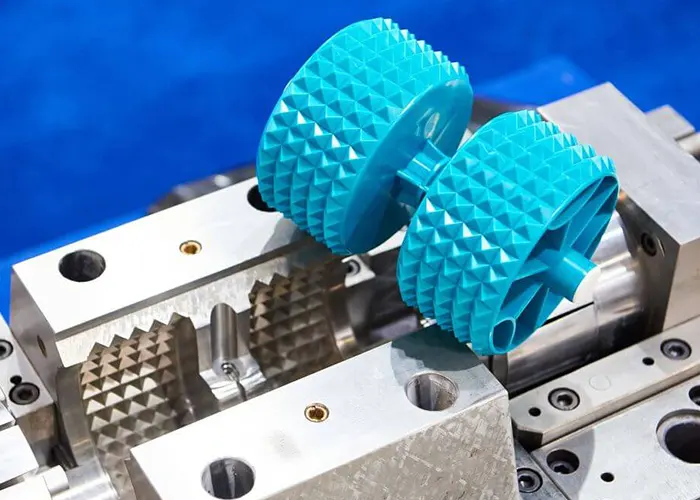
The efficiency impact of reduced secondary operations extends beyond simple time savings to encompass quality improvements and labor cost reductions. Each additional manufacturing step introduces opportunities for defects, handling damage, and assembly errors that generate scrap and require quality inspection resources. By producing more complete components directly from the mold, custom injection molding streamlines the value chain, reduces work-in-process inventory, and simplifies logistics coordination. The cumulative effect of these operational simplifications manifests as higher overall equipment effectiveness, improved first-pass yield rates, and lower per-part labor costs, all of which contribute directly to enhanced mass production efficiency.
Quality Consistency and Its Impact on Production Efficiency
Dimensional Stability and Reduced Inspection Requirements
Quality consistency represents a critical but often overlooked dimension of production efficiency, and custom injection molding excels in delivering the dimensional stability necessary for streamlined mass production. The precision engineering inherent in custom mold design ensures that critical dimensions remain within tight tolerances across thousands or millions of production cycles. This consistency reduces the frequency and intensity of quality inspections required, allowing manufacturers to implement statistical process control methodologies with smaller sample sizes and longer sampling intervals. The reduction in inspection burden frees quality personnel for value-added activities while simultaneously reducing the risk of defective parts reaching downstream assembly operations or end customers.
The dimensional predictability achieved through custom injection molding also facilitates automated handling and assembly processes that would struggle with the dimensional variation typical of less controlled manufacturing methods. Robotic pick-and-place systems, automated vision inspection, and mechanized assembly stations all perform more reliably when components exhibit consistent geometry and feature locations. This automation compatibility multiplies the efficiency benefits of custom injection molding, enabling lights-out manufacturing scenarios where production continues with minimal human intervention. The synergy between molding consistency and automation capability creates a force multiplier effect that elevates overall production efficiency beyond what either element could achieve independently.
Material Waste Reduction Through Optimized Runner Systems
Custom injection molding addresses efficiency from a material utilization perspective through carefully engineered runner systems that minimize waste while maintaining optimal fill characteristics. Standard mold designs often employ oversized runners and gates to ensure reliable cavity filling across a range of materials and process conditions. In contrast, custom injection molding leverages flow simulation software and empirical testing to determine the minimum runner dimensions that achieve complete, balanced filling for the specific part geometry and material selection. This optimization reduces the volume of material solidified in runners and gates with each cycle, decreasing both material costs and the energy required to melt and process excess plastic.
Hot runner technology represents an advanced implementation of custom injection molding principles that eliminates runner waste entirely for suitable applications. Custom-designed hot runner systems maintain molten plastic in heated manifolds that deliver material directly to part cavities without creating solidified runners that must be separated and potentially reground. While hot runner systems carry higher initial tooling costs, their elimination of runner waste and reduction in cycle time through eliminated cooling requirements generate substantial efficiency improvements in high-volume production scenarios. The decision to implement hot runner technology exemplifies the strategic optimization approach characteristic of custom injection molding, where upfront engineering investment yields ongoing operational efficiency gains throughout the production life of a component.
Cost Efficiency and Economic Impact in High-Volume Production
Amortization of Engineering Investment Across Production Volume
The economic case for custom injection molding strengthens considerably as production volumes increase, making it particularly well-suited for mass production applications. The engineering and tooling investment required for custom injection molding represents a front-loaded cost that gets amortized across the total number of parts produced. For production runs numbering in the hundreds of thousands or millions of units, the per-part allocation of custom tooling costs becomes negligible while the per-part efficiency benefits accumulate with every production cycle. This economic structure aligns perfectly with mass production economics, where the goal is to minimize unit costs through volume leverage and process optimization.
Beyond simple cost amortization, custom injection molding enables manufacturers to achieve target cost structures that would be impossible with alternative production methods. The combination of rapid cycle times, minimal secondary operations, low scrap rates, and reduced labor requirements creates a cost profile that scales favorably as volumes increase. Manufacturers can use custom injection molding to hit aggressive cost targets that enable competitive pricing strategies, margin expansion, or both. This cost competitiveness becomes particularly valuable in industries facing pricing pressure or competing against offshore manufacturing, where domestic producers must maximize efficiency to remain viable against lower-cost labor markets.
Reduced Equipment Downtime and Maintenance Burden
Custom injection molding contributes to production efficiency through its impact on equipment reliability and maintenance requirements. Molds engineered specifically for their application experience more balanced wear patterns and reduced stress concentrations compared to generic tooling operated outside optimal parameters. This design consideration extends mold life, reduces the frequency of maintenance interventions, and minimizes the production downtime associated with mold repairs or replacements. In mass production environments where equipment availability directly determines output capacity, the reliability advantages of custom injection molding translate into measurable improvements in overall equipment effectiveness and capacity utilization rates.
The process stability inherent in properly implemented custom injection molding also reduces wear on molding machines themselves. Operating with optimized injection pressures, melt temperatures, and cycle parameters that match material requirements and part geometry minimizes stress on hydraulic systems, heating elements, and mechanical components. This gentle operation extends machine service intervals, reduces maintenance costs, and decreases the likelihood of unexpected breakdowns that halt production and require emergency repairs. Over the multi-year lifespan of high-volume production programs, these reliability benefits compound into substantial efficiency advantages that manifest as higher available production hours and lower total cost of ownership for manufacturing equipment.
Integration with Modern Manufacturing Systems and Industry Standards
Compatibility with Lean Manufacturing Principles
Custom injection molding aligns naturally with lean manufacturing methodologies that emphasize waste elimination and continuous improvement. The reduced cycle times, minimal secondary operations, and low defect rates characteristic of well-executed custom injection molding directly address the seven wastes identified in lean philosophy including overproduction, waiting, transportation, excess processing, inventory, motion, and defects. By producing only what is needed, when it is needed, with minimal quality variation, custom injection molding enables just-in-time production strategies that reduce working capital tied up in inventory while maintaining the responsiveness required to meet customer demand fluctuations.
The data-rich nature of modern custom injection molding processes supports the measurement and continuous improvement cycles central to lean manufacturing success. Process monitoring systems generate detailed information about cycle times, quality metrics, material consumption, and equipment performance that can be analyzed to identify improvement opportunities. This visibility enables manufacturers to apply kaizen principles systematically, making incremental process refinements that compound over time into substantial efficiency gains. The combination of inherently efficient baseline performance and structured improvement methodologies positions custom injection molding as an ideal manufacturing technology for organizations committed to operational excellence and competitive manufacturing performance.
Support for Regulatory Compliance and Traceability Requirements
In industries subject to strict regulatory oversight, custom injection molding enhances efficiency by facilitating compliance with documentation and traceability requirements. The process control and monitoring capabilities integral to modern custom injection molding systems automatically generate production records that document critical process parameters, material lot numbers, and quality verification data for every production run. This automated documentation eliminates manual record-keeping burden, reduces the risk of documentation errors, and streamlines the audit response process when regulatory agencies or customers request production history information. The efficiency gained through automated compliance support becomes particularly valuable in regulated industries like medical devices, aerospace, and automotive where documentation requirements are extensive and non-compliance carries severe consequences.
Custom injection molding also enables the implementation of part marking and identification features that support serialization and track-and-trace requirements without additional production steps. Molds can incorporate features that emboss date codes, part numbers, lot identifiers, or even unique serial numbers directly into molded components during the injection process. This integrated identification approach eliminates secondary marking operations while ensuring that identification features are permanent and resistant to wear or intentional removal. For mass production scenarios involving regulated products or complex supply chains, this built-in traceability capability represents a significant efficiency advantage that simplifies compliance while reducing operational complexity.
Strategic Implementation Considerations for Maximum Efficiency Impact
Design for Manufacturability as an Efficiency Enabler
Realizing the full efficiency potential of custom injection molding requires early integration of manufacturing considerations into product design processes. Design for manufacturability principles guide product designers to create part geometries that optimize molding performance, minimize cycle times, and reduce tooling complexity. Features such as uniform wall thicknesses, generous draft angles, and strategically located gates enable faster filling, more uniform cooling, and easier part ejection, all of which contribute to shorter cycle times and higher quality consistency. When design teams collaborate with molding specialists during the product development phase, they can identify and implement design refinements that unlock substantial efficiency improvements without compromising product functionality or aesthetics.
The design for manufacturability approach extends beyond individual part geometry to encompass strategic decisions about material selection, tolerance specifications, and aesthetic requirements. Custom injection molding processes perform most efficiently when designers specify materials with good flow characteristics and rapid crystallization rates, establish tolerance requirements that match process capabilities, and design surface finishes that can be achieved directly from the mold without secondary operations. These design decisions directly impact the efficiency profile of the resulting production process, demonstrating that custom injection molding efficiency begins not in the manufacturing facility but in the engineering offices where products are conceived and detailed.
Supplier Partnership and Process Development Support
The transition to custom injection molding for mass production benefits significantly from close collaboration with experienced molding specialists who bring deep process knowledge and problem-solving capabilities. Qualified molding partners contribute value beyond simple production capacity, offering engineering support that optimizes mold designs, recommends process parameters, and troubleshoots quality issues that inevitably arise during production ramp-up. This partnership approach accelerates the path to stable, efficient production while reducing the risk of costly errors that can derail production schedules or generate large volumes of scrap. Manufacturers who treat molding suppliers as strategic partners rather than transactional vendors position themselves to extract maximum efficiency benefit from custom injection molding investments.
Ongoing process development support represents another dimension of supplier partnership value that sustains and extends efficiency gains over time. As production volumes accumulate and market conditions evolve, opportunities emerge to refine processes, implement cost-reduction initiatives, and adapt to material or design changes. Molding partners with strong technical capabilities can lead these continuous improvement efforts, applying their cross-industry experience and technical expertise to identify opportunities that internal teams might overlook. This collaborative approach to process optimization ensures that custom injection molding efficiency continues improving throughout the production life of a component, rather than plateauing after initial production stabilization.
FAQ
What production volumes justify the investment in custom injection molding?
Custom injection molding becomes economically advantageous for production volumes typically exceeding ten thousand units, though the exact threshold depends on part complexity, material costs, and required tooling sophistication. The higher upfront engineering and tooling costs associated with custom approaches are amortized across production volume, making the per-part cost competitive with alternative methods once sufficient quantities are produced. For truly mass production scenarios involving hundreds of thousands or millions of parts, custom injection molding almost always delivers the lowest per-unit cost and highest efficiency among available manufacturing technologies. Companies should conduct detailed cost modeling that accounts for all direct and indirect costs across the anticipated production volume to determine the economic breakeven point for their specific application.
How long does it take to develop custom injection molding tooling for production?
Custom injection molding tool development timelines typically range from eight to sixteen weeks depending on mold complexity, cavity count, and the level of engineering required. Simple single-cavity molds with straightforward geometries can be completed in shorter timeframes, while complex multi-cavity tools with advanced features like hot runners, collapsible cores, or tight tolerance requirements extend development schedules. The timeline includes mold design, material procurement, machining and assembly, initial sampling, and any necessary refinements to achieve production-quality parts. Companies planning to implement custom injection molding should account for these lead times in their product launch schedules, recognizing that the upfront time investment yields ongoing efficiency benefits throughout the production life of the component.
Can custom injection molding accommodate engineering changes after production begins?
Custom injection molding tooling can accommodate certain types of engineering changes through mold modifications, though the feasibility and cost depend on the nature and extent of the changes required. Dimensional adjustments that involve material removal from mold cavities, such as increasing part thickness or enlarging features, are generally straightforward and relatively inexpensive. Changes requiring metal addition, such as reducing part thickness or adding features, prove more challenging and may necessitate welding, insert installation, or complete cavity replacement. Strategic mold design can anticipate likely change scenarios by incorporating adjustable features or designing cavities with extra material that can be removed if needed. Manufacturers should work closely with molding partners to understand modification capabilities and costs when considering post-launch design changes that affect molded components.
What quality standards apply to custom injection molding in regulated industries?
Custom injection molding operations serving regulated industries must comply with industry-specific quality management standards including ISO 13485 for medical devices, IATF 16949 for automotive applications, and AS9100 for aerospace components. These standards establish requirements for process validation, documentation, traceability, and continuous monitoring that ensure consistent production of parts meeting critical specifications. Qualified molding suppliers maintain certifications demonstrating compliance with relevant standards and implement quality systems that support regulatory requirements. Manufacturers sourcing custom injection molding services for regulated applications should verify supplier certifications, audit quality systems, and establish clear specifications and acceptance criteria that align with regulatory expectations for their specific industry and application.
Table of Contents
- Mechanisms Through Which Custom Injection Molding Enhances Production Speed
- Quality Consistency and Its Impact on Production Efficiency
- Cost Efficiency and Economic Impact in High-Volume Production
- Integration with Modern Manufacturing Systems and Industry Standards
- Strategic Implementation Considerations for Maximum Efficiency Impact
-
FAQ
- What production volumes justify the investment in custom injection molding?
- How long does it take to develop custom injection molding tooling for production?
- Can custom injection molding accommodate engineering changes after production begins?
- What quality standards apply to custom injection molding in regulated industries?
