
 EN
EN
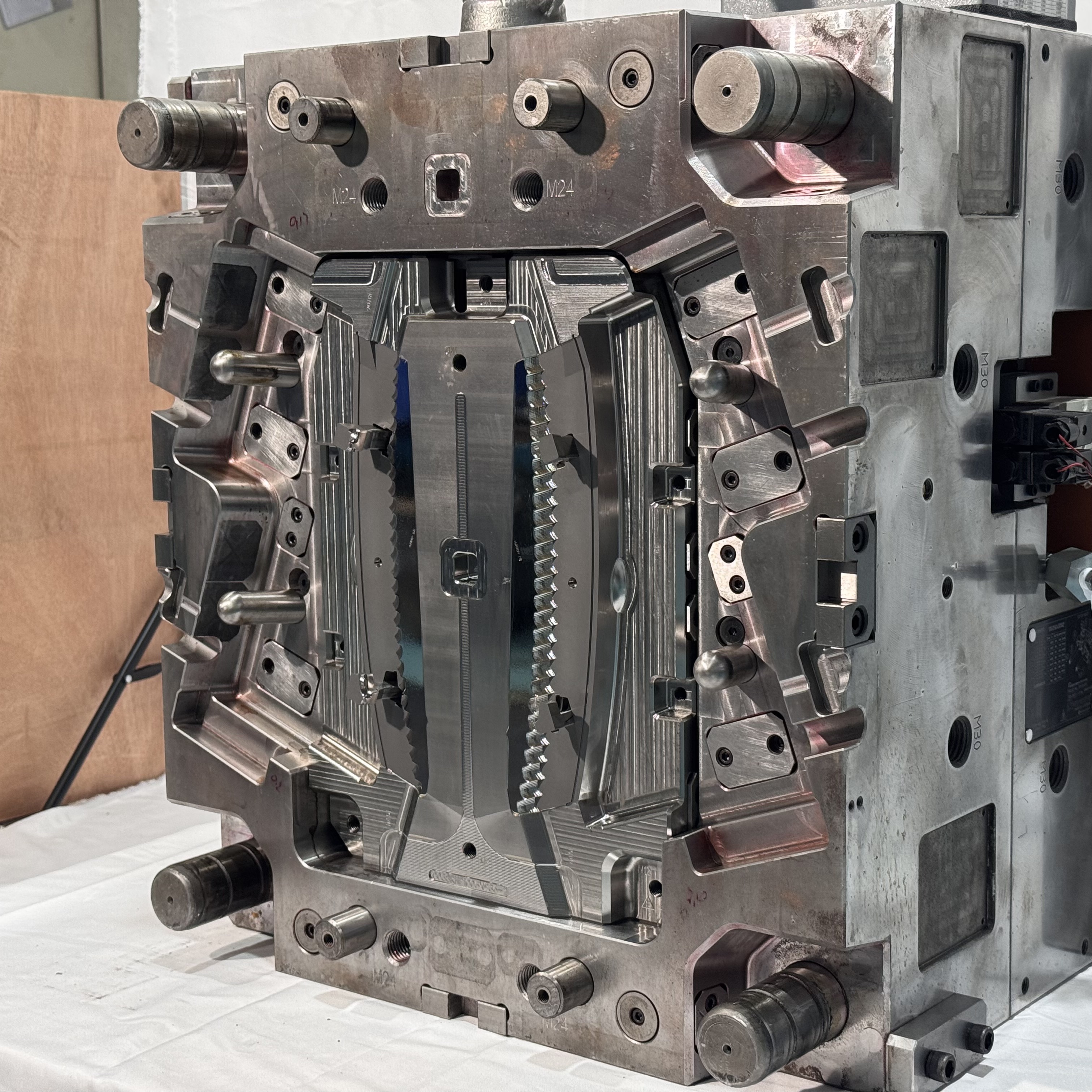
Selecting the right partner for custom plastic injection molding represents one of the most critical decisions manufacturing businesses face when developing new products or scaling production. The supplier you choose directly impacts product quality, production timelines, cost efficiency, and ultimately your market competitiveness. Unlike commodity purchasing, custom plastic injection molding requires a supplier with specialized technical expertise, quality assurance capabilities, and the flexibility to adapt to your unique specifications. Making an informed choice involves evaluating multiple dimensions of supplier capability beyond basic pricing considerations.
This comprehensive guide walks you through the systematic approach to identifying and vetting suppliers who can consistently deliver high-quality custom plastic injection molding services. Whether you are sourcing for automotive components, medical devices, consumer electronics, or industrial parts, understanding how to assess technical capabilities, quality systems, business stability, and collaboration potential will help you build partnerships that support your long-term manufacturing goals. The selection process requires due diligence across engineering competence, production infrastructure, quality management practices, and operational transparency.
Understanding Technical Capabilities and Engineering Expertise
Assessing Design and Engineering Support Services
When evaluating suppliers for custom plastic injection molding, the depth of their engineering support significantly influences project success. Reliable suppliers provide comprehensive design for manufacturability (DFM) analysis that identifies potential production challenges before tooling begins. This proactive approach includes reviewing part geometry, wall thickness uniformity, draft angles, and gate placement to optimize both part quality and production efficiency. Suppliers with strong engineering teams can suggest material alternatives, recommend design modifications to reduce costs, and simulate mold flow to predict and prevent defects like warpage, sink marks, or short shots.
The best partners in custom plastic injection molding maintain in-house engineering capabilities rather than outsourcing design validation. They should demonstrate proficiency with CAD software, mold flow analysis tools, and finite element analysis to validate structural integrity. Ask potential suppliers to share case studies showing how their engineering input improved client designs or resolved manufacturing challenges. The ability to collaborate during the design phase, not just execute production orders, distinguishes suppliers who add strategic value from those offering only basic manufacturing services.
Evaluating Tooling Design and Mold-Making Competence
The quality of injection molds directly determines the consistency and precision of molded parts throughout production runs. Suppliers specializing in custom plastic injection molding should either maintain in-house tooling capabilities or work with closely vetted mold-making partners. Evaluate their experience with the specific mold complexity your project requires, whether simple two-plate molds, complex multi-cavity systems, hot runner configurations, or family molds producing multiple part geometries simultaneously. Request examples of similar mold projects they have completed, including cavity counts, cycle times achieved, and tool longevity data.
Quality tooling for custom plastic injection molding involves precision machining, proper steel selection, effective cooling channel design, and robust ejection systems. Reliable suppliers should explain their mold validation process, including how they conduct mold trials, optimize process parameters, and document first article inspections. They should also clarify mold ownership terms, maintenance protocols, storage conditions, and modification procedures. Understanding their approach to tool life management, preventive maintenance schedules, and repair capabilities helps you assess long-term partnership viability and total cost of ownership beyond initial tooling investment.
Verifying Material Knowledge and Processing Expertise
Material selection profoundly affects the performance, durability, and cost-effectiveness of injection-molded components. Suppliers experienced in custom plastic injection molding should demonstrate comprehensive knowledge of thermoplastic materials including commodity resins like polypropylene and polyethylene, engineering plastics such as ABS, polycarbonate, and nylon, and high-performance polymers like PEEK or PPS when applications demand. They should understand material properties including tensile strength, impact resistance, chemical compatibility, thermal stability, and UV resistance, guiding you toward optimal material choices for your specific application requirements.
Beyond material familiarity, assess how suppliers manage material handling, drying requirements, and process control for different resin families. Custom plastic injection molding with engineering-grade materials often requires precise moisture control, temperature profiling, and injection speed optimization. Reliable suppliers maintain proper material storage conditions, use dedicated drying equipment, implement material traceability systems, and can produce material certifications and compliance documentation. Their ability to process filled or reinforced materials, work with recycled content, or handle color-matching requirements also indicates processing sophistication relevant to your project needs.
Evaluating Quality Management Systems and Compliance
Reviewing Quality Certifications and Standards Compliance
Quality certifications provide objective evidence of a supplier's commitment to systematic quality management in custom plastic injection molding operations. ISO 9001 certification represents the baseline quality management standard, demonstrating documented processes for quality planning, control, and continuous improvement. For industries with specialized requirements, look for additional certifications such as IATF 16949 for automotive applications, ISO 13485 for medical devices, or AS9100 for aerospace components. These industry-specific standards indicate suppliers understand and comply with stringent quality expectations beyond general manufacturing practices.
During supplier evaluation for custom plastic injection molding, request copies of current certification documents and audit reports. Verify certification scope covers the specific processes relevant to your project, not just certain facilities or product lines. Ask about their internal audit schedules, corrective action processes, and how they manage nonconforming products. Suppliers with mature quality systems maintain comprehensive documentation including quality manuals, process control plans, inspection procedures, and traceability protocols. Their willingness to share quality metrics such as defect rates, on-time delivery performance, and customer complaint statistics demonstrates transparency and confidence in their capabilities.
Examining Inspection and Testing Capabilities
Reliable suppliers for custom plastic injection molding maintain robust inspection and testing infrastructure to verify dimensional accuracy, appearance quality, and functional performance. Evaluate their measurement equipment including coordinate measuring machines (CMMs), optical comparators, surface roughness testers, and hardness testers appropriate for your part specifications. Suppliers should follow documented inspection plans with defined acceptance criteria, sampling frequencies, and statistical process control methods. First article inspection reports (FAIRs) should be standard practice, with dimensional results traceable to calibrated equipment and qualified inspectors.
Beyond dimensional verification, assess testing capabilities relevant to your application requirements. This may include mechanical property testing such as tensile, flexural, or impact testing, environmental testing including thermal cycling or accelerated aging, or specialized tests like flammability rating verification or biocompatibility testing. Suppliers engaged in custom plastic injection molding for demanding applications should either maintain in-house testing laboratories or partner with accredited third-party testing facilities. Ask to review sample inspection reports, certificates of conformance, and material certifications to understand documentation quality and completeness you can expect throughout production.
Investigating Process Control and Consistency Measures
Consistency across production runs distinguishes reliable suppliers in custom plastic injection molding from those delivering variable quality. Evaluate how suppliers monitor and control critical process parameters including melt temperature, injection pressure, hold time, cooling time, and cycle time. Modern injection molding machines equipped with closed-loop control systems and data logging capabilities enable process repeatability and traceability. Suppliers should demonstrate their use of statistical process control (SPC) to monitor process stability, identify trends, and implement corrective actions before producing defective parts.
Process validation practices reveal supplier maturity in managing custom plastic injection molding operations. Ask how they establish process windows during mold qualification, document optimal parameters, and maintain process discipline during production. Reliable suppliers implement process monitoring systems that automatically alert operators to parameter deviations, maintain detailed production records, and conduct regular process capability studies. Their approach to change management, including how they handle material lot changes, machine changeovers, or process adjustments, directly impacts your confidence in receiving consistent parts meeting specifications throughout extended production periods.
Assessing Production Infrastructure and Capacity
Analyzing Equipment Capabilities and Technology Level
The injection molding equipment portfolio maintained by potential suppliers reveals their capability to handle your project requirements efficiently. For custom plastic injection molding, evaluate their machine tonnage range, which determines the maximum part size and complexity they can produce. Suppliers with diverse machine sizes from small precision machines for micro-molding to large tonnage presses for structural components offer greater flexibility. Modern injection molding machines with electric or hybrid drive systems typically provide better repeatability, energy efficiency, and precision control compared to older hydraulic-only equipment.
Technology sophistication in custom plastic injection molding equipment directly impacts quality and efficiency. Suppliers investing in advanced machine controls, automated material handling systems, robotic part removal, and integrated quality inspection demonstrate commitment to operational excellence. Multi-component molding capabilities such as overmolding, insert molding, or two-shot injection expand design possibilities. Ask about machine utilization rates, maintenance schedules, and equipment age to assess production capacity reliability. Suppliers operating equipment beyond typical lifecycle expectations may face higher breakdown risks affecting your delivery schedules.
Evaluating Production Capacity and Scalability
Understanding a supplier's production capacity ensures they can meet your current volume requirements and accommodate future growth. For custom plastic injection molding projects, investigate their available machine hours, shift operations, and capacity utilization levels. Suppliers running near maximum capacity may struggle to accommodate rush orders or volume increases without compromising delivery commitments to existing customers. Conversely, suppliers with significant excess capacity might face financial pressures affecting long-term stability. Ideal partners maintain balanced capacity utilization allowing flexibility while demonstrating healthy business demand.
Scalability considerations extend beyond immediate capacity to include suppliers' ability to add equipment, expand facilities, or implement additional shifts as your business grows. Reliable partners in custom plastic injection molding should articulate clear strategies for capacity expansion and demonstrate past success scaling production for growing customers. Discuss their lead times for capacity increases, whether through equipment acquisition, facility expansion, or process optimization. Suppliers with multiple facilities offer geographic diversification and backup capacity, though this requires consistent quality management across locations. Understanding their capacity planning and investment roadmap helps you assess partnership longevity and growth support capability.
Reviewing Facility Organization and Environmental Controls
Physical facility conditions provide visible evidence of operational discipline and quality culture in custom plastic injection molding operations. During site visits or virtual tours, observe facility cleanliness, organization, and workflow layout. Well-organized production floors with clearly marked work areas, proper material storage, and efficient material flow indicate systematic operations management. Temperature and humidity controls matter particularly for hygroscopic materials and precision molding, where environmental conditions affect material properties and dimensional stability.
Evaluate how suppliers manage their custom plastic injection molding environment to prevent contamination and ensure consistent conditions. Clean manufacturing areas, especially for medical device or food-contact applications, require controlled environments meeting relevant cleanliness classifications. Proper lighting, ventilation, and ergonomic workstation design affect both quality outcomes and worker safety. Material handling systems should prevent contamination, maintain material identity, and support first-in-first-out inventory practices. Suppliers demonstrating attention to facility maintenance, housekeeping standards, and environmental monitoring show operational maturity that translates into reliable production performance.
Investigating Business Stability and Partnership Potential
Assessing Financial Stability and Business Longevity
Financial health of suppliers in custom plastic injection molding directly impacts their ability to invest in quality equipment, maintain skilled workforce, and support your long-term production needs. While detailed financial statements may not be readily accessible, several indicators reveal business stability. Company longevity in the industry suggests successful navigation of economic cycles and competitive pressures. Ask about their customer retention rates, which reflect satisfaction and partnership stability. Suppliers willing to provide customer references, particularly long-term relationships, demonstrate confidence in their reputation and performance history.
Evaluate investment patterns in equipment, facilities, and technology as evidence of financial capability and commitment to growth. Suppliers in custom plastic injection molding that regularly upgrade equipment, implement new technologies, or expand facilities signal positive business trajectory and resource availability for continuous improvement. Conversely, deferred maintenance, outdated equipment, or facility deterioration may indicate financial constraints affecting quality and reliability. Understanding ownership structure, whether family-owned, private equity-backed, or publicly traded, provides context for decision-making priorities and strategic stability affecting partnership continuity.
Evaluating Communication and Responsiveness
Effective collaboration in custom plastic injection molding requires clear, timely, and proactive communication throughout project lifecycles. During initial supplier evaluation, note their responsiveness to inquiries, thoroughness of answers, and willingness to provide detailed information. Suppliers who promptly address questions, proactively suggest improvements, and demonstrate genuine interest in understanding your requirements typically maintain similar communication standards during production. Ask about their project management processes, designated contact points, and escalation procedures for issues requiring rapid resolution.
Language capabilities and time zone considerations affect communication effectiveness, particularly when working with international suppliers for custom plastic injection molding. Evaluate whether suppliers maintain English-speaking technical and commercial staff who can discuss complex engineering and quality topics without miscommunication risks. Cultural awareness and business practice alignment also influence partnership smoothness. Suppliers experienced serving your geographic market or industry typically understand expectations regarding documentation standards, intellectual property protection, and business conduct. Their approach to meetings, reporting, and problem-solving reveals compatibility with your organizational culture and communication preferences.
Reviewing Intellectual Property Protection and Confidentiality
Product designs, technical specifications, and manufacturing processes shared during custom plastic injection molding projects represent valuable intellectual property requiring protection. Evaluate suppliers' policies and practices for safeguarding confidential information. Reputable suppliers readily sign non-disclosure agreements and maintain documented procedures for controlling access to proprietary information. Ask about their physical and digital security measures including restricted access to engineering files, secure data storage systems, and employee confidentiality training.
Intellectual property risks extend beyond information security to include tooling ownership and design rights. Clarify mold ownership terms explicitly in contracts for custom plastic injection molding projects, specifying who owns tooling, design modifications, and process documentation. Understanding legal jurisdiction and dispute resolution mechanisms becomes particularly important with international suppliers. Suppliers demonstrating respect for intellectual property rights, maintaining clear contractual terms, and showing willingness to work within your legal frameworks reduce risks associated with proprietary technology exposure and ensure your competitive advantages remain protected throughout the manufacturing relationship.
Conducting Thorough Supplier Evaluation and Selection
Implementing Structured Supplier Audits and Site Visits
Comprehensive supplier audits provide firsthand assessment of capabilities, culture, and operational reality in custom plastic injection molding facilities. Develop a structured audit checklist covering technical capabilities, quality systems, production infrastructure, and business practices discussed throughout this guide. Site visits allow you to observe actual working conditions, interview key personnel, review quality records, and verify information provided during preliminary evaluations. Plan audits when production is active to observe real-time operations, machine utilization, workflow efficiency, and employee engagement rather than sanitized presentations.
During audits of custom plastic injection molding suppliers, examine both hard evidence and soft indicators of capability. Review calibration certificates, quality records, customer complaint logs, and corrective action documentation. Observe housekeeping standards, safety practices, and equipment maintenance conditions. Interview technical staff, quality personnel, and production supervisors to assess knowledge depth and training effectiveness. Evaluate how they respond to difficult questions about past quality issues, capacity constraints, or process challenges. Suppliers confident in their capabilities welcome thorough audits and view them as opportunities to demonstrate strengths rather than threats to avoid.
Conducting Sample Production and Validation Runs
Sample production provides concrete evidence of supplier capability before committing to full production tooling and volume orders in custom plastic injection molding. Request samples produced using your actual design specifications and preferred materials, not generic capability samples. Evaluate sample quality against your dimensional tolerances, appearance standards, and functional requirements through comprehensive inspection and testing. Samples reveal the supplier's attention to detail, process control effectiveness, and ability to meet your specific quality expectations beyond their general capabilities.
Validation runs for custom plastic injection molding should include multiple production cycles to assess consistency, not just first-article quality. Request first article inspection reports with full dimensional analysis, material certifications, and process documentation. If possible, witness production runs personally or through third-party representation to observe actual manufacturing conditions, cycle times, defect rates, and operator practices. Sample evaluation should include destructive testing when relevant to verify internal quality characteristics not visible through surface inspection. Suppliers confident in their processes welcome comprehensive validation and view it as opportunity to demonstrate capability rather than burden to minimize.
Comparing Total Cost of Ownership Beyond Unit Price
While unit price significantly influences supplier selection for custom plastic injection molding, comprehensive cost analysis considers total ownership costs throughout the partnership lifecycle. Initial tooling investment, though substantial, amortizes across production volumes and must be evaluated against tool quality, longevity, and modification flexibility. Suppliers offering significantly lower tooling costs may compromise steel quality, cooling efficiency, or design optimization, resulting in higher piece costs, shorter tool life, or quality issues generating long-term expenses exceeding initial savings.
Total cost evaluation for custom plastic injection molding includes quality costs such as inspection requirements, defect rates, and potential field failures. Suppliers delivering consistent quality reduce your incoming inspection burden and eliminate costs associated with sorting, rework, or customer returns. Logistics costs including shipping, inventory carrying costs, and lead time flexibility affect working capital requirements and supply chain efficiency. Hidden costs of poor supplier performance such as expediting fees, production disruptions, or engineering time resolving quality issues often exceed apparent savings from lowest-price suppliers. Comprehensive cost modeling incorporating quality, reliability, logistics, and risk factors enables informed decisions balancing immediate price competitiveness against long-term partnership value.
FAQ
What are the most important certifications to look for when selecting a custom plastic injection molding supplier?
The essential certifications depend on your industry and application requirements. ISO 9001 represents the baseline quality management standard applicable across all industries, demonstrating systematic quality processes and continuous improvement commitment. For automotive components, IATF 16949 certification is typically mandatory, ensuring suppliers meet automotive industry quality management requirements. Medical device manufacturers should require ISO 13485 certification, which specifically addresses medical device quality systems and regulatory compliance. Aerospace applications often require AS9100 certification. Beyond certifications, verify their scope covers the specific processes and facilities relevant to your project, and request recent audit reports to confirm active compliance rather than expired certificates.
How can I verify a supplier's actual production capacity for my custom plastic injection molding project?
Verifying production capacity requires examining multiple factors beyond stated machine availability. Request detailed information about their equipment inventory including machine tonnages, quantities, and utilization rates across different production periods. Ask for references from customers with similar volume requirements and contact them to discuss the supplier's actual delivery performance during peak demand periods. During site visits, observe production floor activity, count active machines, and assess whether stated capacity aligns with visible operations. Review their shift operations and overtime practices, as suppliers consistently running maximum shifts and overtime may lack capacity buffer for your growth or rush requirements. Request their capacity planning documentation showing how they allocate machine hours across existing customers and available capacity for new projects.
What should I include in a non-disclosure agreement when sharing designs with custom plastic injection molding suppliers?
Comprehensive non-disclosure agreements for custom plastic injection molding projects should explicitly define what constitutes confidential information, including product designs, technical specifications, manufacturing processes, business information, and any related documentation. Specify permitted uses of confidential information limited strictly to fulfilling your manufacturing requirements, prohibiting use for other customers or their own product development. Include provisions for secure information handling, restricted access controls, and return or destruction of confidential materials upon request or project completion. Address term duration, typically extending several years beyond project completion to protect information value. Clarify that tooling designs, process documentation, and any derivative works remain your property. Include provisions for injunctive relief and liquidated damages in addition to standard legal remedies, and specify jurisdiction and dispute resolution procedures. Have legal counsel review agreements to ensure enforceability, particularly with international suppliers where legal systems and enforcement mechanisms vary.
How long does it typically take to fully qualify a new supplier for custom plastic injection molding production?
Supplier qualification timelines for custom plastic injection molding vary significantly based on project complexity, quality requirements, and validation rigor, typically ranging from three to nine months for comprehensive qualification. Initial evaluation including document review, capability assessment, and preliminary audits generally requires four to eight weeks. Tooling design, manufacturing, and validation typically consume eight to sixteen weeks depending on mold complexity. First article inspection, dimensional validation, and material testing add two to four weeks. Production validation runs demonstrating process stability and consistency across multiple production cycles require another four to eight weeks. For industries with regulatory requirements such as medical devices or aerospace, additional validation including design verification, process validation, and regulatory submission reviews extend timelines considerably. Rushing qualification processes to accelerate production launch often results in quality issues, process instability, or compliance gaps requiring costly correction later, making thorough upfront qualification a valuable investment in long-term partnership success.
Table of Contents
- Understanding Technical Capabilities and Engineering Expertise
- Evaluating Quality Management Systems and Compliance
- Assessing Production Infrastructure and Capacity
- Investigating Business Stability and Partnership Potential
- Conducting Thorough Supplier Evaluation and Selection
-
FAQ
- What are the most important certifications to look for when selecting a custom plastic injection molding supplier?
- How can I verify a supplier's actual production capacity for my custom plastic injection molding project?
- What should I include in a non-disclosure agreement when sharing designs with custom plastic injection molding suppliers?
- How long does it typically take to fully qualify a new supplier for custom plastic injection molding production?
