
 EN
EN
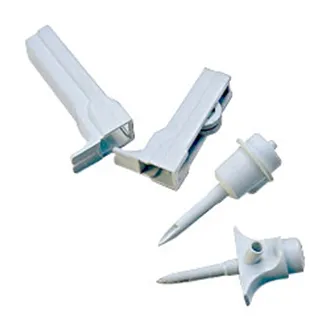
Manufacturing precision parts at scale requires specialized capabilities that only experienced injection molding companies can deliver. Across global industries, businesses rely on these partnerships to transform raw polymer materials into complex components that power everything from medical devices to automotive systems. Understanding which sectors derive the greatest value from professional injection molding services helps decision-makers identify strategic manufacturing partners and optimize their supply chain investments. The intersection of technical capability, regulatory compliance, and production efficiency determines which industries gain competitive advantages through collaboration with established injection molding companies.
The value proposition varies significantly across industrial sectors based on production volume requirements, material specifications, quality standards, and cost structures. Industries with high-volume needs, stringent regulatory frameworks, and complex geometric requirements consistently show the strongest returns from partnering with professional injection molding companies. These manufacturers bring process expertise, quality systems, and engineering support that extend far beyond basic production capacity. Sectors demanding tight tolerances, specialized materials, or certified manufacturing environments particularly benefit from the infrastructure and knowledge that established molding partners provide.
Medical and Healthcare Sector Advantages
Regulatory Compliance and Quality Certification
The medical device industry represents one of the most demanding environments for injection molding companies, requiring adherence to ISO 13485 standards, FDA regulations, and comprehensive documentation systems. Professional molding partners maintain cleanroom facilities, validated processes, and traceability protocols that meet stringent healthcare requirements. These capabilities enable manufacturers to produce surgical instruments, diagnostic equipment housings, drug delivery components, and implantable device elements with consistent quality and full regulatory compliance. The investment in quality management systems and process validation that certified injection molding companies maintain becomes essential for medical manufacturers who cannot afford contamination risks or batch failures.
Material selection in medical applications demands specialized knowledge that experienced molding companies provide through their engineering teams. Biocompatible resins, sterilization-resistant polymers, and materials meeting USP Class VI requirements require precise processing parameters that only seasoned professionals consistently achieve. The ability to work with engineering-grade materials like PEEK, liquid silicone rubber, and medical-grade polycarbonate distinguishes qualified injection molding companies from general manufacturers. These partnerships reduce time-to-market for medical innovations while ensuring compliance documentation supports regulatory submissions and ongoing production audits.
Precision and Repeatability Requirements
Medical components often feature tolerances measured in microns, demanding manufacturing capabilities that few injection molding companies can deliver reliably. Luer fittings, microfluidic channels, surgical tool components, and diagnostic cartridges require dimensional stability across millions of production cycles. Professional molders invest in scientific molding methodologies, advanced process monitoring, and statistical process control systems that ensure part-to-part consistency. This repeatability becomes critical when device performance or patient safety depends on exact dimensional characteristics that must remain stable throughout production runs spanning years.
The healthcare sector also benefits from design-for-manufacturing expertise that injection molding companies bring to development partnerships. Early engagement with molding specialists helps medical device engineers optimize part geometry for manufacturability while maintaining functional requirements. This collaborative approach reduces development cycles, minimizes costly tooling revisions, and improves overall product reliability. The combination of precision manufacturing capability and engineering support makes professional molding partnerships particularly valuable for healthcare organizations bringing new devices to market.
Automotive Industry Manufacturing Partnerships
High-Volume Production Capacity
Automotive applications represent some of the highest-volume opportunities for injection molding companies, with individual components often requiring millions of units annually. Interior trim panels, dashboard assemblies, lighting housings, under-hood components, and structural elements demand production capacity that only established manufacturers possess. Professional molding operations maintain multiple press fleets, automated material handling systems, and 24-hour production schedules that align with automotive supply chain requirements. The ability to scale production rapidly while maintaining consistent quality across multiple manufacturing cells becomes essential when supporting vehicle launch schedules and ongoing production demands.
Cost efficiency at automotive volumes requires process optimization expertise that experienced injection molding companies develop through years of industry participation. Cycle time reduction, scrap minimization, and energy efficiency directly impact per-part costs when producing millions of components. Professional molders apply advanced techniques including hot runner systems, multi-cavity tooling, and automated quality inspection to drive down manufacturing costs while meeting automotive quality standards. These efficiency gains translate to competitive advantages for vehicle manufacturers managing tight margin pressures across global markets.
Material Performance and Environmental Durability
Automotive components face extreme environmental conditions including temperature cycling, chemical exposure, UV radiation, and mechanical stress that demand specialized material knowledge. Injection molding companies serving automotive clients maintain expertise in engineering thermoplastics, glass-filled compounds, and advanced polymer blends that deliver required performance characteristics. Understanding how materials behave under hood temperatures exceeding 150°C or exterior conditions ranging from Arctic cold to desert heat ensures component reliability throughout vehicle lifecycles. This material science knowledge, combined with processing expertise, enables automotive suppliers to meet increasingly stringent performance specifications.
The automotive industry also benefits from lightweighting initiatives that replace metal components with engineered plastics, reducing vehicle weight and improving fuel efficiency. Professional injection molding companies support these material transitions through structural analysis, prototype development, and production validation that proves plastic alternatives meet performance requirements. The ability to mold fiber-reinforced composites, create complex geometries that consolidate multiple parts, and achieve tight tolerances in lightweight materials positions experienced molders as strategic partners in automotive innovation efforts.
Consumer Electronics and Technology Applications
Aesthetic Quality and Surface Finish Excellence
Consumer electronics manufacturers depend on injection molding companies that deliver exceptional cosmetic quality for visible product housings and enclosures. Smartphones, tablets, laptops, wearables, and smart home devices require Class A surface finishes, precise color matching, and flawless appearance that influences consumer purchasing decisions. Professional molders invest in advanced tooling techniques including high-polish cavity finishes, texture application expertise, and in-mold decoration capabilities that elevate product aesthetics. The ability to maintain consistent appearance across production runs while minimizing visible defects like flow lines, sink marks, or color variation distinguishes qualified manufacturing partners.
Complex geometries in electronics enclosures challenge injection molding companies to balance aesthetic requirements with functional needs including snap-fit assembly features, integrated mounting bosses, and precise component alignment. Thin-wall molding capabilities enable sleek product profiles while maintaining structural integrity. Advanced gate design and strategic runner placement minimize visible witness marks on consumer-facing surfaces. These technical capabilities require sophisticated mold design expertise and precise process control that experienced electronics-focused injection molding companies develop through specialized practice in this demanding sector.
Rapid Product Development Cycles
The consumer technology sector operates under compressed development timelines that require injection molding companies capable of supporting accelerated production schedules. Time-to-market pressures drive electronics manufacturers to seek molding partners offering rapid tooling solutions, prototype-to-production transitions, and flexible capacity allocation. Professional molders maintain relationships with toolmakers who can deliver production-intent molds in weeks rather than months, enabling faster product launches. This responsiveness becomes particularly valuable in competitive markets where early market entry determines commercial success.
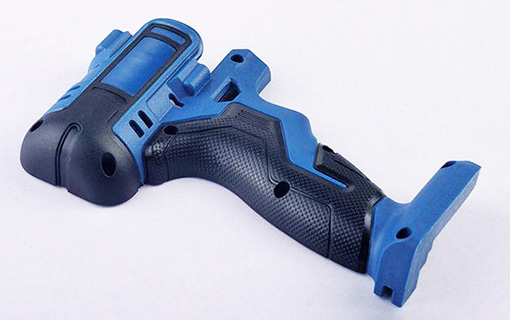
Electronics manufacturers also benefit from engineering support that injection molding companies provide during product development phases. Design validation through mold flow analysis, material selection guidance, and manufacturability reviews help prevent costly design iterations after tooling investment. The ability to produce small pilot runs for market testing before committing to high-volume production reduces financial risk in uncertain market conditions. These collaborative capabilities make professional molding partnerships essential for technology companies navigating rapid innovation cycles and evolving consumer preferences.
Industrial Equipment and Automation Components
Engineering Material Expertise and Performance
Industrial applications often demand specialized engineering resins that require processing expertise found primarily among experienced injection molding companies. Components for industrial automation, fluid handling systems, HVAC equipment, and manufacturing machinery must withstand chemical exposure, elevated temperatures, mechanical stress, and long-term environmental degradation. Materials including nylon, acetal, polyphenylene sulfide, and reinforced thermoplastics offer superior performance characteristics but require precise processing parameters that general molders may struggle to achieve consistently. Professional molding companies maintain material processing knowledge across diverse engineering resin families, ensuring optimal mechanical properties in finished components.
The industrial sector values injection molding companies that understand application-specific performance requirements and can recommend appropriate material solutions. Bearing housings require low-friction materials with dimensional stability, while fluid handling components need chemical-resistant resins with proper sealing characteristics. Electrical enclosures demand flame-retardant materials meeting UL ratings, and outdoor equipment requires UV-stabilized compounds maintaining properties through years of sun exposure. This application engineering expertise helps industrial equipment manufacturers select cost-effective materials delivering required performance without over-specifying expensive alternatives.
Custom Solutions and Specialized Processing
Industrial applications frequently involve moderate production volumes requiring flexible manufacturing approaches that established injection molding companies can accommodate efficiently. Unlike automotive or consumer electronics with millions of identical parts, industrial components may require thousands or tens of thousands of units with potential for design variations or customization. Professional molders structure operations to handle diverse part portfolios without sacrificing quality or cost efficiency. This flexibility proves valuable for industrial manufacturers supporting multiple equipment models or serving diverse customer segments with customized solutions.
Insert molding and overmolding capabilities that many injection molding companies offer provide particular value in industrial applications requiring integrated metal components or multi-material assemblies. Encapsulating threaded inserts, molding gaskets onto rigid housings, or creating ergonomic grips on tool handles consolidates assembly operations while improving product performance. These specialized processes require equipment investments and technical knowledge that experienced molding partners maintain, enabling industrial manufacturers to simplify their supply chains while enhancing product functionality through advanced manufacturing techniques.
Packaging Industry Solutions and Innovation
High-Speed Production and Cost Optimization
The packaging industry represents another sector deriving substantial benefits from partnerships with professional injection molding companies specializing in high-volume, cost-sensitive production. Closures, caps, containers, and packaging components for food, beverage, cosmetic, and pharmaceutical applications require enormous production quantities at extremely competitive pricing. Molders serving packaging markets maintain dedicated high-speed production cells with cycle times measured in seconds, producing thousands of parts per hour across multiple shifts. This specialized focus on packaging applications enables cost structures that support competitive pricing in commodity markets.
Packaging-focused injection molding companies also develop expertise in materials approved for food contact applications, including various grades of polypropylene, polyethylene, and PET that meet FDA regulations and European Union standards. Understanding how different resins perform in specific packaging applications—such as barrier properties for beverage containers or tamper-evidence features for pharmaceutical closures—enables molders to recommend optimal material solutions. This specialized knowledge helps packaging customers balance performance requirements with cost constraints in highly competitive markets where fractions of a cent per unit significantly impact profitability.
Innovation in Sustainable Packaging Solutions
Environmental sustainability initiatives drive increasing demand for injection molding companies capable of processing recycled content, bio-based resins, and designing packaging for circular economy models. Professional molders invest in processing technologies that accommodate post-consumer recycled materials while maintaining consistent quality and performance characteristics. The ability to work with renewable resource-based polymers, optimize material usage through lightweighting, and design packages for recyclability positions experienced injection molding companies as innovation partners for brands responding to consumer environmental concerns and regulatory mandates.
Packaging manufacturers also benefit from design expertise that injection molding companies apply to create functional improvements while reducing material consumption. Wall thickness optimization, structural ribbing strategies, and geometry modifications that maintain package integrity with less material directly reduce costs while improving environmental profiles. This engineering approach to sustainable packaging design requires simulation capabilities, material science knowledge, and manufacturing expertise that established molding operations develop through continuous improvement initiatives and investment in technical capabilities.
FAQ
What qualifications should I look for when selecting injection molding companies for medical device manufacturing?
When evaluating injection molding companies for medical applications, prioritize partners maintaining ISO 13485 certification demonstrating quality management systems designed specifically for medical device manufacturing. Verify the facility operates cleanroom environments appropriate for your device classification, maintains validated processes with documented process capability studies, and possesses experience with relevant biocompatible materials. Request documentation of previous FDA inspections or regulatory audits, review their material traceability systems, and confirm they understand design control requirements if supporting product development activities. The most qualified partners will demonstrate comprehensive quality systems extending beyond basic manufacturing to include risk management, supplier qualification, and continuous improvement programs aligned with medical industry standards.
How do injection molding companies support automotive supply chain requirements differently than other industries?
Injection molding companies serving automotive customers typically implement specialized systems addressing unique supply chain demands including advanced quality planning processes following IATF 16949 standards, production part approval processes requiring extensive documentation and dimensional validation, and capacity planning aligned with vehicle launch schedules and production forecasts. These molders maintain redundant production capabilities, participate in automotive supplier portals for electronic data interchange, and structure operations to support just-in-time delivery requirements minimizing customer inventory costs. They also invest in automotive-specific quality tools including measurement systems analysis, process failure mode effects analysis, and control plans ensuring consistent production of components meeting stringent automotive quality standards throughout multi-year production lifecycles.
Can injection molding companies economically produce low-volume specialty parts for industrial equipment?
Professional injection molding companies can efficiently manufacture lower-volume industrial components through several approaches balancing tooling investment with production economics. Many molders offer prototype tooling solutions using aluminum or pre-hardened steel that reduces initial investment while supporting production quantities from hundreds to tens of thousands of parts before requiring replacement. Family molds consolidating multiple part geometries into single tools spread tooling costs across part portfolios. Some operations maintain libraries of standardized mold bases accepting interchangeable cavity inserts, reducing lead times and costs for new part introductions. Additionally, experienced molders apply process expertise maximizing production efficiency even at lower volumes through optimized cycle times, minimal setup requirements, and efficient material utilization that makes injection molding cost-competitive with alternative manufacturing processes even at moderate production quantities.
What advantages do established injection molding companies offer for consumer electronics compared to offshore alternatives?
Domestic or regional injection molding companies provide electronics manufacturers with proximity advantages including compressed logistics timelines enabling faster response to design changes or demand fluctuations, direct engineering collaboration facilitating real-time problem-solving during development and production phases, and intellectual property protection through established legal frameworks and contractual relationships. These molders often maintain higher automation levels and advanced quality systems producing superior cosmetic finishes and tighter tolerances than less sophisticated offshore operations. While per-part costs may be higher than lowest-cost offshore alternatives, total cost of ownership calculations frequently favor established molders when accounting for reduced inventory carrying costs, lower defect rates, faster time-to-market, and simplified supply chain management. The decision depends on specific program requirements balancing cost pressures against quality expectations, development support needs, and supply chain risk tolerance.
Table of Contents
- Medical and Healthcare Sector Advantages
- Automotive Industry Manufacturing Partnerships
- Consumer Electronics and Technology Applications
- Industrial Equipment and Automation Components
- Packaging Industry Solutions and Innovation
-
FAQ
- What qualifications should I look for when selecting injection molding companies for medical device manufacturing?
- How do injection molding companies support automotive supply chain requirements differently than other industries?
- Can injection molding companies economically produce low-volume specialty parts for industrial equipment?
- What advantages do established injection molding companies offer for consumer electronics compared to offshore alternatives?
