
 EN
EN
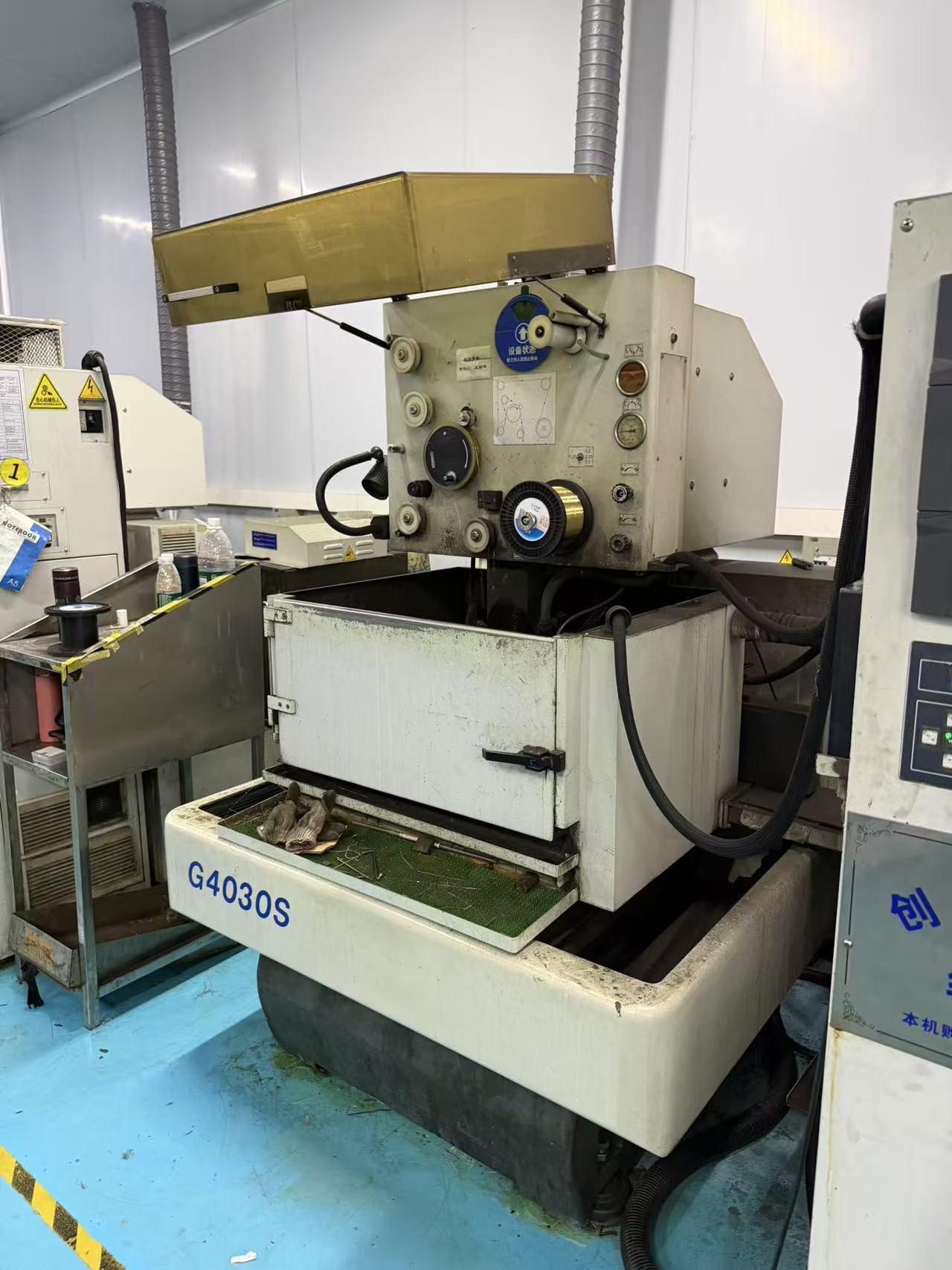
Achieving plastic molding precision and consistency stands as a cornerstone challenge for manufacturers operating in competitive industrial markets. Every component that leaves a molding facility must meet exact specifications, withstand rigorous testing, and perform identically across entire production batches. Companies that master plastic molding precision and consistency gain significant competitive advantages through reduced waste, faster production cycles, and stronger customer relationships built on reliability.
The modern plastic molding industry demands far more than traditional craftsmanship alone. plastic molding precision and consistency requires integrated systems spanning equipment calibration, material science, environmental controls, and continuous monitoring protocols. Organizations that understand these interdependent factors build manufacturing cultures where precision becomes predictable rather than exceptional.
Equipment Calibration and Maintenance for Precision
Injection Molding Machine Setup
Precision begins at the equipment level, where injection molding machines must be maintained within incredibly tight tolerances. Temperature zones along the barrel require constant monitoring to ensure plastic melt flows at exactly the right viscosity. Pressure settings demand calibration to micro-specifications because even small fluctuations compromise plastic molding precision and consistency across entire production runs. Modern machines feature digital feedback systems that detect drift instantly and alert operators before defects occur.
Mold cavity alignment directly influences final component quality and contributes substantially to plastic molding precision and consistency. When cavities shift even fractionally, dimensional variations propagate through hundreds of parts before detection becomes obvious. Preventive maintenance schedules address bearing wear, guide pin degradation, and thermal expansion patterns that develop over time. Companies investing in predictive maintenance technology identify wear signatures before they impact plastic molding precision and consistency.
Mold Design and Manufacturing Standards
Mold quality fundamentally determines achievable plastic molding precision and consistency throughout a product's manufacturing lifetime. Custom molds require engineering precision at the micron level, incorporating gate positioning, cooling channel geometry, and ejection pin placement that all influence final part accuracy. Materials selected for mold construction must withstand thermal cycling stress without expanding unpredictably or accumulating surface roughness that transfers to molded components.
Mold validation through initial production runs reveals whether design specifications translate into actual plastic molding precision and consistency. Manufacturers typically run test batches, measure hundreds of components, and identify adjustment requirements before full production authorization. This disciplined approach prevents expensive surprises when production ramps to commercial volumes and confirms that plastic molding precision and consistency can be sustained across extended manufacturing windows.
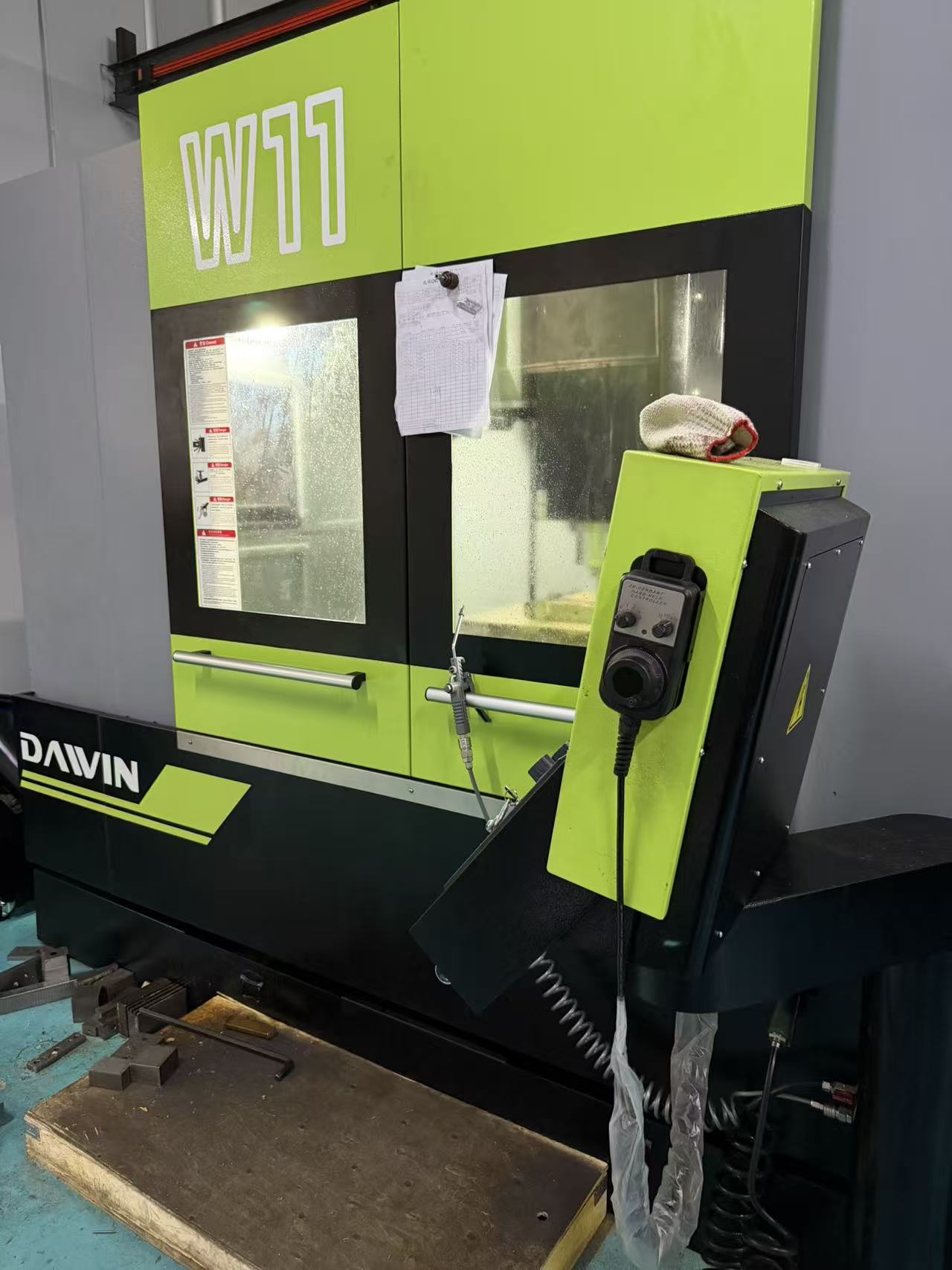
Material Control and Environmental Management
Resin Quality and Moisture Control
Material selection and handling directly impact plastic molding precision and consistency because resin properties vary between suppliers, batches, and storage conditions. Premium-grade polymers with tight molecular weight distribution ensure predictable flow characteristics during injection, creating foundation stability for plastic molding precision and consistency. Moisture contamination represents an often-overlooked threat because absorbed water causes dimensional shrinkage and surface defects that compromise part quality instantly.
Drying procedures before molding remove moisture that would otherwise create voids, weak spots, and dimensional instability undermining plastic molding precision and consistency. Industrial desiccant dryers condition resin to specific moisture levels matched to polymer type, material grade, and application requirements. Documentation tracking resin lot numbers, drying parameters, and incoming inspection results creates traceability that proves plastic molding precision and consistency resulted from controlled material inputs rather than random variation.
Temperature and Humidity Environment
Manufacturing environments where plastic molding precision and consistency remains achievable require climate control systems that maintain consistent temperature and humidity ranges. Ambient temperature fluctuations cause mold expansion and contraction cycles that shift cavity dimensions, directly degrading plastic molding precision and consistency. Humidity variations affect resin moisture content even during molding, creating inconsistencies in flow rates and cooling behavior that propagate through entire batches.
Controlled manufacturing environments with stable thermal conditions enable achievable plastic molding precision and consistency by removing environmental variability from quality equations. Facilities with precision climate control demonstrate superior dimensional stability and lower rejection rates than those operating without such infrastructure. This investment in environmental discipline directly translates to improved plastic molding precision and consistency that customers recognize through reduced part-to-part variation and enhanced assembly compatibility.
Quality Control and Measurement Systems
In-Process Monitoring and Data Collection
Real-time monitoring during production ensures that plastic molding precision and consistency remains within acceptable parameters before defective parts accumulate. Pressure transducers, temperature sensors, and position encoders feed continuous data streams to quality management systems that detect deviations automatically. Statistical process control charting reveals trends suggesting drift toward out-of-specification conditions, enabling preventive adjustments that protect plastic molding precision and consistency before problems manifest.
Automated inspection systems examine critical dimensions on every part or statistically representative samples, measuring plastic molding precision and consistency against engineered specifications and tolerance bands. Vision systems detect surface defects, gate vestiges, or mold-related imperfections that compromise appearance or function. When measurements identify parts approaching specification limits, quality systems trigger machine adjustments or production pauses that restore plastic molding precision and consistency before rejectable parts continue flowing from molding equipment.
Traceability and Documentation Protocols
Documentation systems tracking plastic molding precision and consistency performance create accountability throughout manufacturing organizations and provide evidence of quality commitment to customers. Batch records document machine settings, material lots, operator identifications, and inspection results for every production run. When issues emerge in field applications, comprehensive documentation enables manufacturers to identify root causes, trace affected parts, and implement corrective actions that prevent recurrence.
Quality management systems organizing plastic molding precision and consistency data enable trend analysis revealing equipment drift, material inconsistencies, or process vulnerabilities requiring attention. Digital platforms consolidate inspection measurements, process parameters, and environmental conditions into searchable databases supporting continuous improvement initiatives. This systematic approach to plastic molding precision and consistency transforms quality from reactive problem-solving into proactive performance optimization aligned with customer expectations and competitive requirements.
FAQ
What causes dimensional variation in plastic molding precision and consistency?
Dimensional variation results from equipment drift, material inconsistency, environmental temperature fluctuations, and inadequate cooling time uniformity across mold cavities. Each factor individually compromises plastic molding precision and consistency, but combinations amplify effects dramatically. Modern manufacturers address variation systematically through equipment maintenance, material controls, climate management, and real-time monitoring that collectively enable stable plastic molding precision and consistency.
How often should molds be inspected to maintain precision and consistency?
Inspection frequency depends on production volume, material type, and application criticality, but best practices recommend comprehensive mold evaluations every 50,000 to 100,000 cycles or annually for lower-volume operations. Regular dimensional checks of mold cavities reveal wear patterns suggesting adjustment requirements before they impact plastic molding precision and consistency. Preventive mold maintenance schedules cost far less than reactive repairs after quality problems emerge and damage customer relationships.
Can software alone improve plastic molding precision and consistency?
Software provides visibility and data analysis capabilities supporting plastic molding precision and consistency, but only when combined with properly maintained equipment, quality materials, and disciplined operational procedures. Process control software alerts operators to deviations requiring response, but human expertise remains essential for interpreting data and implementing effective corrections. Technology amplifies the value of strong fundamentals in equipment, materials, and training rather than replacing them for sustainable plastic molding precision and consistency.
