
 EN
EN
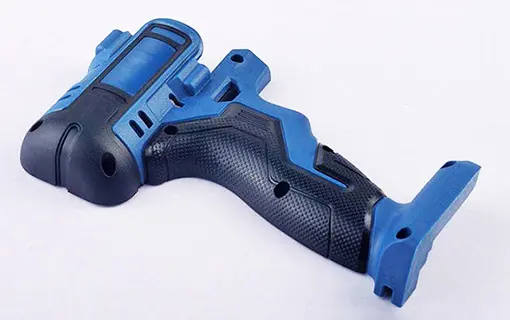
The modern manufacturing landscape relies heavily on advanced plastic injection mold technology to produce components at scale. From consumer electronics to automotive applications, industries worldwide depend on plastic injection mold solutions to create precision parts efficiently and cost-effectively. Understanding which sectors benefit most from this technology provides valuable insight into how global manufacturing has evolved and where innovation continues to drive competitive advantage.
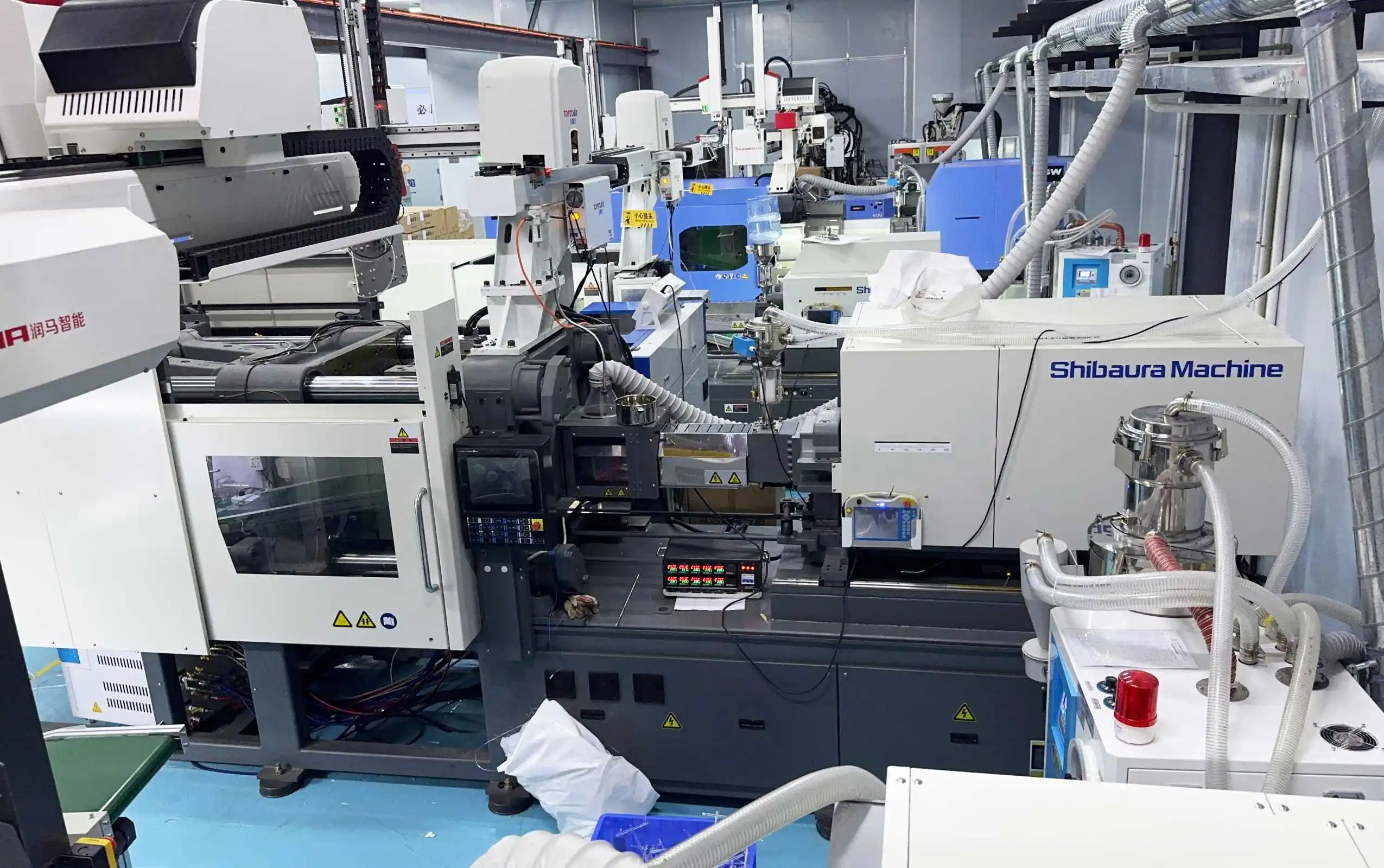
Advanced plastic injection mold capabilities have transformed how manufacturers address production challenges across multiple sectors. Whether producing medical devices, consumer goods, or industrial components, companies increasingly turn to specialized plastic injection mold providers to meet demanding quality standards and delivery timelines. The versatility and precision of modern plastic injection mold processes enable businesses to scale operations while maintaining consistency and reducing waste.
Automotive and Transportation Industries
Engine Components and Interior Systems
The automotive sector represents one of the largest consumers of plastic injection mold technology. Manufacturers use advanced plastic injection mold solutions to produce engine covers, intake manifolds, fuel system components, and interior trim pieces. Each component must meet strict durability, temperature resistance, and safety standards, which makes precision plastic injection mold processing essential. Modern vehicles contain dozens of injection-molded plastic parts, from dashboard panels to door handles, all manufactured using sophisticated plastic injection mold equipment and techniques.
Electrical and Safety Components
Transportation companies depend on plastic injection mold expertise for electrical connectors, battery housings, sensor enclosures, and lighting assemblies. These components require exceptional dimensional accuracy and material performance under demanding thermal and mechanical conditions. Advanced plastic injection mold facilities must maintain tight tolerances and use specialized materials that withstand extreme temperatures and chemical exposure. The automotive industry's adoption of electric vehicles has further expanded demand for customized plastic injection mold solutions that support high-voltage systems and thermal management requirements.
Medical Device and Healthcare Manufacturing
Diagnostic and Surgical Instruments
Healthcare providers and medical device manufacturers rely heavily on sterile, precision plastic injection mold components. Diagnostic instruments, syringes, connectors, and surgical tool handles all demand biocompatible materials and flawless plastic injection mold quality. Medical-grade plastic injection mold production requires cleanroom environments, validated processes, and rigorous testing protocols to ensure patient safety and regulatory compliance. Companies producing insulin pens, infusion pumps, and respiratory devices depend entirely on specialized plastic injection mold providers who understand FDA requirements and international medical device standards.
Laboratory and Testing Equipment
Clinical laboratories and research facilities depend on plastic injection mold technology for sample containers, test tube holders, pipette tips, and analyzer components. These applications require chemical resistance, precision molding, and reproducible plastic injection mold quality across thousands of identical parts. The healthcare industry's growth in diagnostics and point-of-care testing has increased demand for customized plastic injection mold solutions that support rapid manufacturing and supply chain flexibility.
Consumer Electronics and Technology Products
Personal Device Housings and Components
Consumer electronics manufacturers depend on advanced plastic injection mold solutions to produce smartphone cases, laptop shells, tablet frames, and electronic device housings. These applications require aesthetic finishes, precise fitment tolerances, and materials that provide electromagnetic shielding or thermal management. High-volume plastic injection mold production enables electronics companies to launch new products rapidly while maintaining consistent quality across millions of units. The competitive nature of consumer technology drives continuous innovation in plastic injection mold design, material selection, and manufacturing processes.
Connectors and Internal Assemblies
Technology companies rely on precision plastic injection mold expertise for connector housings, battery compartments, and internal structural supports. These components must function reliably while maintaining dimensional accuracy through repeated assembly and disassembly cycles. Advanced plastic injection mold suppliers provide rapid prototyping capabilities that allow electronics manufacturers to accelerate product development cycles and respond quickly to market demands. The integration of specialized plastic injection mold solutions with high-speed production lines enables manufacturers to achieve throughput rates exceeding thousands of parts per hour.
Industrial, Appliance, and Consumer Goods Applications
Home Appliance Components
Major appliance manufacturers depend on plastic injection mold technology for refrigerator door seals, washing machine drums, dishwasher spray arms, and microwave housings. These applications require durable materials that resist moisture, temperature variations, and mechanical stress during years of regular use. Plastic injection mold solutions must balance cost efficiency with long-term performance, making material science and process optimization critical success factors. Appliance manufacturers work closely with specialized plastic injection mold providers to develop components that reduce overall production costs while enhancing product reliability.
Consumer Product Manufacturing
Manufacturers of consumer goods including toys, sporting equipment, gardening tools, and household items depend extensively on plastic injection mold production. These sectors benefit from the cost advantages and design flexibility that modern plastic injection mold technology provides. Customizable plastic injection mold solutions enable manufacturers to differentiate products through innovative designs while maintaining competitive pricing through high-volume production efficiency. The consumer goods industry continuously explores new materials and manufacturing techniques to enhance product sustainability and appeal.
Packaging, Food Service, and Distribution Industries
Specialized Packaging Solutions
Food and beverage companies utilize plastic injection mold technology to produce rigid containers, hinged-lid clamshells, and specialized packaging components. These applications demand food-grade materials, barrier properties, and manufacturing precision that ensures product protection and shelf appeal. Plastic injection mold suppliers serving the packaging industry must maintain strict adherence to food safety regulations and material compatibility standards. The packaging sector's shift toward sustainable materials has driven innovation in plastic injection mold processes that support recycled content and biodegradable polymer options.
Logistics and Material Handling
Distribution companies and logistics providers depend on plastic injection mold solutions for pallets, storage bins, crates, and material handling components. These heavy-duty applications require robust plastic injection mold designs that withstand repeated use and harsh warehouse environments. Large-format plastic injection mold equipment enables manufacturers to produce oversized components that reduce assembly requirements and improve supply chain efficiency. The logistics industry benefits from plastic injection mold technology that delivers durable, lightweight alternatives to metal components while reducing transportation costs.
FAQ
Which industries benefit most from plastic injection mold technology?
Automotive, medical device, consumer electronics, and appliance manufacturing represent the largest sectors utilizing plastic injection mold solutions. These industries demand high-volume production, precision tolerances, and material consistency that modern plastic injection mold facilities provide. Pharmaceutical, packaging, and industrial equipment manufacturers also heavily depend on plastic injection mold expertise to support their manufacturing operations and product development strategies.
Why is plastic injection mold technology essential for product competitiveness?
Advanced plastic injection mold capabilities enable manufacturers to accelerate time-to-market, achieve cost-effective scaling, and maintain consistent product quality. Companies that invest in cutting-edge plastic injection mold processes gain competitive advantages through faster prototyping, lower unit costs, and superior design flexibility. The ability to customize plastic injection mold solutions for specific material requirements and production volumes directly impacts profitability and market responsiveness across all manufacturing sectors.
How do manufacturers select specialized plastic injection mold providers?
Manufacturing companies evaluate plastic injection mold suppliers based on technical capabilities, industry certifications, equipment capacity, and proven track records in their specific sector. Organizations require plastic injection mold partners who understand regulatory requirements, material science, and process optimization relevant to their applications. Long-term partnerships with experienced plastic injection mold providers ensure manufacturers maintain quality standards, reduce production risks, and access innovative solutions that drive continuous improvement.
