
 EN
EN
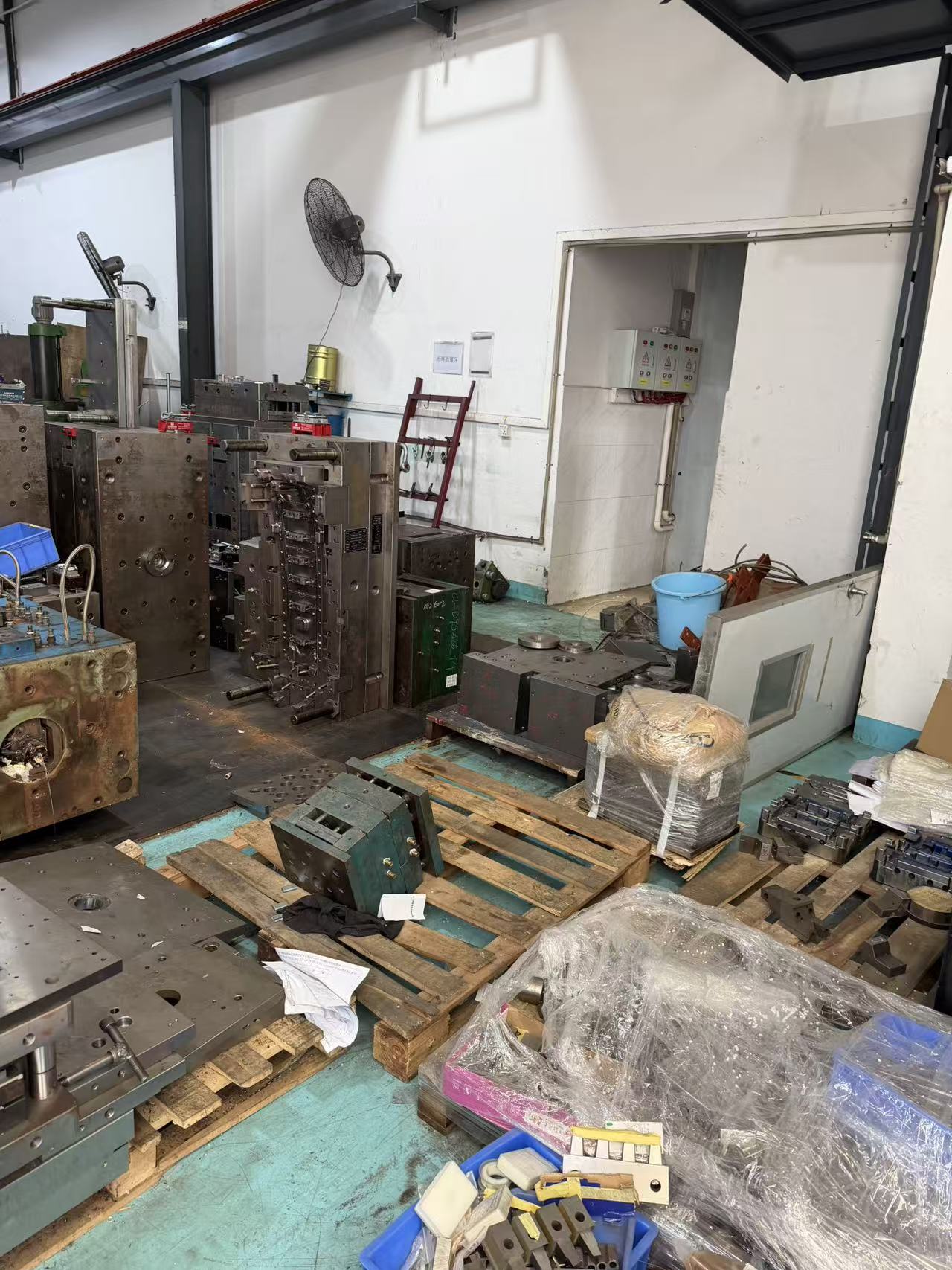
The manufacturing landscape has shifted dramatically in recent years, and plastic mold manufacturers are at the forefront of this transformation. From digital design tools to advanced material science, plastic mold manufacturers now operate with a level of precision and speed that was unimaginable just two decades ago. Understanding what technologies define today's leading plastic mold manufacturers helps buyers, engineers, and procurement teams make smarter sourcing decisions.
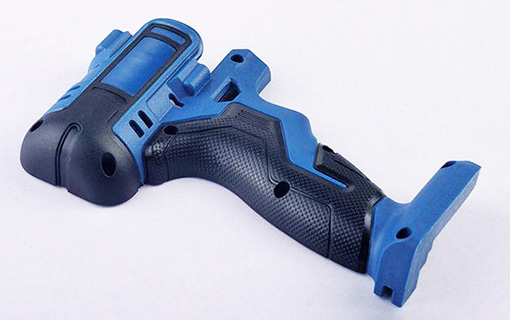
What separates standard suppliers from truly advanced plastic mold manufacturers is not just equipment — it is the integration of multiple technologies working in concert. Today's plastic mold manufacturers invest heavily in software, automation, and quality systems that together raise the bar for what is achievable in mold-based production. This article explores the core technologies that define advanced plastic mold manufacturers in the current industrial environment.
Digital Design and Simulation Technologies
CAD and CAM Software in Modern Mold Design
Advanced plastic mold manufacturers rely on sophisticated Computer-Aided Design and Computer-Aided Manufacturing software to engineer molds with exceptional dimensional accuracy. These platforms allow plastic mold manufacturers to model complex geometries, optimize gate and runner systems, and detect potential design flaws before any physical tooling begins. The result is fewer design iterations and a significantly compressed development timeline.
Leading plastic mold manufacturers integrate CAD directly with downstream manufacturing processes, creating a seamless digital thread from concept to production. This connectivity means that changes made in the design phase are automatically reflected in the machining instructions, reducing human error and ensuring that plastic mold manufacturers can maintain consistent quality across multiple production runs.
Mold Flow Analysis and Process Simulation
Mold flow analysis is one of the most powerful tools available to plastic mold manufacturers today. By simulating how molten plastic behaves inside a mold cavity, plastic mold manufacturers can predict fill patterns, identify weld lines, spot air traps, and optimize cooling channel placement before a single tool is cut. This predictive capability saves both time and cost for plastic mold manufacturers and their clients.
Process simulation also allows plastic mold manufacturers to test different material grades virtually, shortening the qualification process for new product launches. When plastic mold manufacturers use simulation data to guide tooling decisions, they reduce the risk of costly remachining and eliminate many trial-and-error cycles that previously added weeks to project timelines.
Precision Machining and Additive Manufacturing
High-Speed CNC Machining Centers
High-speed CNC machining is a cornerstone technology for plastic mold manufacturers who demand tight tolerances and smooth surface finishes. Modern machining centers used by plastic mold manufacturers are capable of multi-axis simultaneous cutting, which enables complex mold geometries that older three-axis machines simply could not achieve. Plastic mold manufacturers use these systems to produce cores, cavities, and lifters with micron-level precision.
The adoption of high-speed spindles and advanced cutting tool materials has allowed plastic mold manufacturers to machine hardened tool steel more efficiently than ever before. Plastic mold manufacturers that invest in these capabilities can deliver tighter cavity tolerances, longer mold life, and better part consistency — factors that directly impact the total cost of ownership for their customers.
Additive Manufacturing and Conformal Cooling
Metal additive manufacturing, often called 3D printing for metal, has opened new possibilities for plastic mold manufacturers seeking to improve cycle times through conformal cooling. Unlike conventional straight-drilled cooling channels, conformal cooling channels follow the contour of the mold cavity, allowing plastic mold manufacturers to remove heat more uniformly and rapidly. This technology reduces warpage and shrinkage in finished parts.
Plastic mold manufacturers that combine additive manufacturing with traditional machining can build hybrid mold inserts that were previously impossible to produce. The ability to create internal cooling geometries gives plastic mold manufacturers a competitive edge, especially in high-volume production environments where even a small reduction in cycle time translates into significant cost savings over millions of parts.
Automation, Measurement, and Quality Control
Automated Injection Molding and Robotics
The most competitive plastic mold manufacturers today integrate robotic automation into their production cells to improve throughput, reduce labor dependency, and ensure repeatable output. Robots assist plastic mold manufacturers with part removal, gate trimming, assembly, and inspection tasks, making it possible to run production cells with minimal human intervention. Plastic mold manufacturers that deploy automation can respond to higher-volume orders without proportionally increasing overhead costs.
Smart injection molding machines used by advanced plastic mold manufacturers communicate with upstream and downstream equipment through industrial connectivity protocols. This means plastic mold manufacturers can monitor process parameters in real time, make automatic adjustments, and capture data for traceability purposes. Connectivity-enabled production is becoming a standard expectation for plastic mold manufacturers serving regulated industries such as medical devices and automotive.
Coordinate Measuring Machines and Optical Inspection
Dimensional verification is critical for plastic mold manufacturers who serve precision-driven markets. Coordinate Measuring Machines allow plastic mold manufacturers to verify mold and part dimensions with submicron accuracy, confirming that tooling meets specification before it reaches production. Plastic mold manufacturers that maintain in-house metrology capabilities can catch deviations early, reducing costly rework and scrap.
Optical inspection systems and structured-light scanners give plastic mold manufacturers the ability to perform full-surface comparisons between as-built parts and CAD models. These tools are especially valuable for plastic mold manufacturers working with complex organic shapes or consumer product surfaces where aesthetic quality is as important as dimensional accuracy. Combining measurement technologies allows plastic mold manufacturers to deliver verified, traceable quality documentation with every shipment.
FAQ
What software tools do plastic mold manufacturers commonly use?
Most advanced plastic mold manufacturers use a combination of CAD platforms for design, CAM software for machining, and mold flow analysis tools for simulation. These integrated systems allow plastic mold manufacturers to design, validate, and manufacture molds with greater efficiency and accuracy than manual methods allow.
How does conformal cooling benefit plastic mold manufacturers?
Conformal cooling allows plastic mold manufacturers to place cooling channels closer to the mold cavity surface, resulting in faster and more uniform heat removal. Plastic mold manufacturers who adopt this approach typically see shorter cycle times, fewer defects, and better dimensional stability in finished parts compared to traditional cooling methods.
Why do plastic mold manufacturers invest in automation?
Automation helps plastic mold manufacturers improve output consistency, reduce labor costs, and scale production without sacrificing quality. For plastic mold manufacturers serving high-volume markets, robotic integration and smart machine connectivity are essential to staying competitive while meeting strict quality and delivery requirements.
