
 EN
EN
Selecting the right injection mold manufacturer is one of the most consequential decisions a business can make in product development. The quality of the mold directly determines part accuracy, production efficiency, and long-term manufacturing costs. With so many options available globally, businesses often struggle to distinguish a capable injection mold manufacturer from one that simply offers the lowest quote. A structured, criteria-driven approach is essential to making a choice that supports both current projects and future growth.
The process of choosing the right injection mold manufacturer goes beyond comparing price lists. Businesses must evaluate technical depth, quality management systems, communication reliability, and the manufacturer's track record with similar part geometries and materials. Whether you are sourcing molds for consumer electronics, automotive components, or medical devices, understanding how each injection mold manufacturer operates will save your organization from costly delays, rework cycles, and supply chain disruptions down the line.
Technical Capability and Equipment Standards
Assessing Mold Design and Engineering Expertise
A qualified injection mold manufacturer must demonstrate strong in-house engineering capabilities before production even begins. This includes mold flow analysis, DFM (design for manufacturability) reviews, and the ability to work with complex geometries such as undercuts, thin walls, or multi-cavity configurations. When evaluating an injection mold manufacturer, request evidence of past mold designs that closely match your part's complexity. A manufacturer that proactively identifies design risks early in the quoting stage is far more valuable than one that simply accepts drawings without feedback.
An experienced injection mold manufacturer will also be transparent about tooling steel selection, cavity surface finishes, and expected mold lifespan. These factors directly affect the total cost of ownership. Cheap tooling steel may reduce upfront cost but significantly shorten mold life, leading to higher replacement expenses over the product lifecycle. A credible injection mold manufacturer provides clear documentation on material grades and maintenance schedules so you can plan accordingly.
Machinery, Tolerances, and Production Scope
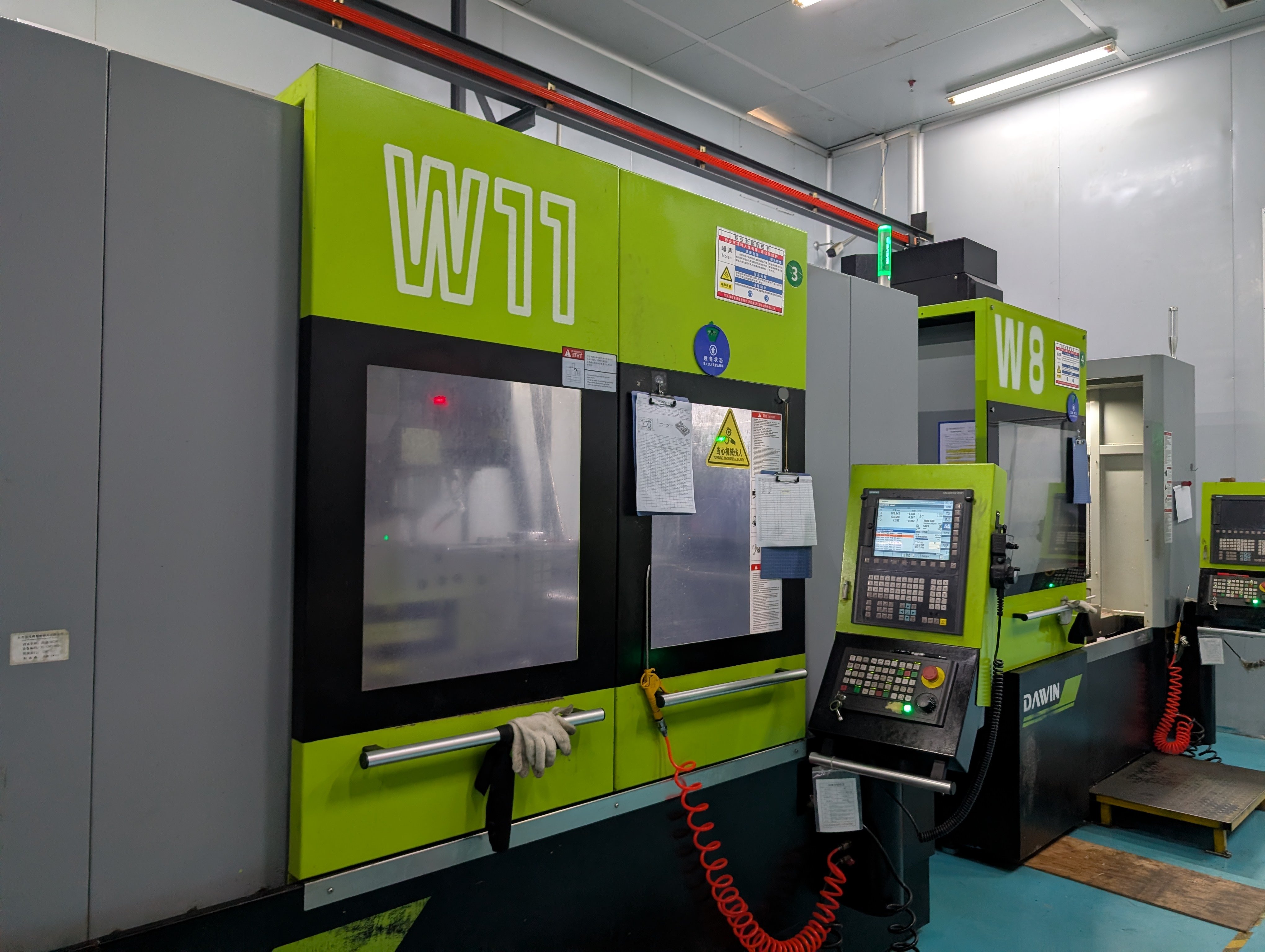
The physical capabilities of an injection mold manufacturer are reflected in its machinery roster and measurable tolerance achievements. CNC machining centers, EDM equipment, and CMM inspection tools are standard indicators of a serious injection mold manufacturer. Ask about the tightest tolerances the facility has consistently achieved and request dimensional inspection reports from previous projects. An injection mold manufacturer with modern equipment and documented quality data gives you much stronger confidence than one relying on verbal assurances alone.
Quality Systems and Compliance Standards
Certifications and Process Controls
Quality management certification is a baseline requirement when selecting an injection mold manufacturer for regulated or high-performance industries. ISO 9001 certification indicates that the injection mold manufacturer follows documented processes for design control, production traceability, corrective actions, and continuous improvement. For medical or automotive applications, additional certifications such as ISO 13485 or IATF 16949 may be required. Always verify that a prospective injection mold manufacturer holds current, audited certifications rather than outdated or unverified documents.
Beyond certifications, examine how an injection mold manufacturer handles non-conformances and first-article inspections. A disciplined injection mold manufacturer will follow a formal FAIR (first article inspection report) process and maintain detailed records of all deviations from specification. This level of process rigor is what separates a reliable injection mold manufacturer from one that delivers inconsistent results across production runs. Businesses that skip this evaluation step often encounter quality issues only after tooling has been committed and production has started.
Material Traceability and Testing Practices
A trustworthy injection mold manufacturer maintains clear traceability for all materials used in mold construction. This includes certified material test reports (MTRs) for tooling steel and any secondary materials used in mold assembly. When a business works with an injection mold manufacturer that maintains full material traceability, it becomes far easier to diagnose problems, support warranty claims, and satisfy regulatory audits. Ask any candidate injection mold manufacturer directly about their material documentation process and how records are stored and shared with clients.
Communication, Lead Times, and Partnership Value
Responsiveness and Project Transparency
Technical skill alone does not make an injection mold manufacturer the right partner for your business. Communication quality is equally critical. A dependable injection mold manufacturer responds promptly to RFQs, provides clear milestone schedules, and proactively flags potential delays or design concerns before they escalate. During your evaluation, pay close attention to how quickly and thoroughly each injection mold manufacturer responds to your initial inquiry. The communication pattern at the quoting stage tends to reflect how the relationship will function throughout the project lifecycle.
Businesses that operate across time zones or language barriers should also assess whether the injection mold manufacturer has dedicated project managers or bilingual technical staff. Miscommunication in mold development can result in costly design revisions or tooling scraps. Choosing an injection mold manufacturer with a clearly defined communication structure reduces this risk significantly and supports smoother project execution from kickoff to delivery.
Lead Time Commitments and After-Sales Support
Realistic lead time commitments reflect the operational maturity of any injection mold manufacturer. An injection mold manufacturer that overpromises on timelines without capacity analysis creates scheduling risks for your entire production program. Evaluate how each injection mold manufacturer tracks tooling progress and communicates schedule updates. Strong after-sales support, including mold maintenance services, spare parts availability, and modification capabilities, is another indicator of an injection mold manufacturer committed to a long-term client relationship rather than a one-time transaction.
FAQ
What is the most important factor when choosing an injection mold manufacturer?
The most important factor is the injection mold manufacturer's proven technical capability matched to your specific part requirements. Certifications, quality systems, and communication reliability are all critical, but the ability to produce your exact geometry consistently within tolerance is the foundation of a successful partnership with any injection mold manufacturer.
How can I verify the quality of an injection mold manufacturer before committing?
Request sample inspection reports, visit the facility if possible, and ask the injection mold manufacturer for references from clients with similar projects. Reviewing actual dimensional data and process documentation gives far more reliable insight into an injection mold manufacturer's quality performance than marketing materials alone.
Is price the best way to compare injection mold manufacturer options?
Price is one factor but should never be the primary selection criterion. A lower-priced injection mold manufacturer may use inferior tooling materials, lack robust quality controls, or have limited engineering support. Total cost of ownership, which includes mold lifespan, rework risk, and support quality, gives a far more accurate picture of the value any injection mold manufacturer delivers over time.
