
 EN
EN
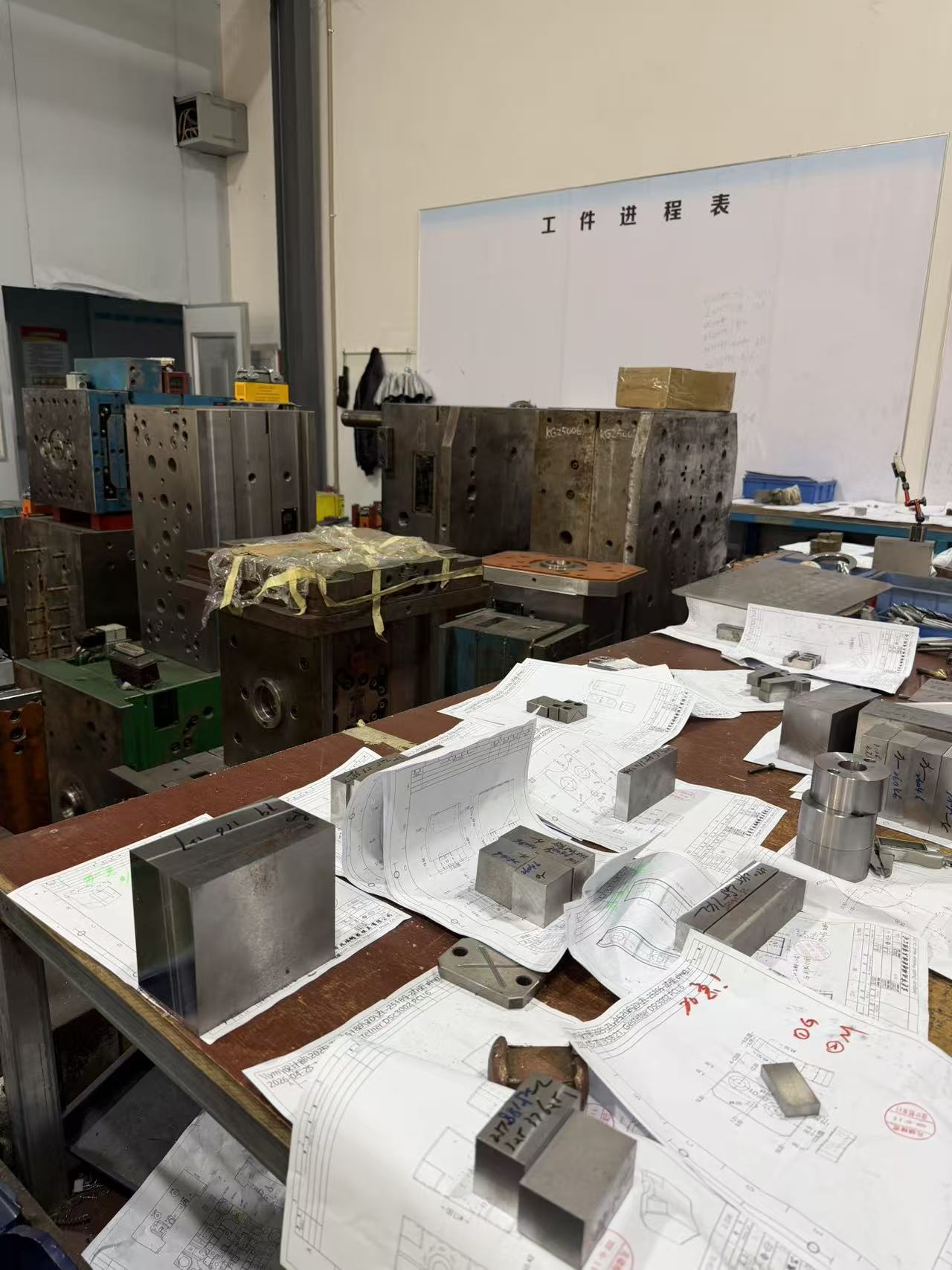
Choosing the right injection mold maker is one of the most consequential decisions a global buyer can make. Whether you are sourcing tooling for consumer electronics, automotive components, or medical devices, the quality and reliability of your injection mold maker will directly determine product consistency, production timelines, and total cost of ownership. With so many suppliers operating across global manufacturing hubs, buyers need a systematic approach to distinguish genuinely capable partners from those who simply present well on paper.
Global buyers evaluate an injection mold maker through multiple lenses, including technical capability, process transparency, certifications, and track record. This article breaks down the core evaluation criteria that experienced procurement professionals and product engineers use when vetting an injection mold maker for long-term sourcing partnerships. Understanding these criteria helps buyers ask sharper questions, avoid costly mistakes, and build supplier relationships that consistently deliver on expectations.
Technical Capability of an Injection Mold Maker
Tooling Design and Engineering Depth
A capable injection mold maker must demonstrate strong in-house tooling design competency. Buyers should request evidence of DFM, or Design for Manufacturability, analysis, which shows that the injection mold maker actively evaluates part geometry for moldability before cutting steel. An injection mold maker that performs rigorous DFM reviews reduces costly redesign cycles and catches tolerance issues early. This engineering depth is a strong signal that the supplier thinks beyond simply following drawings and actively contributes to product success.
Mold flow simulation is another technical indicator buyers rely on. When an injection mold maker uses simulation software to predict fill patterns, warpage, and cooling efficiency, it demonstrates a proactive approach to quality. Buyers should ask whether the injection mold maker runs mold flow analysis as a standard practice or only on request. Suppliers that integrate simulation into every project are far less likely to deliver molds that require extensive rework during qualification trials.
Equipment and Precision Machining Standards
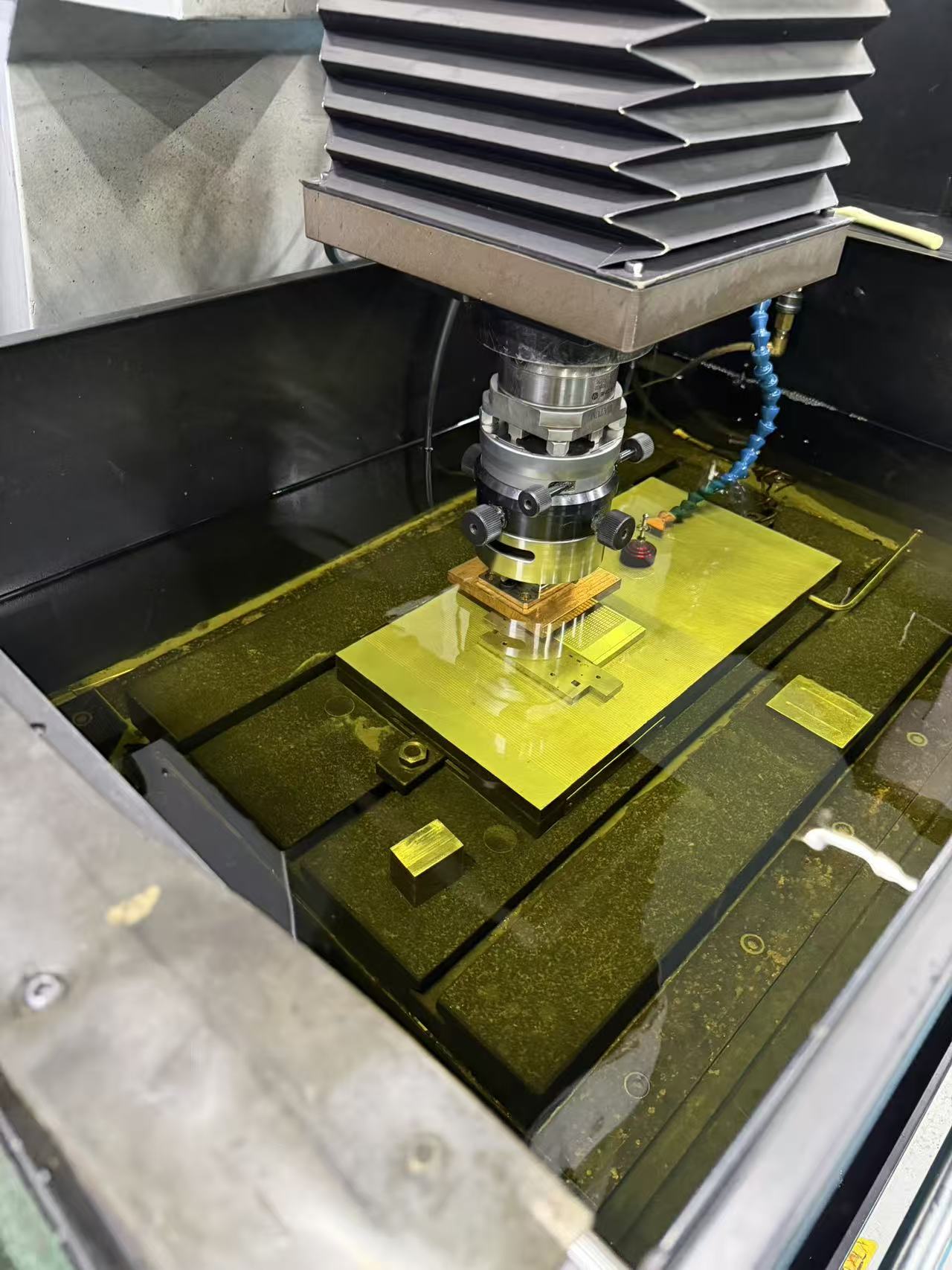
The machining infrastructure of an injection mold maker reveals much about its practical capability. High-precision CNC machining centers, EDM equipment, and coordinate measuring machines are baseline indicators that an injection mold maker can hold tight tolerances. Buyers should ask for a plant capability overview and, where possible, conduct factory audits to observe the condition and maintenance standards of equipment. An injection mold maker that invests in modern machinery and keeps it well-maintained consistently produces molds with better dimensional accuracy and longer service life.
Quality Systems and Certifications
ISO Certification and Process Documentation
A reliable injection mold maker will hold recognized quality certifications such as ISO 9001, which confirms that documented processes govern every stage from order intake to mold delivery. Certification alone does not guarantee quality, but it signals that the injection mold maker has built structured workflows and conducts internal audits. Buyers should go beyond asking whether the injection mold maker is certified and instead request recent audit reports or corrective action records, which reveal how the supplier identifies and resolves quality deviations.
Process documentation is equally important. A trustworthy injection mold maker maintains detailed inspection records, first article inspection reports, and material traceability documentation. When a buyer receives a completed mold from the injection mold maker, these documents serve as proof that the tool was built to specification and that every critical dimension was verified. Suppliers who resist sharing process documentation are often masking inconsistent quality control practices.
Trial Results and Mold Qualification Standards
Mold qualification is a defining moment in the buyer-supplier relationship. A professional injection mold maker follows a structured qualification sequence that typically includes T1, T2, and final acceptance trials, each with clearly defined pass criteria. Buyers should confirm that the injection mold maker documents each trial with dimensional reports, short-shot analysis, and part weight data. An injection mold maker that provides complete trial documentation gives buyers the confidence that the mold is ready for production, not just visually acceptable.
Communication, Lead Time, and Partnership Reliability
Responsiveness and Project Transparency
Global buyers frequently cite communication as one of the most critical factors when evaluating an injection mold maker. An injection mold maker that provides regular project updates, flags risks proactively, and responds to technical questions with clarity demonstrates the kind of partnership behavior that sustains long-term sourcing relationships. Buyers should evaluate communication quality during the quoting phase, since the responsiveness and technical depth of a quotation often mirrors how the injection mold maker will behave throughout the project.
Transparency in scheduling is equally valued. A dependable injection mold maker provides a detailed project timeline with clear milestones for steel procurement, roughing, finishing, assembly, and trial dates. When timelines shift, a reliable injection mold maker communicates changes early and explains the root cause. Buyers who have been burned by vague delivery promises understand that schedule transparency from an injection mold maker is not optional — it is a baseline professional standard.
After-Sales Support and Mold Maintenance Commitment
The relationship with an injection mold maker does not end at mold delivery. Buyers should evaluate what warranty terms and maintenance support the injection mold maker offers. A credible injection mold maker stands behind the mold with defined warranty coverage for tooling defects and commits to supporting engineering changes as product designs evolve. Long-term buyers often prioritize injection mold maker partners who demonstrate readiness to service tools, perform preventive maintenance, and respond quickly when production issues arise in the field.
FAQ
What certifications should a reliable injection mold maker hold?
A reliable injection mold maker should hold at minimum ISO 9001 certification, which confirms documented quality management processes. Depending on the industry, buyers may also look for an injection mold maker with IATF 16949 certification for automotive applications or ISO 13485 for medical device tooling. These certifications confirm that the injection mold maker operates within structured, auditable quality frameworks.
How do global buyers verify an injection mold maker's actual capability?
Beyond reviewing certificates and portfolios, buyers verify an injection mold maker's capability through factory audits, sample part inspections, and reference checks with existing customers. Requesting DFM reports, mold flow simulation outputs, and first article inspection records from a previous project gives buyers concrete technical evidence of what the injection mold maker can actually deliver.
Why does communication quality matter when selecting an injection mold maker?
Poor communication from an injection mold maker leads to misaligned expectations, delayed projects, and costly rework. Global buyers working across time zones depend on an injection mold maker that responds promptly, provides proactive updates, and escalates risks early. Communication quality is often the clearest predictor of whether the overall project experience with an injection mold maker will be smooth or frustrating.
