
 EN
EN
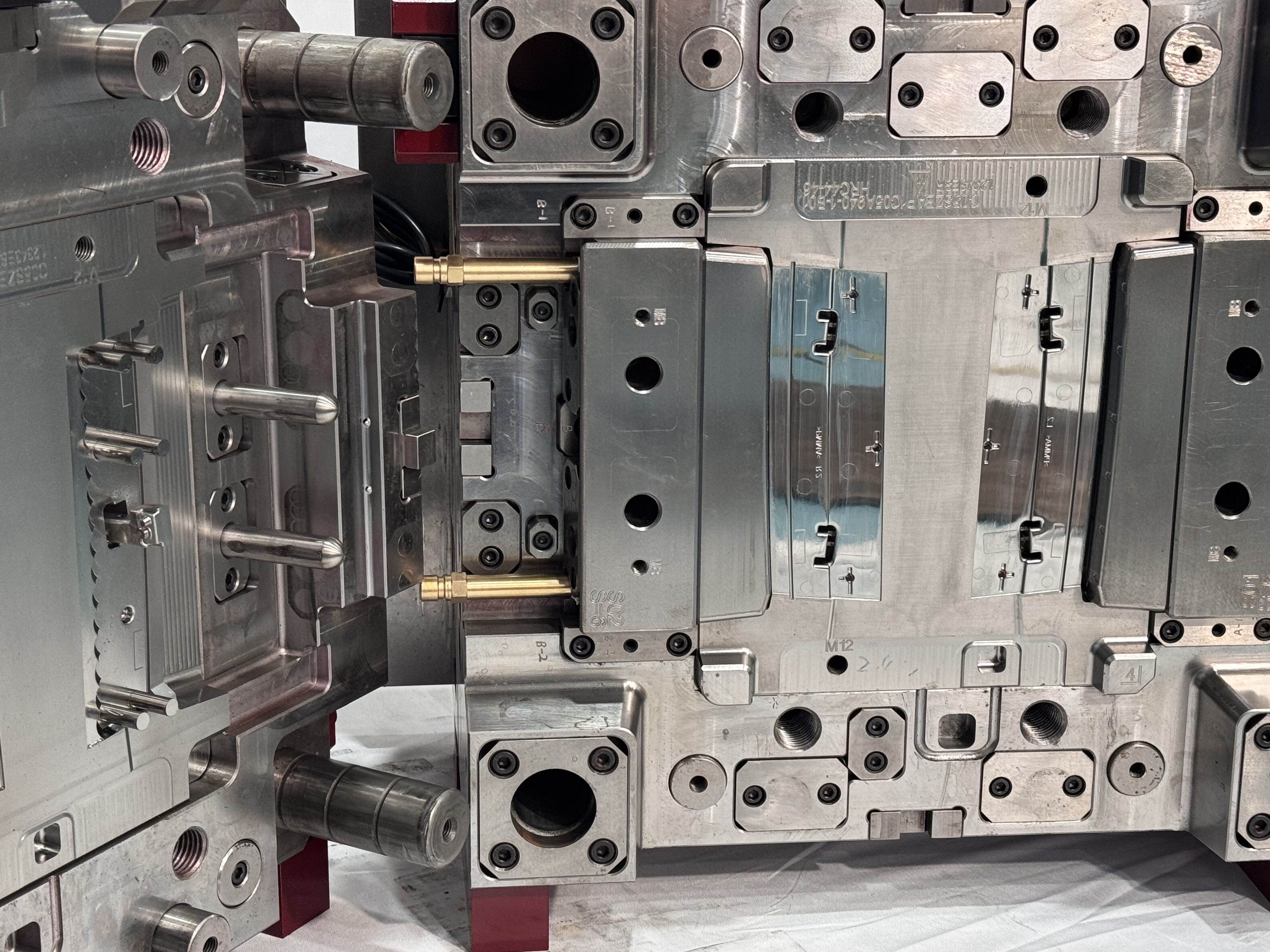
When a product requires a highly specific shape, material behavior, or dimensional tolerance, every decision made during tooling development becomes critical. An injection mold maker plays a central role in translating complex design intent into a functional, repeatable manufacturing process. Understanding exactly how this support works helps engineering teams and procurement managers make smarter decisions from the earliest project stage.
A skilled injection mold maker does far more than machine steel cavities. From reviewing design files for manufacturability to coordinating material selection and post-mold finishing, the injection mold maker acts as a technical partner throughout the entire custom project lifecycle. This article explains precisely how that partnership works and what clients should expect at each stage.
Design Review and Manufacturability Analysis
Evaluating the Customer Design File
The process begins when the injection mold maker receives a 3D CAD model or detailed 2D drawing from the client. At this stage, the injection mold maker performs a thorough design-for-manufacturability review, examining wall thickness consistency, draft angles, undercuts, and gate placement. These factors directly influence whether the final part can be ejected cleanly, fill evenly, and maintain dimensional accuracy across high-volume production runs. An experienced injection mold maker will flag potential issues before any steel is cut, saving the client both time and tooling cost.
During this review, the injection mold maker also evaluates parting line placement and considers how the tool will open and close during each cycle. Poorly planned parting lines lead to flash, surface defects, and unacceptable cosmetic results. A professional injection mold maker communicates these findings clearly, often providing annotated drawings or digital feedback reports so the design team can revise accordingly.
Recommending Design Modifications
Not every customer design arrives in moldable form. The injection mold maker frequently recommends modifications to wall sections, rib configurations, or snap-fit geometries to improve moldability without compromising the product's functional intent. This collaborative stage is where the injection mold maker's deep process knowledge adds measurable value. Rather than simply executing instructions, a capable injection mold maker actively improves the design outcome by drawing on experience with similar projects and materials.
Tool Engineering and Custom Mold Construction
Translating Design into Tooling Geometry
Once the design is validated, the injection mold maker moves into the engineering and machining phase. Custom tooling requires precise CNC milling, EDM processing, and grinding of mold steel to produce core and cavity geometries that match the approved design. The injection mold maker selects appropriate steel grades based on the expected production volume, material abrasiveness, and surface finish requirements. A high-volume run demands harder, more wear-resistant steel, while a lower-volume prototype tool may use a softer, more machinable grade to reduce lead time and cost.
The injection mold maker also engineers the cooling system layout, which directly affects cycle time and part quality. Strategic placement of cooling channels ensures even heat dissipation across the mold cavity, reducing warpage and dimensional variation. An injection mold maker with strong thermal engineering capability can dramatically improve production efficiency through intelligent cooling design, which is especially important for parts with thick sections or asymmetric geometries.
Building Overmold and Insert Capabilities
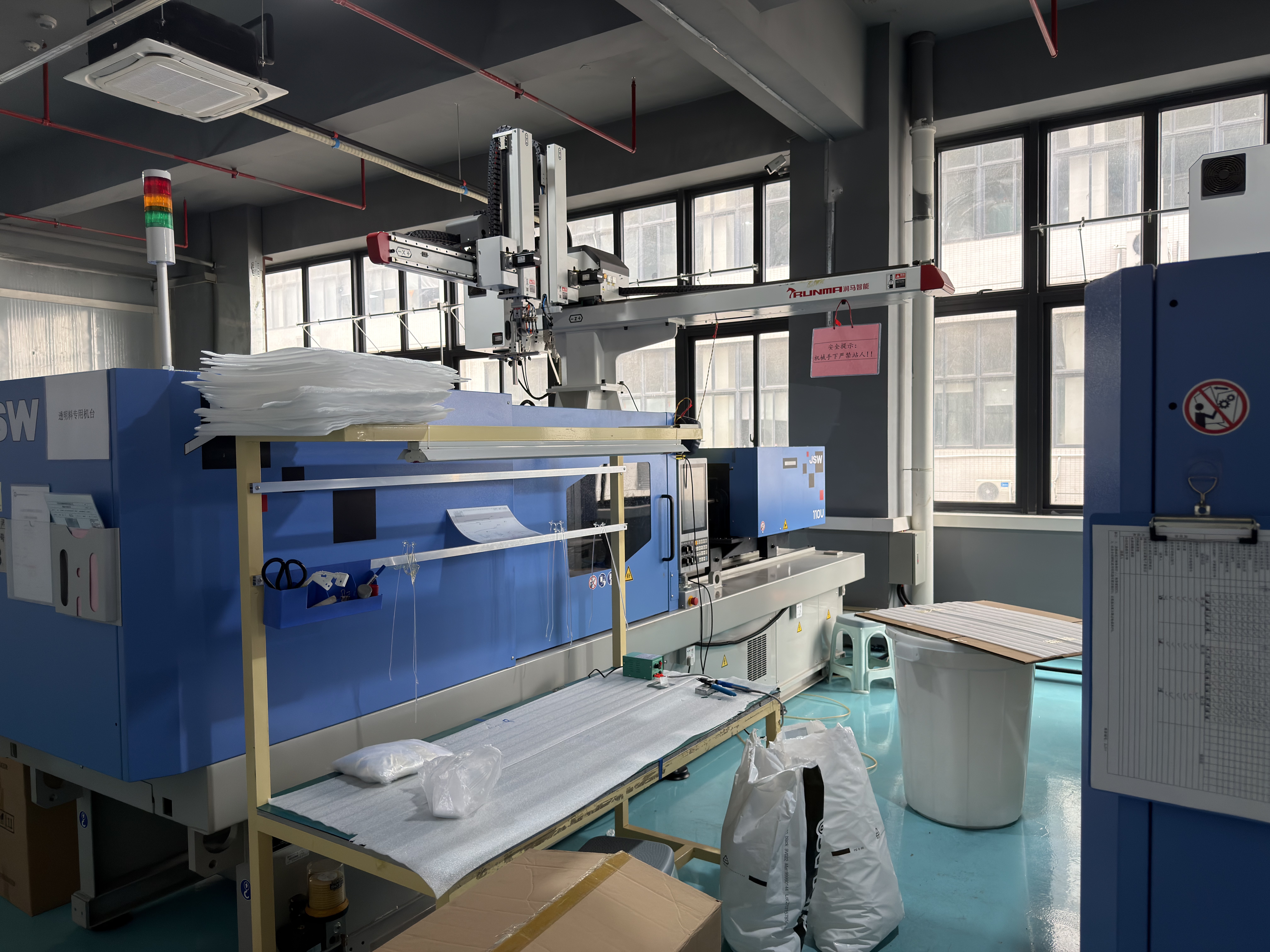
Many custom design requirements involve overmolding or insert molding, where a second material or a pre-placed component is encapsulated within the molded part. The injection mold maker must design the tool to accommodate precise insert positioning, secure retention during injection, and clean bonding between materials. This level of complexity demands that the injection mold maker understands both the mechanical and chemical compatibility of the materials involved. A qualified injection mold maker will conduct trials and validate bond strength before releasing the tool for production.
Sampling, Validation, and Production Support
First Article Inspection and Trial Shots
After the mold is built, the injection mold maker conducts initial trial shots to verify that the part fills completely, dimensions meet tolerance specifications, and surface quality matches the approved standard. The injection mold maker documents the processing parameters used during each trial, creating a baseline that supports consistent production. Any deviations identified during first article inspection are addressed through mold adjustments, gate modifications, or process tuning. A responsible injection mold maker does not release a tool to production until all critical dimensions and cosmetic criteria are confirmed acceptable.
This validation phase is where the injection mold maker's technical rigor becomes most visible to the client. Clear communication about trial results, adjustment timelines, and expected final performance builds trust and sets realistic production expectations. The injection mold maker should provide full inspection reports, measurement data, and sample parts for the client's own evaluation and approval.
Ongoing Tool Maintenance and Modification Support
Custom product designs often evolve after initial launch, and the injection mold maker must support design changes without requiring a completely new tool. An experienced injection mold maker maintains detailed records of the original tool design and can implement targeted modifications such as cavity inserts, revised gate positions, or altered surface textures. This flexibility is a key competitive advantage of working with a capable injection mold maker. Clients gain a long-term tooling partner who understands the product history and can respond efficiently to engineering change orders.
FAQ
What information should I provide to an injection mold maker for a custom project?
You should provide the injection mold maker with complete 3D CAD files, material specifications, dimensional tolerances, expected annual production volumes, and any surface finish or cosmetic requirements. The more detail you supply, the more accurately the injection mold maker can assess complexity, lead time, and tooling cost.
How long does it take an injection mold maker to build a custom mold?
Lead times vary based on mold complexity, steel selection, and the injection mold maker's current workload. A standard single-cavity prototype tool may take three to five weeks, while a complex multi-cavity production tool built by an injection mold maker could require eight to fourteen weeks or more, including sampling and validation.
Can an injection mold maker handle both prototyping and full production tooling?
Yes. Many full-service injection mold maker operations offer both prototype-grade and production-grade tooling under one roof. Working with the same injection mold maker across both stages ensures design continuity, consistent process knowledge, and smoother transitions from development to high-volume manufacturing.
