
 EN
EN
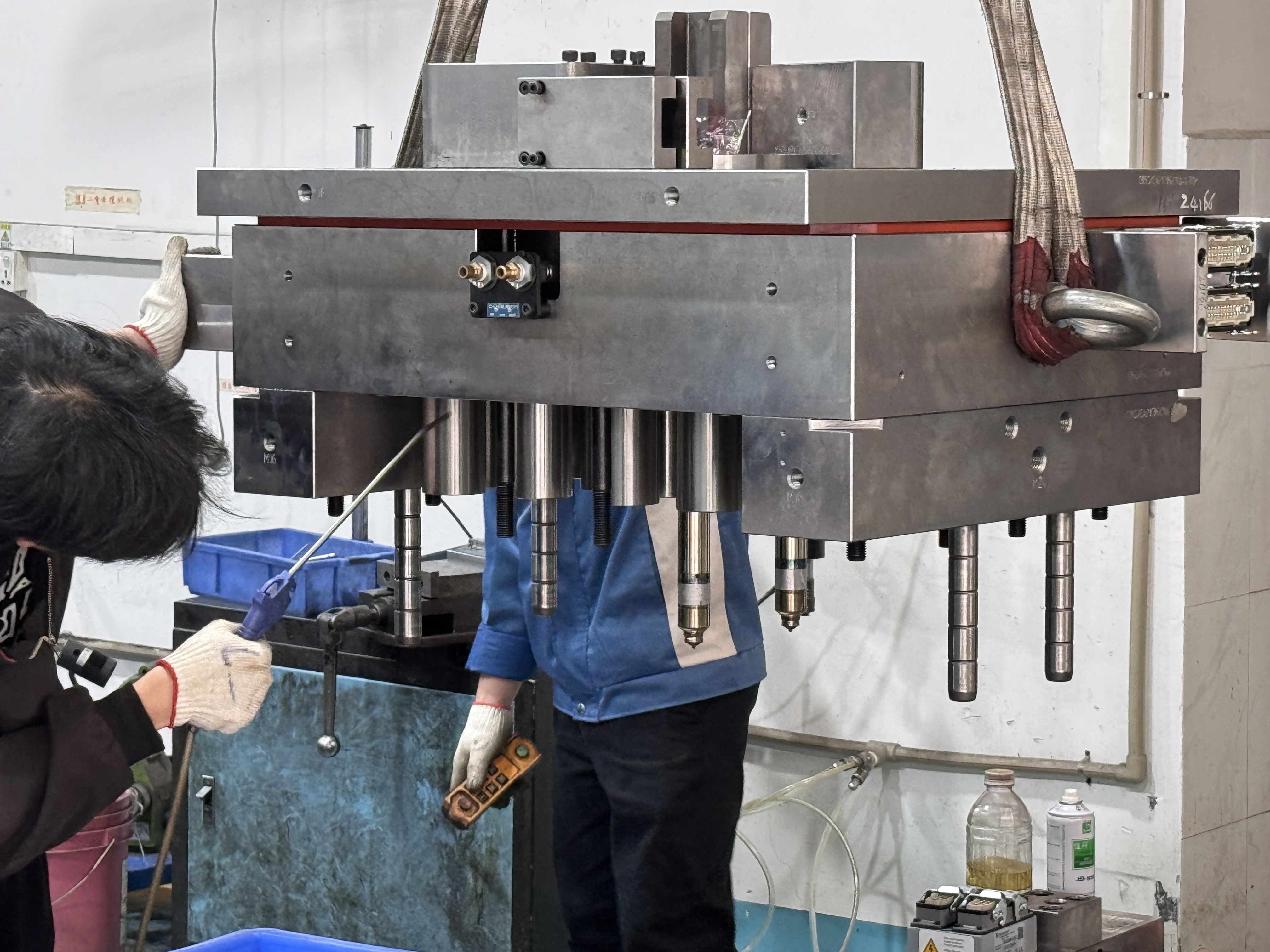
Choosing the right injection mold maker is one of the most consequential decisions a product manufacturer can make. The quality, repeatability, and cost-efficiency of every molded part depend directly on the capabilities of the injection mold maker behind the tooling. As manufacturing standards have grown more demanding, the definition of a truly capable injection mold maker has expanded well beyond simply cutting steel and running trials.
Today, a high-quality injection mold maker must combine advanced engineering knowledge, rigorous process controls, responsive communication, and a results-driven culture. Whether you are sourcing tooling for consumer electronics, automotive components, or medical devices, understanding what capabilities separate an outstanding injection mold maker from an average one will help you make smarter, better-informed sourcing decisions. This article breaks down the defining traits of a world-class injection mold maker operating in today's competitive landscape.
Engineering and Design Capabilities of a Top Injection Mold Maker
Advanced Design for Manufacturability
A skilled injection mold maker does not simply receive a part drawing and begin machining. A capable injection mold maker starts by analyzing the part geometry for manufacturability, identifying potential issues like undercuts, thin walls, or non-uniform wall thickness before any steel is cut. This design for manufacturability review is one of the clearest signs that an injection mold maker takes long-term tooling performance seriously. An injection mold maker that invests in DFM analysis reduces costly revisions downstream and delivers molds that produce consistent, defect-free parts from the very first shot.
The best injection mold maker teams also use mold flow simulation software to predict how molten resin will fill a cavity, where weld lines will form, and where sink marks or warpage risks may arise. This predictive engineering capability allows the injection mold maker to refine gate placement, cooling channel design, and parting line strategy before committing to machining. An injection mold maker with strong simulation competency shortens development cycles while improving first-article success rates significantly.
Precision Machining and Toolroom Standards
At the core of every reliable injection mold maker operation is a well-equipped toolroom. A serious injection mold maker maintains CNC machining centers, EDM equipment, high-speed milling machines, and precision grinding systems that hold tight tolerances consistently. The machining accuracy an injection mold maker achieves directly determines how well mold components fit together, how uniform parting line flash will be, and how long the mold will survive high-volume production. An injection mold maker that runs older, poorly maintained equipment will deliver inconsistent cavity dimensions regardless of how strong their engineering team is.
Quality Systems That Define a Reliable Injection Mold Maker
Inspection, Measurement, and First Article Validation
A high-quality injection mold maker operates under a structured quality management system that governs every stage of mold production. From incoming steel inspection to final mold qualification, the injection mold maker must document dimensional results, surface finish standards, and trial outcomes with transparency. A credible injection mold maker uses coordinate measuring machines, optical comparators, and surface profilometers to verify that machined components meet drawing tolerances before assembly. This discipline separates a professional injection mold maker from shops that rely on visual inspection alone.
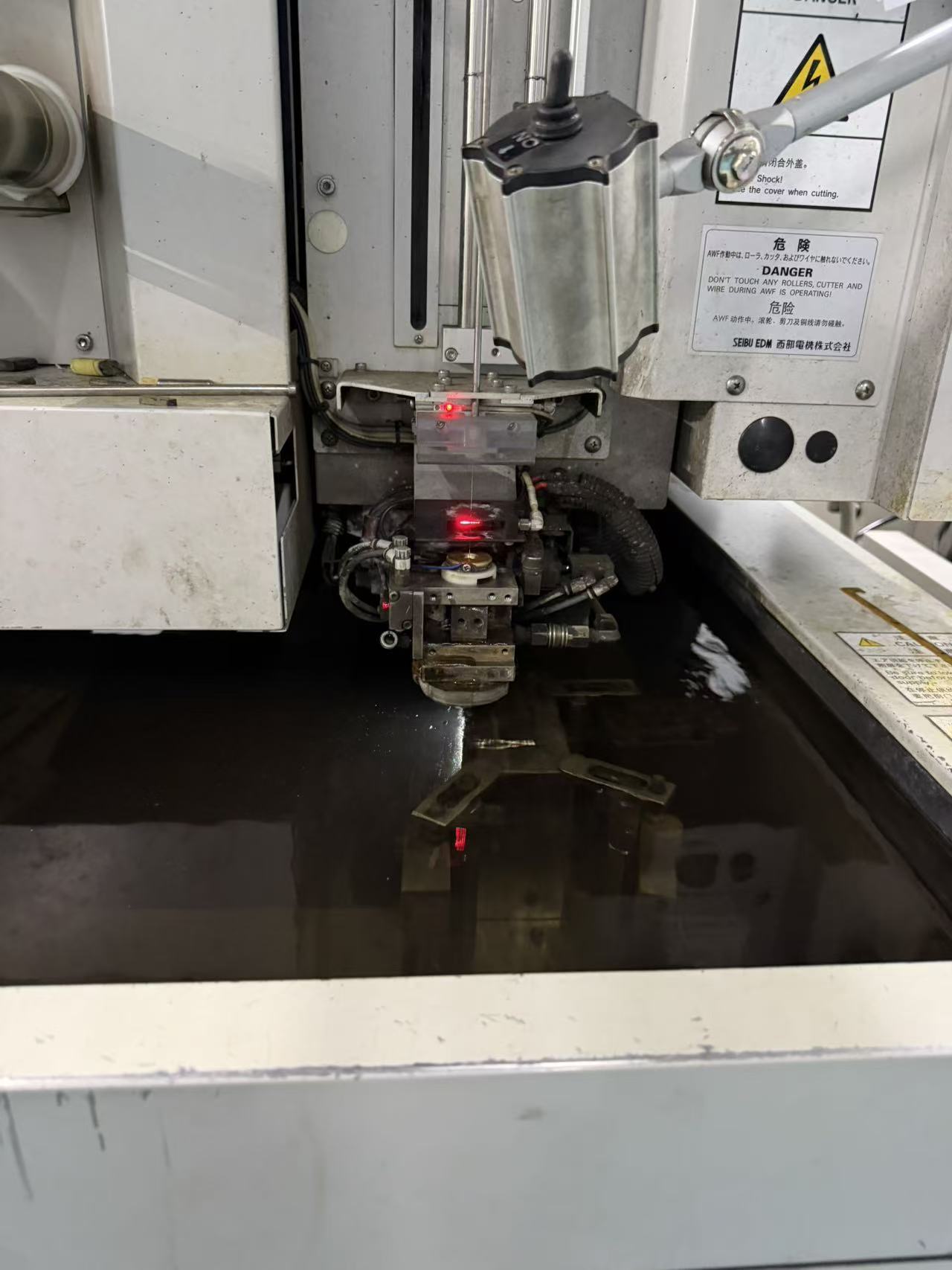
The first article inspection process is a defining milestone for any injection mold maker. When a new mold runs its first production-intent shots, the injection mold maker must measure molded parts against the customer's specifications and document results in a formal report. An injection mold maker that follows a structured first article process catches dimensional deviations early, enabling faster corrective action and a smoother handover to production. Buyers should always ask a prospective injection mold maker to share sample first article reports to evaluate how thoroughly they document quality data.
Process Repeatability and Mold Maintenance Programs
A great injection mold maker understands that quality does not stop at mold delivery. The injection mold maker should provide preventive maintenance schedules, mold storage protocols, and clear guidance on service intervals so production teams can maintain mold performance over time. An injection mold maker that builds molds with standardized components, accessible cooling circuits, and well-documented processing windows makes it far easier for the end user to sustain consistent output. Process repeatability is a direct reflection of how thoughtfully the injection mold maker approached the original design and build.
Communication and Project Management Skills in an Injection Mold Maker
Responsive Collaboration Throughout the Project Lifecycle
Technical competence alone does not make a great injection mold maker. An injection mold maker must also demonstrate clear, proactive communication at every project stage. From the initial quotation through DFM review, tooling construction, sampling, and final sign-off, the injection mold maker should keep the customer informed with timely status updates and transparent reporting. Many project delays and budget overruns in tooling programs occur not because of machining failures but because the injection mold maker failed to flag emerging issues early enough for the customer to respond effectively.
A capable injection mold maker assigns a dedicated project manager or technical coordinator who owns communication responsibilities across internal departments and with the customer. This person ensures the injection mold maker's machining, quality, and sampling teams are aligned on schedule commitments and customer requirements. When evaluating an injection mold maker, ask how they handle change requests, what their escalation process looks like, and how they document approvals. An injection mold maker that cannot answer these questions clearly is unlikely to meet the demands of a complex tooling program.
On-Time Delivery and Tooling Lifecycle Support
Delivery reliability is a critical differentiator between a good injection mold maker and an exceptional one. The best injection mold maker builds realistic schedules, tracks milestones rigorously, and communicates honestly when risks to the timeline emerge. An injection mold maker that routinely delivers on time builds trust, reduces launch risk, and lowers the total cost of tooling ownership. Beyond initial delivery, the injection mold maker should offer ongoing support including mold repair, cavity modifications, and spare parts management to protect the customer's long-term investment.
FAQ
What should I look for when selecting an injection mold maker?
When selecting an injection mold maker, prioritize engineering capabilities such as DFM analysis and mold flow simulation, verified quality systems including CMM inspection and first article reporting, and a track record of on-time delivery. A trustworthy injection mold maker will share references and sample documentation freely.
How does an injection mold maker ensure part quality from a new mold?
A qualified injection mold maker ensures part quality by conducting mold flow analysis during design, performing precision machining to tight tolerances, and completing a formal first article inspection after the initial sampling run. The injection mold maker documents all results and addresses deviations before approving the mold for production.
Why does communication matter when working with an injection mold maker?
Communication matters because tooling programs involve many decision points where delays or misalignments can compound quickly. A responsive injection mold maker keeps the customer informed, flags issues early, and ensures that changes are documented and approved promptly. Poor communication from an injection mold maker is one of the most common causes of project overruns and quality failures.
