
 EN
EN
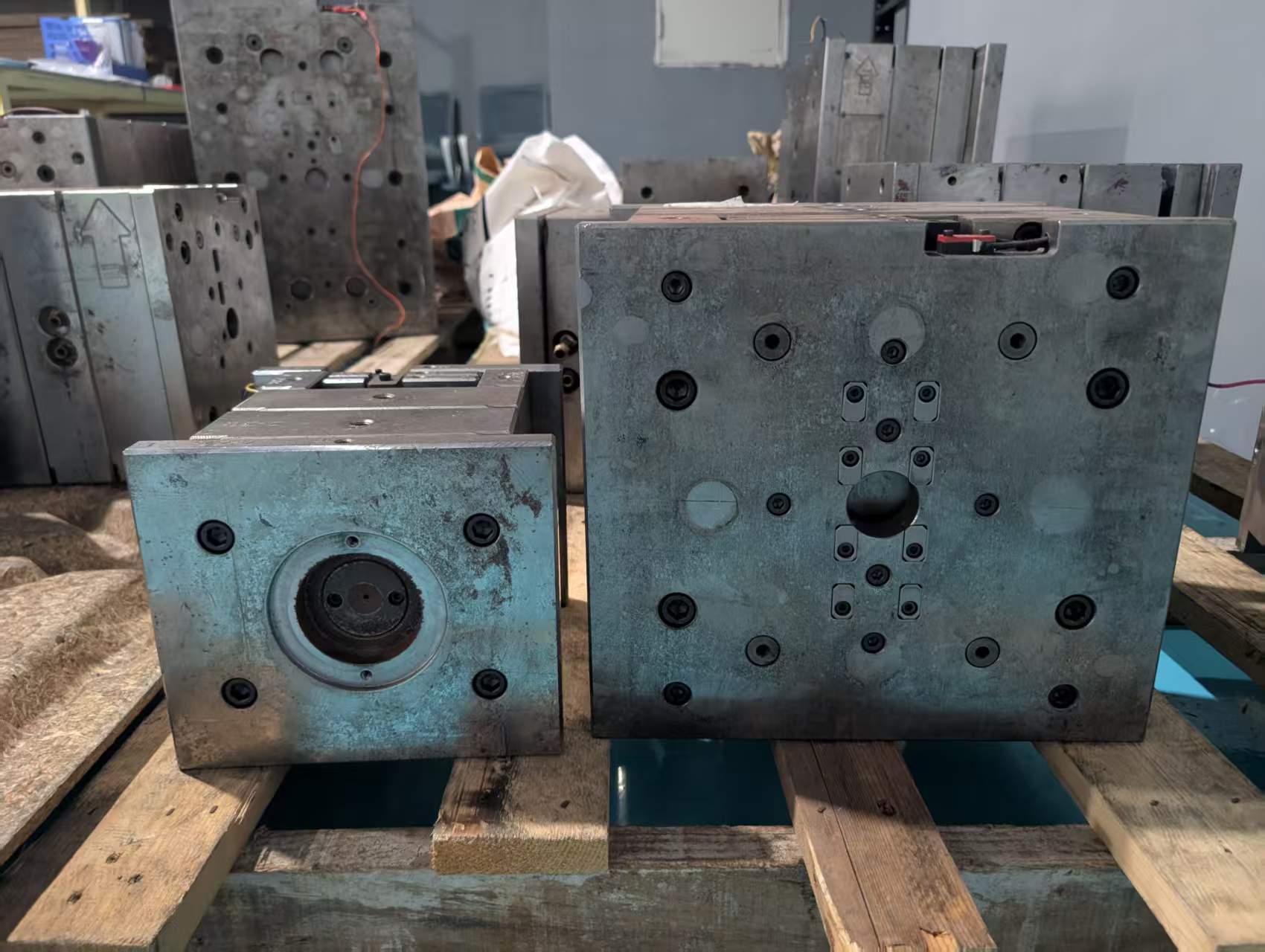
In modern manufacturing, the plastic mold has become one of the most powerful tools for achieving consistent, high-volume production. Every time a manufacturer needs to replicate a component thousands or millions of times with near-identical dimensions, a plastic mold is the foundation that makes that possible. Understanding how plastic mold technology directly improves mass production quality reveals why it remains central to industries ranging from automotive to medical devices.
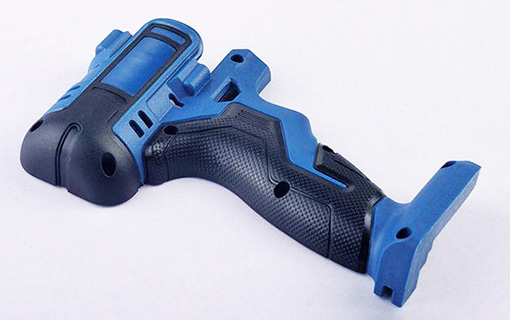
The relationship between plastic mold precision and output quality is direct and measurable. When a plastic mold is engineered correctly, it controls part geometry, surface finish, wall thickness, and dimensional tolerances simultaneously. Advances in plastic mold design, material selection, and process control have elevated what mass production can reliably deliver. This article explores the specific mechanisms through which plastic mold technology drives quality improvements across high-volume manufacturing environments.
Precision Engineering in Plastic Mold Design
Dimensional Consistency Across High-Volume Runs
The primary quality advantage of plastic mold technology lies in its ability to reproduce the same geometry repeatedly without drift. A well-constructed plastic mold maintains tight tolerances across hundreds of thousands of cycles, which means every part leaving the plastic mold cavity meets the same specifications as the first. This is critical in sectors like electronics, where a plastic mold producing connector housings must deliver parts that fit precisely every single time.
Modern plastic mold tooling is manufactured using high-precision CNC machining and EDM processes that achieve tolerances within fractions of a millimeter. The steel or aluminum core of a plastic mold is designed to resist thermal expansion and wear, preserving dimensional accuracy over long production runs. When a plastic mold is validated through initial sampling, manufacturers gain confidence that quality will be maintained at scale without continuous inspection of every individual part.
Surface Finish and Aesthetic Control
Beyond dimensional accuracy, a plastic mold also governs the surface quality of the finished component. Mold cavity texturing, polishing grades, and surface coatings all translate directly into the appearance and tactile quality of the molded part. A plastic mold designed for consumer products, for example, can be finished to produce a glossy, matte, or textured surface that eliminates the need for secondary finishing operations. This built-in surface control reduces production steps and ensures that aesthetic quality is consistent across an entire batch produced by a single plastic mold.
Process Control and Plastic Mold Technology Integration
Injection Parameters and Material Behavior
A plastic mold does not work in isolation. Its performance is deeply connected to injection molding machine parameters, including melt temperature, injection speed, holding pressure, and cooling time. Advanced plastic mold technology integrates cooling channel designs that regulate how heat is extracted from the molten material inside the plastic mold cavity. Conformal cooling channels, for instance, follow the contours of complex plastic mold geometries and reduce cycle time while improving part uniformity.
When the cooling system within a plastic mold is optimized, warpage and sink marks are significantly reduced. These defects are among the most common quality failures in mass-produced plastic parts, and they originate directly from uneven cooling inside the plastic mold. By engineering the plastic mold to manage heat distribution more precisely, manufacturers can eliminate these issues without slowing down cycle rates. The result is a higher first-pass yield and fewer rejected parts at quality inspection.
Multi-Cavity Plastic Mold Configurations
Multi-cavity plastic mold configurations allow manufacturers to produce several identical parts in a single injection cycle. A well-balanced multi-cavity plastic mold ensures that each cavity fills at the same rate and receives the same pressure, which is essential for maintaining quality consistency across all positions. If a plastic mold is poorly balanced, some cavities may be overpacked while others are underfilled, creating dimensional variation between parts from the same plastic mold in the same cycle.
Hot runner systems within a plastic mold further improve this balance by keeping the material molten throughout the runner channels, reducing waste and pressure loss. The use of a hot runner plastic mold also shortens cycle times and improves surface quality by eliminating cold runner marks. For mass production, the efficiency and quality gains from a well-designed multi-cavity plastic mold are significant and directly impact cost per part and overall output quality.
Material Selection and Plastic Mold Longevity
Matching Mold Steel to Production Demands
The quality consistency that a plastic mold delivers over time is heavily dependent on the grade of steel used in its construction. A plastic mold intended for millions of cycles requires hardened tool steel that resists abrasion from glass-filled or reinforced resins. Choosing the wrong material for a plastic mold leads to premature cavity wear, which gradually shifts part dimensions out of tolerance and degrades quality without obvious warning signs.
Proper plastic mold maintenance schedules, including cleaning, lubrication, and cavity inspection, extend the functional life of each plastic mold. A maintained plastic mold retains its original geometry longer and continues to produce parts within specification. Manufacturers who invest in high-quality plastic mold construction and disciplined maintenance protocols see lower scrap rates and more predictable production quality over the mold's operational lifespan.
Overmolding and Insert Molding Quality Benefits
Advanced plastic mold techniques such as overmolding and insert molding expand the quality possibilities in mass production. An overmold plastic mold bonds two materials together in a single automated cycle, replacing manual assembly steps that introduce variation. Insert molding uses a plastic mold to encapsulate metal or other components within the plastic part, creating assemblies with tighter tolerances than post-assembly methods can achieve. Both techniques demonstrate how plastic mold technology raises quality by reducing handling, aligning components precisely, and eliminating secondary processes.
FAQ
What makes a plastic mold suitable for mass production quality?
A plastic mold suitable for mass production must combine high-grade tool steel, precision-machined cavities, and an optimized cooling system. These elements work together to ensure each plastic mold cycle delivers parts within the required dimensional and surface quality standards reliably at high volume.
How does plastic mold cooling design affect part quality?
The cooling design within a plastic mold controls how uniformly heat is removed from the molten material. A plastic mold with conformal or optimized cooling channels reduces warpage, sink marks, and internal stress, which directly improves dimensional accuracy and surface consistency in every produced part.
How often should a plastic mold be maintained to preserve quality?
A plastic mold should be inspected and maintained according to a schedule based on cycle count and material type. Most manufacturers perform plastic mold preventive maintenance every 50,000 to 100,000 cycles, checking for cavity wear, vent blockage, and cooling efficiency to ensure continued quality output.
