
 EN
EN
Selecting the right plastic molding company requires more than reviewing price quotes and delivery timelines. A thorough evaluation of manufacturing expertise ensures your projects meet quality standards, maintain consistent tolerances, and scale efficiently as your business grows. Understanding what separates experienced plastic molding companies from less capable vendors helps you make informed partnership decisions that protect your bottom line and brand reputation.
When evaluating a plastic molding company, you should assess their technical capabilities, quality management systems, equipment infrastructure, and proven track record across similar applications. The evaluation process combines facility inspection, documentation review, sample testing, and direct conversations with engineering and production teams. This comprehensive approach reveals whether a plastic molding company can deliver reliable results under your specific operational and performance requirements.
Core Manufacturing Capabilities and Equipment
Machine Technology and Capacity Assessment
A qualified plastic molding company must operate modern injection molding equipment with appropriate tonnage, precision controls, and repeatability features for your application requirements. Evaluate the age, condition, and specifications of their molding machines, including clamping force, shot capacity, and temperature control accuracy. Request information about their equipment maintenance schedule, calibration procedures, and upgrade investments to ensure a plastic molding company maintains competitive capability standards.
The tonnage range available at a plastic molding company directly impacts what part sizes and wall thicknesses they can produce reliably. Undersized equipment creates tooling wear, dimensional instability, and cycle time extensions that compromise profitability. Conversely, oversized equipment at a plastic molding company reduces precision and increases scrap rates for smaller parts. Ask the plastic molding company how they select machine specifications for your specific part design and production volume targets.
Tooling Design and Mold Management
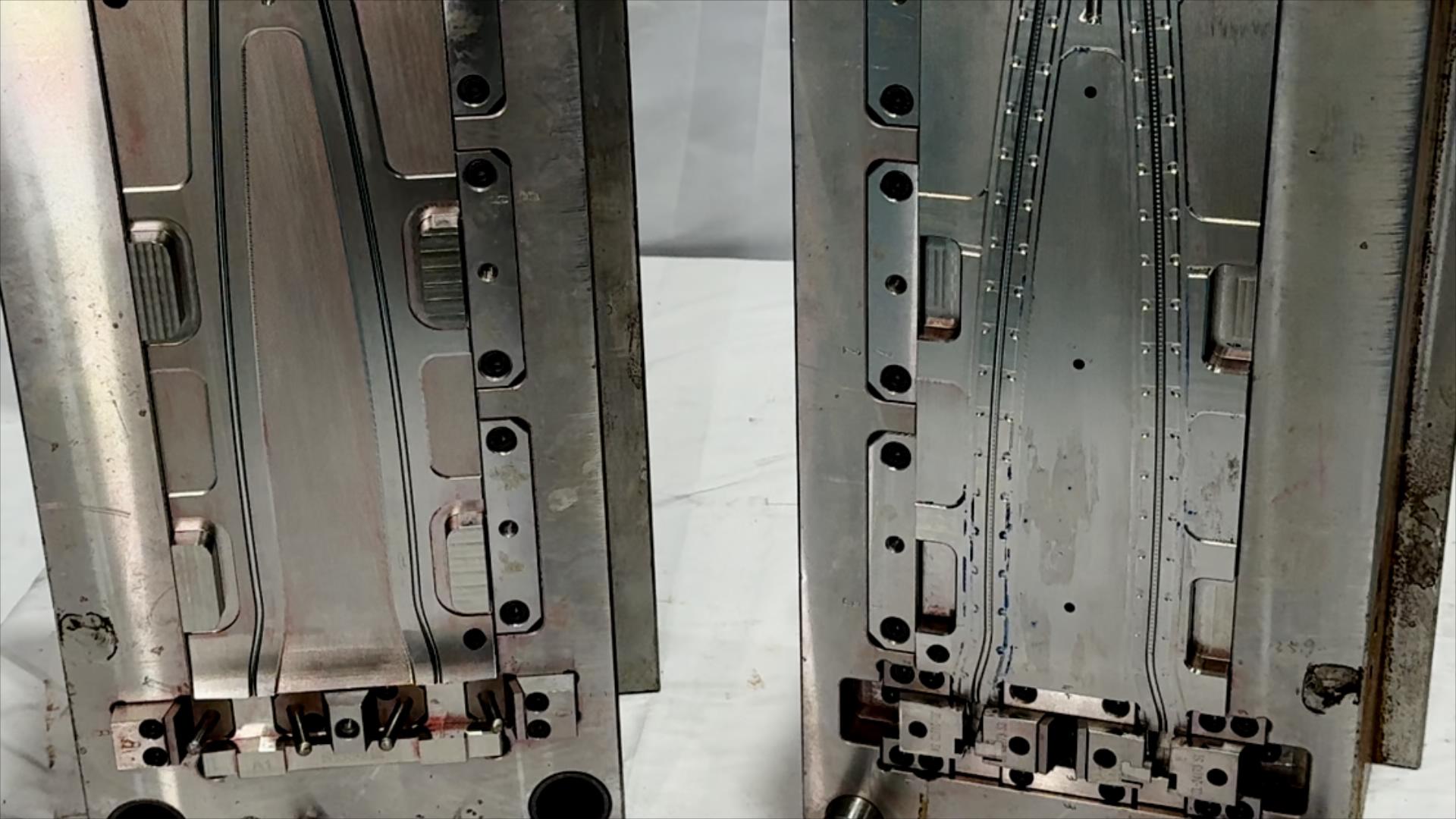
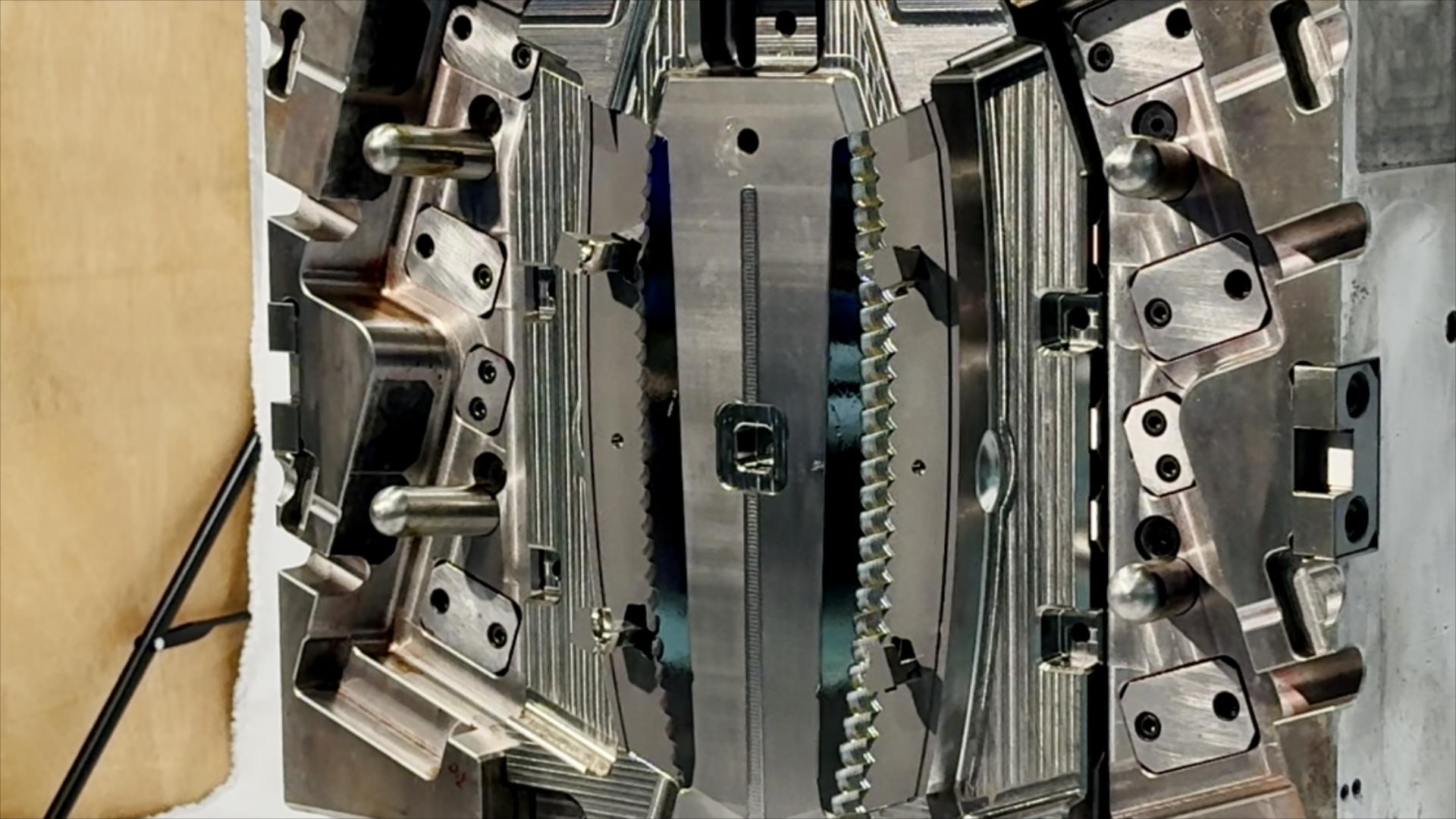
Mold quality fundamentally determines whether a plastic molding company can maintain tight tolerances and consistent part appearance throughout production runs. Examine how the plastic molding company designs molds, validates designs before tool fabrication, and manages gate locations, cooling systems, and cavity balance. Request examples of their mold designs for similar part geometries and ask about their approach to preventing common defects like warping, weld lines, or sink marks.
A professional plastic molding company maintains detailed mold documentation including CAD files, cavity layouts, gate positions, cooling channel designs, and material specifications. Inspect how the plastic molding company tracks mold maintenance, repair history, and tool life management. Understanding their mold stewardship practices reveals whether long-term production partnerships will sustain quality as molds accumulate cycle hours and require maintenance interventions.
Quality Management and Process Control Standards
Documentation, Traceability, and Certifications
Reputable plastic molding company operations follow standardized quality management systems with documented procedures for material receiving, process setup, in-process monitoring, and finished part inspection. Verify that the plastic molding company holds relevant certifications such as ISO 9001 or ISO 13485 for medical applications, and request evidence of their quality policy implementation. Review their corrective action procedures, customer complaint handling, and continuous improvement records to assess how seriously the plastic molding company treats quality accountability.
Material traceability is essential for industries requiring supply chain validation and regulatory compliance. Ask whether the plastic molding company maintains batch records linking finished parts to specific resin lots, supplier certificates, and production dates. A professionally managed plastic molding company documents material properties, process parameters, and test results for every production run, enabling rapid root cause analysis if quality issues emerge during your operations.
Testing Capabilities and Quality Metrics
Beyond visual inspection, a credible plastic molding company invests in dimensional measurement equipment, mechanical testing apparatus, and material analysis capabilities. Inquire about their in-house testing capacity, including coordinate measuring machines, tensile testers, impact test equipment, and material property verification methods. Understanding what the plastic molding company can validate internally versus outsourcing to third-party labs affects your project timeline, cost structure, and quality assurance confidence.
Request samples of quality data and statistical process control charts from the plastic molding company to evaluate their measurement rigor and consistency monitoring practices. Look for evidence that the plastic molding company tracks key process parameters like mold temperature, injection pressure, packing pressure, and cooling time across production runs. These metrics demonstrate whether a plastic molding company actively manages variables that directly influence part quality and dimensional stability.
Experience, Responsiveness, and Production Scalability
Industry Experience and Application Knowledge
A plastic molding company with relevant industry experience understands material selection constraints, regulatory requirements, performance expectations, and environmental conditions specific to your application. Review the plastic molding company's portfolio for similar part types, material grades, and production volumes to assess their familiarity with your requirements. Speak with the plastic molding company's engineering team about design optimization, material alternatives, and manufacturing approach recommendations that indicate their depth of application knowledge.
Industry-specific experience matters significantly when the plastic molding company must accommodate material properties like medical-grade biocompatibility, automotive chemical resistance, or food contact compliance. Ask the plastic molding company whether they have produced similar parts for established customers, hold relevant industry certifications, and understand your regulatory landscape. A plastic molding company that demonstrates clear application knowledge can proactively prevent costly design iterations and manufacturing delays.
Production Scaling and Lead Time Management
Evaluate whether the plastic molding company can scale production from prototype quantities through full-volume manufacturing without sacrificing quality or extending lead times unacceptably. Ask about their production planning methodology, capacity utilization philosophy, and lead time commitments across different volume levels. A reliable plastic molding company maintains realistic delivery estimates and maintains the capacity buffer necessary to accommodate rush orders or volume increases when your business demands accelerate.
Request information about the plastic molding company's scheduling approach, inventory management practices, and supply chain visibility for resin procurement. Understanding how the plastic molding company manages material supply chains and production queues reveals their resilience during demand spikes or supply disruptions. A mature plastic molding company invests in material forecasting, vendor relationships, and production flexibility to protect your project timelines and minimize expediting costs.
FAQ
What questions should you ask a plastic molding company about their equipment?
Ask the plastic molding company about machine specifications including tonnage, shot capacity, and temperature control accuracy. Request information regarding their equipment maintenance schedules, calibration procedures, and recent technology investments. Understanding their equipment capabilities helps you determine whether a plastic molding company can meet your tolerances, production speed, and part size requirements reliably.
How can you verify a plastic molding company's quality management system?
Request ISO certification documentation from the plastic molding company and review their quality procedures, material traceability practices, and corrective action records. Ask to see statistical process control charts and quality data from previous production runs. A transparent plastic molding company willingly shares testing capabilities, measurement equipment specifications, and sample quality reports that demonstrate their commitment to consistent performance and continuous improvement.
What indicators show a plastic molding company has experience with your specific application?
Review the plastic molding company's project portfolio for similar part geometries, material grades, and industry applications. Ask whether a plastic molding company has served comparable customers and holds relevant industry certifications. Speak directly with the plastic molding company's engineering team about design recommendations, material alternatives, and application-specific knowledge that indicate their depth of expertise in your market segment.
