
 EN
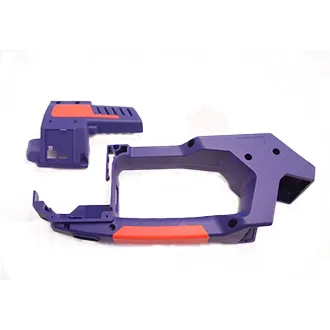
Maintaining an injection mold is one of the most critical yet overlooked practices in modern manufacturing. An injection mold represents a significant capital investment, yet many production facilities fail to implement comprehensive maintenance strategies that could dramatically extend its functional lifespan. When an injection mold operates without proper care, component wear accelerates, surface degradation occurs rapidly, and production quality suffers within months. Understanding how systematic maintenance of an injection mold directly translates to extended production life cycles is essential for manufacturers seeking competitive advantage and cost efficiency.
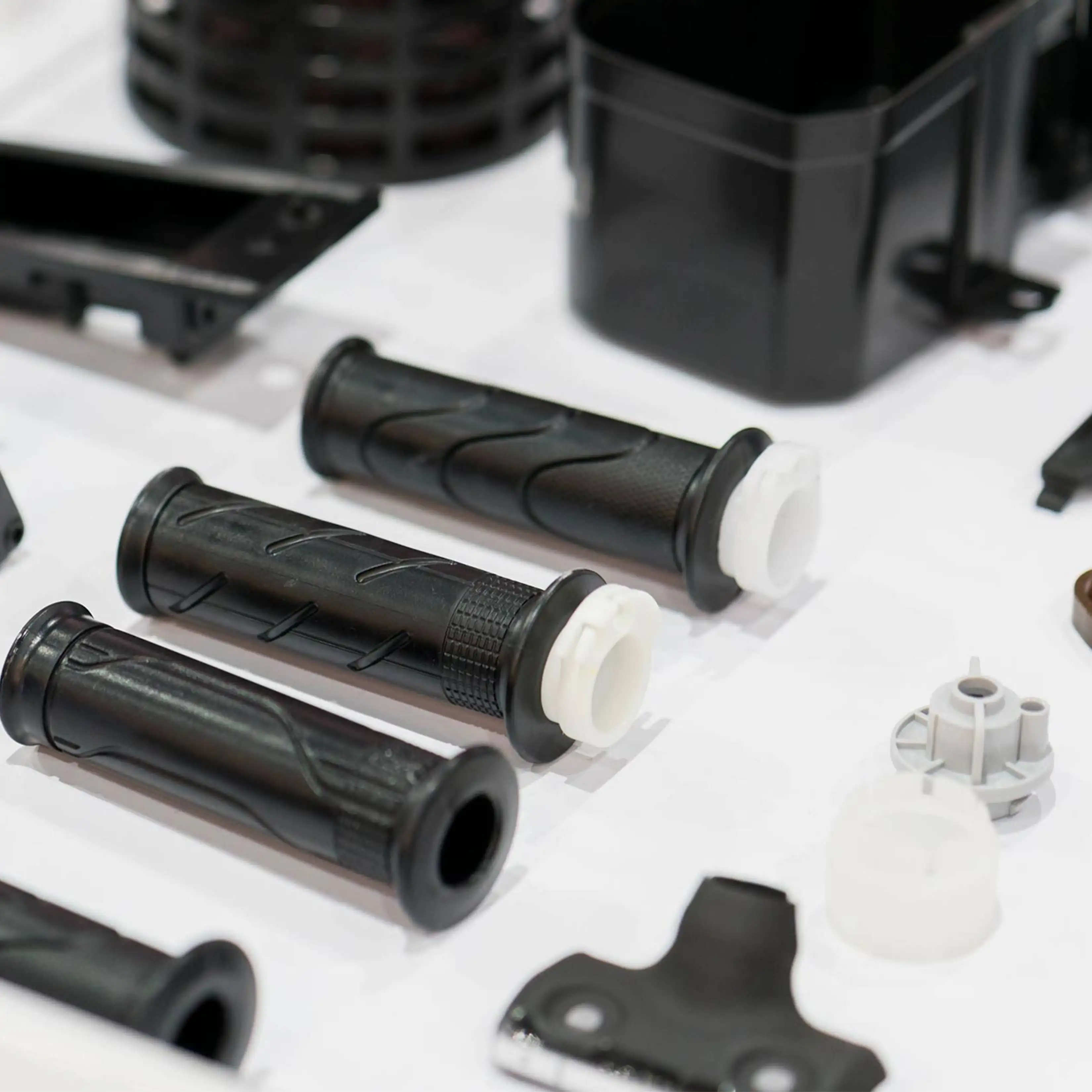
The relationship between injection mold maintenance and production longevity follows a clear cause-and-effect pattern. Every injection mold experiences wear from thermal cycling, cavity pressure, and material friction. The progression from minor wear to catastrophic failure can span years if proper maintenance protocols are established, or mere months if neglected. Manufacturing leaders who prioritize injection mold maintenance find their equipment running productively for significantly longer periods, delivering consistent output quality and reducing the frequency of expensive replacement cycles.
Core Maintenance Practices for Injection Mold Preservation
Regular Cleaning and Residue Removal
Accumulated material residue inside an injection mold creates multiple damaging effects that accelerate component failure. When polymer materials harden inside mold cavities, they generate localized stress points that initiate microcracking and surface erosion. Each production run deposits thin layers of material that, over time, compromise dimensional accuracy and create hot spots where thermal stress concentrates. Effective cleaning of an injection mold between production cycles removes these deposits before they bond permanently to cavity surfaces, directly preventing the degradation that shortens production life cycles. Modern facilities employ ultrasonic cleaning, solvent flushing, and thermal purging specifically designed to maintain injection mold interior surfaces without causing secondary damage.
Temperature Control and Thermal Management
Thermal cycling represents one of the most significant stress factors affecting an injection mold. During each injection cycle, an injection mold experiences rapid heating from molten polymer followed by cooling during part ejection. Uncontrolled temperature fluctuations create differential expansion and contraction that weakens material structure and loosens internal components. Maintaining precise temperature regulation through proper cooling channel design, adequate coolant flow, and consistent setpoint management prevents the thermal stress that leads to premature injection mold failure. Facilities that invest in robust temperature control systems observe dramatically extended equipment service life compared to operations with inadequate thermal management. An injection mold subjected to stable, predictable temperature profiles maintains dimensional stability and structural integrity for substantially longer production campaigns.
Preventive Maintenance Protocols That Extend Equipment Life
Scheduled Inspection and Wear Monitoring
Proactive inspection represents the cornerstone of any successful injection mold maintenance program. Regular visual examinations reveal surface corrosion, cavity deterioration, and ejector pin wear before these issues compromise product quality or create production stops. Dimensional measurement at scheduled intervals identifies cavity shrinkage and gate flow changes that signal internal degradation. An injection mold that receives monthly dimensional audits and quarterly cavity inspections provides early warning of problems that, if addressed immediately, prevent the catastrophic failures that eliminate remaining production life. Statistical process control applied to injection mold performance metrics creates predictive models that identify when maintenance intervention will deliver maximum benefit. Implementing structured inspection protocols transforms injection mold management from reactive problem-solving into proactive lifecycle extension.
Component Replacement Before Critical Failure
Ejector pins, return springs, and cooling channels represent wear components inside an injection mold that eventually require replacement. Rather than waiting for these elements to fail during production, strategic replacement on fixed schedules maintains injection mold functionality and prevents cascading damage. A single failed ejector pin inside an injection mold can scratch cavity surfaces and initiate stress cracks that propagate through surrounding material, potentially destroying the entire tool. Replacing ejector pins every 500,000 cycles, regardless of apparent condition, ensures reliable part ejection and prevents the damage that reduces injection mold production life. Coolant lines receive preventive flushing and replacement to maintain thermal performance and prevent blockages that create hot spots. This predictive component replacement approach costs a fraction of what emergency repairs or complete tool replacement would require.
Operational Best Practices That Support Equipment Longevity
Process Optimization and Stress Reduction
Operating parameters directly determine how much stress an injection mold experiences during each production cycle. Excessive packing pressure, extended hold times, and excessive screw speed all increase the mechanical and thermal load on mold components. An injection mold operated at optimized settings experiences significantly lower cumulative stress and maintains structural integrity for extended production periods. Establishing conservative process parameters that still achieve acceptable part quality represents an investment in injection mold lifespan that delivers returns across hundreds of thousands of cycles. Pressure setpoints should be reduced to the minimum level that produces acceptable part density and gate freeze-off timing. Cooling times should be extended to allow gradual thermal equilibration rather than aggressive quenching that generates residual stress inside an injection mold. This balanced approach to process optimization treats the injection mold as a system requiring careful stewardship rather than a tool capable of withstanding indefinite abuse.
Operator Training and Handling Protocols
Human factors significantly influence how long an injection mold maintains production capability. Operators who understand proper mold installation, tool change procedures, and emergency response protocols prevent accidental damage that compromises injection mold function. Training programs covering core injection mold maintenance concepts create a production workforce that actively contributes to equipment preservation. Establishing standard operating procedures for tool startup, changeover, and shutdown minimizes the uncontrolled stress events that accelerate injection mold wear. Documentation of operator observations regarding tool temperature, part ejection behavior, and cavity appearance provides early warning signals of developing problems. An injection mold supported by well-trained operators receives consistent care that extends production life by substantial margins compared to facilities lacking comprehensive workforce development.
FAQ
How does regular maintenance improve injection mold lifespan?
Regular maintenance of an injection mold removes damaging material deposits, prevents thermal stress accumulation, and identifies wear before catastrophic failure occurs. An injection mold receiving systematic care experiences predictable degradation that can be managed through scheduled component replacement, while neglected tools fail suddenly and require complete replacement. Facilities implementing comprehensive injection mold maintenance programs routinely extend equipment life by 50 to 100 percent compared to reactive maintenance approaches.
What are the most critical injection mold components to monitor?
Ejector pins, cooling channels, cavity surfaces, and return springs represent the primary wear components in an injection mold that require monitoring. Ejector pin condition directly affects part removal quality and cavity surface protection, while cooling channel blockage reduces thermal control and creates hot spots. An injection mold's cavity surfaces must be inspected regularly for corrosion and stress cracking that indicates emerging problems. Regular monitoring of these components allows preventive maintenance scheduling that sustains injection mold functionality across extended production campaigns.
Can injection mold maintenance prevent complete tool replacement?
Comprehensive maintenance of an injection mold can substantially delay or eliminate the need for complete tool replacement by addressing wear systematically before catastrophic failure occurs. Strategic component replacement, temperature management, and cleaning protocols extend injection mold service life significantly. However, extremely old tools may reach a point where maintenance costs exceed replacement value, but this determination comes only after years of sustained production. Most injection molds can remain productive for 10 to 20 years or longer with proper maintenance, making systematic care programs highly cost-effective compared to premature replacement.