
 EN
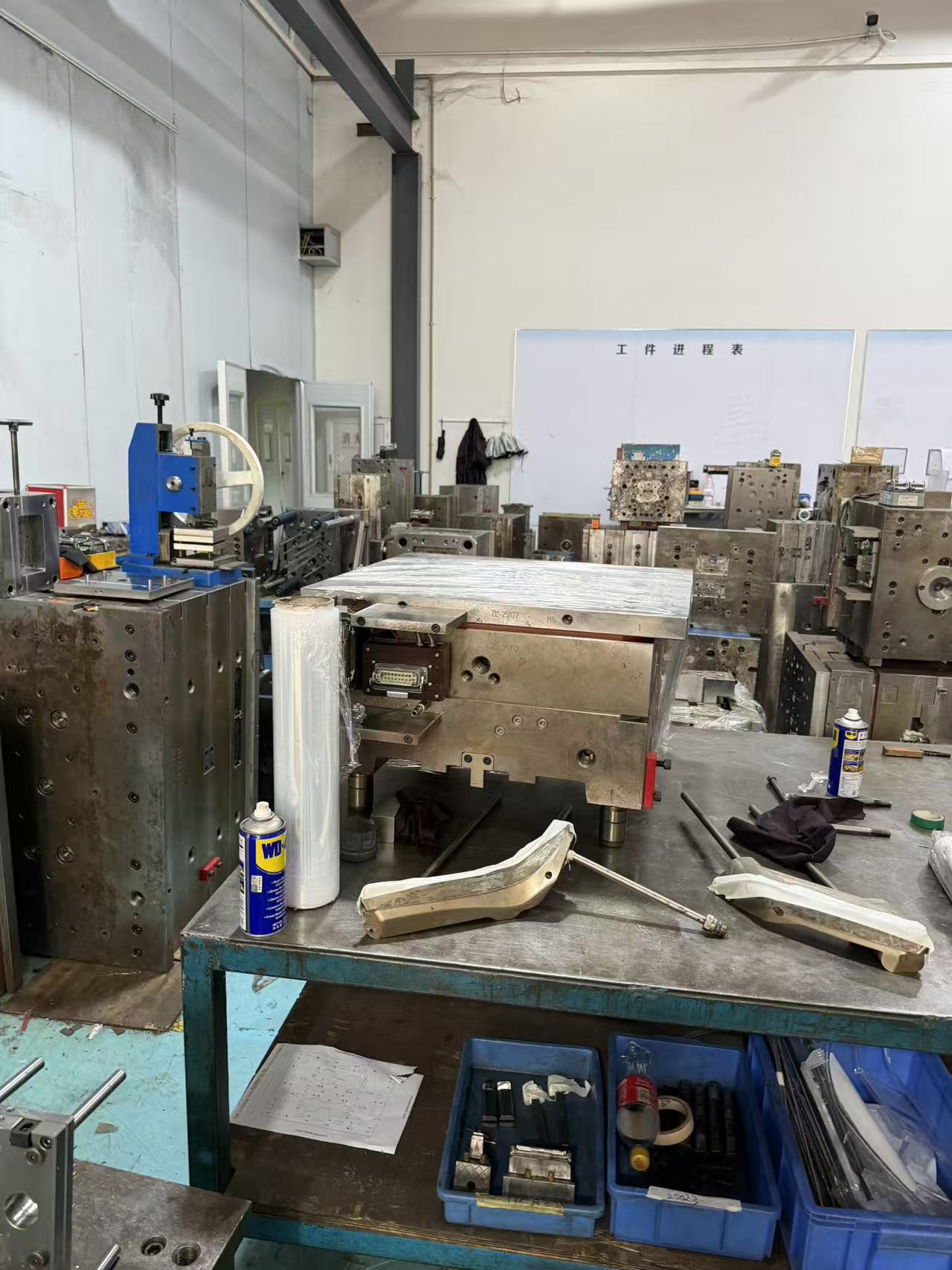
Choosing injection molding companies is a decision about more than a quoted part price. The right fit depends on whether a provider can translate your design into a repeatable process, meet your quality requirements, and support the production volume you actually need. Comparing injection molding companies against clear technical and operational criteria makes the decision more reliable.
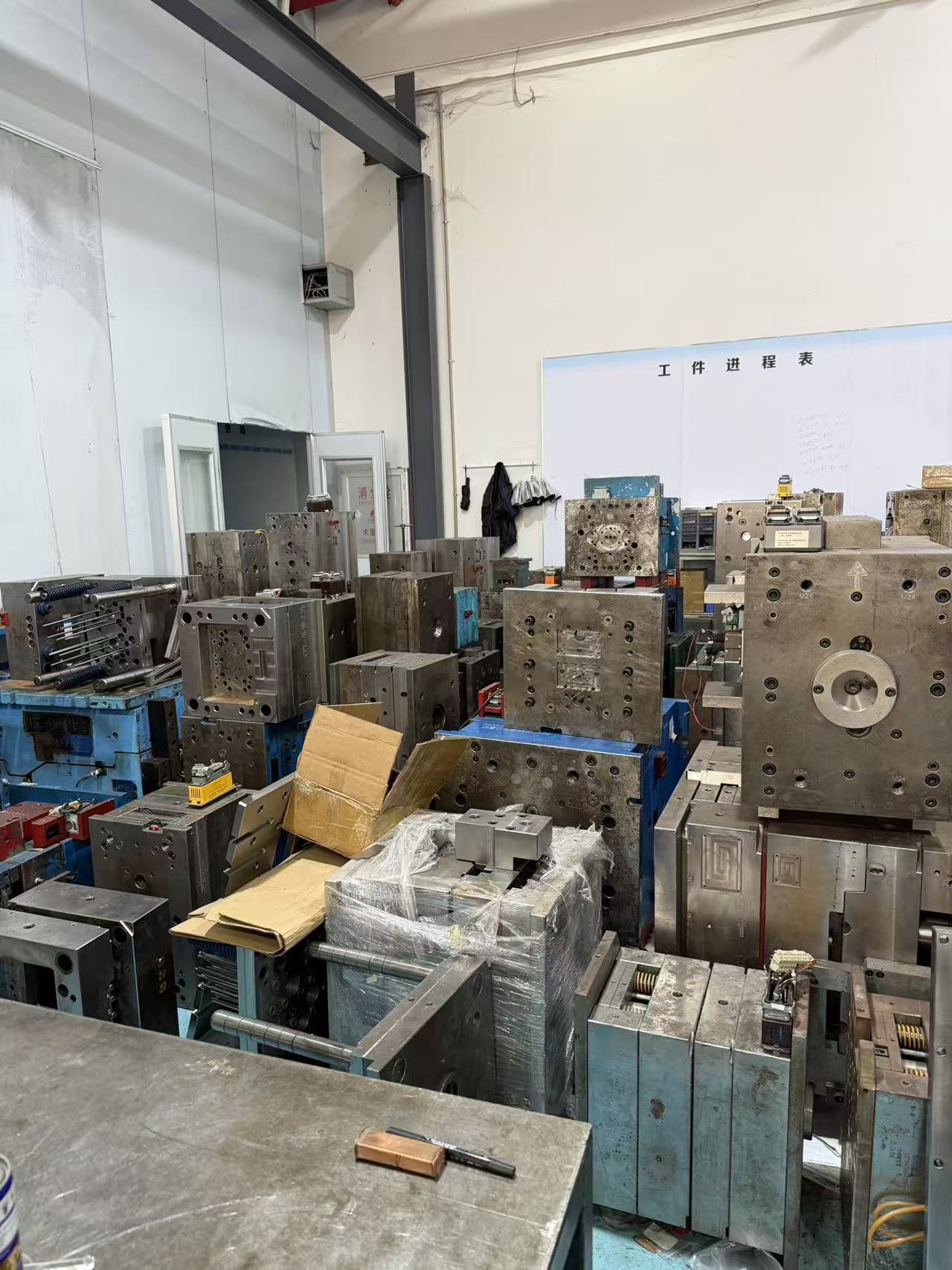
Start with your part, market, and production plan, then use those needs to evaluate potential partners. Injection molding companies differ in equipment, engineering support, tooling arrangements, and quality systems. A disciplined review helps you distinguish a low initial estimate from a proposal that accounts for manufacturability, validation, delivery, and the full life of the program.
Assess technical fit before comparing quotes
Check part and process capability
Confirm that injection molding companies have experience with parts similar in size, geometry, material, and expected annual volume. Ask how they evaluate wall thickness, draft, ribs, undercuts, gates, and likely cosmetic requirements. This discussion shows whether a team can identify design risks early rather than simply accept a drawing and price it.
Review the proposed molding process against the application. Injection molding companies should be able to explain machine capacity, clamping needs, shot size, material handling, and any secondary operations relevant to your part. If the design includes inserts or overmolding, ask how those steps affect tooling, cycle planning, inspection, and operator controls.
Evaluate engineering collaboration
Strong injection molding companies involve engineering before the tool is cut. Ask what design-for-manufacturing feedback is included, how recommendations are documented, and who approves changes. The goal is not to redesign a product unnecessarily; it is to resolve practical concerns while changes remain affordable and do not disrupt downstream assemblies.
Ask injection molding companies to explain how they will verify the agreed design and process. Depending on the project, this may involve mold trials, sample reviews, dimensional reports, or a formal approval package. Clarify which party owns the drawings, revisions, and approval decisions so that feedback does not become a source of conflicting instructions.
Verify tooling, quality, and production controls
Understand tooling ownership and maintenance
A mold is a long-term production asset, so injection molding companies should state who owns it, where it will be stored, and what access the customer has. Review the quotation for tool scope, expected life assumptions, maintenance responsibilities, repair approval, and transfer conditions. Clear terms reduce uncertainty if forecasts change or production needs move.
Discuss how injection molding companies document tool condition and maintenance activity. Ask how wear, cooling performance, and recurring defects are monitored, and how repairs are authorized. These details matter because a tool can affect part consistency over many runs. Understand whether routine service is included in the price or billed separately.
Review quality systems and process stability
Quality claims should be supported by a defined process. Ask injection molding companies how they control incoming resin, drying, machine setup, process parameters, in-process checks, and final inspection. Confirm how nonconforming parts are contained and how corrective actions are tracked. The relevant controls depend on product risk, customer specifications, and regulatory obligations.
Request evidence that injection molding companies can measure the characteristics that matter to your part. This may include sample inspection records, calibration practices, material traceability, or capability data where appropriate. Agree on acceptance criteria before production begins, including sampling frequency and documentation. A shared definition of acceptable quality prevents disagreements after parts have shipped.
Compare commercial and operational reliability
Read the quotation beyond the unit price
When comparing injection molding companies, separate tooling, setup, material, packaging, inspection, and secondary-operation costs. Check the assumptions behind resin pricing, order quantities, scrap, freight, and payment terms. A quote that appears lower may exclude activities your program needs, while a detailed quote helps you compare equivalent scope and identify cost drivers.
Ask injection molding companies how pricing changes with volume, design revisions, material substitutions, or forecast shifts. Clarify minimum order quantities, lead times for tools and samples, reorder expectations, and the process for approving engineering changes. These commercial details help purchasing and engineering teams plan together instead of treating every cost difference as a simple unit-price issue.
Test communication and continuity
Reliable injection molding companies make responsibilities and communication routes clear. Identify the project contact, escalation path, update frequency, and format for reporting schedule or quality issues. During early discussions, notice whether answers are specific and consistent. Effective communication is especially important when tool trials reveal changes that require coordinated customer approval.
Consider how injection molding companies would support continuity after launch. Discuss capacity planning, production scheduling, material availability, backup arrangements, and how unexpected interruptions are communicated. Avoid assuming that a stated capacity automatically guarantees your production slot. Confirm the commitments that matter to your forecast and document them in the commercial agreement.
FAQ
What information should I send for an initial review?
Provide a current part drawing or CAD model, material requirements, expected volumes, critical dimensions, and application context. Injection molding companies can give more useful feedback when they understand tolerances, appearance needs, and assembly interfaces. Include forecast timing and any compliance requirements, while marking confidential information appropriately.
Should I choose based on the lowest quoted part price?
Not on price alone. Compare the same scope across injection molding companies, including tooling, validation, inspection, freight, and ongoing maintenance. Then consider technical fit, quality controls, communication, and commercial terms. A transparent total-cost review gives a stronger basis for selection than a unit price detached from assumptions.
When should a provider be involved in design?
Involve injection molding companies while the design can still be adjusted, ideally before tooling is finalized. Early feedback can flag geometry or material choices that may complicate molding, inspection, or assembly. Keep the product requirements in control of your engineering team and document which recommendations are accepted or declined.