
 EN
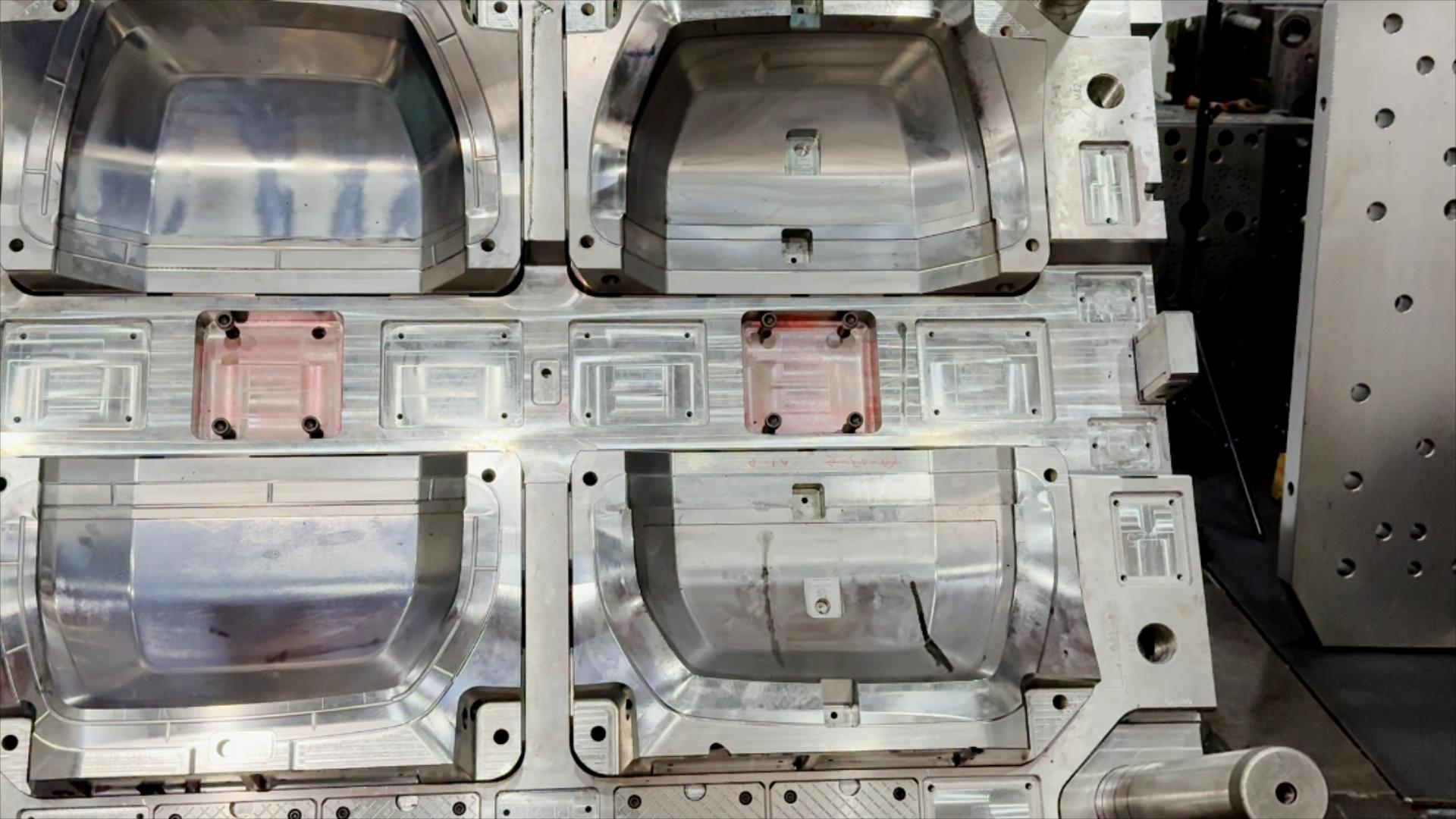
Plastic molding can reduce production waste and improve output when the process is designed around the part, material, and production target. Its value is not simply that material takes a shaped form: plastic molding can make repeatable components with less trimming, fewer assembly steps, and more predictable cycle times. Those gains depend on sound tooling, stable process settings, and production controls that address defects early.
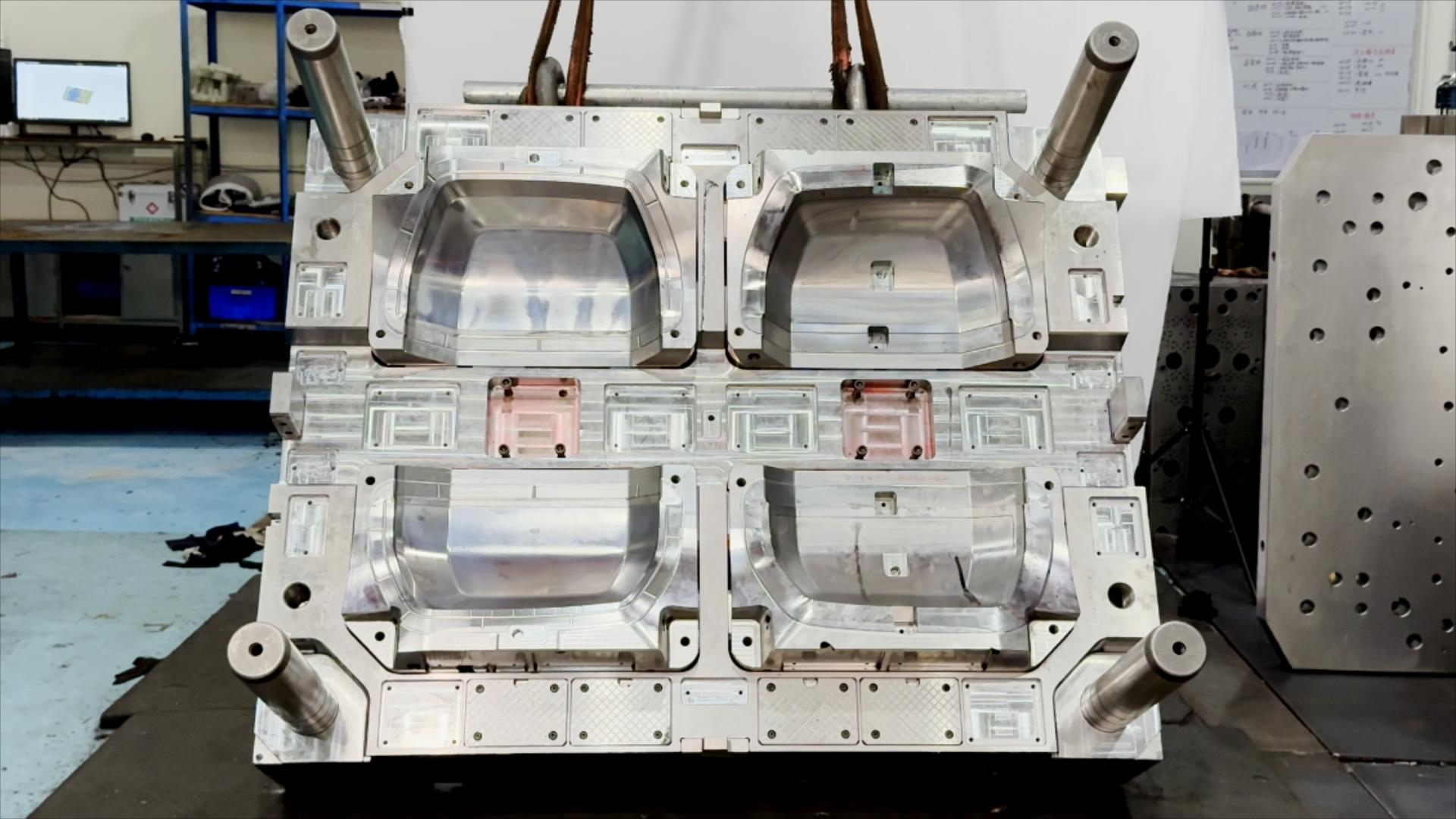
For manufacturers, the connection between plastic molding, waste, and output comes down to controlling variation across each production run. A well-planned plastic molding operation uses material efficiently, limits avoidable handling, and keeps parts within specification. The result is not automatic; understanding where losses occur helps teams select the right process settings and production checks for their application.
How the process prevents avoidable material waste
Part design and tooling set the foundation
Plastic molding begins reducing waste before a machine starts running. Part geometry, wall thickness, draft, and gate placement influence how material fills a cavity and whether the finished component can be released cleanly. When these factors are considered together, plastic molding is less likely to produce short shots, distortion, or excess material that must be removed after forming.
Tool design also determines how consistently the process can repeat. A suitable cavity layout and well-maintained mold support reliable filling and cooling, while poor venting or uneven temperature can contribute to defects. In plastic molding, those defects consume resin, machine time, and inspection capacity. Reviewing the design and tool before production can therefore prevent recurring losses rather than merely sorting them afterward.
Material control limits scrap and rework
Material handling has a direct effect on plastic molding quality. Resin should be stored and prepared according to its requirements, including drying where specified, because moisture or contamination can affect appearance and part performance. Consistent batches and controlled material flow make plastic molding easier to stabilize and reduce the chance that a whole run will need extra inspection or rejection.
Some processes allow runners or suitable clean scrap to be reground and reused, but reuse must follow material and product requirements. Excessive regrind can change material behavior, so it should not be treated as a universal waste solution. Plastic molding teams should document what is reused, keep incompatible materials separate, and confirm that the finished parts still meet specification. This turns recovery into a controlled practice.
How stable production improves output
Repeatable cycles reduce interruption
Output improves when plastic molding holds a stable cycle rather than alternating between fast production and lengthy corrections. Temperature, pressure, cooling time, and material feed all affect the result. Once the operating window is established, recording settings helps operators reproduce acceptable parts across shifts. Plastic molding then becomes more predictable, supporting realistic schedules and reducing delays caused by repeated trial adjustments.
Shorter cycles can raise output, but speed alone is not a sound target. If plastic molding is pushed beyond the limits of the part, tool, or resin, defects and downtime may outweigh the extra pieces produced per hour. Teams should evaluate accepted parts per production hour, not just machine cycle time. That measure makes the relationship between plastic molding settings and usable output clearer.
In-process checks catch drift early
Routine checks help identify gradual process changes before they generate a large quantity of nonconforming parts. Operators can monitor dimensions, weight, surface appearance, and other characteristics that matter to the drawing or customer requirements. In plastic molding, a consistent sampling plan can reveal changes in filling, cooling, or tool condition while there is still time to correct the cause.
Clear escalation rules also protect production flow. When a measurement moves outside its agreed range, teams need to know whether to adjust a setting, inspect the tool, isolate product, or pause the run. Plastic molding benefits from recorded corrections and traceable inspection results, since those records help distinguish a one-time disturbance from a recurring process issue. That knowledge supports steadier output over time.
Practical steps for capturing production gains
Match process choice to part requirements
The best waste and output results depend on whether the chosen plastic molding method fits the component. Annual demand, part size, geometry, tolerances, finish, and material requirements all affect the decision. A process suited to repeated production may not be economical for a short run or a frequently revised design. Comparing these needs early helps avoid investing in tooling or workflow that cannot support the real production plan.
For assemblies with multiple materials or integrated features, consider whether an overmolding approach can reduce separate joining operations. This may simplify handling, but the design must account for material compatibility, bonding requirements, and tooling complexity. Plastic molding can improve output when integration removes a genuine bottleneck; it may add cost or process risk if the feature is unnecessary. Validate the choice against part function and inspection needs.
Use production data to sustain improvement
A practical improvement review starts with a baseline: record scrap by cause, rework hours, accepted quantity, changeover time, and unplanned stops. Plastic molding teams can then prioritize the losses that matter most instead of making changes based on isolated observations. After an adjustment, compare results under similar conditions and confirm that quality remains acceptable. This approach shows whether the change produced a lasting operational benefit.
Maintenance and workforce knowledge help keep those gains in place. Cleaning, inspection, and planned replacement of wear components can reduce tool-related variation, while standard work helps operators respond consistently. Plastic molding performance also improves when staff can report unusual sounds, marks, or cycle changes without delay. Treating these observations as process information makes correction faster and helps prevent a small issue from becoming repeated scrap.
FAQ
How does plastic molding reduce scrap?
Plastic molding reduces scrap through suitable part and tool design, controlled material preparation, and stable process settings. Regular inspection helps find drift early, while approved reuse practices may recover eligible material. The precise result depends on the part, resin, tooling, and quality requirements.
Can plastic molding increase output without reducing quality?
Yes, plastic molding can raise usable output when cycle improvements are validated against part specifications. Faster settings are not automatically better: teams should track conforming parts, defects, and downtime together. Maintaining a stable operating window helps balance throughput with quality.
What should manufacturers measure first?
Start by recording scrap causes, rework, accepted production, cycle interruptions, and changeover time. Plastic molding data becomes useful when it is consistent and linked to specific process conditions. These measures help identify the largest losses and verify whether corrective actions deliver sustained improvement.