
 EN
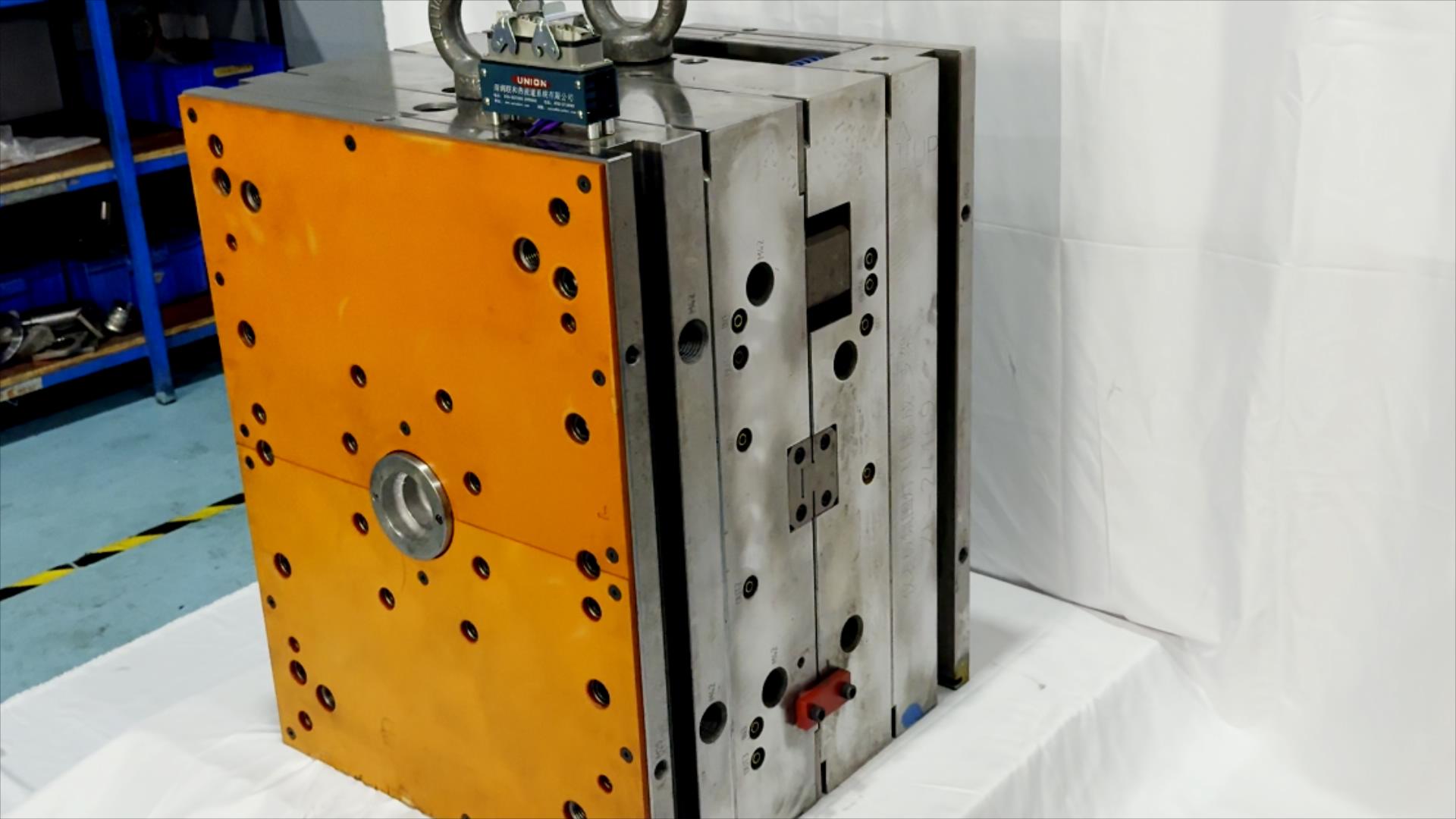
Effective mold design begins by treating the tool as part of the manufacturing process, not as a standalone piece of hardware. For manufacturers, good mold design aligns the component’s geometry, chosen material, production targets, and inspection requirements before steel is cut. That early coordination helps teams avoid defects that are costly to correct after tooling is built.
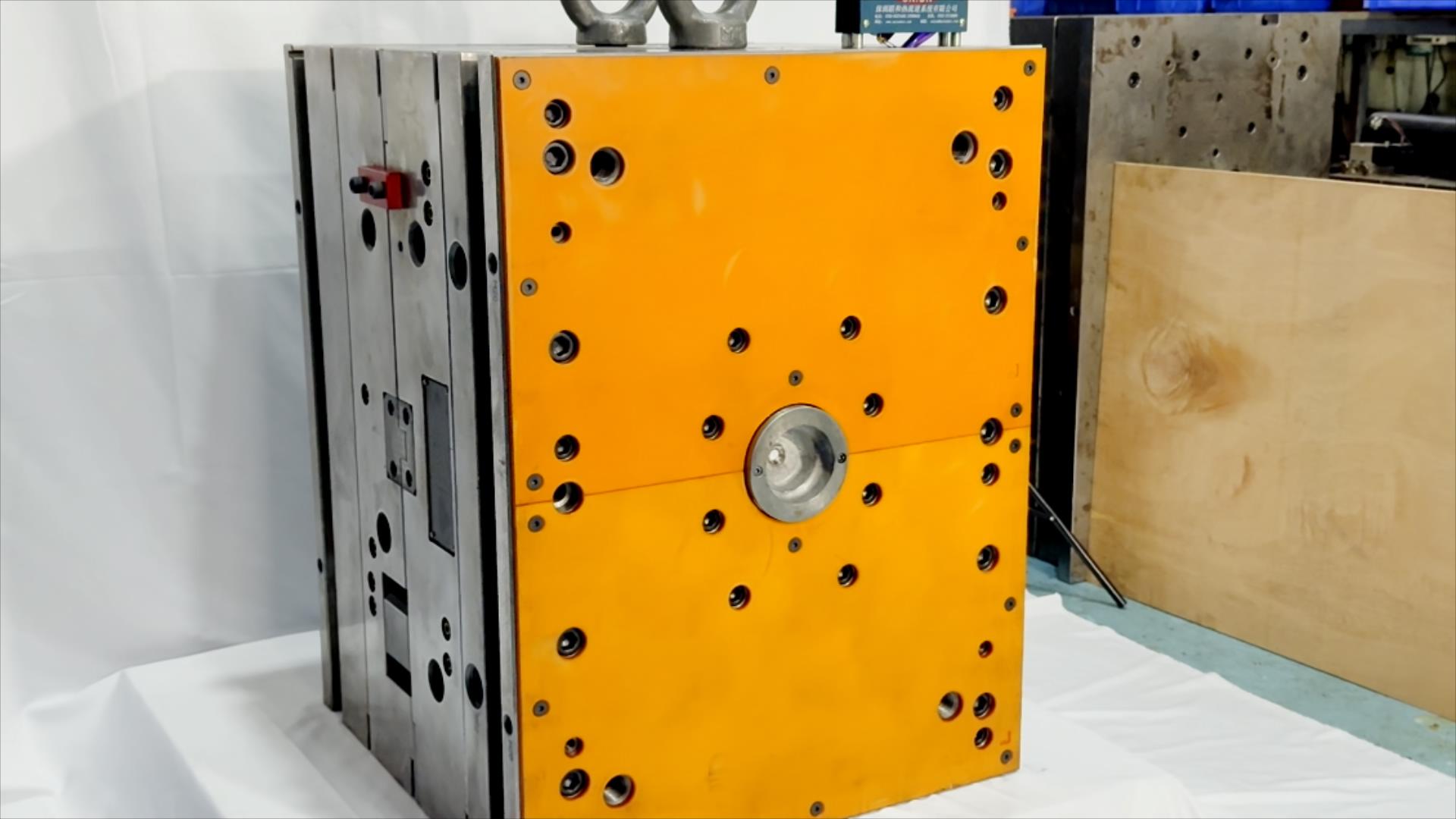
The key principles are practical: make parts suitable for release, manage material flow and cooling, and design for reliable production and maintenance. Applying these principles to mold design requires input from product engineering, tooling specialists, and production teams. The result should be a tool that can repeatedly make conforming parts within the real limits of the factory.
Establish the part and process requirements
Translate product geometry into tool requirements
A sound mold design starts with a stable, fully reviewed part definition. Engineers should examine wall thickness, ribs, bosses, openings, surface finish, and dimensional tolerances, because each feature can affect filling, shrinkage, strength, or release. Mold design decisions are easier to validate when the team understands which dimensions are critical to fit or function and which allow normal process variation.
Draft is essential wherever a surface must move away from the tool, while undercuts may require slides, lifters, or another planned release method. These choices affect tooling complexity, cycle time, and maintenance access. A mold design review should therefore ask whether a feature is necessary and whether it can be simplified without compromising the component’s purpose. Early design-for-manufacturing feedback can prevent avoidable mechanisms and reduce the risk of late revisions.
Match the design to material behavior
Material selection shapes mold design because resins and other moldable materials differ in flow, shrinkage, heat response, and processing needs. The team should use relevant material data rather than assume that similar-looking grades behave alike. Mold design must account for expected shrinkage when setting cavity dimensions, while recognizing that actual results depend on geometry and process conditions.
The material also informs gate location, venting, and surface requirements. A design that works for one resin may create hesitation, trapped gas, or visible marks with another. A practical mold design process confirms the material grade and intended finish before finalizing the tool. If a substitution is possible, document the acceptable range and assess whether it changes filling, cooling, or inspection criteria.
Control filling, cooling, and part release
Plan balanced material flow
The runner, gate, and cavity form a connected flow path, so mold design should consider how material reaches every region. Gate position influences flow length, weld-line location, packing, and cosmetic appearance. The design team should choose a gate arrangement that supports the part’s functional and visual needs, while leaving a feasible method for removing or finishing the gate vestige.
Balanced filling matters in multi-cavity tools as well as complex single-cavity parts. Mold design analysis can help identify likely pressure differences or areas that may fill too slowly, but simulation is most useful when inputs reflect actual material and process assumptions. Engineers should review predicted flow alongside part geometry and production experience. Where results reveal risk, adjusting gates, runners, or local wall transitions before manufacture is usually more manageable than modifying a completed tool.
Design cooling and venting as functional systems
Cooling influences dimensional stability, appearance, and the time required for each cycle. Mold design should place cooling channels to remove heat consistently, especially around thick sections and features with uneven thermal mass. The channels must also remain practical to manufacture, clean, and inspect. Cooling plans should consider connections and access, not only the ideal path through the tool.
Vents provide a route for displaced air and gases to escape as the cavity fills. Poor venting can contribute to burns, short shots, or inconsistent surfaces, while poorly considered vents may leave unwanted witness marks. Mold design balances vent position and depth with the material and parting arrangement. These details deserve review during tooling design because inaccessible or blocked vents can become recurring production issues.
Build for repeatable production and service
Specify alignment, structure, and inspection
A production tool must withstand repeated closing forces and maintain alignment across its working life. Mold design should provide adequate support beneath cavity areas, locate components securely, and account for the press or machine interface. The team should check that the selected tool dimensions, opening direction, and service connections suit the intended equipment before ordering or machining components.
Inspection planning belongs in mold design because tool features determine how consistently critical dimensions can be produced and measured. Identify the surfaces and measurements that control acceptance, then consider how cavity variation, wear, and process settings could affect them. A clear baseline for first-article inspection makes qualification more useful. It helps manufacturing distinguish a tooling issue from a process adjustment or measurement concern.
Prepare for maintenance and controlled validation
Maintainability affects production reliability long after initial qualification. Mold design should allow technicians to reach wear components, clean vents, inspect cooling paths, and replace service parts without unnecessary disassembly. Standardized, clearly identified components can make routine work easier, but only when they suit the tool’s loads and operating conditions. Maintenance access should be reviewed against the actual shop workflow.
Before release, validate the tool with a planned trial that checks filling, part release, dimensions, surface condition, and cycle behavior. Mold design assumptions should be compared with measured results, and any changes should be documented so future runs use controlled settings. A trial is not simply a demonstration that the tool closes; it is evidence that the tool and process can produce acceptable parts under defined conditions. This disciplined feedback completes the design loop.
FAQ
What should be reviewed first in mold design?
Start with part geometry, material, critical tolerances, surface needs, and the intended production process. Mold design decisions depend on these inputs, so unresolved requirements can lead to avoidable rework. Confirming them early gives engineering, tooling, and production teams a shared basis for reviewing the proposed tool.
How does mold design affect part quality?
Mold design affects how material fills and cools, how air exits, and how the finished part releases. Gate placement, cooling layout, venting, and cavity geometry can influence dimensions and surface appearance. Stable quality still depends on suitable process settings, material control, and inspection during production.
When should manufacturing teams review mold design?
Manufacturing should review mold design while the part and process are being developed, before tool construction begins. Early feedback can reveal equipment limits, maintenance needs, or inspection challenges while changes remain more practical. Teams should also revisit the design after trials if results expose a recurring tooling or production concern.