
 EN
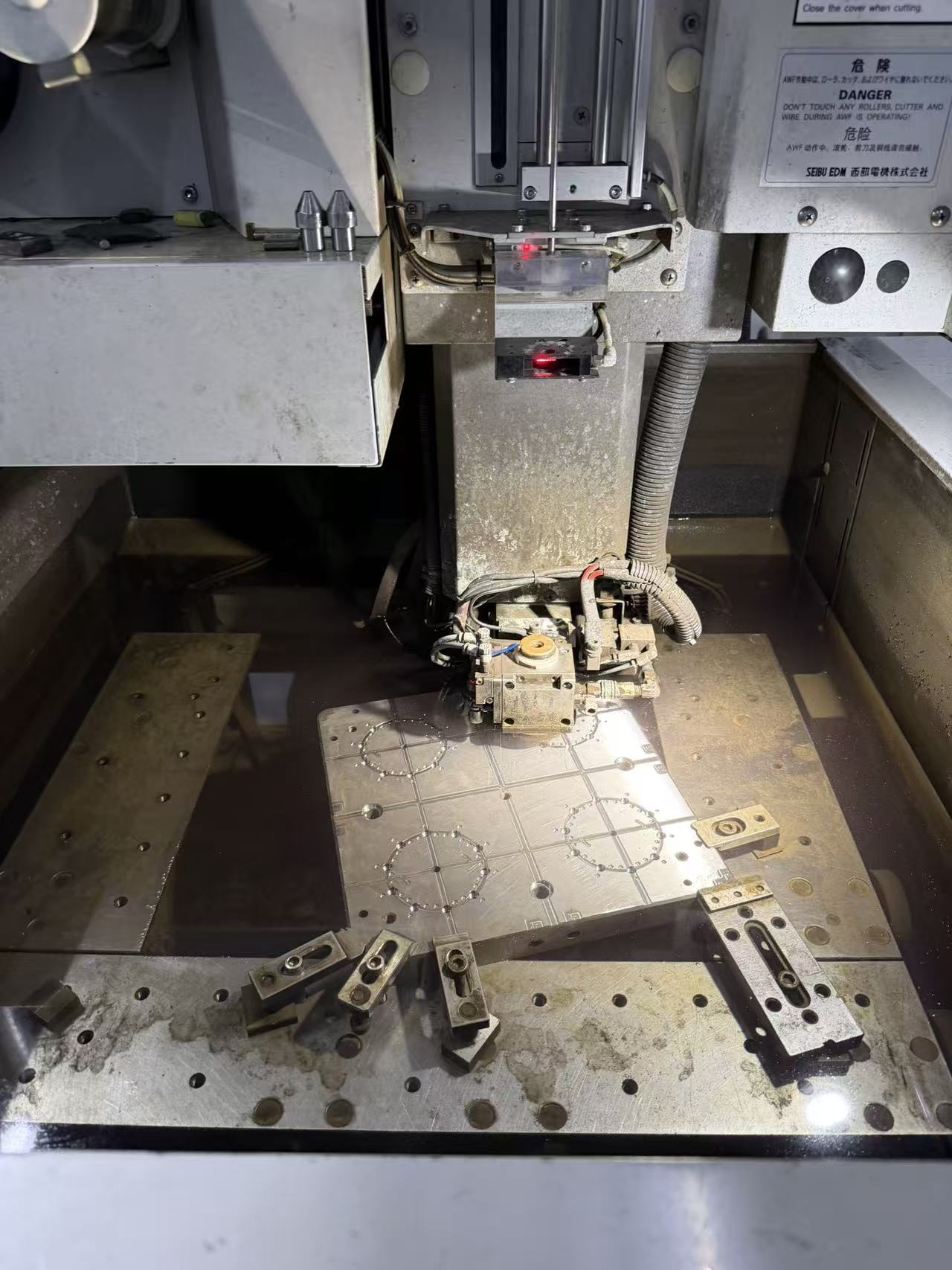
Starting a custom plastic molding project requires careful planning and strategic foresight to ensure successful outcomes and optimal return on investment. Organizations across manufacturing, consumer goods, automotive, and medical device industries rely on custom plastic molding to produce components tailored to their exact specifications. However, the complexity of custom plastic molding projects demands that decision-makers understand the technical, financial, and operational factors that will influence project success before committing resources and capital.
The investment required for custom plastic molding extends far beyond the immediate production costs. Tooling, setup, material selection, quality assurance, and timeline management all represent significant financial and operational commitments. Understanding these dimensions before moving forward allows organizations to align expectations, budget appropriately, and partner with manufacturers who can deliver both quality and reliability for their specific application requirements.
Design Specifications and Technical Requirements
Clarifying Product Geometry and Functional Demands
Your custom plastic molding project begins with precise definition of what the component must accomplish and how it must perform in real-world conditions. This includes dimensional tolerances, wall thickness uniformity, draft angles, undercuts, and surface finish requirements. Custom plastic molding designs that lack clarity on these elements often result in expensive revisions, tool modifications, or even complete re-tooling. Working with an experienced manufacturer during the design phase ensures that your specifications are not only achievable but also optimized for the injection molding process itself, reducing defects and cycle times.
Dimensional accuracy becomes especially critical when custom plastic molding components must fit into larger assemblies or interfaces with metal or electronic components. Tolerance stack-up analysis, shrinkage compensation, and thermal behavior of the selected polymer all influence dimensional stability. Early collaboration on these technical details prevents costly surprises during production and ensures that your custom plastic molding meets performance expectations from the first production run.
Material Selection and Performance Characteristics
The polymer chosen for your custom plastic molding project directly determines mechanical properties, environmental resistance, cost, and processing behavior. Thermoplastics like polypropylene, polyethylene, ABS, polycarbonate, and polyetherimide each offer distinct advantages and limitations. Custom plastic molding with rigid engineering plastics demands higher processing temperatures and tool materials than commodity resins, which increases manufacturing costs but delivers superior strength, heat resistance, or chemical compatibility. Your decision on material for custom plastic molding should balance functional requirements against total cost of ownership.
Environmental exposure, regulatory compliance, and end-use conditions all influence material selection for custom plastic molding. Medical-grade polymers, UV-stabilized compounds, flame-retardant formulations, and materials with specific food contact certifications represent specialized options that add cost but are non-negotiable in certain applications. Before finalizing your custom plastic molding material choice, confirm that the selected resin meets all regulatory standards, environmental durability requirements, and chemical resistance needs specific to your industry and product lifecycle.
Cost Structure and Tooling Investment
Understanding Tooling Costs and Lead Times
Tooling represents the largest upfront financial commitment in any custom plastic molding project. The complexity of your part geometry directly influences tool cost, with intricate undercuts, tight tolerances, and complex gating requirements driving expenses higher. Custom plastic molding tooling for simple geometries might cost between five and twenty thousand dollars, while sophisticated multi-cavity molds for complex components can exceed one hundred thousand dollars. Understanding the relationship between part complexity and tooling investment allows you to evaluate design modifications that reduce tool cost without compromising functionality.
Lead time for tooling directly affects your project timeline and market readiness for custom plastic molding. High-precision molds typically require eight to sixteen weeks for design, fabrication, and testing before production begins. Rush custom plastic molding tooling services exist but carry substantial premiums, sometimes adding thirty to fifty percent to standard costs. Establishing realistic timelines early in your project planning ensures that production launch schedules align with tooling availability and that you avoid compressed schedules that compromise quality or increase costs through expedited services.
Per-Unit Production Costs and Volume Economics
Once tooling is complete, per-unit production costs for custom plastic molding depend on material selection, cycle time, scrap rates, and production volume. High-volume custom plastic molding projects benefit from economies of scale, with per-unit costs declining substantially as production volumes increase. A component that costs three dollars per unit at fifty thousand units annually might cost six dollars per unit at five thousand units annually, even with identical tooling and material. Understanding the relationship between annual volume projections and per-unit economics helps you forecast profitability and validate your business case for custom plastic molding investment.
Minimum order quantities for custom plastic molding often reflect tooling amortization and manufacturing efficiency thresholds. Some manufacturers establish MOQs of ten thousand units or higher, while others accept smaller production runs at premium per-unit pricing. Before committing to custom plastic molding production, confirm that your annual volume requirements align with the manufacturer's MOQ policies and that per-unit pricing at your expected volumes delivers acceptable margins. Volume scaling scenarios should also be evaluated, as your custom plastic molding supplier's ability to handle future growth without tool limitations becomes strategically important as your business expands.
Quality, Compliance, and Supply Chain Considerations
Quality Standards and Testing Requirements
Quality expectations for custom plastic molding vary significantly across industries and end-use applications. Consumer products might tolerate minor cosmetic variations, while medical devices, automotive components, and aerospace applications demand rigorous defect prevention, material traceability, and dimensional verification for every production batch. Before launching custom plastic molding production, establish clear quality acceptance criteria, specify required testing protocols, and confirm that your manufacturer possesses the inspection equipment and processes necessary to validate quality at your required standards. custom plastic molding projects requiring ISO certifications, pharmaceutical compliance, or automotive supply chain approvals demand manufacturers with documented quality management systems and third-party audit histories.
First-article inspection and pre-production sample approval represent critical quality checkpoints before full-volume custom plastic molding production begins. These samples verify that the tooling produces parts meeting all specifications, that material properties align with requirements, and that surface finish, color matching, and assembly fit are acceptable. Allocating budget and timeline for first-article review and approval prevents costly mid-production discoveries of unacceptable quality and ensures that custom plastic molding production proceeds with confidence in component reliability.
Regulatory Compliance and Supply Chain Resilience
Regulatory requirements for custom plastic molding extend beyond basic manufacturing into material sourcing, chemical content verification, and traceability documentation. Food-contact applications require FDA compliance certifications; medical devices demand ISO 13485 quality systems; automotive suppliers must meet IATF standards. Your custom plastic molding partner must demonstrate compliance with all relevant regulatory frameworks and provide documentation throughout production. Supplier audits, material certifications, and production batch records become essential components of your quality assurance and regulatory compliance strategy for custom plastic molding.
Supply chain resilience and business continuity planning are increasingly critical considerations for custom plastic molding sourcing. Single-source tooling and production relationships create vulnerability to manufacturer disruption, quality issues, or capacity constraints. Evaluating whether your custom plastic molding partner maintains backup equipment, carries strategic inventory, and has documented contingency plans protects your production continuity. Establishing clear communication protocols, performance metrics, and contractual agreements regarding lead time, quality, and capacity ensures that your custom plastic molding supplier remains a reliable strategic partner as your business grows.
FAQ
What factors most influence the timeline for custom plastic molding projects?
Tooling design complexity, mold fabrication precision requirements, material lead times, and design approval cycles are the primary drivers of custom plastic molding project timelines. Simple parts with straightforward geometries might move from design to production in twelve to sixteen weeks, while complex custom plastic molding projects with multiple cavities or stringent tolerances can require twenty-four weeks or longer. Clear communication, early design collaboration, and realistic scheduling expectations help manufacturers deliver custom plastic molding tooling and components on schedule.
How does part geometry affect custom plastic molding tool costs and design decisions?
Complex geometries with undercuts, thin walls, tight tolerances, and intricate details require sophisticated tooling with multi-slider mechanisms, lifters, or advanced core-pulling systems, significantly increasing custom plastic molding tool costs. Simpler designs with consistent wall thickness, standard draft angles, and straightforward gating are inherently less expensive to tool for custom plastic molding. During design development, manufacturers often recommend geometry modifications that reduce tooling complexity while maintaining functional requirements, helping optimize the overall cost and feasibility of your custom plastic molding project.
What quality documentation should be required from a custom plastic molding manufacturer?
Comprehensive custom plastic molding quality documentation should include material certifications from resin suppliers, dimensional inspection reports for first articles and production batches, process control records, cavity-to-cavity balance data, and traceability records linking each production batch to specific raw materials and production dates. Industry-specific compliance documentation, such as FDA food-contact declarations for consumer products or ISO certifications for medical device custom plastic molding, must also be provided. Establishing clear documentation requirements before production begins ensures that your custom plastic molding supplier delivers the quality transparency and traceability your application demands.