
 EN
Selecting the right custom plastic molding partner is one of the most critical decisions your business will make in manufacturing operations. The quality, reliability, and cost-effectiveness of your custom plastic molding solutions depend heavily on choosing a supplier that truly understands your product requirements, production timelines, and quality standards. A poor choice can lead to production delays, quality inconsistencies, wasted resources, and damage to your brand reputation. Conversely, partnering with the right custom plastic molding provider creates a foundation for long-term success, scalability, and competitive advantage in your market.
Custom plastic molding encompasses injection molding, blow molding, thermoforming, and other advanced manufacturing processes designed to create precision plastic components. Choosing a custom plastic molding partner requires evaluating technical capabilities, production capacity, quality assurance systems, industry experience, and financial stability. This guide walks you through the essential criteria and decision-making framework to identify a custom plastic molding provider that aligns with your business objectives and delivers consistent results over time.
Assessing Technical Capabilities and Production Capacity
Equipment and Technological Infrastructure
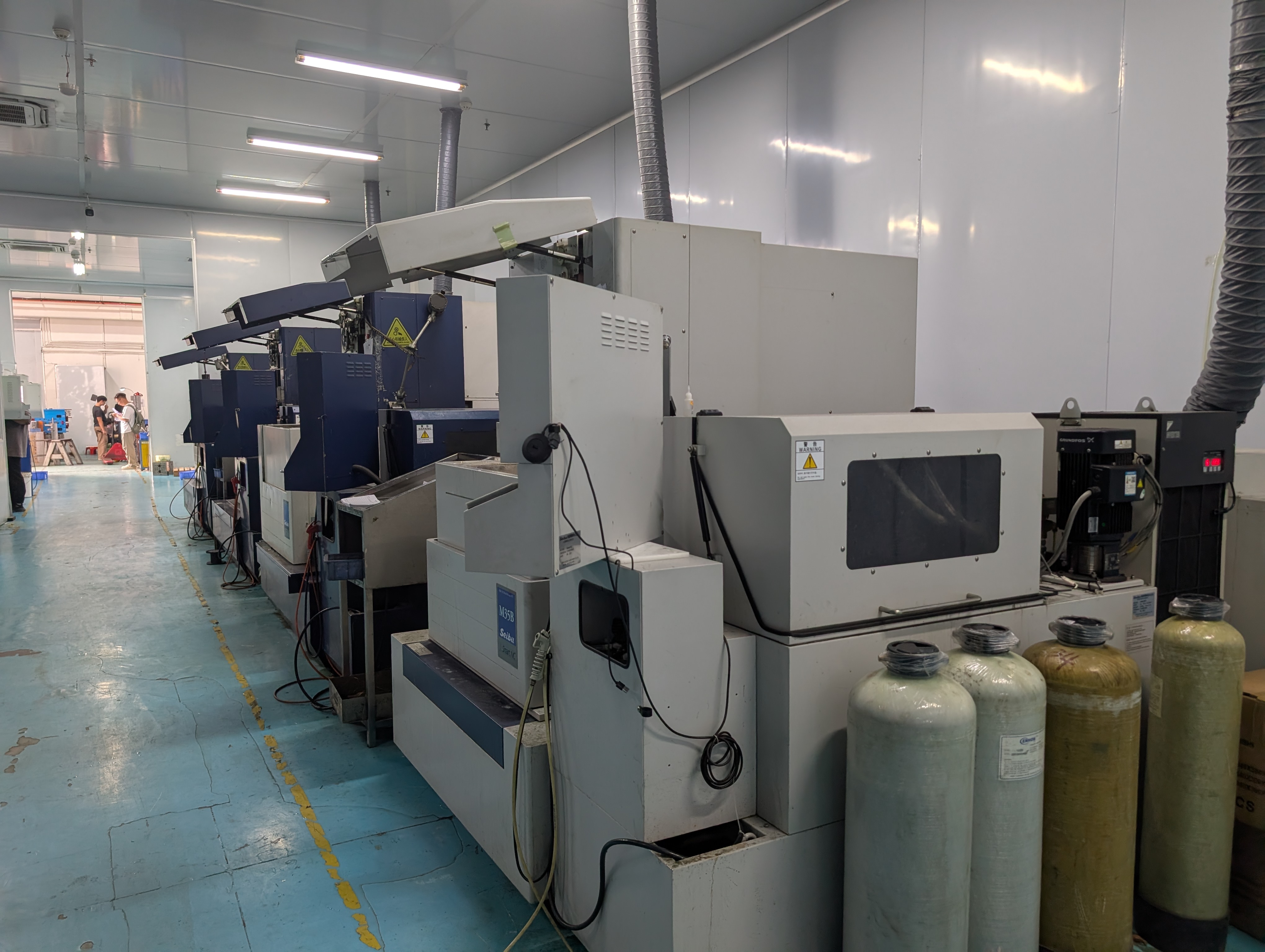
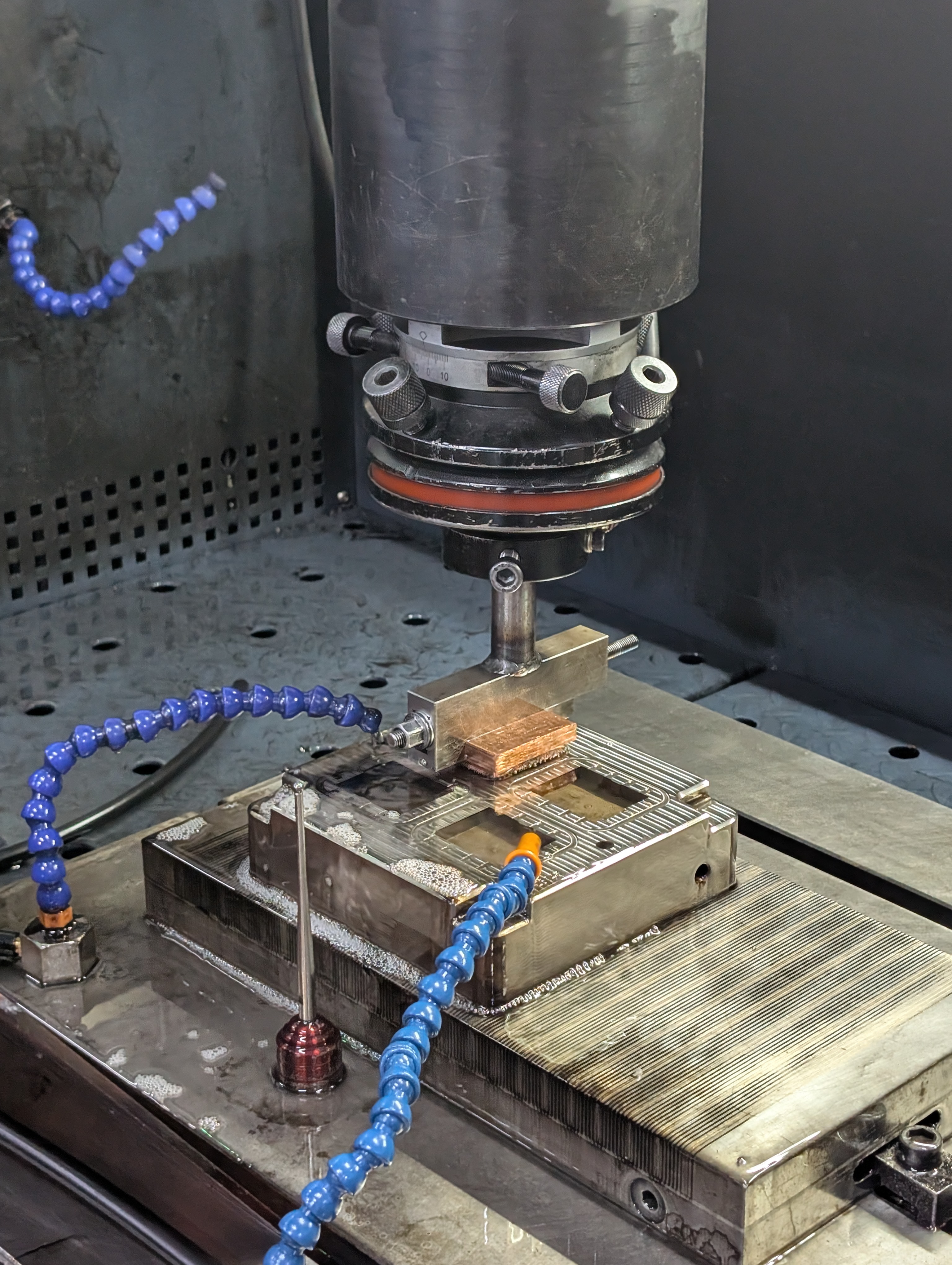
The foundation of reliable custom plastic molding begins with advanced equipment and modern technological infrastructure. A qualified custom plastic molding partner should operate state-of-the-art injection molding machines, computerized process controls, and precision tooling systems capable of achieving tight tolerances and complex geometries. Evaluate whether their custom plastic molding facility includes multi-cavity molds, hot runner systems, and automation technologies that enhance consistency and reduce cycle times. Ask about machine specifications, mold design capabilities, and their investment in emerging technologies like Industry 4.0 integration and real-time quality monitoring systems.
Production Volume and Scalability
Your custom plastic molding partner must demonstrate capacity to handle your current volume requirements while supporting future growth. Assess their production scheduling systems, inventory management capabilities, and ability to scale manufacturing without quality degradation. A reliable custom plastic molding provider maintains transparent communication about lead times, production capacity utilization, and their capacity roadmap. They should offer flexibility to adjust batch sizes, implement quick changeovers between different products, and accommodate seasonal demand fluctuations without compromising delivery commitments or part quality.
Quality Standards, Compliance, and Process Control
Certifications and Quality Management Systems
Quality assurance in custom plastic molding is non-negotiable for most industries, particularly medical, automotive, and consumer goods sectors. Verify that your custom plastic molding candidate maintains ISO 9001 certification, ISO 13485 for medical devices, or TS16949 for automotive applications. These certifications demonstrate a structured approach to quality management, documented processes, and continuous improvement. Request information about their quality documentation, statistical process control methods, and inspection protocols. A professional custom plastic molding partner should provide comprehensive quality reports, first article inspection certifications, and traceability documentation for each production batch.
Testing and Compliance Verification
Custom plastic molding processes must comply with industry regulations and material standards specific to your application. Evaluate whether the custom plastic molding provider can test for tensile strength, flexural modulus, dimensional accuracy, surface finish, and material composition. For consumer products, verify compliance with FDA food contact approvals, RoHS directives, and REACH regulations. Ensure their custom plastic molding facility maintains testing equipment calibration records and employs qualified personnel to conduct validation studies. Request examples of previous compliance documentation and third-party test reports to confirm their commitment to regulatory adherence.
Cost Structure, Transparency, and Long-Term Value
Pricing Models and Hidden Cost Analysis
Understanding the true cost of custom plastic molding requires more than comparing per-unit prices. Evaluate whether pricing includes tooling design, mold fabrication, setup charges, inspection costs, and packaging specifications. A transparent custom plastic molding partner breaks down all cost components and explains how pricing scales with volume increases. Request detailed quotes that itemize material costs, labor, overhead, and profit margins. Assess their willingness to collaborate on cost reduction strategies, such as material selection optimization, design for manufacturability analysis, or process efficiency improvements. The cheapest custom plastic molding option often results in higher total costs when quality issues, rework, and missed deadlines are factored in.
Relationship Building and Strategic Partnership
The best custom plastic molding partnerships extend beyond transactional vendor relationships. A strategic custom plastic molding partner invests time in understanding your business goals, market challenges, and competitive pressures. They proactively suggest design modifications to reduce costs, accelerate production cycles, or improve product performance. Evaluate their willingness to engage in regular communication, provide technical consultation, and collaborate on continuous improvement initiatives. Consider whether the custom plastic molding provider assigns dedicated account managers, offers expedited support for urgent issues, and maintains flexibility for special requests. Long-term relationships with a trusted custom plastic molding partner create mutual trust, institutional knowledge, and opportunities for innovation.
Due Diligence, References, and Site Evaluation
Reference Checks and Historical Performance
Before committing to a custom plastic molding partnership, conduct thorough reference checks with existing customers across various industries. Request contact information for clients with similar product complexity, production volumes, and quality requirements. Ask references specifically about on-time delivery performance, quality consistency, responsiveness to issues, and whether the custom plastic molding provider proactively communicates challenges. Inquire about their experience with design changes, emergency production runs, and how the custom plastic molding partner handled quality disputes or production delays. Strong reference feedback provides confidence that the custom plastic molding supplier consistently delivers on commitments.
Facility Visit and Operational Assessment
A site visit to the custom plastic molding facility reveals operational discipline, safety practices, and actual capabilities beyond what marketing materials convey. Observe the facility for cleanliness, organized material storage, equipment maintenance, and personnel training. Ask about their environmental practices, waste management, and sustainability initiatives related to custom plastic molding processes. Evaluate workplace safety records, employee retention rates, and skill development programs that contribute to production quality. During your custom plastic molding facility tour, assess whether processes are documented, staff can clearly explain their role in quality, and management demonstrates genuine commitment to operational excellence.
FAQ
What specific questions should I ask potential custom plastic molding partners during initial meetings?
Begin by asking about their custom plastic molding experience with your industry, specific products they manufacture, and their production capacity for your volume requirements. Inquire about their certifications, quality management systems, and typical defect rates or quality metrics. Ask how they handle design optimization, what their standard lead times are, and how they manage production scheduling. Request information about their supply chain resilience, business continuity plans, and whether they have backup suppliers for raw materials. Finally, ask about their approach to cost management, willingness to collaborate on improvements, and how they handle urgent or expedited orders.
How do I evaluate the financial stability of a custom plastic molding provider?
Request financial statements or credit references to assess the custom plastic molding partner's stability and ability to invest in equipment upgrades. Inquire about their business structure, years in operation, and whether they maintain appropriate insurance coverage. Ask about their customer concentration to ensure they are not overly dependent on one or two large clients, which could impact their commitment to your custom plastic molding needs. Check industry reputation through business databases and trade associations. A financially stable custom plastic molding partner is more likely to maintain equipment, invest in technology, and remain in business for the long term.
What role should design for manufacturability play in my custom plastic molding selection process?
Design for manufacturability is critical because a knowledgeable custom plastic molding partner can identify cost-saving opportunities and improve production efficiency before tooling begins. A quality custom plastic molding provider offers design consultation, simulation services, and recommendations for wall thickness optimization, gating strategies, and cooling efficiency. This proactive engagement during the custom plastic molding design phase can reduce tooling costs, accelerate time-to-market, and improve product quality. Evaluate whether potential custom plastic molding partners offer value-added engineering services and demonstrate genuine interest in optimizing your product design for their manufacturing processes.