Advanced Material Science and Biocompatibility
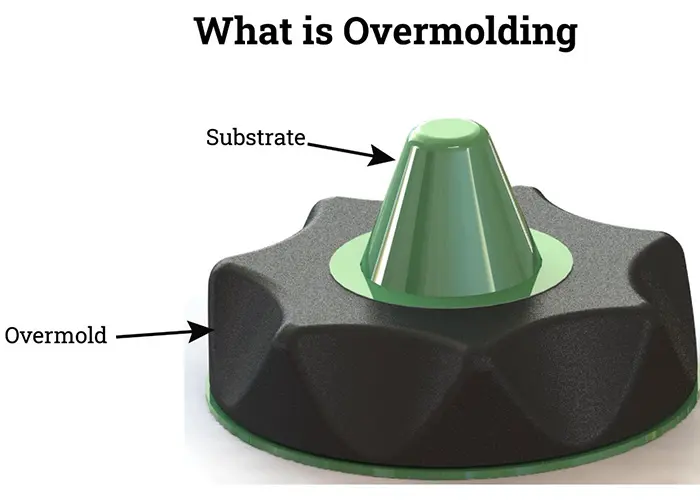
The sophisticated material capabilities of medical injection mold systems enable manufacturers to select optimal polymers for specific healthcare applications, ensuring products perform safely and effectively within the human body or in critical diagnostic roles. Understanding biocompatibility represents a fundamental requirement, and medical injection mold technology accommodates materials that have undergone extensive testing according to ISO 10993 standards, which evaluate biological responses including cytotoxicity, sensitization, irritation, and systemic toxicity. Common biocompatible polymers processed through medical injection mold systems include medical-grade polypropylene for syringes and containers, polycarbonate for transparent housings requiring impact resistance, polyethylene for flexible tubing and caps, and specialized engineering resins like PEEK for implantable device components requiring exceptional strength and chemical resistance. Each material brings distinct properties that medical injection mold processes must accommodate through precise temperature control, injection speed adjustment, and cooling rate optimization. Sterilization compatibility influences material selection significantly, as medical devices undergo various sterilization methods including ethylene oxide gas, gamma irradiation, electron beam radiation, or autoclave steam sterilization. Medical injection mold manufacturers must understand how these sterilization processes affect polymer properties, selecting materials and processing parameters that maintain mechanical integrity, dimensional stability, and appearance after repeated sterilization cycles. Some advanced polymers incorporate additives that enhance specific characteristics such as radiopacity for X-ray visibility, antimicrobial properties for infection prevention, or color-coding for product identification while maintaining biocompatibility and regulatory compliance. The medical injection mold process itself influences final material properties through factors like molecular orientation, crystallinity development, and residual stress patterns. Skilled mold designers optimize gate locations, runner dimensions, and cooling configurations to produce parts with uniform material properties and minimal internal stresses that could cause warping or failure during use. Multi-material capabilities represent an advanced feature of modern medical injection mold systems, enabling overmolding techniques that combine rigid and flexible polymers in single assemblies, creating comfortable grips on surgical instruments or hermetic seals in diagnostic devices. Insert molding capabilities allow encapsulation of metal components, electronic sensors, or filter membranes within plastic housings during the injection process, creating integrated assemblies with enhanced functionality while maintaining sterile, sealed construction suitable for medical applications.



 EN
EN