plastic injection moulding
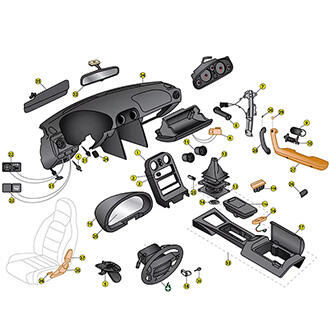
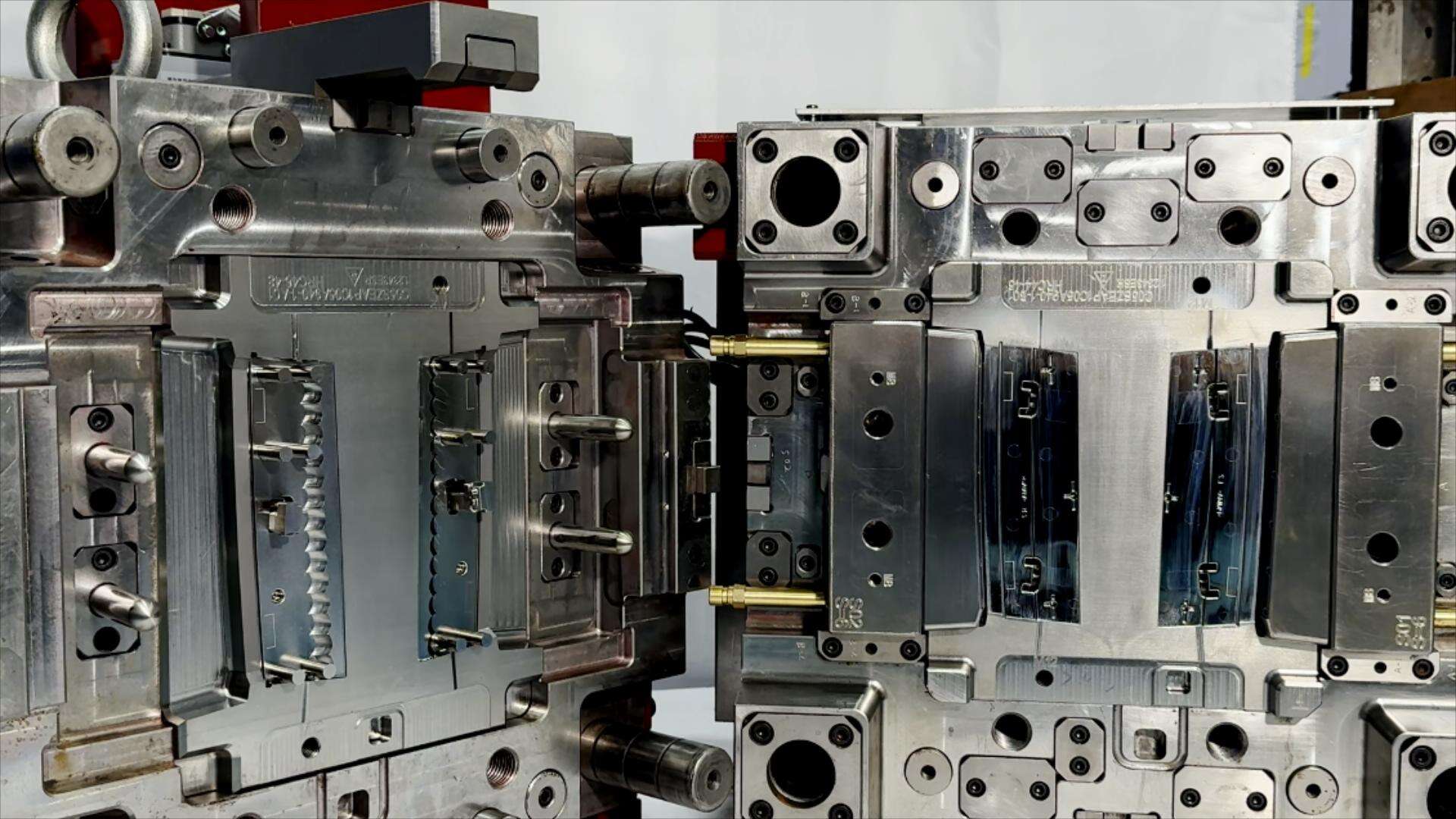
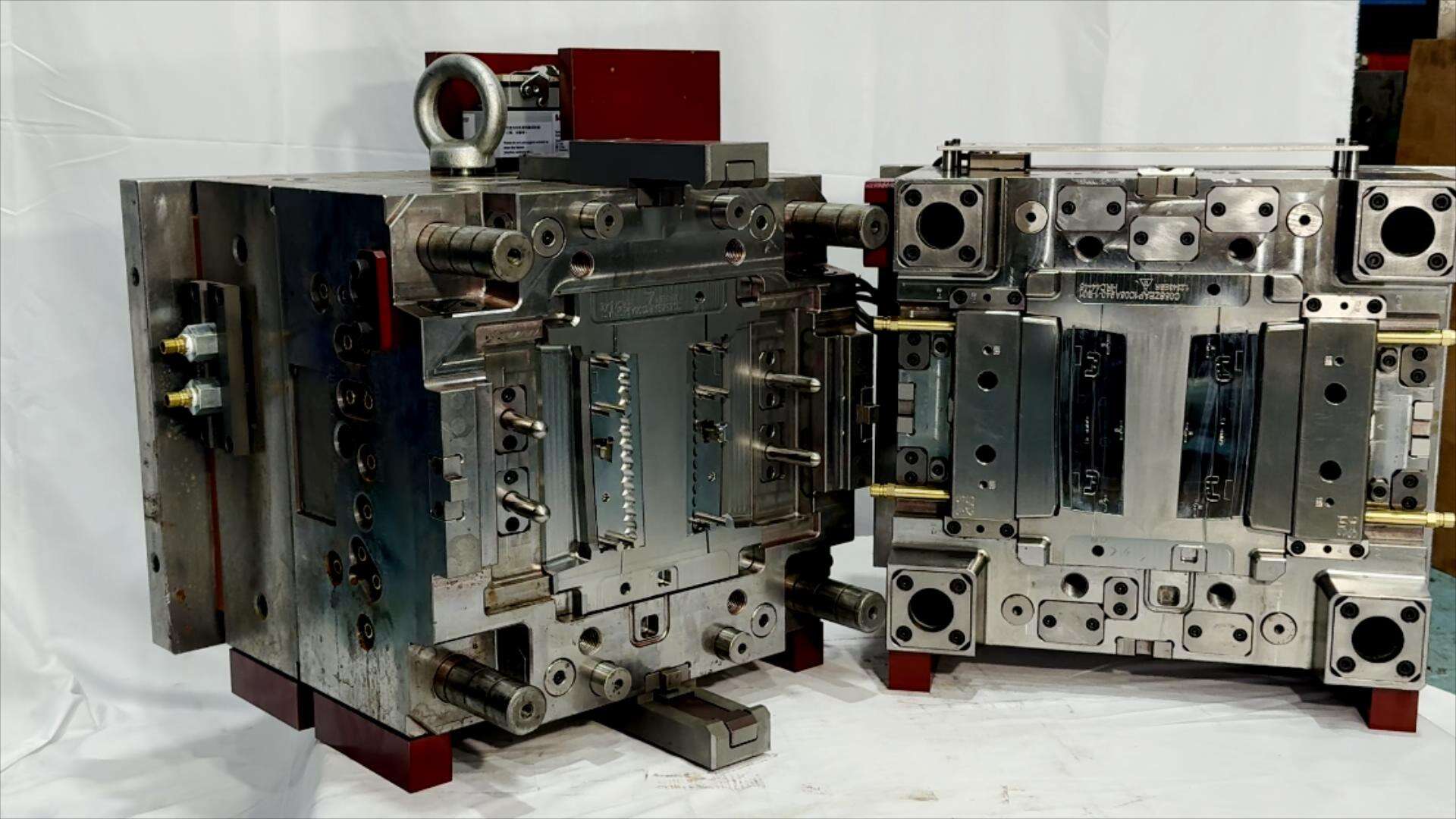
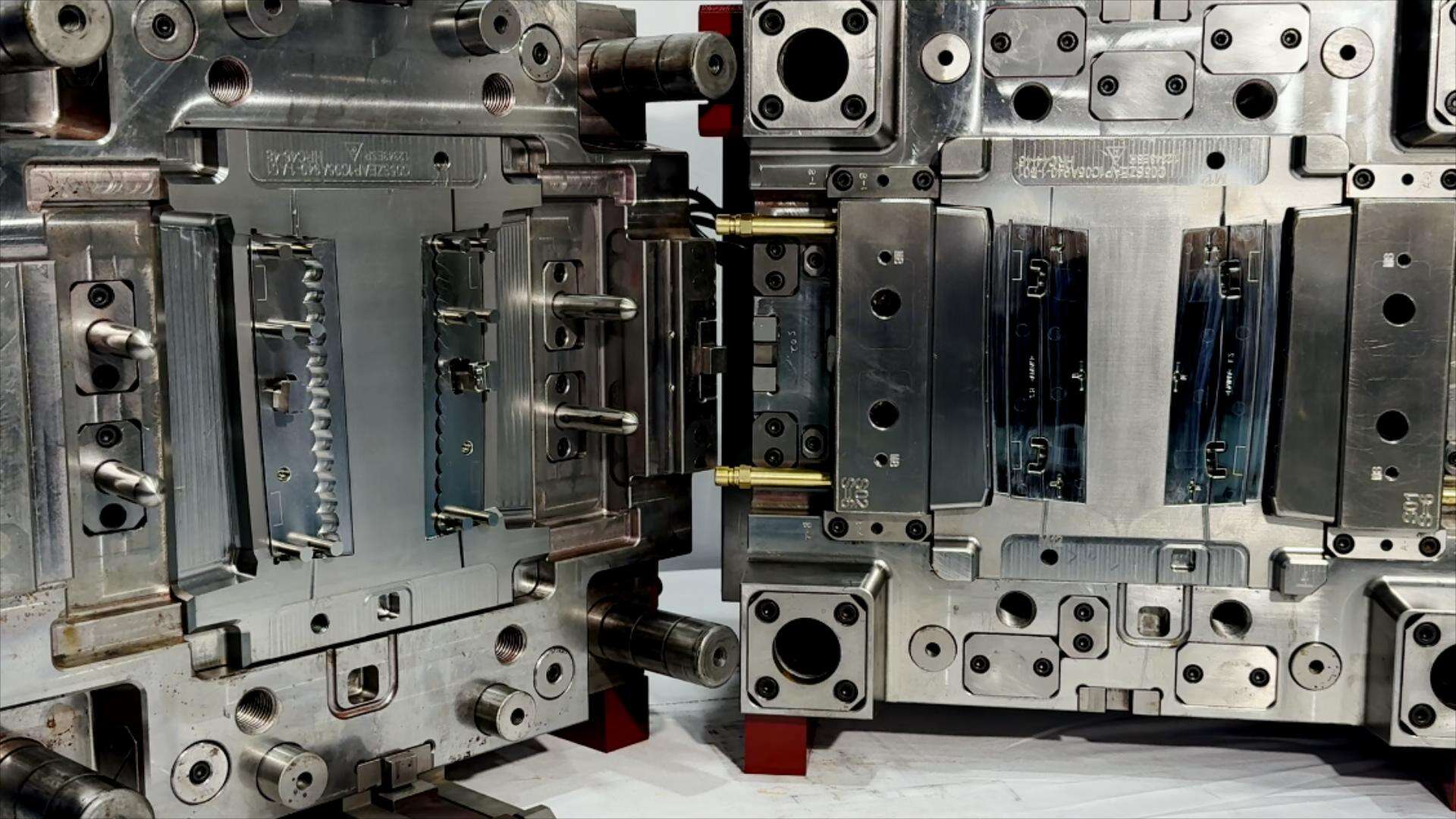
Plastic injection moulding stands as one of the most versatile and widely adopted manufacturing processes in modern industry. This sophisticated technique involves melting plastic pellets and injecting the molten material into a precisely designed mould cavity under high pressure. Once the plastic cools and solidifies, the mould opens to reveal a finished component that matches exact specifications. The process operates through a cycle that includes clamping, injection, cooling, and ejection phases, making it possible to produce thousands or even millions of identical parts with remarkable consistency. The main functions of plastic injection moulding encompass creating complex geometries, producing high volumes of parts efficiently, and maintaining tight tolerances that other manufacturing methods struggle to achieve. This process works with an extensive range of thermoplastic and thermosetting polymers, from common materials like polypropylene and polyethylene to engineering-grade resins such as ABS, nylon, and polycarbonate. The technological features that distinguish plastic injection moulding include computer-controlled injection units that regulate temperature, pressure, and injection speed with precision. Modern machines incorporate advanced hydraulic or electric systems that ensure repeatable results across production runs. Multi-cavity moulds enable simultaneous production of multiple parts in a single cycle, dramatically increasing output rates. The applications of plastic injection moulding span virtually every industry imaginable. Automotive manufacturers rely on this process for dashboard components, interior trim, and under-hood parts. The medical sector uses it to produce syringes, diagnostic equipment housings, and surgical instruments. Consumer electronics companies depend on plastic injection moulding for phone cases, computer housings, and appliance components. Packaging industries utilize this method for containers, caps, and closures. Toy manufacturers create everything from simple building blocks to intricate action figures using this technology. The construction industry employs injection-moulded parts for pipe fittings, electrical boxes, and hardware components. This manufacturing method continues to evolve with innovations in materials science, automation, and quality control systems, cementing its position as an indispensable production technique across global manufacturing landscapes.


 EN
EN