plastic molding manufacturing
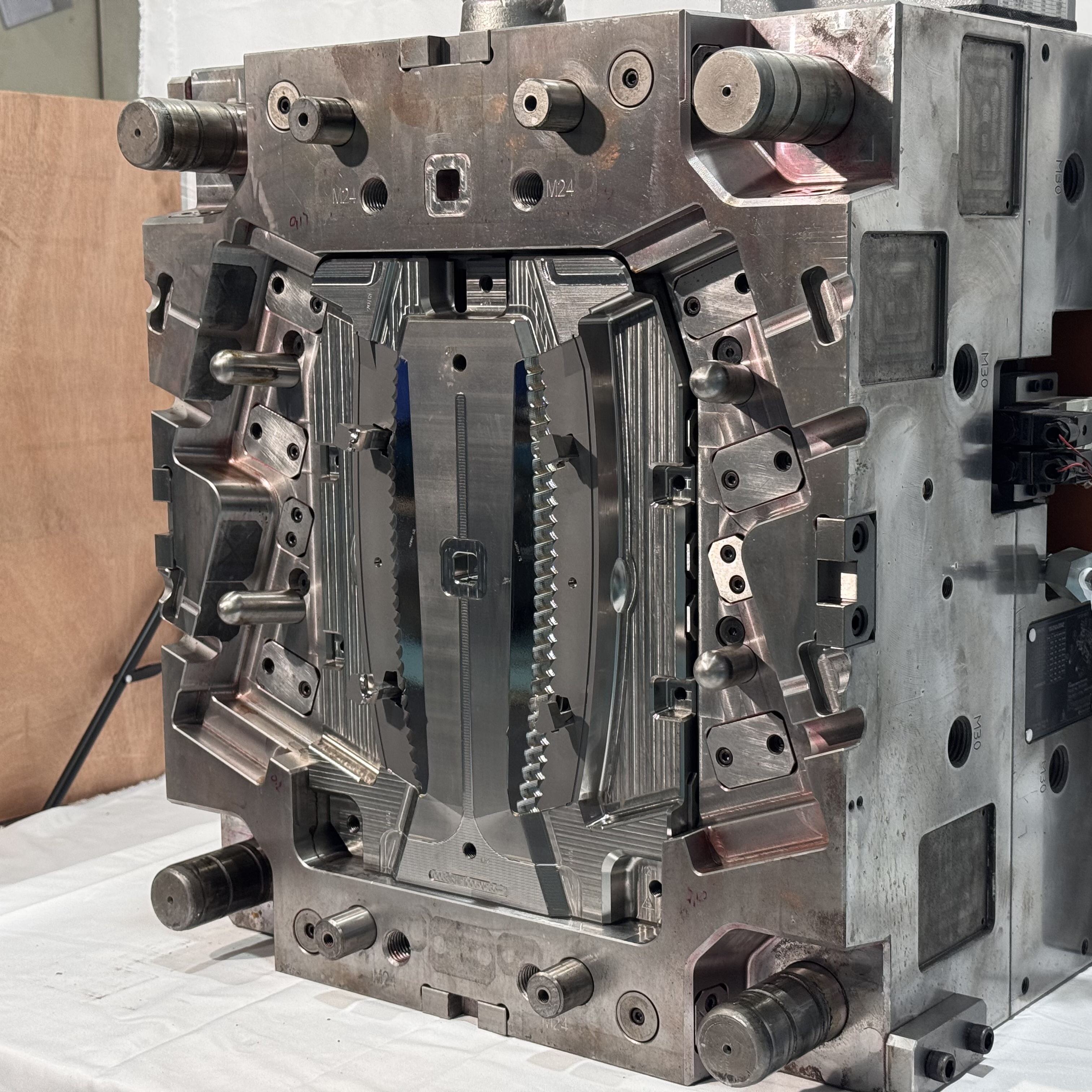
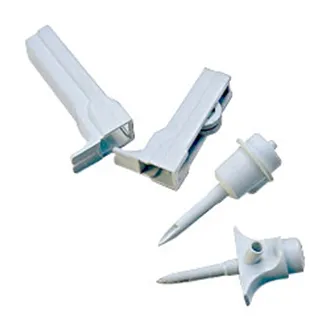
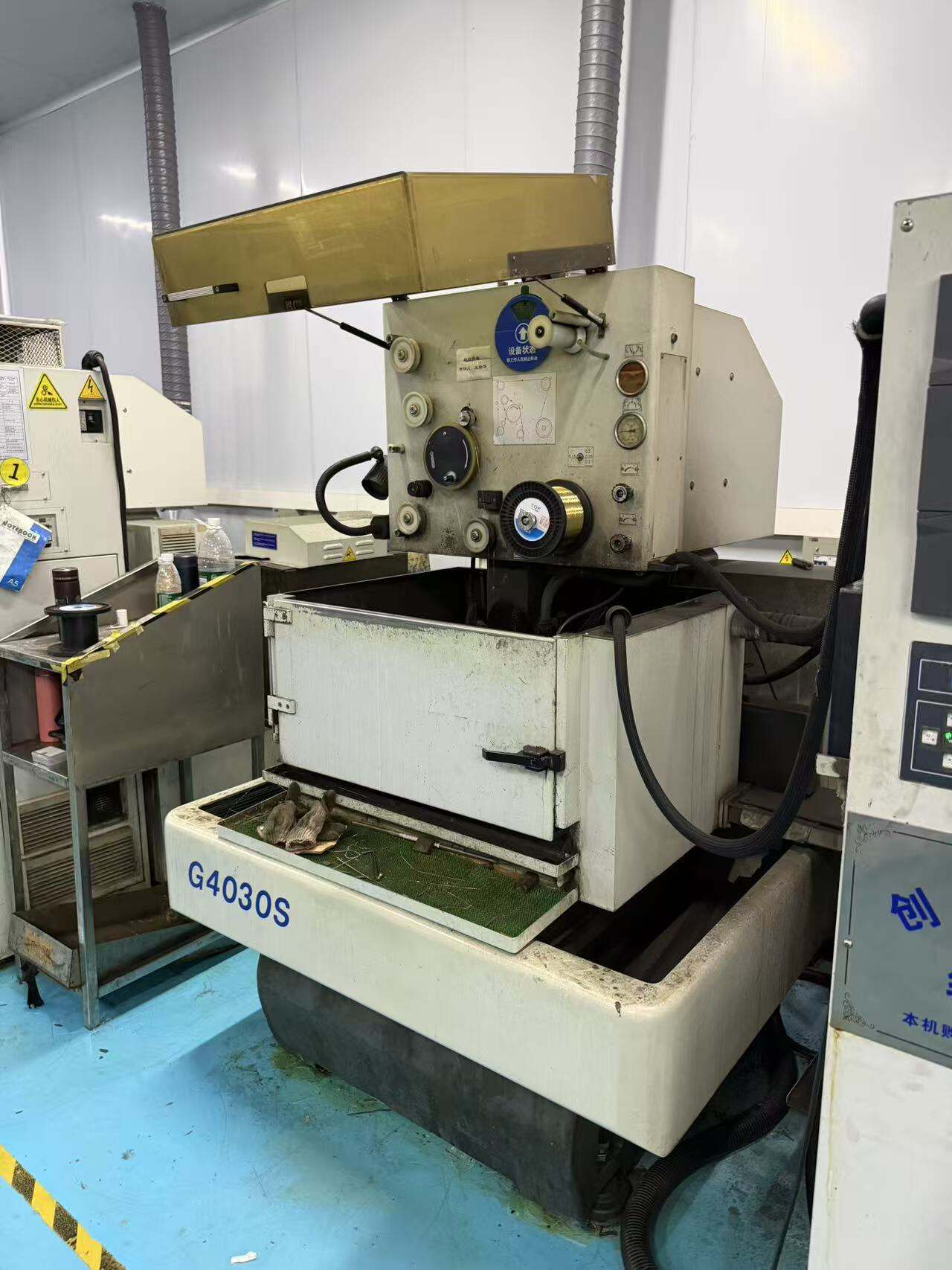
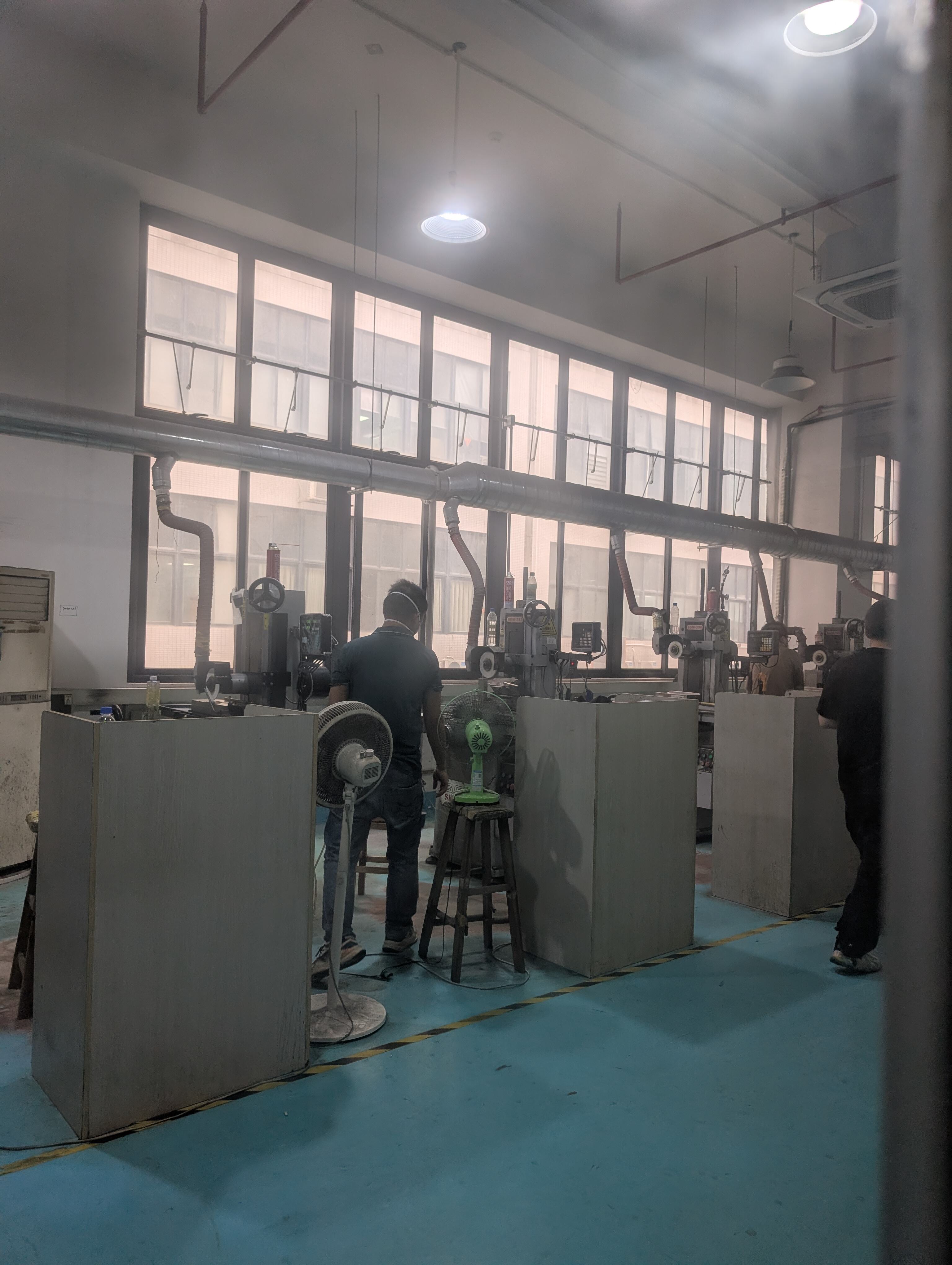
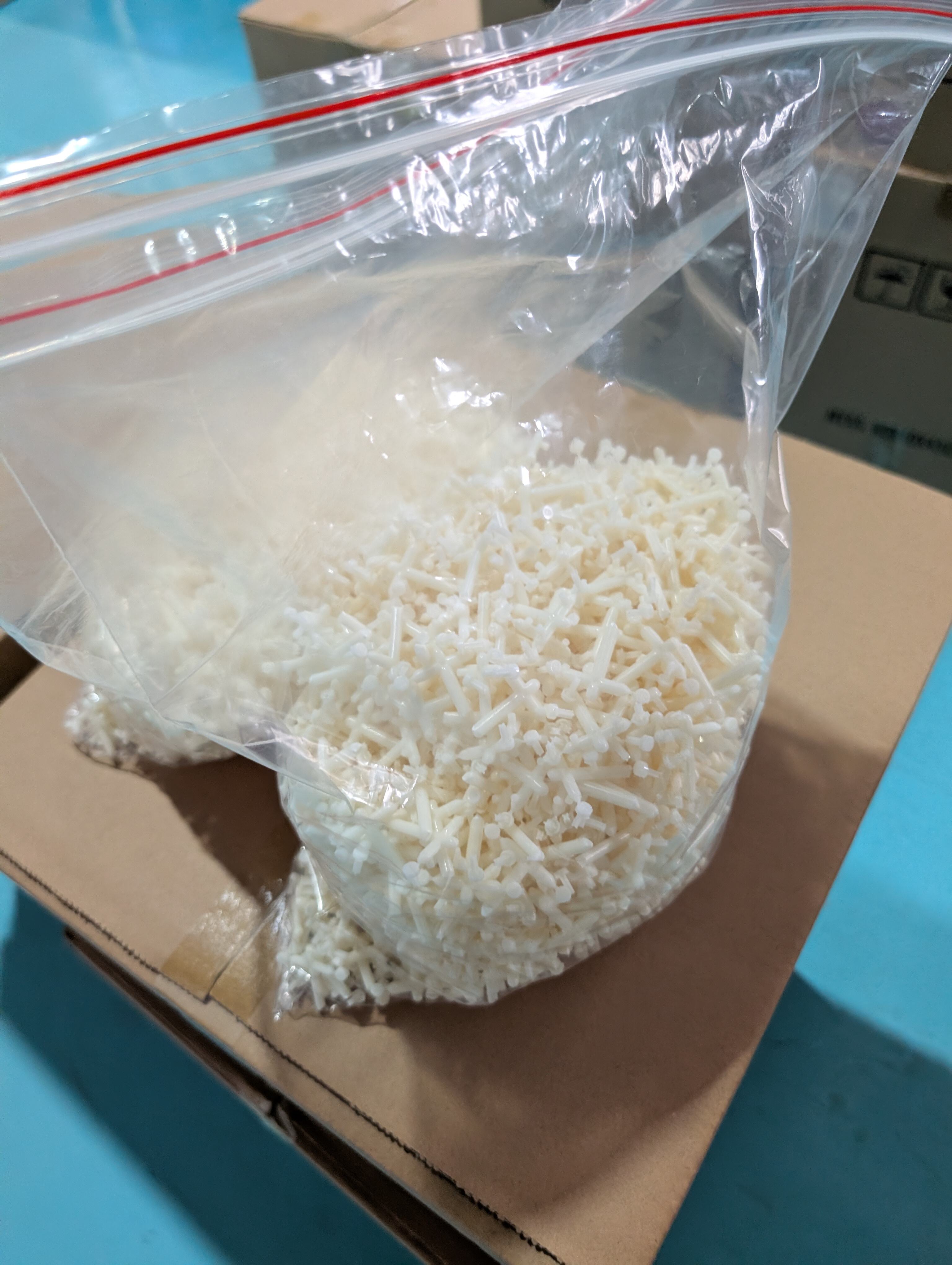
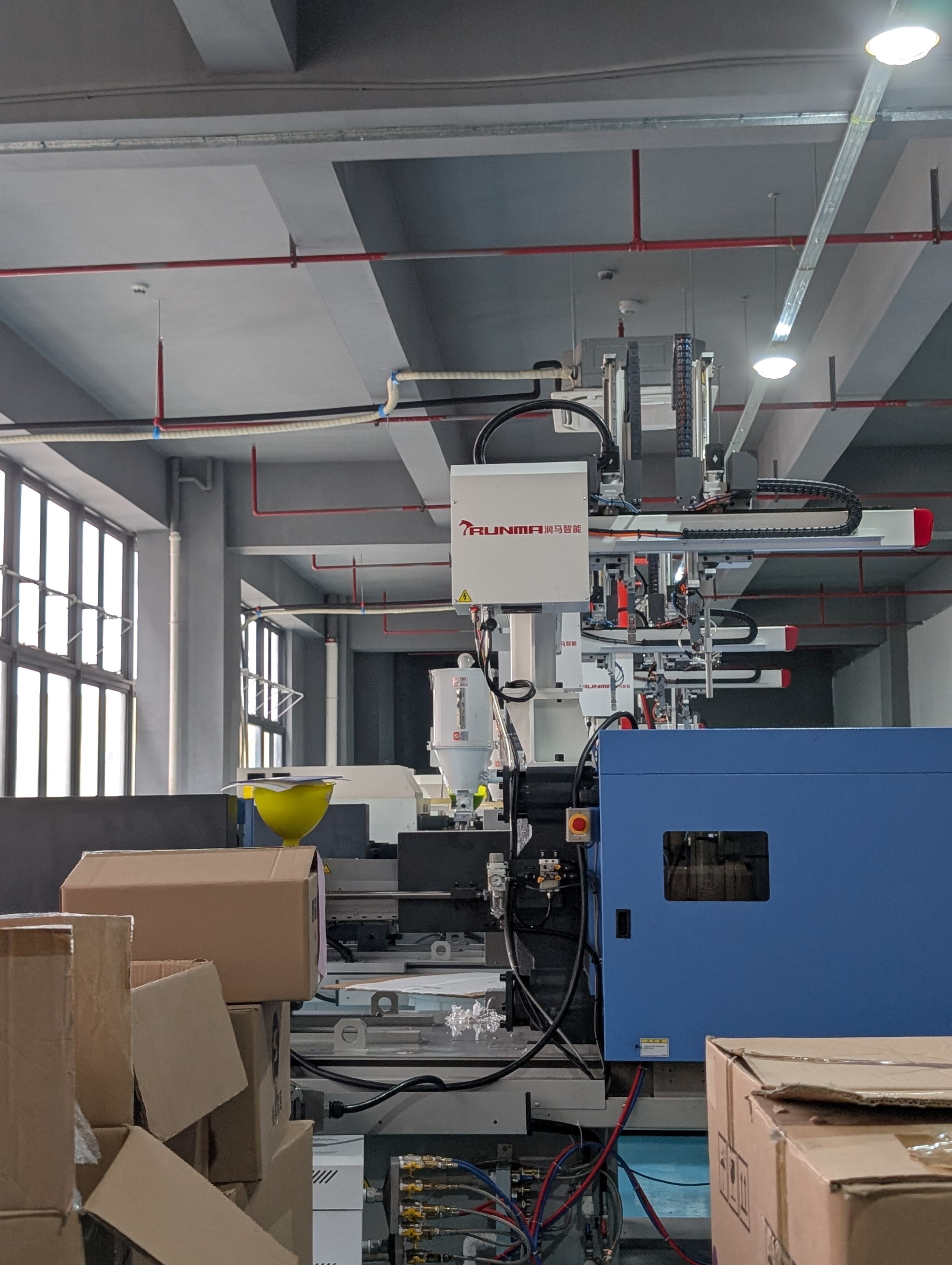
Plastic molding manufacturing represents a transformative production process that shapes raw plastic materials into finished products through carefully controlled heating, melting, and forming techniques. This sophisticated manufacturing method serves as the backbone of modern industrial production, enabling businesses to create everything from intricate medical components to large automotive parts with remarkable consistency and precision. The main functions of plastic molding manufacturing center on converting thermoplastic or thermosetting polymers into predetermined shapes using specialized molds and equipment. The process begins with feeding plastic resin into heated barrels where it melts into a pliable state, then injecting or pressing this material into precision-engineered molds that define the final product shape. Once cooled and solidified, the molded parts emerge with exact specifications matching design requirements. Technological features distinguishing plastic molding manufacturing include computer-controlled temperature regulation systems, hydraulic or electric injection mechanisms, and multi-cavity mold configurations that enable simultaneous production of multiple identical parts. Modern facilities incorporate advanced automation systems, robotic part removal, and real-time quality monitoring to ensure consistent output. The manufacturing process supports various techniques including injection molding, blow molding, compression molding, and rotational molding, each suited for specific product requirements and material characteristics. Applications span virtually every industry sector imaginable. Consumer electronics manufacturers rely on plastic molding manufacturing to produce housings, buttons, and internal components for smartphones, tablets, and computers. The automotive industry utilizes this process for dashboard components, exterior trim pieces, lighting fixtures, and under-hood parts. Medical device companies depend on plastic molding manufacturing for producing sterile syringes, diagnostic equipment housings, and surgical instruments. Packaging industries create bottles, containers, caps, and protective casings through these methods. The construction sector employs molded plastic components for plumbing fixtures, electrical enclosures, and building materials, while toy manufacturers shape countless products that bring joy to children worldwide through plastic molding manufacturing capabilities.


 EN
EN