Injection Manufacturing Solutions: Advanced Plastic Production Technology & Services

application/injection-manufacturing, application/injection-manufacturing, 
Get a Quote
Get a Quote

injection manufacturing

Injection manufacturing represents a pivotal production process that has revolutionized modern industry by enabling the mass production of complex plastic components with exceptional precision and consistency. This sophisticated manufacturing technique involves melting plastic material and injecting it under high pressure into a precisely engineered mold cavity, where it cools and solidifies into the desired shape. The injection manufacturing process serves multiple functions across diverse sectors, from automotive and medical devices to consumer electronics and packaging solutions. Its primary function centers on producing identical parts repeatedly with minimal variation, ensuring quality standards remain consistent throughout production runs. The technological features of injection manufacturing include advanced computerized controls that monitor temperature, pressure, and injection speed with remarkable accuracy. Modern injection manufacturing systems incorporate servo-driven machinery that optimizes energy consumption while maintaining superior precision. The process utilizes sophisticated tooling designs that accommodate intricate geometries, undercuts, and complex internal structures that would prove difficult or impossible to achieve through alternative manufacturing methods. Applications of injection manufacturing span virtually every industry segment, including the production of automotive interior components, medical syringes, smartphone cases, toy parts, kitchen utensils, and industrial components. The versatility of injection manufacturing allows manufacturers to work with various thermoplastic materials, including polyethylene, polypropylene, polystyrene, ABS, nylon, and specialized engineering plastics. This adaptability enables product designers to select materials based on specific performance requirements such as strength, flexibility, chemical resistance, or temperature tolerance. The injection manufacturing process typically operates in cycles lasting from seconds to minutes, depending on part size and complexity, making it exceptionally efficient for high-volume production. Furthermore, injection manufacturing supports sustainability initiatives through material recycling capabilities and reduced waste generation compared to subtractive manufacturing methods.

New Product Releases

Injection manufacturing delivers substantial cost savings for businesses producing medium to high volumes of plastic components, as the per-unit cost decreases significantly once initial tooling investments are recovered. Companies benefit from remarkably fast production cycles that allow thousands of identical parts to be manufactured within hours, dramatically reducing time-to-market for new products and enabling rapid fulfillment of customer orders. The process ensures exceptional consistency and repeatability, meaning every part produced meets the same quality standards without significant variation, which reduces rejection rates and minimizes costly rework. Manufacturers appreciate the design flexibility that injection manufacturing provides, allowing them to create parts with complex shapes, intricate details, and multiple features integrated into a single component, eliminating the need for secondary assembly operations. Material efficiency stands as another compelling advantage, as injection manufacturing generates minimal waste compared to traditional machining processes that cut away excess material. The ability to incorporate multiple materials through overmolding or insert molding techniques expands design possibilities and creates products with enhanced functionality. Labor costs remain relatively low because injection manufacturing requires minimal human intervention once production begins, with automated systems handling most operational tasks. Surface finish quality emerges directly from the mold, often eliminating the need for additional finishing operations and reducing overall production time. The strength and durability of injection-molded parts frequently exceed those of assembled components because the manufacturing process creates uniform molecular structures without weak joints or seams. Businesses gain competitive advantages through the capability to produce lightweight components that reduce shipping costs and improve product performance, particularly valuable in automotive and aerospace applications. Color consistency is easily maintained throughout production runs by incorporating pigments directly into the raw material, ensuring brand colors remain accurate across all manufactured units. The scalability of injection manufacturing allows companies to adjust production volumes efficiently, ramping up output to meet increased demand or scaling back during slower periods without significant operational disruptions. Environmental benefits include reduced energy consumption per part compared to alternative manufacturing methods and the ability to utilize recycled plastics, supporting corporate sustainability goals. Quality control becomes more manageable because the automated nature of injection manufacturing reduces variables that could introduce defects, while real-time monitoring systems can detect and correct issues before they affect large quantities of parts.

Practical Tips

Why choose a plastic molding company for large-scale production needs?

08

May

Why choose a plastic molding company for large-scale production needs?

Manufacturing leaders tasked with scaling production volumes face a pivotal decision: whether to invest in in-house tooling infrastructure or partner with a specialized plastic molding company. Large-scale production demands not only high output capa...
View More
Can injection molding companies handle complex multi-industry demands?

27

May

Can injection molding companies handle complex multi-industry demands?

Modern manufacturing landscapes present unique challenges that test the operational boundaries of production facilities across sectors. As businesses expand into diverse markets—from medical devices to automotive components, consumer electronic...
View More
How does plastic moulding reduce material waste in mass production?

08

May

How does plastic moulding reduce material waste in mass production?

In modern manufacturing environments, controlling material waste has become a strategic priority that directly impacts profitability, sustainability credentials, and operational efficiency. Plastic moulding stands as one of the most waste-efficient p...
View More
How does plastic injection molding service optimize production timelines?

27

May

How does plastic injection molding service optimize production timelines?

In today's competitive manufacturing landscape, speed and precision are not optional — they are baseline expectations. A well-structured plastic injection molding service plays a central role in helping manufacturers, product developers, and OE...
View More

Get a Free Quote

Our representative will contact you soon.
0/1000
Unmatched Production Efficiency and Speed

Unmatched Production Efficiency and Speed

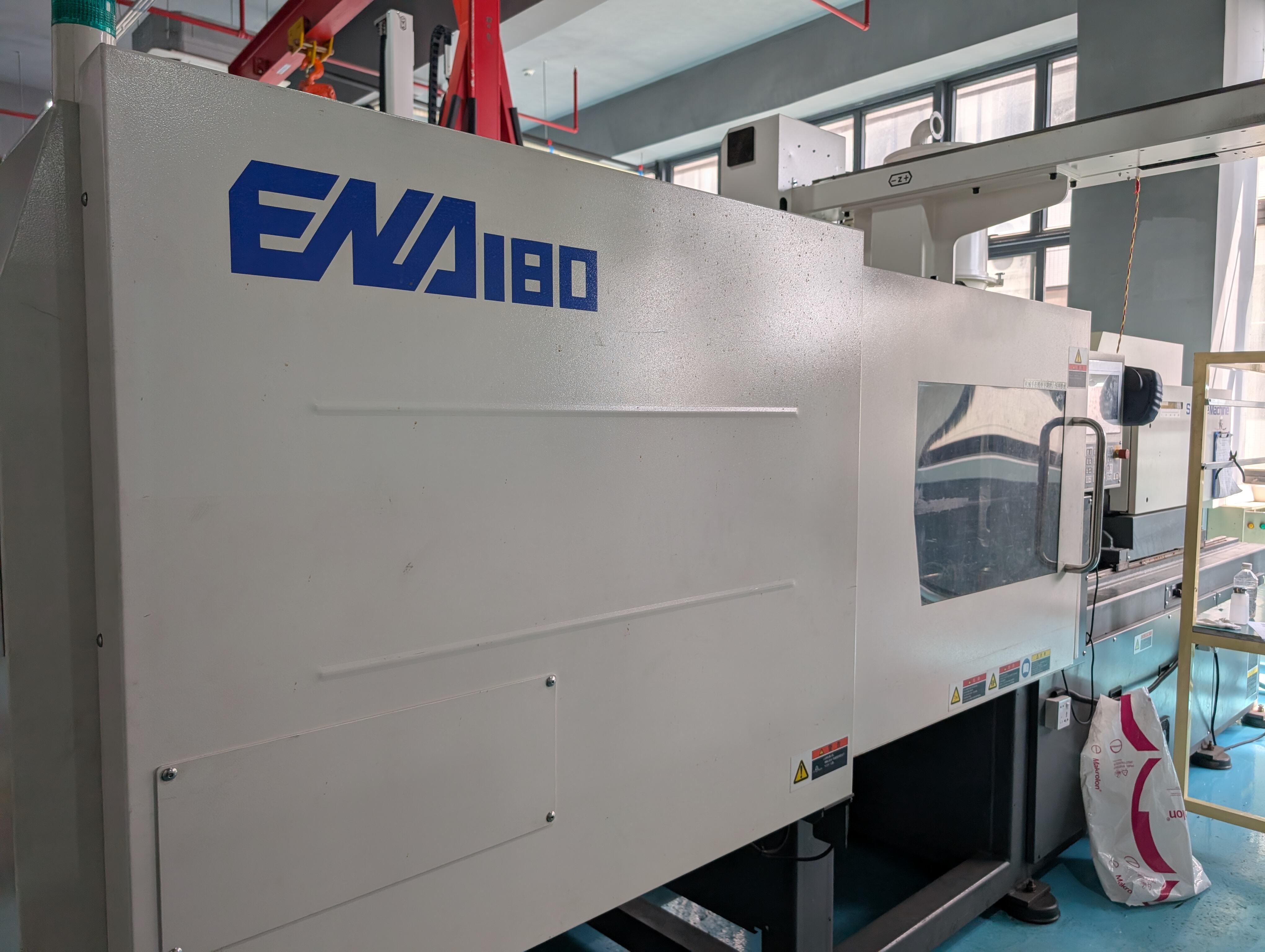
Injection manufacturing stands out in the industrial landscape for its extraordinary production efficiency that transforms raw plastic materials into finished components at speeds unattainable by most alternative manufacturing processes. The cycle time for injection manufacturing typically ranges from mere seconds for small parts to just a few minutes for larger, more complex components, enabling manufacturers to produce thousands or even millions of identical parts within relatively short timeframes. This remarkable speed stems from the highly automated nature of the process, where sophisticated machinery controls every aspect of production from material melting and injection to cooling and part ejection. Once the injection manufacturing equipment is properly configured and the mold is validated, production can continue virtually uninterrupted for extended periods, maximizing output and minimizing downtime. The efficiency gains become particularly pronounced when producing high volumes, as the initial setup time becomes negligible when distributed across thousands of units. Modern injection manufacturing systems incorporate advanced features such as hot runner technology that eliminates material waste in the runner system and reduces cycle times by keeping material in a molten state within the mold. Multi-cavity molds further amplify efficiency by producing multiple identical parts during each cycle, effectively multiplying output without proportionally increasing cycle time. The automated nature of injection manufacturing also ensures consistent quality throughout production runs, as computerized controls maintain precise parameters for temperature, pressure, injection speed, and cooling time. This consistency reduces the need for extensive quality inspections and virtually eliminates the variation that often plagues manual manufacturing processes. Manufacturers benefit from predictable production schedules and reliable delivery commitments to customers, strengthening business relationships and enhancing reputation. The speed of injection manufacturing also provides strategic advantages in rapidly changing markets, allowing companies to respond quickly to shifting consumer preferences or unexpected demand surges without extensive lead times. Energy efficiency represents another dimension of the overall efficiency profile, as modern injection manufacturing machines optimize power consumption through servo-driven systems that use energy only when needed rather than maintaining constant hydraulic pressure.
Exceptional Design Versatility and Complexity

Exceptional Design Versatility and Complexity

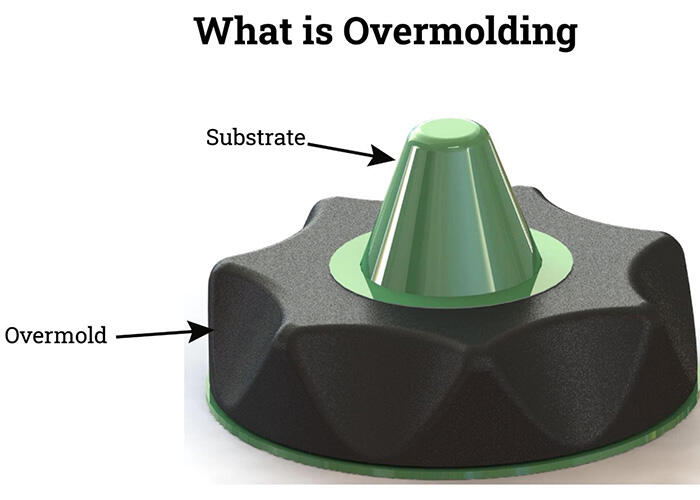
The design freedom offered by injection manufacturing empowers engineers and product developers to create components with geometric complexity and functional integration that would be impractical or impossible using conventional manufacturing techniques. This versatility manifests in the ability to produce parts with intricate internal passages, complex surface textures, precise dimensional tolerances, and elaborate external features all formed simultaneously during a single injection cycle. Designers can incorporate threads, hinges, snap fits, and mounting features directly into molded parts, eliminating assembly steps and reducing overall production costs. The injection manufacturing process accommodates wall thickness variations, allowing strategic reinforcement in high-stress areas while maintaining minimal material usage in less critical sections to optimize weight and material costs. Undercuts and complex geometries become achievable through specialized mold designs featuring side actions, lifters, and collapsing cores that move during the mold opening sequence. Surface finish quality can be precisely controlled through mold surface treatments, ranging from high-gloss polished finishes to textured surfaces that hide fingerprints or provide tactile feedback. Color and material variations within a single part are possible through overmolding techniques, where injection manufacturing deposits one material over another to create multi-material components with distinct functional zones. Insert molding capabilities allow metal components, electronics, or other materials to be encapsulated within plastic during the injection manufacturing process, creating hybrid parts that combine the benefits of different materials. This design versatility extends to material selection, as injection manufacturing accommodates an extensive range of thermoplastic resins with properties spanning from rigid and strong to flexible and elastic, from transparent to opaque, and from basic commodity plastics to advanced engineering polymers with specialized characteristics. Designers can specify materials with particular chemical resistance, thermal stability, electrical properties, or biodegradability to meet specific application requirements. The precision of injection manufacturing enables tight dimensional tolerances, often within a few hundredths of a millimeter, ensuring parts fit together properly in assemblies without extensive adjustment or modification. This precision, combined with design flexibility, allows manufacturers to consolidate multiple parts into single injection-molded components, reducing assembly complexity, minimizing potential failure points, and lowering overall production costs.

Superior Economic Value for Volume Production

Superior Economic Value for Volume Production

Injection manufacturing delivers exceptional economic value that becomes increasingly compelling as production volumes rise, making it the preferred choice for businesses seeking to optimize manufacturing costs while maintaining quality standards. The economic advantages begin with the amortization of tooling costs across production runs, where the initial investment in precision molds becomes negligible on a per-unit basis when producing thousands or millions of parts. Although mold creation requires upfront capital expenditure, this investment typically pays for itself rapidly once production commences, especially compared to the cumulative costs of alternative manufacturing methods over equivalent volumes. Material costs remain competitive because injection manufacturing utilizes raw plastic resin in pellet form, which is generally less expensive than pre-formed materials or semi-finished stock. The process efficiency means minimal material waste, as only the exact amount needed to fill the mold cavity plus a small runner system is consumed per cycle, and even this runner material can often be reground and reused. Labor costs are substantially reduced because injection manufacturing operates with minimal human intervention once production begins, requiring only periodic monitoring and material replenishment rather than continuous hands-on involvement. This labor efficiency allows a single operator to oversee multiple injection manufacturing machines simultaneously, further distributing labor costs across greater output. The speed of injection manufacturing translates directly into economic benefits by maximizing equipment utilization and generating revenue more quickly from production assets. Secondary operations are often eliminated because injection manufacturing can integrate features and achieve surface finishes directly from the mold, avoiding additional machining, finishing, or assembly steps that would increase costs and extend lead times. Quality consistency reduces economic losses from defective parts, rework, and warranty claims, as the repeatability inherent in injection manufacturing ensures each part meets specifications without significant variation. Inventory carrying costs decrease because the rapid production capabilities of injection manufacturing enable just-in-time manufacturing strategies, reducing the need to maintain large stockpiles of finished goods. Transportation and logistics costs benefit from the lightweight nature of plastic components produced through injection manufacturing, as reduced weight translates to lower shipping expenses. Energy efficiency in modern injection manufacturing equipment minimizes operational costs, while predictable maintenance requirements allow for planned servicing that avoids costly unexpected downtime. The scalability of injection manufacturing provides economic flexibility, allowing manufacturers to adjust production volumes to match demand without substantial changes to operational costs per unit. Global competitiveness improves as the cost advantages of injection manufacturing enable businesses to price products competitively while maintaining healthy profit margins, supporting market expansion and business growth.