Dramatic Cost Reduction Through Manufacturing Process Consolidation
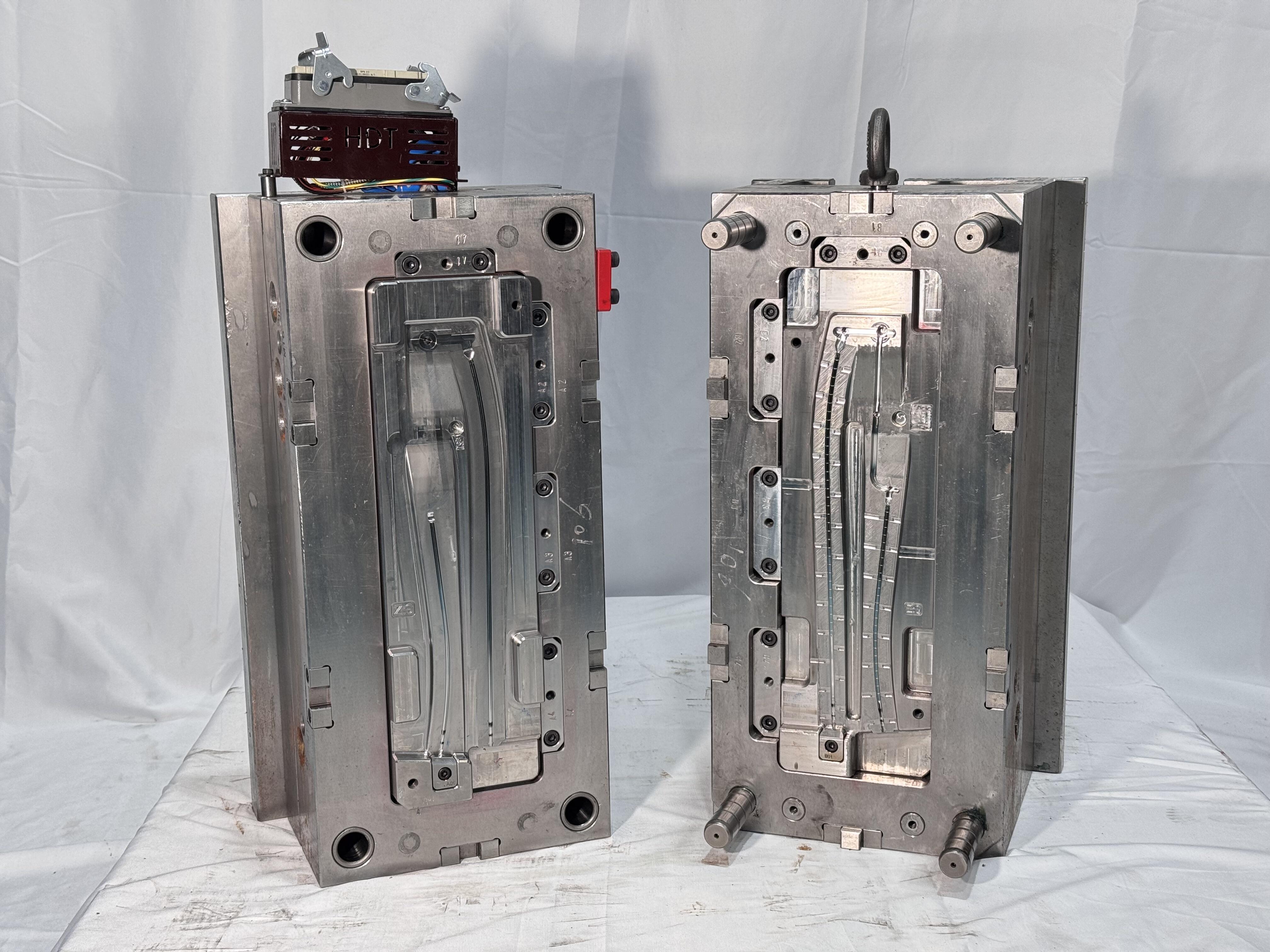
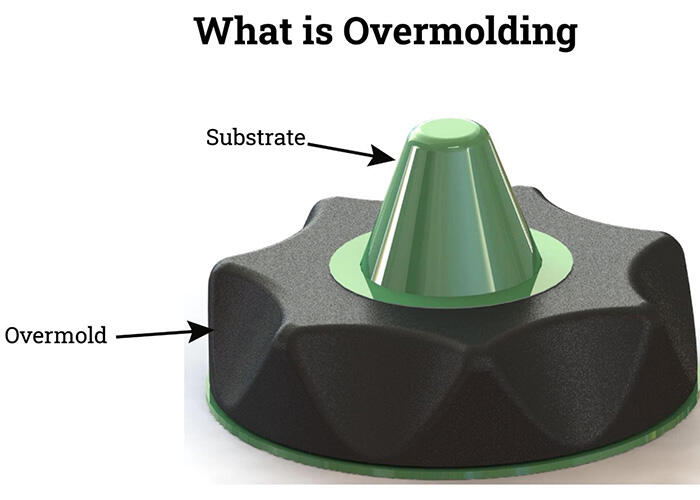
Implementing insert injection mold technology delivers substantial cost savings by consolidating multiple manufacturing operations into a single efficient production step, fundamentally transforming your cost structure and competitive position. Traditional manufacturing approaches require separate processes including plastic injection molding, insert installation through ultrasonic welding or heat staking, quality inspection of assembly integrity, and often additional fasteners or adhesives to ensure component security. Each of these steps adds labor costs, equipment expenses, floor space requirements, and potential quality defects. The insert injection mold eliminates these separate operations entirely by accomplishing everything during the initial molding cycle. This consolidation reduces your direct labor requirements substantially because operators no longer perform secondary assembly operations. Instead, automated insert placement systems position components precisely in the mold cavity before each injection cycle, with modern robotic systems handling thousands of parts per shift with minimal supervision. The labor savings compound over production volumes, with high-volume manufacturers recovering equipment investments within months through reduced staffing needs. Beyond direct labor, you eliminate the capital equipment costs associated with ultrasonic welders, heat staking machines, adhesive dispensing systems, and dedicated assembly workstations. This equipment reduction frees valuable factory floor space for additional production capacity or other value-generating activities. The technology also reduces your inventory carrying costs because you stock only the specific inserts required rather than maintaining supplies of various fasteners, adhesives, and assembly hardware. This simplified bill of materials streamlines purchasing, reduces storage requirements, and minimizes obsolescence risks when product designs change. Quality-related costs decrease dramatically because the process inherently creates consistent, reliable bonds without depending on operator skill or attention during assembly operations. You experience fewer defects, reduced scrap rates, and lower inspection requirements, all contributing to improved profit margins. Energy consumption per part typically decreases as well because you eliminate the power requirements of secondary assembly equipment while the primary molding process remains essentially unchanged. For companies producing millions of components annually, these energy savings represent meaningful operational cost reductions. The faster cycle times enabled by eliminating secondary operations increase your effective production capacity without capital investment in additional molding machines. This throughput improvement allows you to serve larger orders, respond to demand spikes, or allocate capacity to new product introductions without expanding your physical manufacturing footprint.


 EN
EN