Home Appliance Injection Mold Solutions - Precision Manufacturing for Quality Components

application/home-appliance-injection-mold, application/home-appliance-injection-mold, 
Get a Quote
Get a Quote

home appliance injection mold

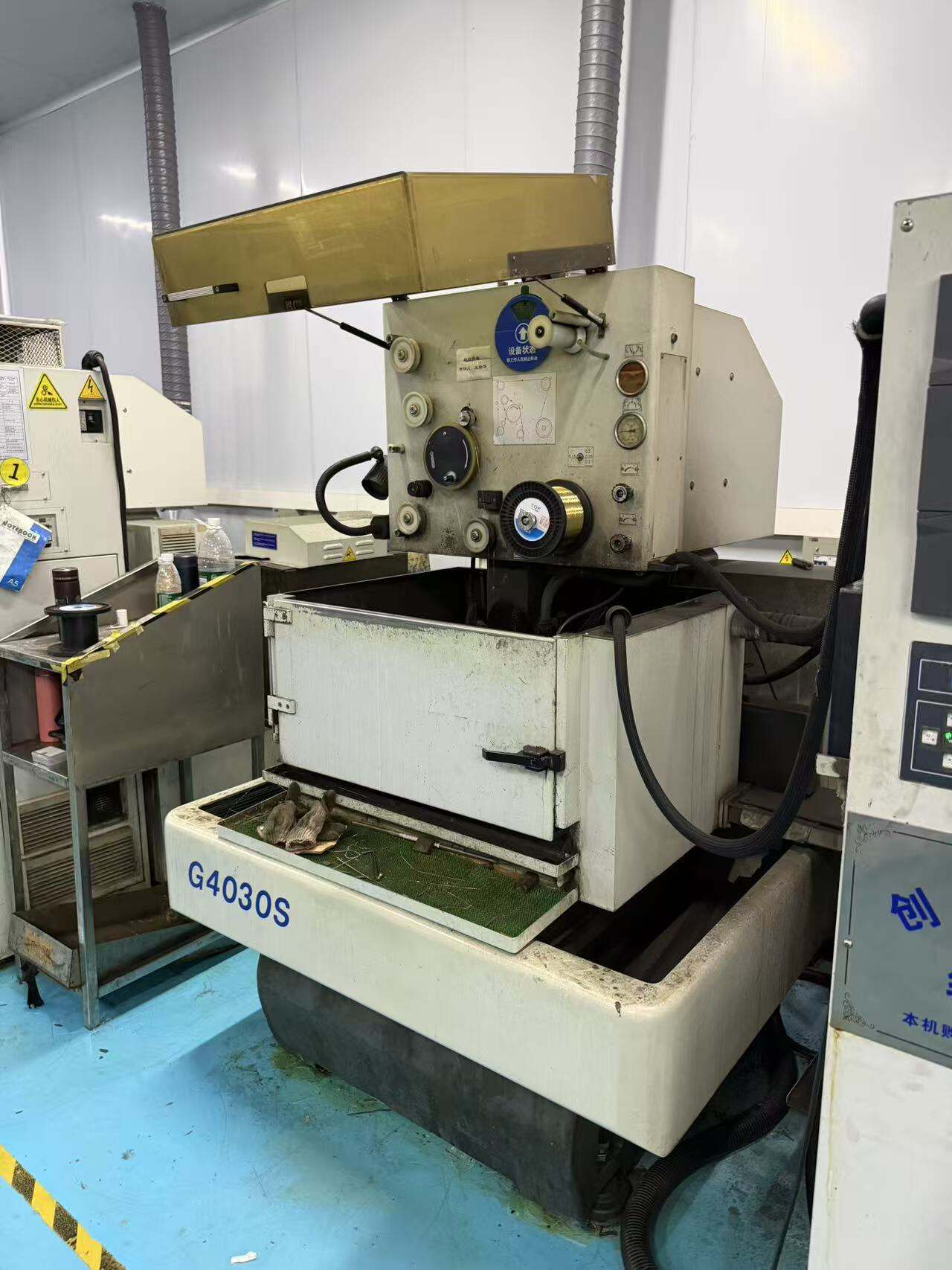
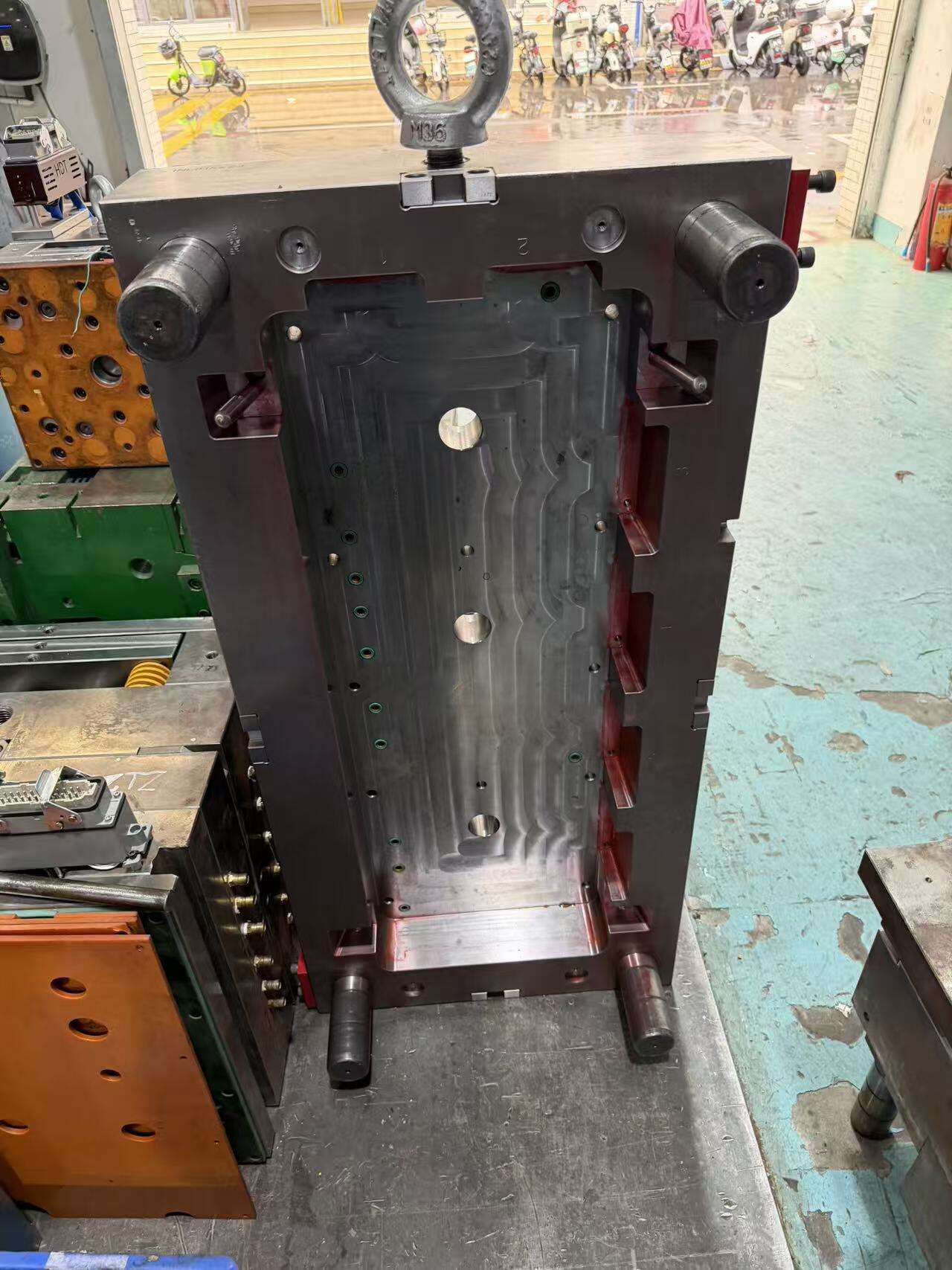
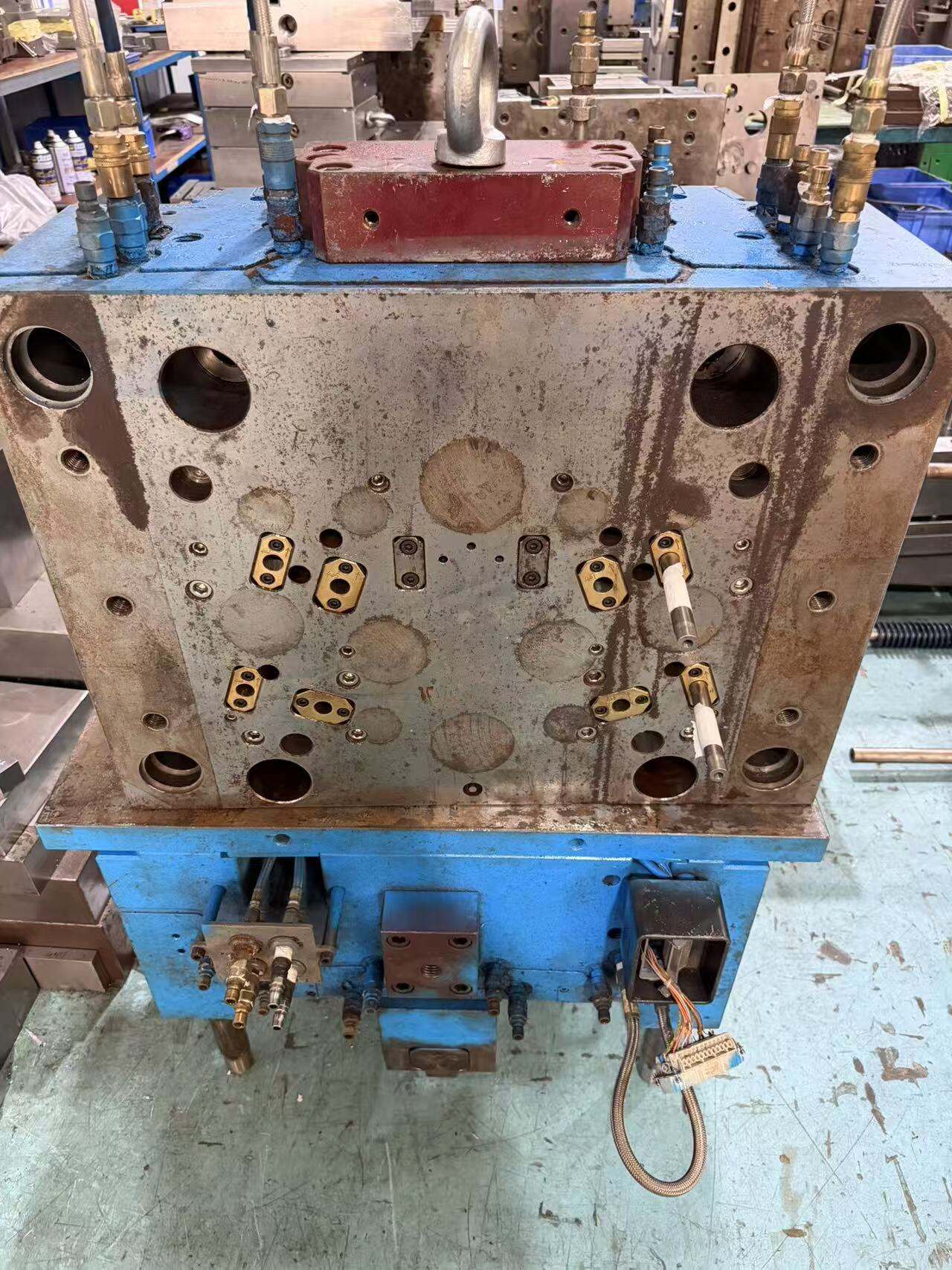
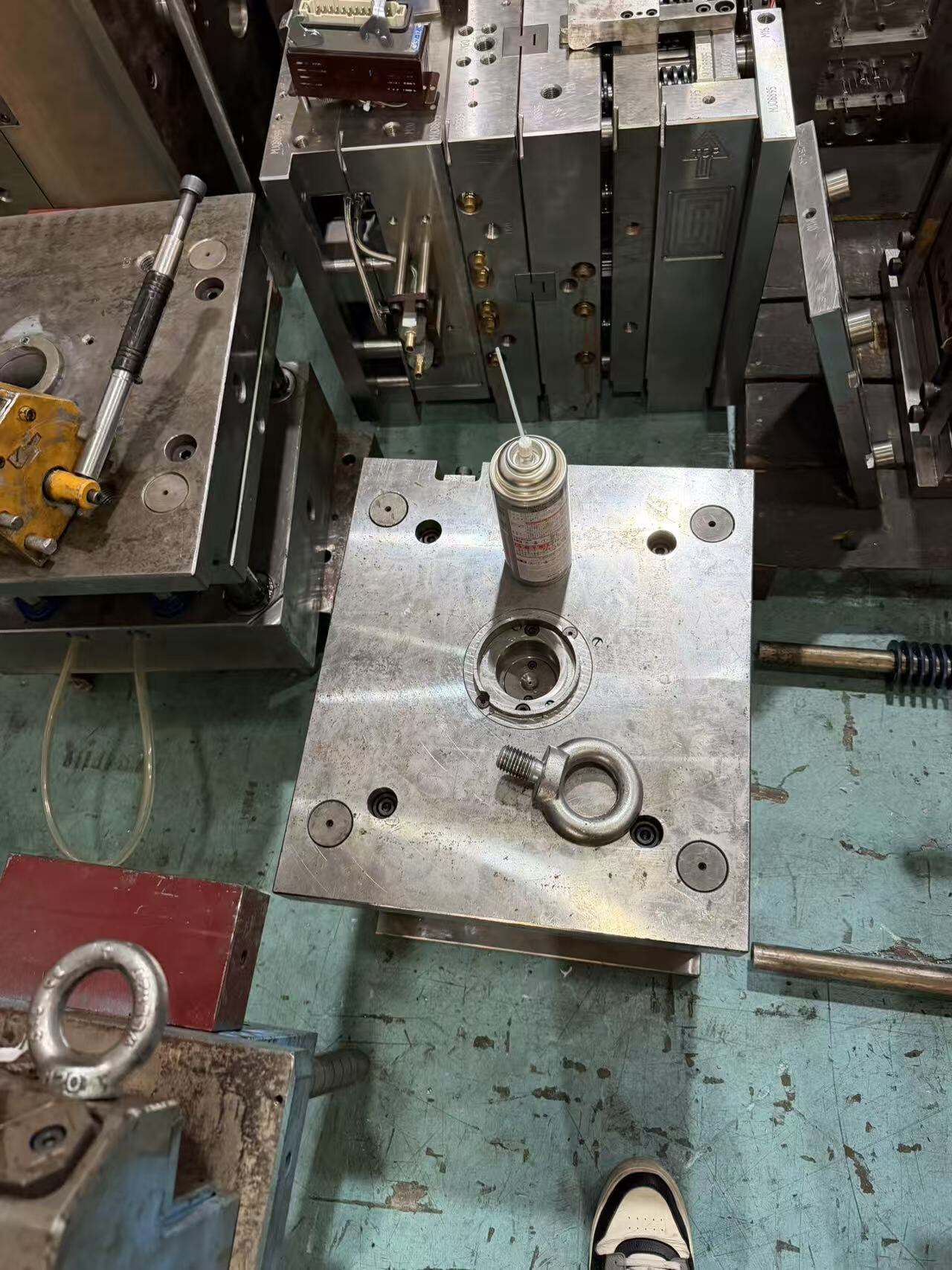
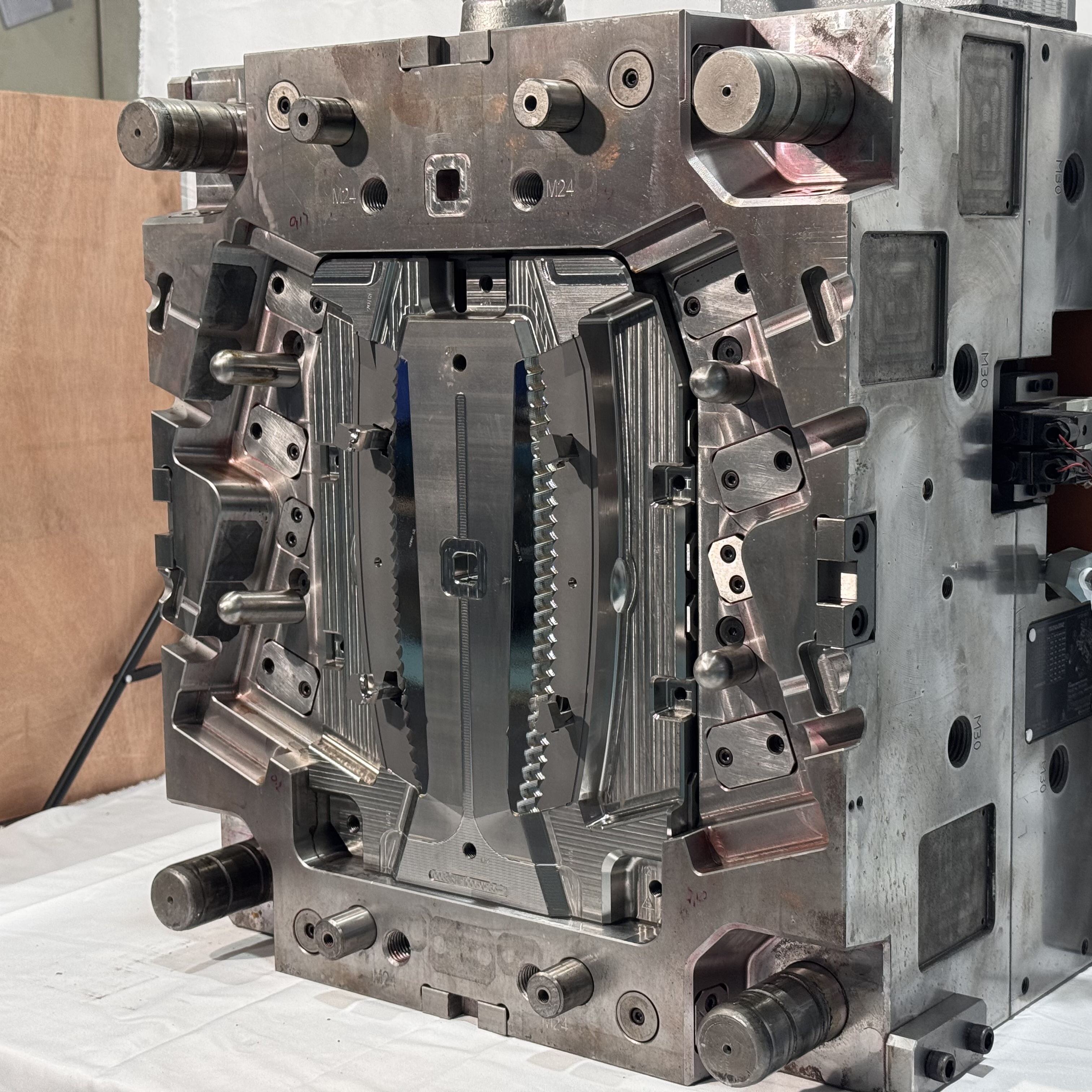
Home appliance injection mold represents a critical manufacturing tool that shapes the modern consumer electronics and household equipment industry. This specialized molding system creates plastic components for refrigerators, washing machines, air conditioners, vacuum cleaners, microwaves, and countless other household devices that people rely on daily. The home appliance injection mold operates by injecting molten plastic material into precisely engineered cavities, where it cools and solidifies into exact specifications. These molds feature complex geometries and tight tolerances to ensure every produced part meets strict quality standards. The technological backbone of home appliance injection mold manufacturing includes computer-aided design software, precision machining centers, electrical discharge machining equipment, and advanced simulation tools that predict material flow and cooling patterns. Main functions encompass producing consistent parts at high volumes, maintaining dimensional accuracy across thousands or millions of cycles, and enabling cost-effective mass production. Home appliance injection mold systems integrate cooling channels that regulate temperature throughout the molding process, ejection mechanisms that safely remove finished parts, and multi-cavity designs that simultaneously produce multiple components. The applications span across exterior housings, internal structural supports, decorative trim pieces, functional buttons, knobs, handles, and intricate mechanical assemblies. Modern home appliance injection mold technology incorporates hot runner systems that minimize material waste, conformal cooling that enhances cycle efficiency, and modular construction that allows quick changeovers between different product lines. The molds utilize hardened steel or aluminum alloys selected based on production volume requirements and expected lifespan. Surface finishes range from high-gloss polished textures to matte grain patterns that hide fingerprints and scratches. The home appliance injection mold industry continuously evolves with innovations in automation, sensor integration for quality monitoring, and sustainable materials that reduce environmental impact while maintaining performance standards.

New Product Releases

Choosing home appliance injection mold technology delivers substantial economic benefits that directly impact your bottom line. This manufacturing method reduces per-unit costs dramatically when producing large quantities, making it the most economical choice for mass-market appliances. The initial investment in a home appliance injection mold pays for itself quickly through consistent output and minimal labor requirements. You gain remarkable production speed, with cycle times often measured in seconds rather than minutes, allowing your facility to manufacture thousands of components daily from a single mold. The home appliance injection mold process eliminates secondary finishing operations in most cases, as parts emerge ready for assembly with smooth surfaces and precise dimensions. Material efficiency reaches impressive levels because the system uses only the exact amount of plastic needed, and any excess can be recycled back into production. You maintain exceptional quality control since the home appliance injection mold creates identical parts cycle after cycle, reducing defect rates and customer complaints. Design flexibility stands as another major advantage, enabling you to incorporate complex features like living hinges, snap-fit connections, threaded inserts, and textured surfaces directly into the molding process. The home appliance injection mold accommodates a wide range of thermoplastic materials, from cost-effective polypropylene to engineering-grade resins with enhanced strength, heat resistance, or flame retardancy. Your products gain competitive advantages through lightweight construction that reduces shipping costs while maintaining structural integrity. The automation capabilities of home appliance injection mold systems minimize human error and allow round-the-clock operation with minimal supervision. You can respond quickly to market demands by adjusting production volumes without sacrificing quality or efficiency. The durability of properly maintained home appliance injection mold tooling means you can produce millions of parts before requiring refurbishment. Environmental benefits include reduced waste compared to subtractive manufacturing methods and the ability to use recycled plastic content. The home appliance injection mold process supports modern sustainability initiatives while delivering the performance consumers expect. Your manufacturing flexibility increases as you can produce different colors, finishes, and even material combinations through overmolding techniques. The consistent wall thickness achieved through home appliance injection mold technology ensures uniform strength and appearance across every component. Your design teams appreciate the freedom to innovate, knowing that complex geometries remain manufacturable at scale without compromising cost targets or production schedules.

Tips And Tricks

How to choose reliable suppliers for custom plastic injection molding?

29

Apr

How to choose reliable suppliers for custom plastic injection molding?

Selecting the right partner for custom plastic injection molding represents one of the most critical decisions manufacturing businesses face when developing new products or scaling production. The supplier you choose directly impacts product quality,...
View More
How does plastic moulding reduce material waste in mass production?

08

May

How does plastic moulding reduce material waste in mass production?

In modern manufacturing environments, controlling material waste has become a strategic priority that directly impacts profitability, sustainability credentials, and operational efficiency. Plastic moulding stands as one of the most waste-efficient p...
View More
What makes plastic moulding essential for high-volume manufacturing today?

27

May

What makes plastic moulding essential for high-volume manufacturing today?

In the modern industrial landscape, few manufacturing processes have proven as indispensable as plastic moulding. As production demands escalate across industries ranging from automotive to consumer electronics, the ability to manufacture complex, co...
View More
What Are the Key Steps Involved in Professional Mold Making?

27

May

What Are the Key Steps Involved in Professional Mold Making?

Professional mold making is one of the most technically demanding disciplines in modern manufacturing. Whether you are producing plastic components, rubber parts, or composite structures, the quality of the mold directly determines the quality, consi...
View More

Get a Free Quote

Our representative will contact you soon.
0/1000
Superior Precision Engineering for Perfect Component Fit

Superior Precision Engineering for Perfect Component Fit

The home appliance injection mold delivers extraordinary dimensional accuracy that ensures every component fits perfectly during assembly, eliminating the frustrating gaps, misalignments, and quality issues that plague inferior manufacturing methods. This precision stems from advanced CNC machining processes that create mold cavities with tolerances measured in micrometers, guaranteeing that plastic parts replicate these exact specifications across millions of production cycles. When you invest in quality home appliance injection mold tooling, you secure manufacturing consistency that protects your brand reputation and reduces warranty claims. The engineering process begins with detailed three-dimensional modeling that analyzes how molten plastic flows through runners and gates, identifying potential weak points, air traps, or areas where material might degrade. Mold designers optimize gate locations to minimize visible marks on cosmetic surfaces while ensuring complete cavity filling. The home appliance injection mold incorporates scientifically positioned cooling channels that extract heat uniformly, preventing the warping and distortion that occurs with uneven temperature distribution. This controlled cooling becomes especially critical for large components like refrigerator doors or washing machine drums, where even slight deviations compromise functionality. The precision extends to parting line management, where the two mold halves meet, ensuring minimal flash that would require trimming and creating clean edges that enhance product appearance. Home appliance injection mold systems utilize guided ejection mechanisms that push finished parts from cavities without deformation, maintaining the dimensional integrity established during molding. The repeatability proves invaluable for appliances with multiple plastic components that must interface correctly, such as control panels with precisely positioned button arrays or housing assemblies with snap-fit features requiring exact spacing. Your production benefits from reduced assembly time since parts consistently align on the first attempt, eliminating the labor costs and frustration of forcing ill-fitting components together. The home appliance injection mold precision enables tighter aesthetic standards, with uniform gaps between panels and smooth transitions that communicate quality craftsmanship to consumers. This engineering excellence supports your product differentiation in competitive markets where build quality influences purchasing decisions and customer satisfaction ratings.
Accelerated Production Cycles That Maximize Manufacturing Output

Accelerated Production Cycles That Maximize Manufacturing Output

The remarkable speed of home appliance injection mold manufacturing transforms production economics by generating finished components in seconds rather than the minutes or hours required by alternative processes, directly multiplying your facility's output capacity and revenue potential. Modern home appliance injection mold systems achieve cycle times as low as fifteen to thirty seconds for small to medium components, meaning a single mold can produce between one hundred and two hundred parts per hour depending on complexity and cooling requirements. This velocity stems from optimized thermal management where strategically placed cooling channels rapidly extract heat from molten plastic, accelerating solidification without inducing thermal stress that might compromise mechanical properties. The home appliance injection mold process automation further enhances speed by eliminating manual intervention between cycles, with robotic systems removing finished parts, inspecting for defects, and placing them directly onto conveyors or into packaging. Your manufacturing flexibility increases dramatically when you can switch from producing one appliance component to another by changing molds in under an hour, minimizing downtime and maximizing equipment utilization rates. The speed advantages compound when using multi-cavity home appliance injection mold designs that simultaneously produce four, eight, sixteen, or even thirty-two identical parts per cycle, essentially multiplying output without additional floor space or operator requirements. Hot runner technology eliminates the cooling time needed for conventional sprues and runners, shaving precious seconds from every cycle while reducing material waste. Your production planning becomes more responsive to market fluctuations since the home appliance injection mold process scales efficiently from prototype quantities to millions of units without fundamental process changes. The rapid production enables just-in-time manufacturing strategies that reduce inventory carrying costs and warehouse space requirements. Quality inspection integrates seamlessly at production speeds through automated vision systems that examine every part during ejection, identifying defects instantly and preventing non-conforming components from reaching assembly lines. The home appliance injection mold speed advantage proves especially valuable for seasonal products or promotional appliances where compressed time-to-market windows determine commercial success. Your competitive position strengthens when you can fulfill large orders quickly, responding to retailer demands during peak seasons without the lead time penalties that frustrate customers and create lost sales opportunities.
Exceptional Material Versatility for Diverse Application Requirements

Exceptional Material Versatility for Diverse Application Requirements

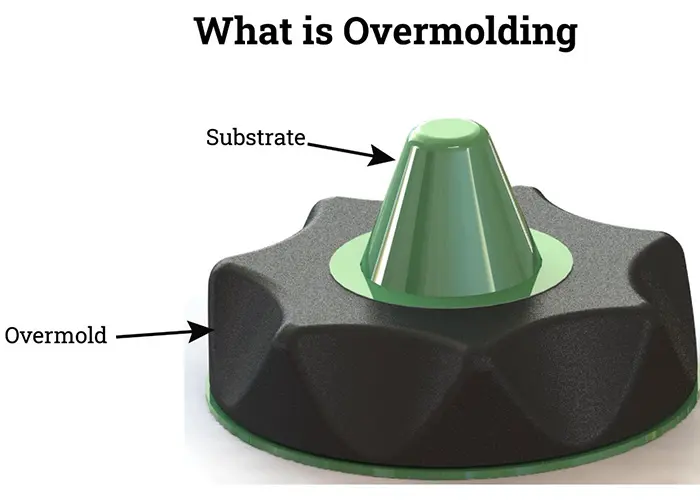
The home appliance injection mold process accommodates an impressive spectrum of thermoplastic materials, each offering distinct performance characteristics that address specific functional requirements, environmental conditions, and cost targets across diverse household appliance applications. Standard materials like polypropylene provide excellent chemical resistance, low moisture absorption, and outstanding cost-effectiveness for components like washing machine tubs, food storage containers, and interior refrigerator linings where durability and economy matter most. The home appliance injection mold easily processes acrylonitrile butadiene styrene, commonly known as ABS, which delivers superior impact resistance and surface finish quality for visible components like vacuum cleaner housings, blender bases, and control panel bezels that must withstand daily handling while maintaining aesthetic appeal. Engineering-grade resins expand possibilities further, with materials like polycarbonate offering transparency for viewing windows and exceptional toughness for safety-critical components, while glass-filled nylon provides the rigidity and heat resistance necessary for structural parts near motors or heating elements. Your design teams gain creative freedom knowing the home appliance injection mold can incorporate flame-retardant additives that meet stringent safety certifications for products used near heat sources or electrical components. The material versatility extends to color possibilities, with pigments added directly during processing to achieve consistent hues throughout each part, eliminating painting operations that add cost and environmental concerns. Home appliance injection mold technology supports overmolding techniques that combine different materials in a single component, such as rigid structural plastic with soft-touch elastomers for ergonomic handles that enhance user comfort and grip security. Your product differentiation opportunities multiply through specialty materials like antimicrobial plastics for food-contact surfaces, UV-stabilized resins for components exposed to sunlight, and recycled content materials that support sustainability marketing claims without compromising performance. The home appliance injection mold process parameters adjust to accommodate each material's unique processing window, from injection pressure and temperature to cooling rates and mold release requirements. This adaptability ensures optimal properties in finished parts regardless of resin selection. Your manufacturing remains responsive to material cost fluctuations and supply chain dynamics since the home appliance injection mold can often process alternative resins with similar properties when primary choices become expensive or scarce, protecting your margins and production continuity during market volatility.