High Precision Injection Mold Solutions | Superior Quality Manufacturing Tools

application/high-precision-injection-mold, application/high-precision-injection-mold, 
Get a Quote
Get a Quote

high precision injection mold

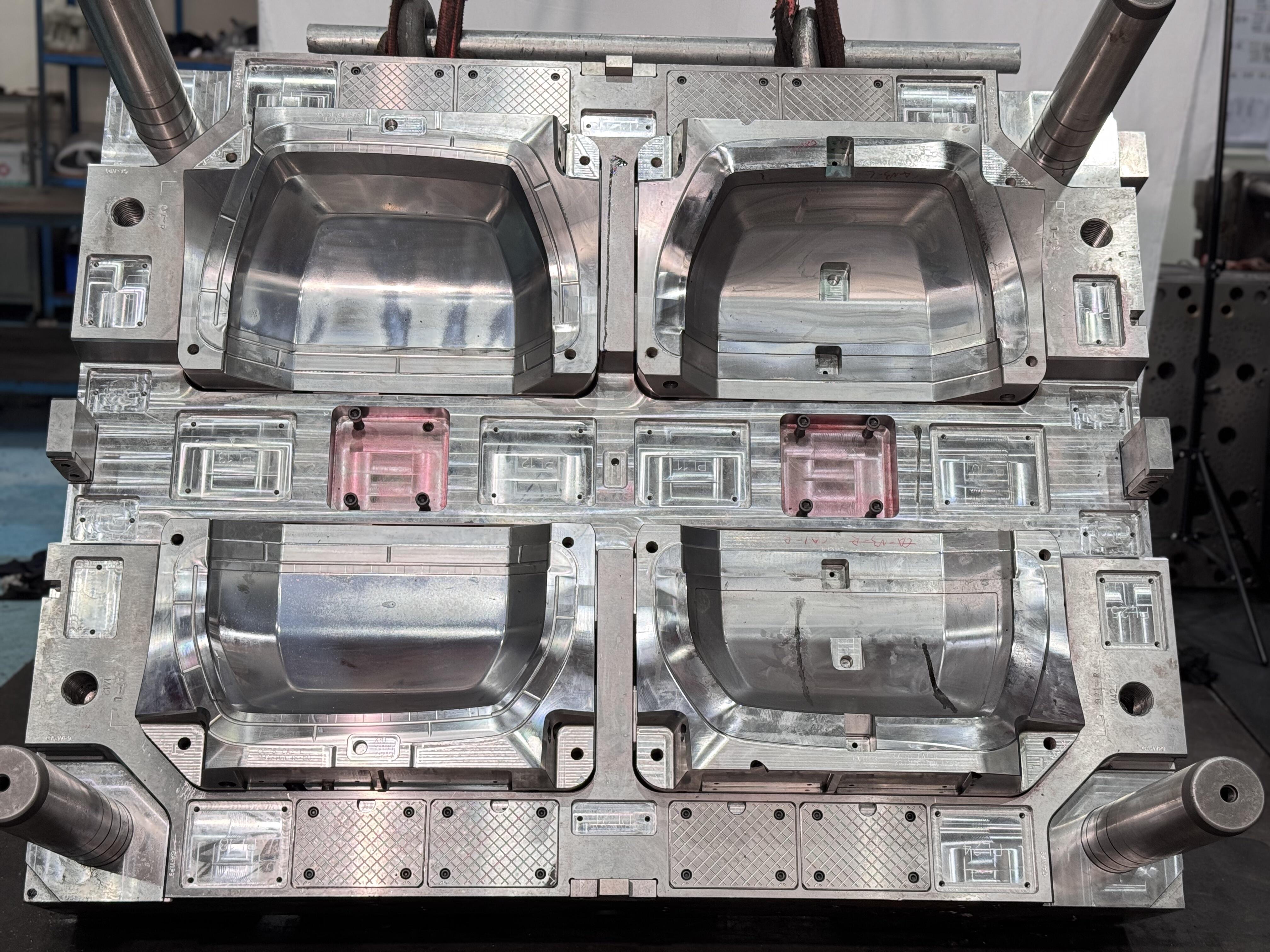
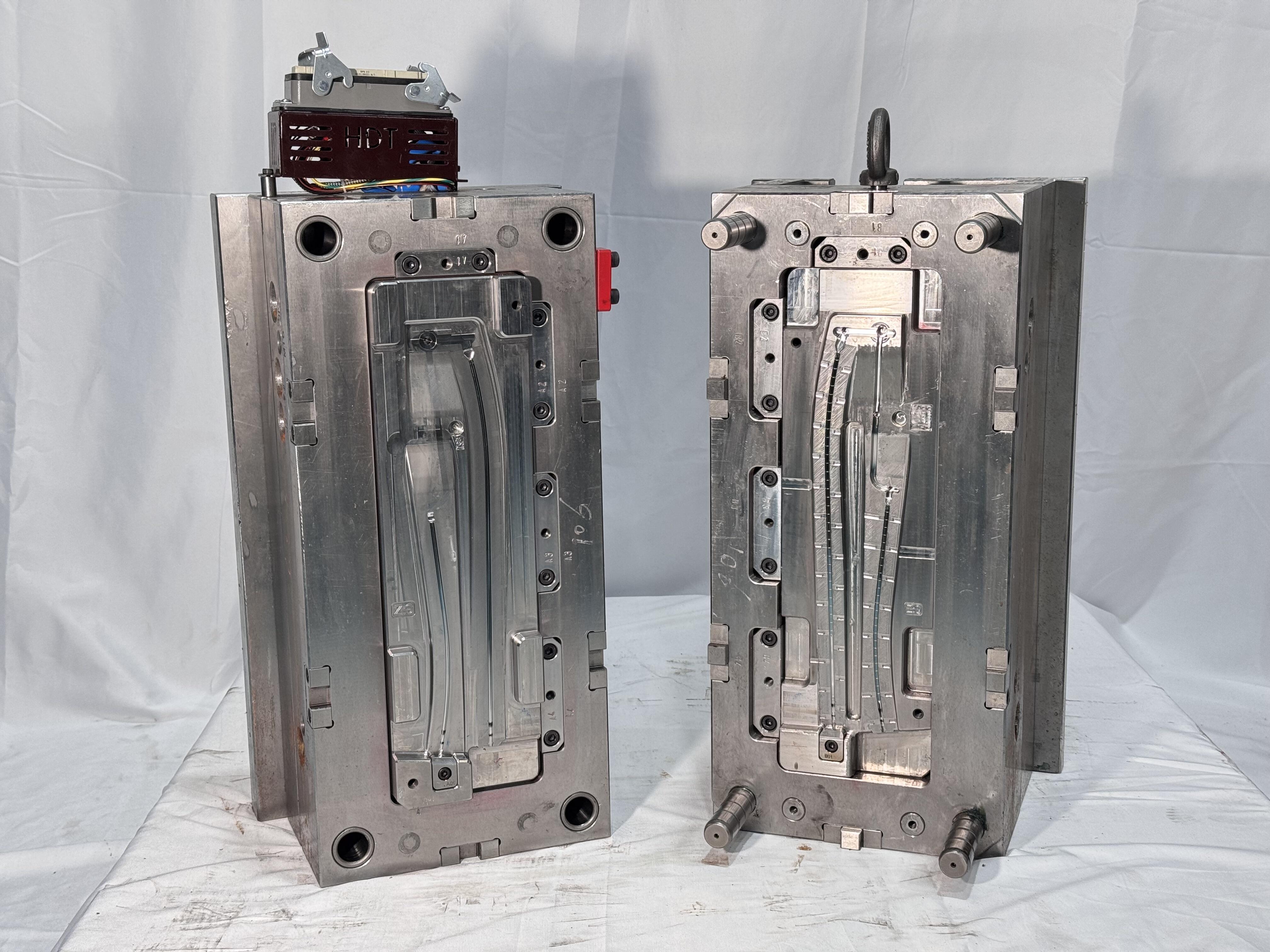
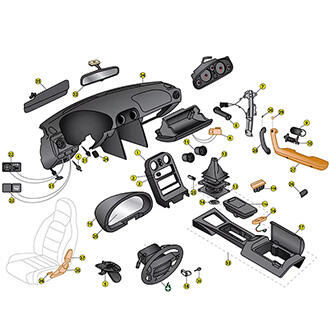
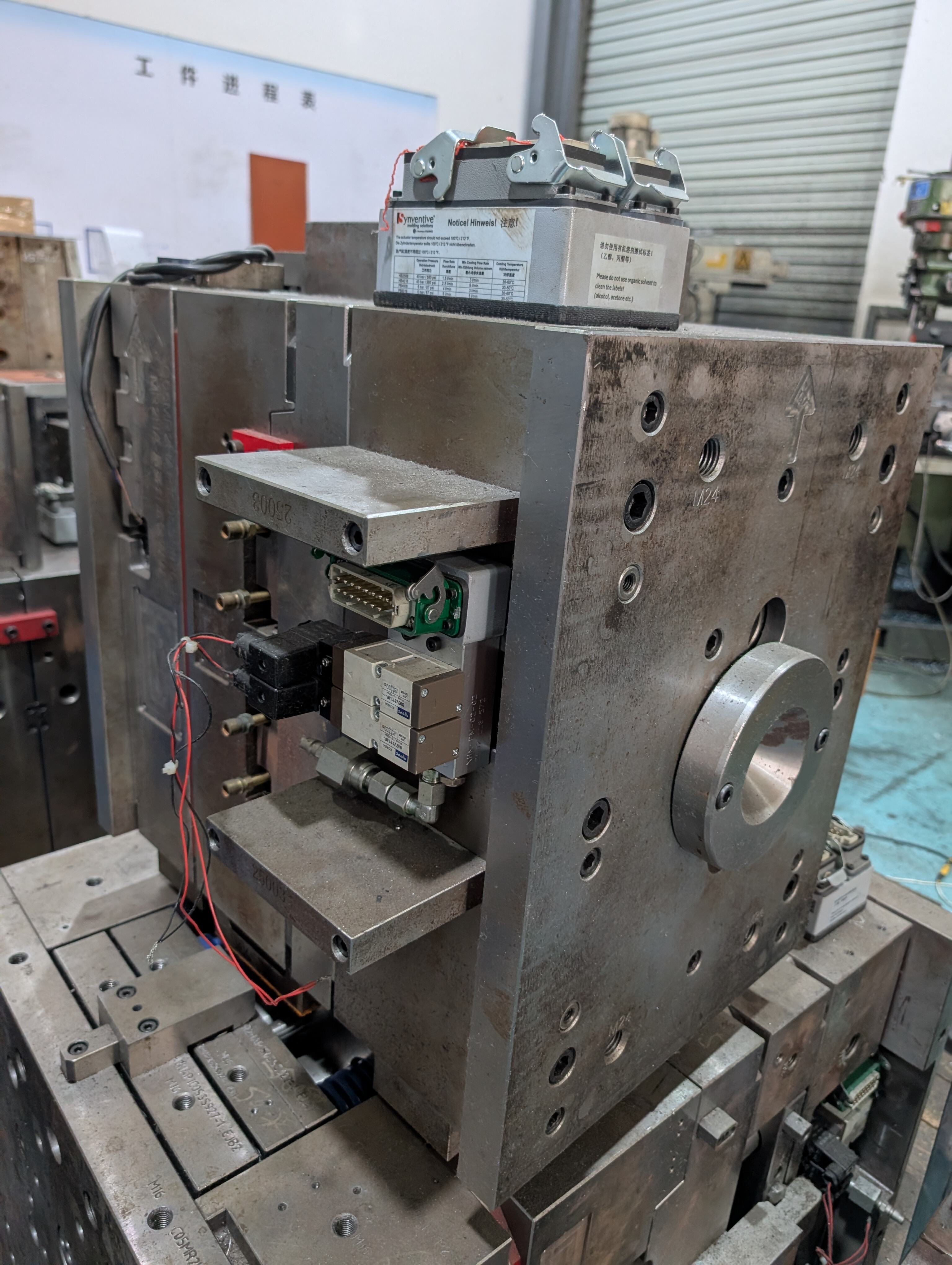
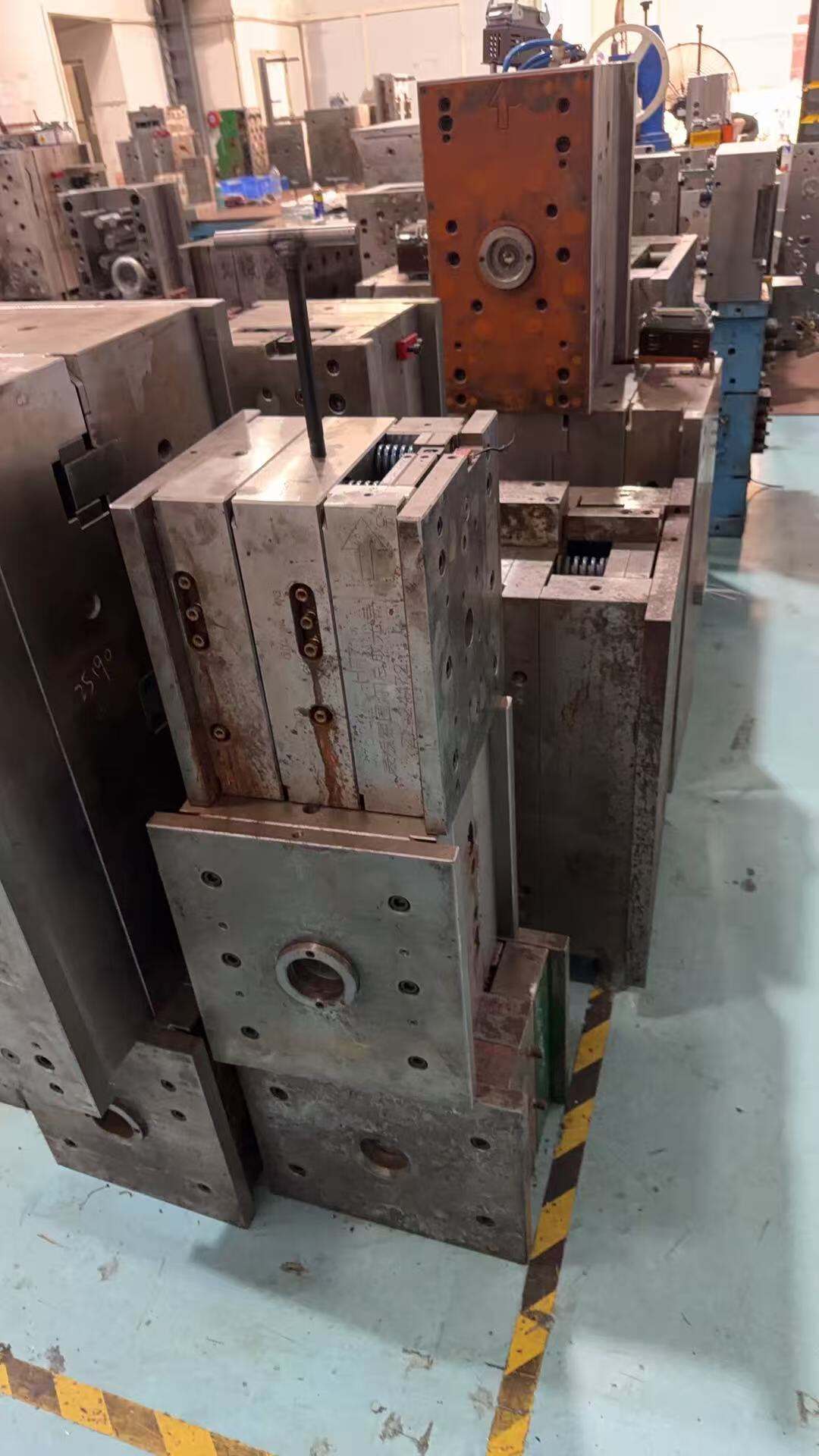
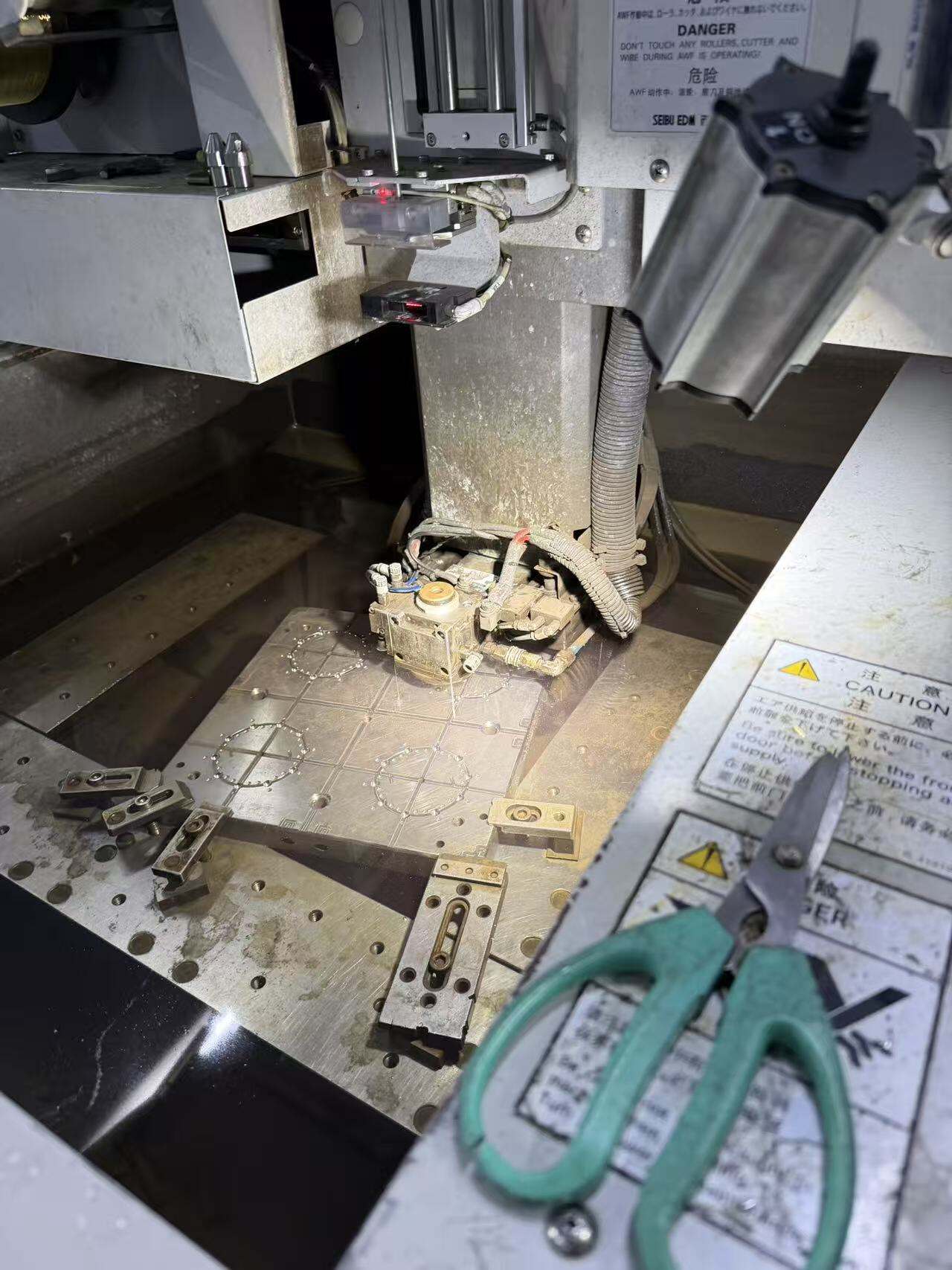
A high precision injection mold represents a sophisticated manufacturing tool designed to produce plastic components with exceptional accuracy and consistency. This advanced molding solution serves as the cornerstone of modern manufacturing processes, enabling businesses to create intricate parts that meet stringent quality standards. The high precision injection mold utilizes cutting-edge engineering principles to achieve tolerances measured in microns, making it indispensable for industries requiring exact specifications. The main functions of a high precision injection mold include shaping molten plastic material into predetermined forms, maintaining dimensional stability throughout production cycles, and ensuring repeatability across thousands or millions of parts. These molds incorporate precisely machined cavities and cores that define the final product geometry. The technological features distinguish a high precision injection mold from standard tooling options. Advanced cooling systems regulate temperature distribution uniformly, preventing warpage and dimensional variations. Multi-cavity configurations allow simultaneous production of multiple parts, maximizing output efficiency. Computer-aided design and manufacturing technologies enable engineers to create complex geometries with undercuts, thin walls, and intricate details that traditional methods cannot achieve. Surface finishing techniques produce mirror-smooth finishes or textured patterns as required. Applications for high precision injection molds span numerous industries where quality cannot be compromised. Medical device manufacturers rely on these molds to produce surgical instruments, diagnostic equipment housings, and implantable components that must meet regulatory standards. Automotive suppliers use them for creating dashboard components, sensor housings, and lighting assemblies requiring perfect fit and finish. Electronics manufacturers depend on high precision injection molds for smartphone cases, connector components, and miniaturized parts. Consumer goods companies utilize this technology for producing cosmetic packaging, household appliances, and precision toys. The aerospace sector employs these molds for lightweight structural components and interior fittings. Each application benefits from the superior dimensional accuracy, surface quality, and production consistency that high precision injection molds deliver, making them essential tools for competitive manufacturing operations worldwide.

New Product Recommendations

Choosing a high precision injection mold delivers tangible benefits that directly impact your production efficiency and product quality. The first major advantage centers on dimensional accuracy that eliminates costly rework and rejection. Your manufactured parts will consistently meet specifications within tight tolerances, reducing waste and saving material costs. This precision translates to better assembly processes since components fit together perfectly without adjustment or modification. You gain confidence knowing that every part leaving your production line matches your exact requirements. Production speed represents another significant benefit when you invest in a high precision injection mold. These molds enable faster cycle times through optimized cooling channels and balanced material flow. You can manufacture more parts in less time, increasing your output capacity without adding shifts or equipment. The quick turnaround means you can respond faster to customer orders and market demands, giving you a competitive edge. Your business can scale production volumes efficiently while maintaining consistent quality standards across every run. Cost savings accumulate throughout the product lifecycle when using a high precision injection mold. The initial investment pays dividends through reduced material waste, lower rejection rates, and minimal secondary operations. Your parts often require no additional finishing, cutting labor costs and speeding time to market. The mold durability ensures long service life, producing hundreds of thousands of parts before requiring maintenance. You avoid frequent tool replacements and downtime, keeping production running smoothly. Energy efficiency built into modern designs reduces operational costs while supporting sustainability goals. Material versatility expands your design possibilities with a high precision injection mold. You can work with engineering-grade plastics, specialized polymers, and composite materials that deliver specific performance characteristics. This flexibility allows you to optimize material selection for strength, weight, chemical resistance, or aesthetic appeal without changing your manufacturing process. Your product development team gains freedom to innovate while maintaining manufacturing feasibility. Quality consistency ensures every customer receives products meeting identical standards. A high precision injection mold eliminates variations between batches, building trust in your brand. You reduce warranty claims and customer complaints, protecting your reputation. The repeatability means you can confidently commit to long-term supply agreements knowing you can deliver consistent quality. Surface finish quality achieved through high precision injection molds enhances product appearance and functionality. Smooth surfaces reduce friction in moving parts, while controlled textures improve grip or aesthetic appeal. You eliminate post-molding finishing steps, streamlining your production workflow. These practical advantages combine to improve your bottom line while elevating product quality, making high precision injection molds a smart investment for forward-thinking manufacturers.

Tips And Tricks

Can custom injection molding improve efficiency in mass production?

29

Apr

Can custom injection molding improve efficiency in mass production?

Manufacturing efficiency stands as a critical determinant of competitive advantage in today's fast-paced production environments. As companies scale their operations and pursue higher output volumes, the choice of manufacturing technology directly im...
View More
Why is custom injection molding preferred for complex product designs?

29

Apr

Why is custom injection molding preferred for complex product designs?

Complex product designs present unique challenges that demand manufacturing solutions capable of delivering precision, consistency, and scalability. Engineers and product developers consistently turn to custom injection molding when facing intricate ...
View More
What are the key advantages of custom plastic injection molding services?

29

Apr

What are the key advantages of custom plastic injection molding services?

Custom plastic injection molding has become the cornerstone of modern manufacturing across diverse industries, from automotive and medical devices to consumer electronics and industrial equipment. Understanding the key advantages of this versatile ma...
View More
How Does Plastic Injection Mold Technology Improve Production Efficiency?

27

May

How Does Plastic Injection Mold Technology Improve Production Efficiency?

In modern manufacturing, the pressure to produce more in less time without sacrificing quality has never been greater. plastic injection mold technology has emerged as one of the most reliable answers to that challenge. By enabling the rapid, repeata...
View More

Get a Free Quote

Our representative will contact you soon.
0/1000
Exceptional Dimensional Accuracy Drives Manufacturing Excellence

Exceptional Dimensional Accuracy Drives Manufacturing Excellence

The exceptional dimensional accuracy provided by a high precision injection mold fundamentally transforms manufacturing capabilities and product quality outcomes. This critical feature ensures that every molded part maintains specifications within micron-level tolerances, creating consistency that manual processes or conventional tooling simply cannot match. Understanding the importance of this precision requires examining how it impacts the entire production chain and end-user experience. When components fit together with exacting accuracy, assembly operations become streamlined and efficient, eliminating the need for manual adjustments or selective fitting procedures. Manufacturing facilities experience reduced assembly time, lower labor costs, and fewer quality control issues when working with precisely molded components. The dimensional stability achieved through high precision injection molds stems from advanced engineering approaches that control every variable affecting part geometry. Sophisticated thermal management systems maintain uniform temperatures throughout the mold, preventing differential shrinkage that causes warping or dimensional drift. Precision-machined mold surfaces create cavities that exactly replicate the intended part geometry, while robust clamping systems ensure proper mold closure under injection pressures. Computer simulations optimize material flow patterns, eliminating weak points or stress concentrations that could compromise dimensional integrity. The value this accuracy brings to potential customers extends beyond manufacturing efficiency into product performance and reliability. Medical devices must meet stringent regulatory requirements where dimensional variations could affect patient safety or treatment efficacy. A high precision injection mold ensures that catheter components, surgical instrument handles, or diagnostic equipment housings maintain exact specifications batch after batch. Automotive applications benefit from precision that ensures proper sealing, smooth operation of moving parts, and consistent fitment that enhances vehicle quality perception. Electronics manufacturers require dimensional accuracy for connector components where misalignment of even fractions of a millimeter can cause connection failures or device malfunctions. Consumer products gain market advantage through superior fit and finish that customers immediately notice and appreciate. The long-term implications of dimensional accuracy include reduced warranty costs, enhanced brand reputation, and customer loyalty built on consistent quality. Manufacturers investing in high precision injection molds position themselves as quality leaders capable of meeting demanding specifications that competitors using standard tooling cannot achieve, creating sustainable competitive advantages in increasingly quality-conscious markets.
Advanced Cooling Technology Maximizes Production Efficiency

Advanced Cooling Technology Maximizes Production Efficiency

Advanced cooling technology integrated into a high precision injection mold represents a game-changing feature that directly impacts production economics and part quality. The sophisticated cooling systems embedded within these molds accelerate cycle times while maintaining the thermal control necessary for producing dimensionally stable components. This technology addresses one of the fundamental challenges in injection molding where excessive cooling time represents the largest portion of each production cycle. By optimizing heat extraction, manufacturers can significantly increase output volumes without compromising quality standards. The cooling architecture within a high precision injection mold employs strategically positioned channels that circulate temperature-controlled fluid throughout the mold structure. Engineers design these pathways using computational fluid dynamics to ensure uniform temperature distribution across all mold surfaces. This uniformity prevents hot spots that could cause warping, sink marks, or differential shrinkage in molded parts. Conformal cooling channels, created through advanced manufacturing techniques, follow the contours of complex part geometries, maintaining consistent wall thickness cooling rates that conventional straight-drilled channels cannot achieve. The practical benefits for potential customers translate into measurable production improvements and cost reductions. Faster cooling enables shorter cycle times, meaning your production equipment generates more parts per hour without additional capital investment. This increased throughput capacity allows you to meet higher demand volumes, accept larger orders, or reduce per-part manufacturing costs through improved efficiency. Energy consumption decreases as optimized cooling requires less time and power to achieve proper part solidification. Your facility reduces operational expenses while supporting environmental sustainability initiatives. Quality improvements accompany the efficiency gains from advanced cooling technology. Controlled cooling rates minimize internal stresses that can cause delayed warping or dimensional changes after parts leave the mold. Components maintain tighter tolerances and exhibit better long-term stability, reducing field failures and warranty claims. Surface finish quality improves as uniform cooling prevents flow marks, surface blemishes, or gloss variations that detract from product appearance. The high precision injection mold cooling systems also enable processing of challenging materials that require precise thermal management. Engineering plastics with high melting temperatures or crystalline structures that demand controlled cooling rates become more manageable, expanding your material options and product design possibilities. Manufacturers gain flexibility to optimize material selection for performance requirements rather than being constrained by processing limitations. This technological advantage positions your operation as a capable supplier for demanding applications where others cannot consistently deliver quality results.
Multi-Cavity Design Multiplies Production Capacity

Multi-Cavity Design Multiplies Production Capacity

Multi-cavity design capability represents one of the most economically powerful features available in a high precision injection mold, enabling manufacturers to dramatically multiply production output while maintaining exceptional quality across all cavities. This sophisticated approach incorporates multiple part-forming cavities within a single mold structure, allowing simultaneous production of identical components during each injection cycle. The engineering complexity required to balance material flow, cooling rates, and dimensional consistency across multiple cavities demonstrates the advanced capabilities that distinguish high precision injection molds from simpler tooling solutions. Understanding how multi-cavity design delivers value requires examining both the technical implementation and practical business benefits. Each cavity within a high precision injection mold receives precisely the same amount of molten material at identical temperature and pressure conditions, ensuring that parts from different cavity positions exhibit no measurable variations. Sophisticated runner systems distribute material evenly, while balanced cooling channels extract heat uniformly from all cavities. This engineering precision ensures that whether a part comes from cavity one or cavity sixteen, customers receive identical quality and dimensional accuracy. The production capacity multiplication achieved through multi-cavity molds transforms manufacturing economics dramatically. A four-cavity mold quadruples output compared to single-cavity tooling, while eight-cavity or sixteen-cavity configurations deliver proportionally greater capacity increases. For high-volume production requirements, this multiplication factor means you can meet demand with fewer molding machines, reduced floor space, and lower capital investment than would be required using single-cavity approaches. Your cost per part decreases significantly as fixed costs spread across multiple components produced simultaneously. Labor efficiency improves as operators manage equipment producing multiple parts per cycle rather than single components, maximizing workforce productivity. Energy consumption per part also decreases since you produce multiple components using essentially the same energy required for molding a single part. These economic advantages directly improve your competitive position and profit margins. The quality consistency maintained across all cavities in a high precision injection mold ensures that customers cannot distinguish which cavity produced any particular part. This uniformity proves essential for applications requiring interchangeable components or when parts from different cavities may be assembled together. Medical device manufacturers, automotive suppliers, and electronics producers all depend on this multi-cavity consistency to maintain product quality and regulatory compliance. The design flexibility offered by multi-cavity high precision injection molds also accommodates family mold configurations where different but related components are produced simultaneously, optimizing production efficiency for product families or assembly kits. This capability provides strategic manufacturing advantages for businesses seeking to optimize inventory management, reduce setup times, and streamline production scheduling across multiple product lines.