Unmatched Design Freedom and Complex Geometry Capabilities
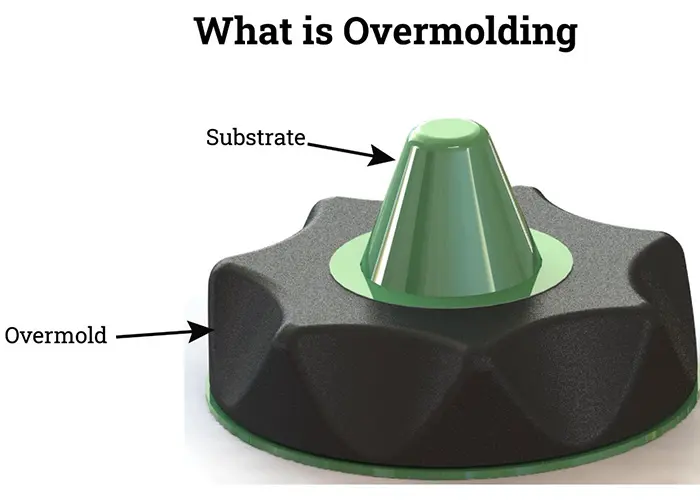
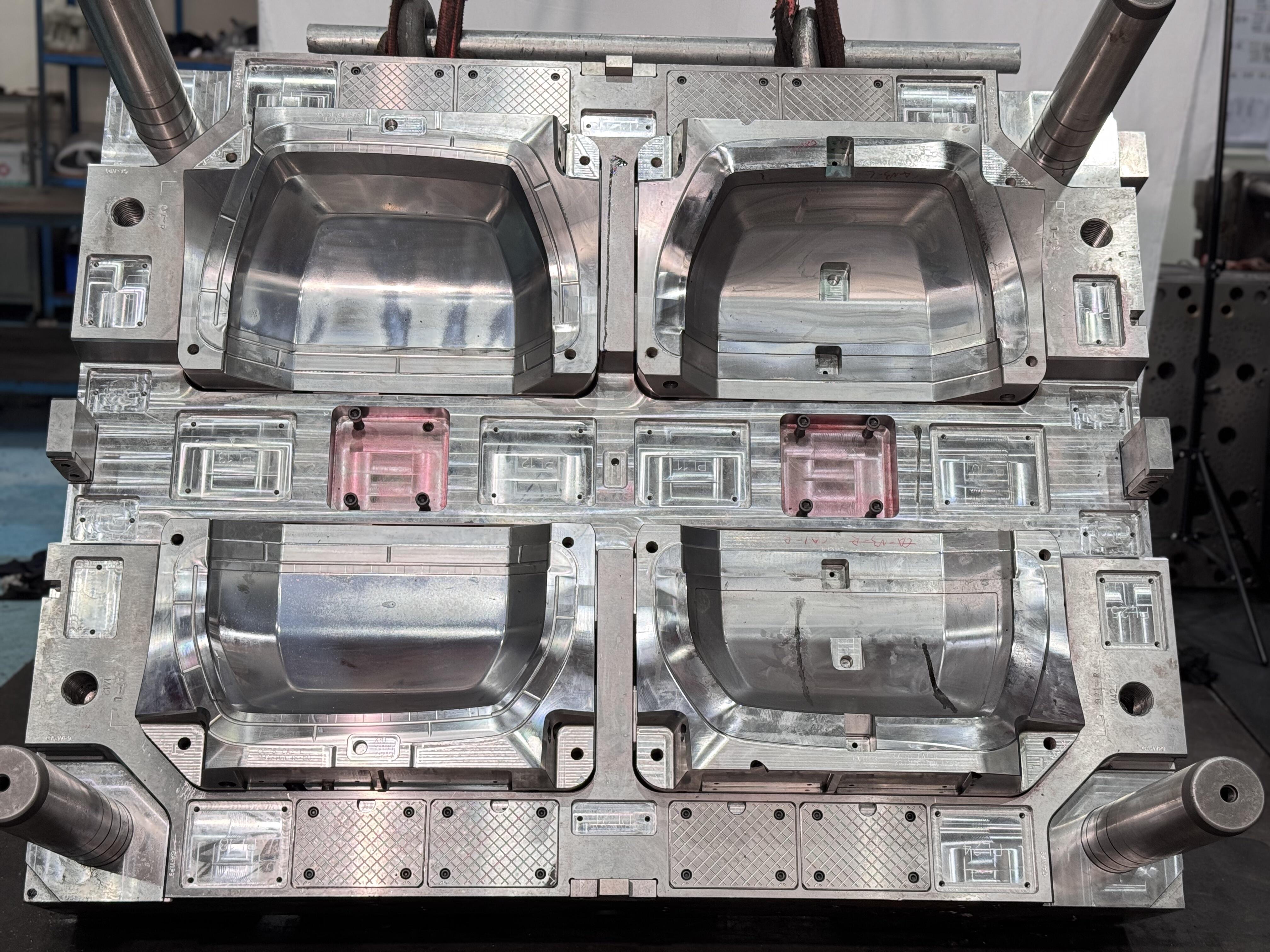
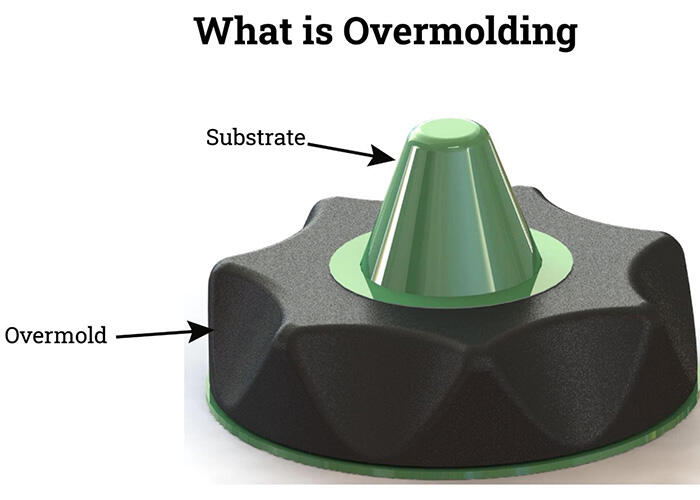
Plastic injection molding empowers designers and engineers with remarkable creative freedom, enabling the production of complex shapes and intricate features that would prove difficult, expensive, or impossible to achieve through other manufacturing methods. This design flexibility stems from the fluid nature of molten plastic, which flows into every corner, crevice, and detail of the mold cavity before solidifying into the final form. Unlike machining processes that remove material from solid blocks or sheet metal fabrication that bends and cuts flat stock, plastic injection molding builds parts by filling three-dimensional cavities, allowing for hollow sections, varied wall thicknesses, and compound curves that optimize both function and aesthetics. Engineers can incorporate features such as living hinges, snap-fit connections, threaded inserts, and mounting bosses directly into parts, eliminating the need for separate fasteners or assembly operations. This integration reduces part counts, simplifies supply chains, and lowers overall product costs while often improving reliability since fewer components mean fewer potential failure points. Surface textures represent another area where plastic injection molding excels. Mold cavities can be polished to mirror finishes for transparent or glossy parts, or textured with patterns ranging from subtle grain to aggressive grips, all reproduced faithfully in every molded part. Logos, part numbers, and decorative elements can be raised or recessed directly into the surface, providing branding and information without labels or secondary printing processes. Color options prove virtually limitless since plastic resins can be pigmented to match any specification before molding, ensuring consistent color throughout the part rather than just on the surface. Multiple materials can even be combined in a single part through techniques like overmolding and two-shot molding, where one plastic is molded first, then a second material is injected over or adjacent to the first. This capability enables soft-touch grips on rigid handles, transparent windows in opaque housings, or multi-colored components without assembly. Designers can specify wall thickness variations to place material exactly where strength is needed while reducing weight and material usage in less-stressed areas. Ribs, gussets, and strategic reinforcements can be molded integrally to enhance structural performance without adding separate support pieces. The ability to prototype designs relatively quickly, test functionality, and refine details before committing to full production tooling helps ensure final products meet performance requirements and market expectations. This iterative design process, combined with the geometric freedom inherent in plastic injection molding, results in innovative products that balance form, function, and manufacturability in ways that delight users and satisfy business objectives.


 EN
EN