plastic injection molded parts
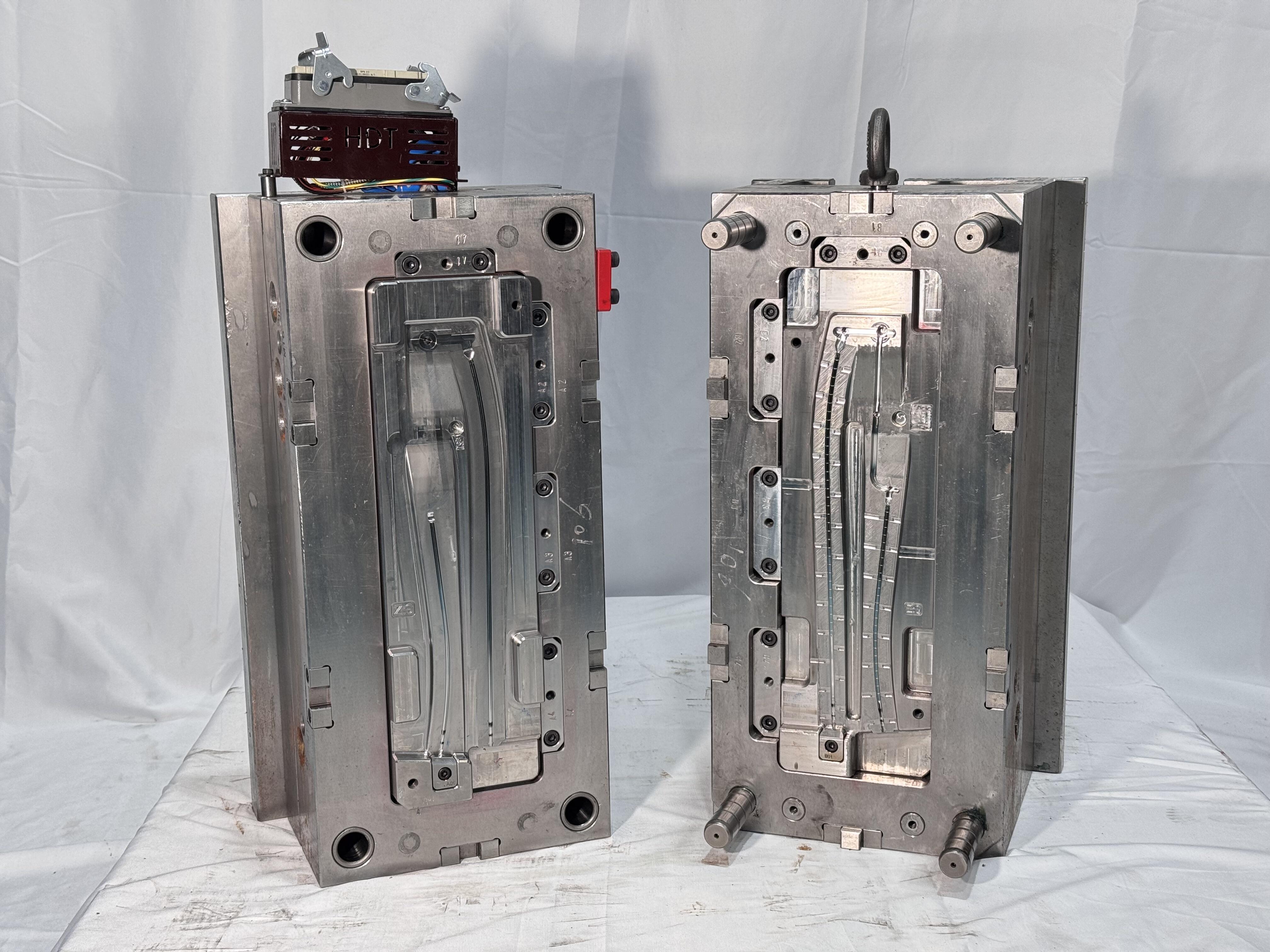
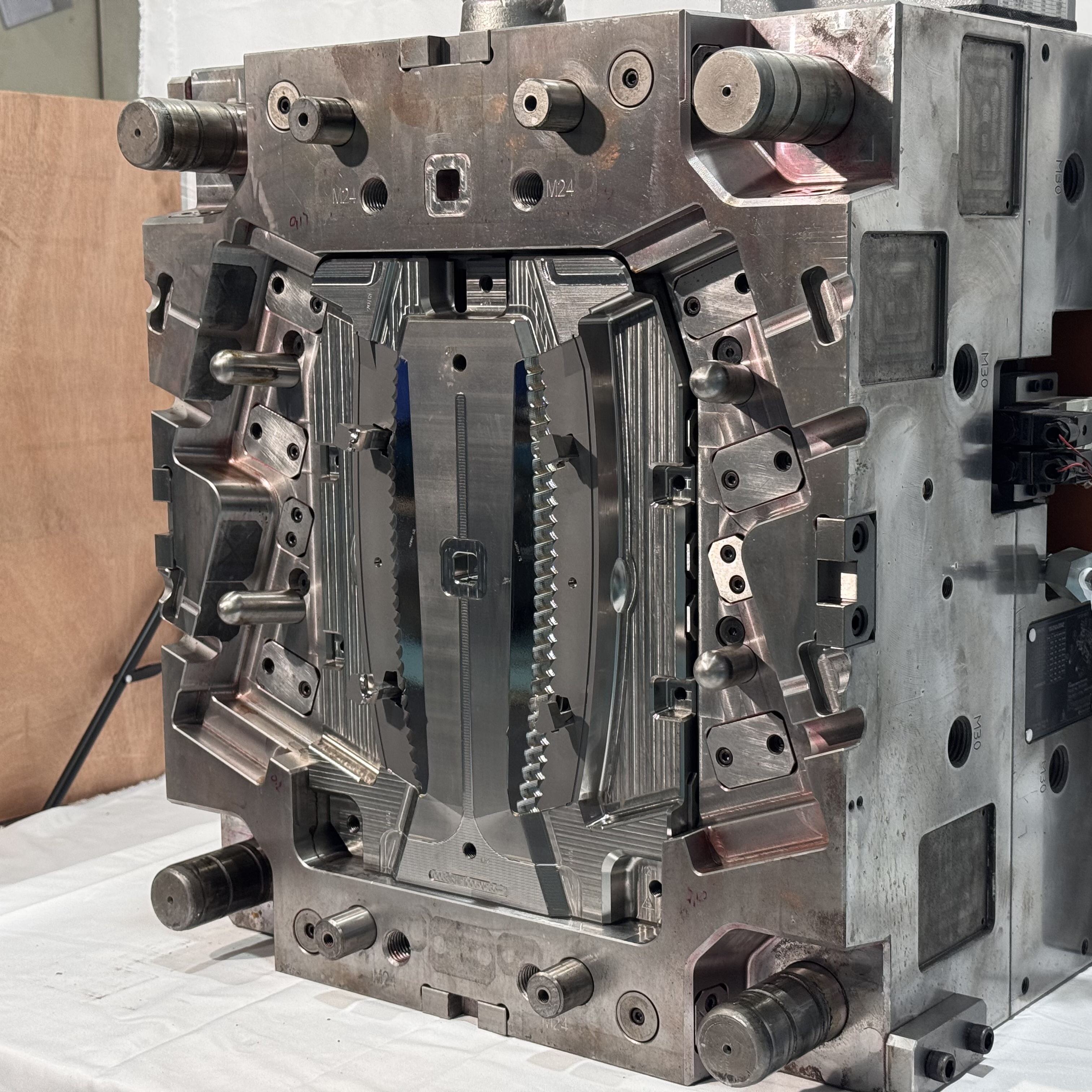
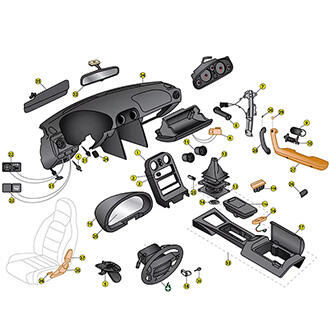
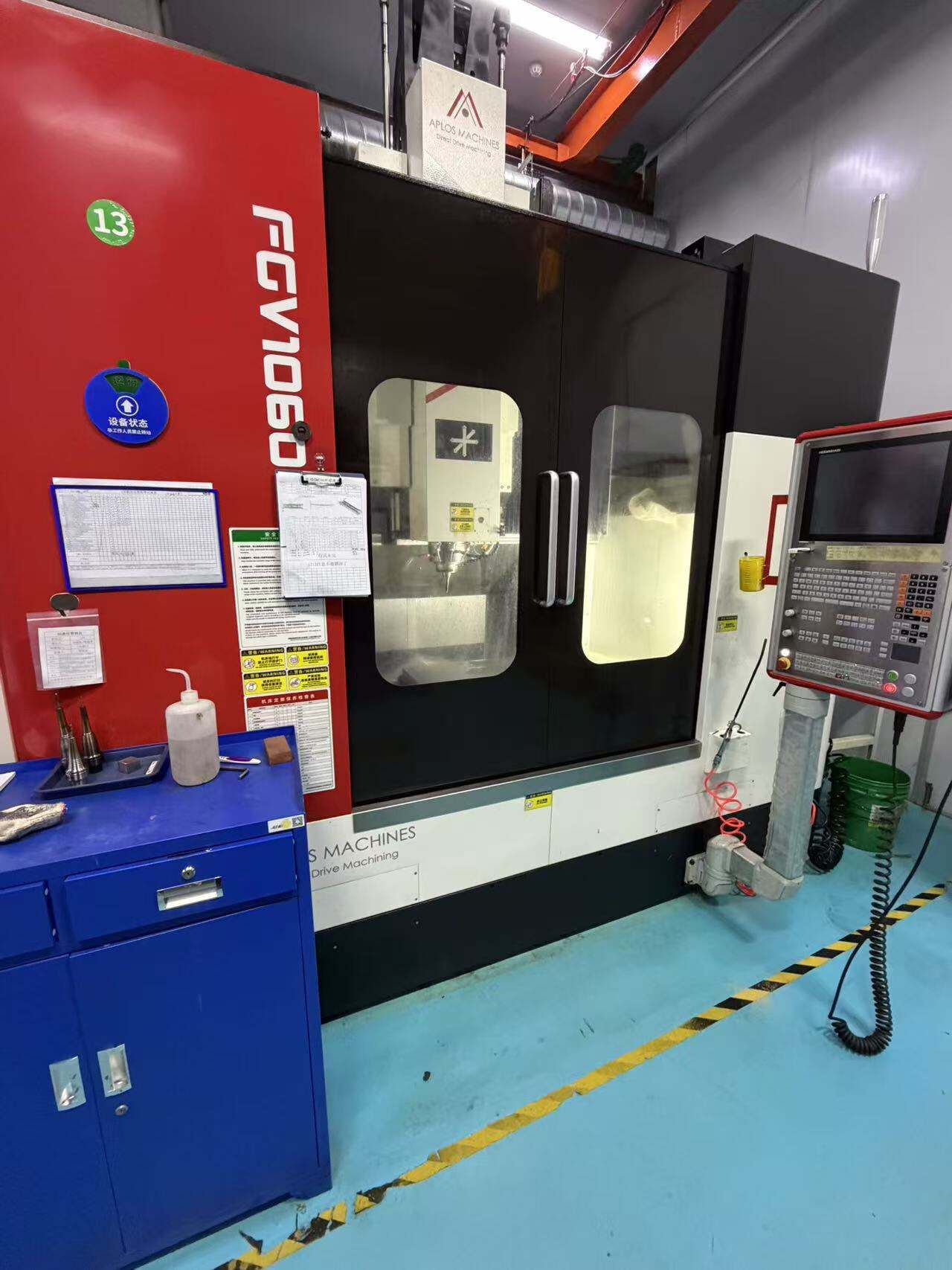
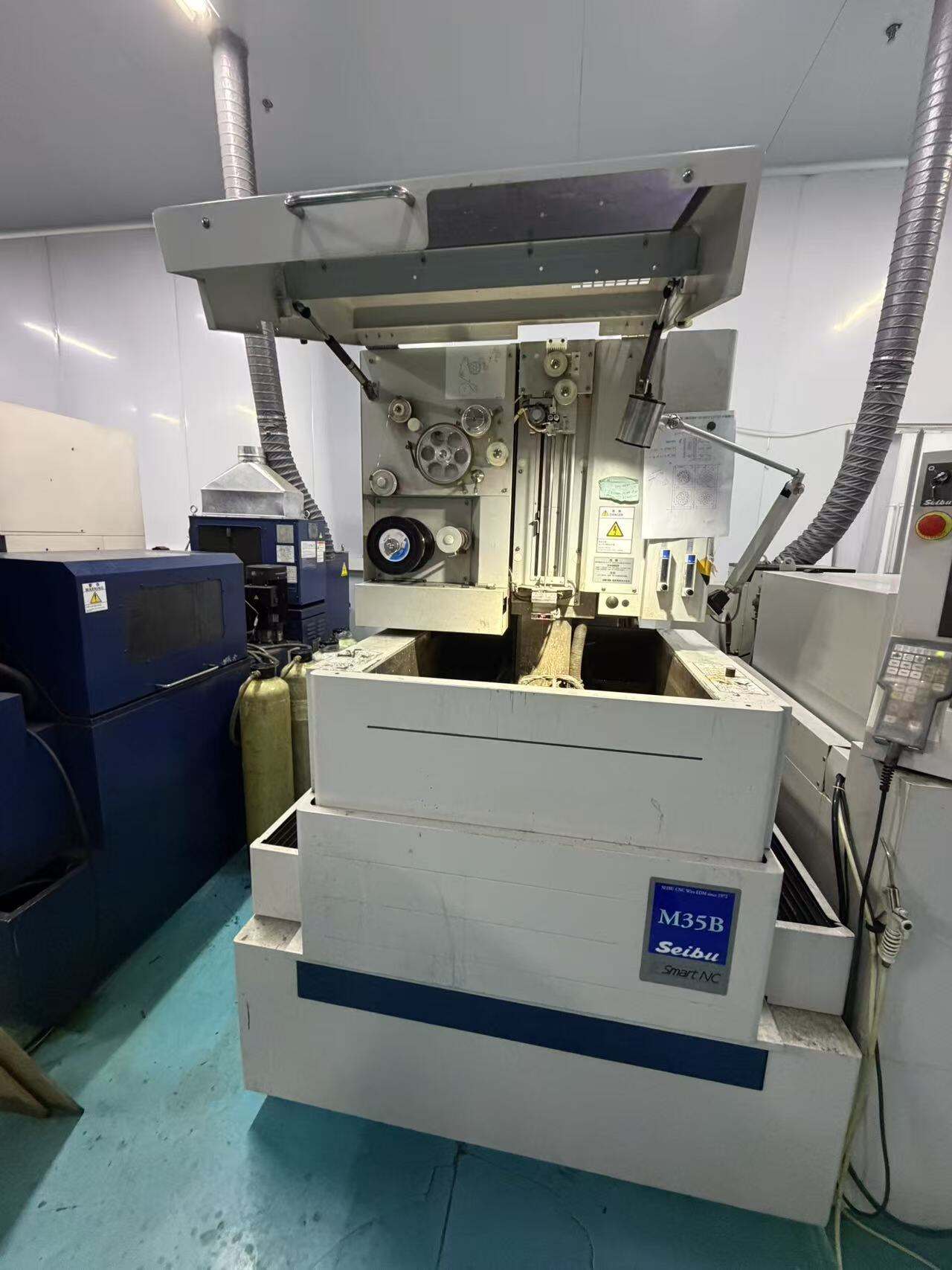
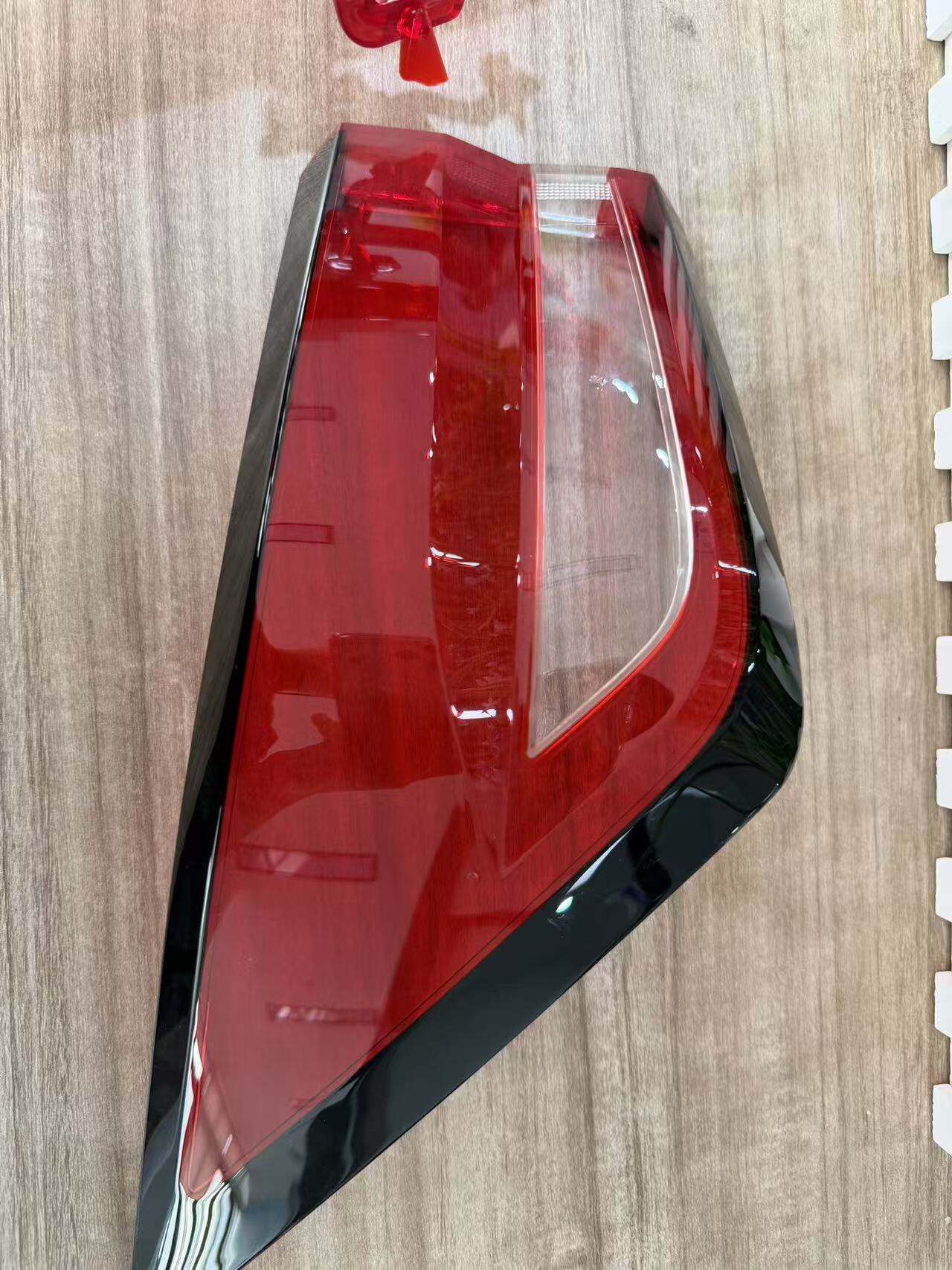
Plastic injection molded parts represent one of the most versatile and widely adopted manufacturing solutions in modern industry. This process involves melting plastic material and injecting it under high pressure into precision-engineered molds, where it cools and solidifies into the desired shape. Plastic injection molded parts serve countless functions across diverse sectors, from automotive components and medical devices to consumer electronics and household products. The primary function of plastic injection molded parts is to provide durable, lightweight, and cost-effective components that meet exact specifications with remarkable consistency. These parts can range from tiny micro-components weighing mere grams to large structural elements used in automotive applications. The technological features of plastic injection molded parts are impressive and continually evolving. Advanced computer-aided design systems allow engineers to create intricate geometries with undercuts, threads, and complex surface textures that would be impossible or prohibitively expensive with other manufacturing methods. Modern injection molding machines utilize sophisticated controls to monitor temperature, pressure, and cycle times with exceptional precision, ensuring every plastic injection molded part meets stringent quality standards. The process accommodates a vast array of thermoplastic and thermosetting materials, including polyethylene, polypropylene, ABS, nylon, polycarbonate, and specialized engineering resins. Applications for plastic injection molded parts span virtually every industry imaginable. In automotive manufacturing, they form dashboard components, interior trim, lighting housings, and under-hood parts. Medical applications include syringes, diagnostic equipment housings, and surgical instruments. Consumer goods manufacturers rely on plastic injection molded parts for packaging, toys, kitchen utensils, and electronic device casings. The aerospace industry uses them for interior cabin components, while construction applications include pipe fittings, electrical boxes, and hardware. This manufacturing method continues to advance with innovations like multi-material molding, micro-molding, and integration of sustainable bio-based plastics, making plastic injection molded parts an indispensable solution for contemporary production needs.


 EN
EN