over mold
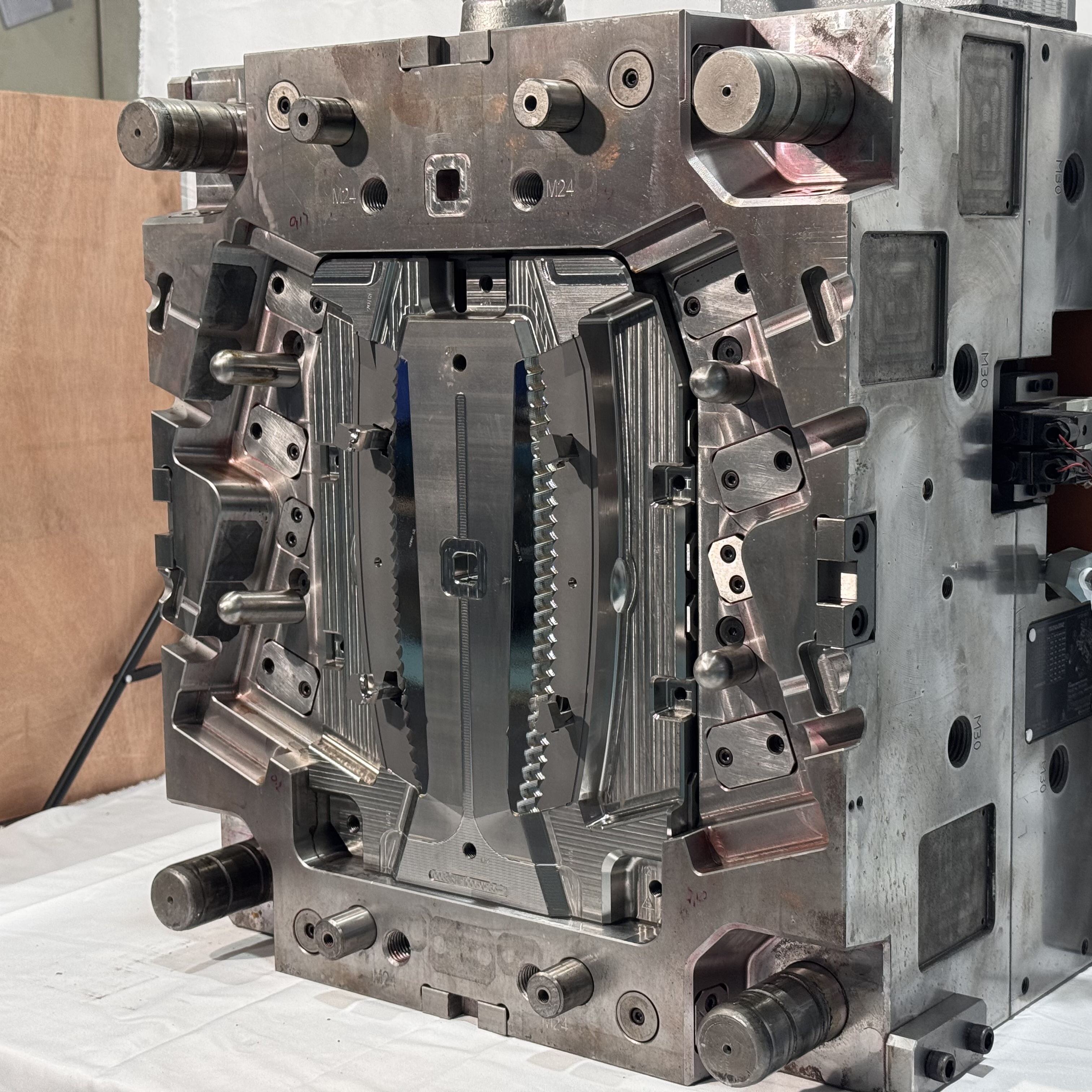
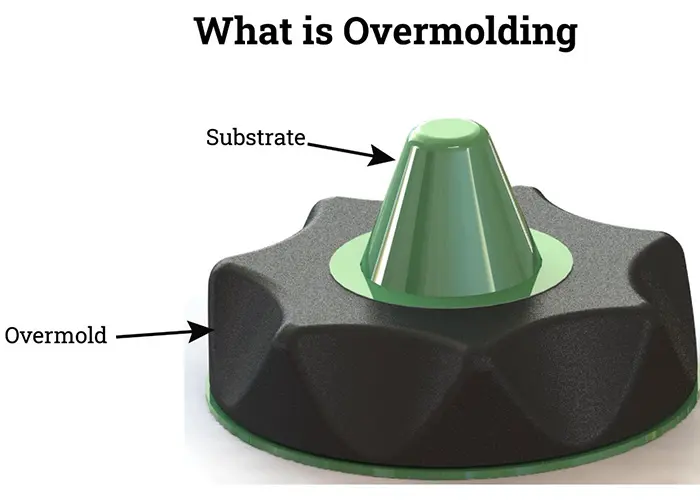
Over mold technology represents a sophisticated manufacturing process that combines two or more materials into a single integrated component through injection molding. This advanced technique involves molding one material over another substrate that has been previously molded or inserted into the mold cavity, creating a permanent bond between different materials. The over mold process has revolutionized product design and manufacturing across numerous industries by enabling the creation of complex, multi-material parts in a streamlined production cycle. The primary function of over mold manufacturing is to enhance product performance by combining the beneficial properties of different materials within one cohesive unit. Typically, a rigid plastic or metal substrate forms the structural foundation, while a softer material such as thermoplastic elastomer (TPE) or rubber is molded over specific areas to provide cushioning, grip, sealing, or aesthetic appeal. This technology eliminates the need for secondary assembly operations, reducing production time and labor costs significantly. The over mold process excels in creating products with superior ergonomics, improved functionality, and enhanced visual appeal. From a technological standpoint, over mold manufacturing requires precise control of multiple variables including material compatibility, mold temperature, injection pressure, and cooling rates. Modern over mold operations utilize computer-aided design (CAD) software and simulation tools to optimize part geometry and predict material flow patterns before physical production begins. The process accommodates various material combinations, with the most common being hard plastic substrates over-molded with soft-touch elastomers. Applications span diverse industries including consumer electronics, automotive components, medical devices, hand tools, sporting goods, and household appliances. The over mold technique proves particularly valuable when manufacturers need to integrate multiple functions into a single component, such as combining structural support with waterproofing seals, electrical insulation with grip surfaces, or rigid frameworks with shock-absorbing elements. This versatility makes over mold technology an indispensable solution for modern product development, enabling designers to push boundaries and create innovative products that meet increasingly demanding performance standards while maintaining cost-effectiveness in high-volume production environments.



 EN
EN