Custom Plastic Molding Services - Precision Manufacturing Solutions for Your Business

application/custom-plastic-molding, application/custom-plastic-molding, 
Get a Quote
Get a Quote

custom plastic molding

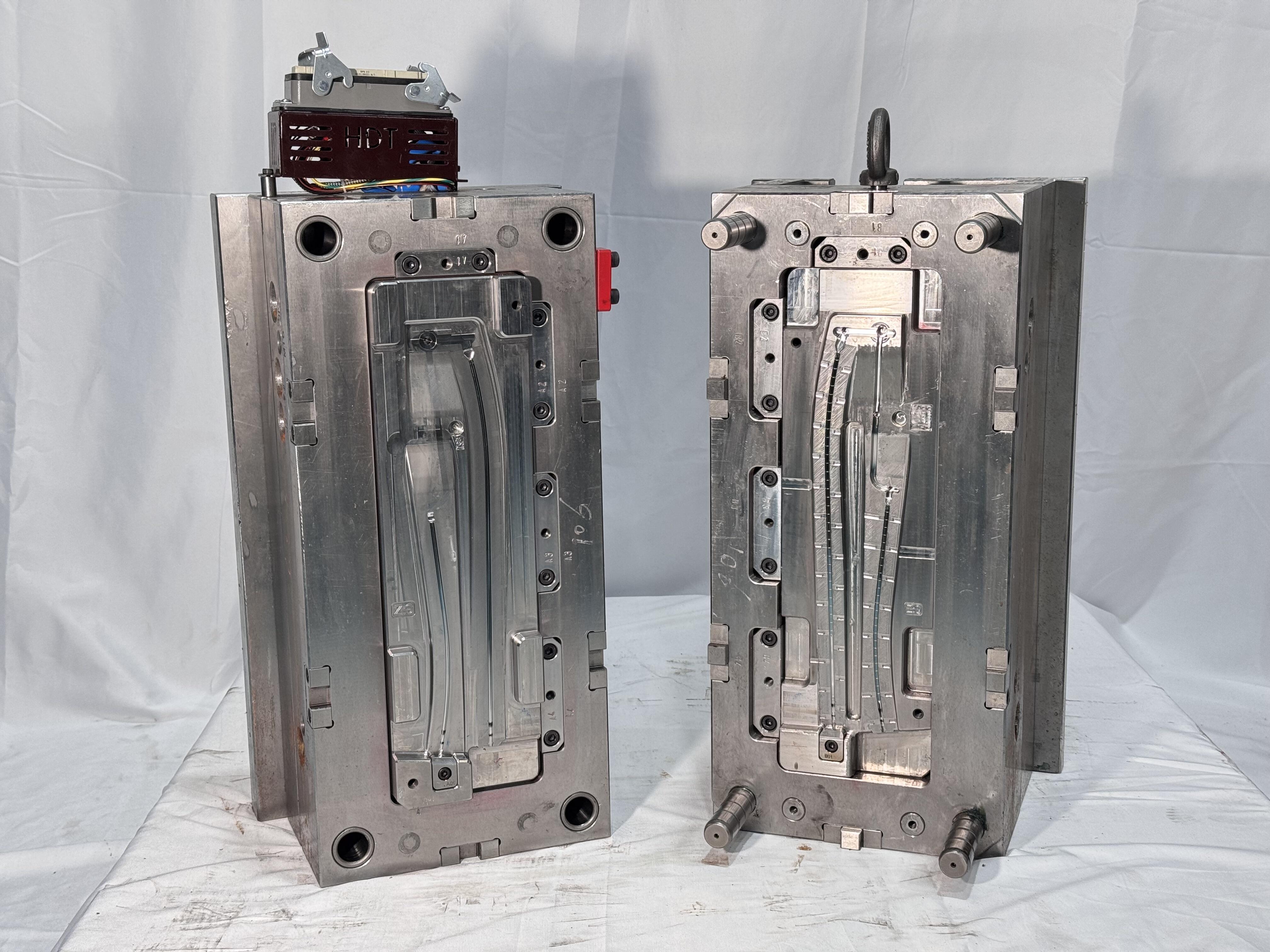
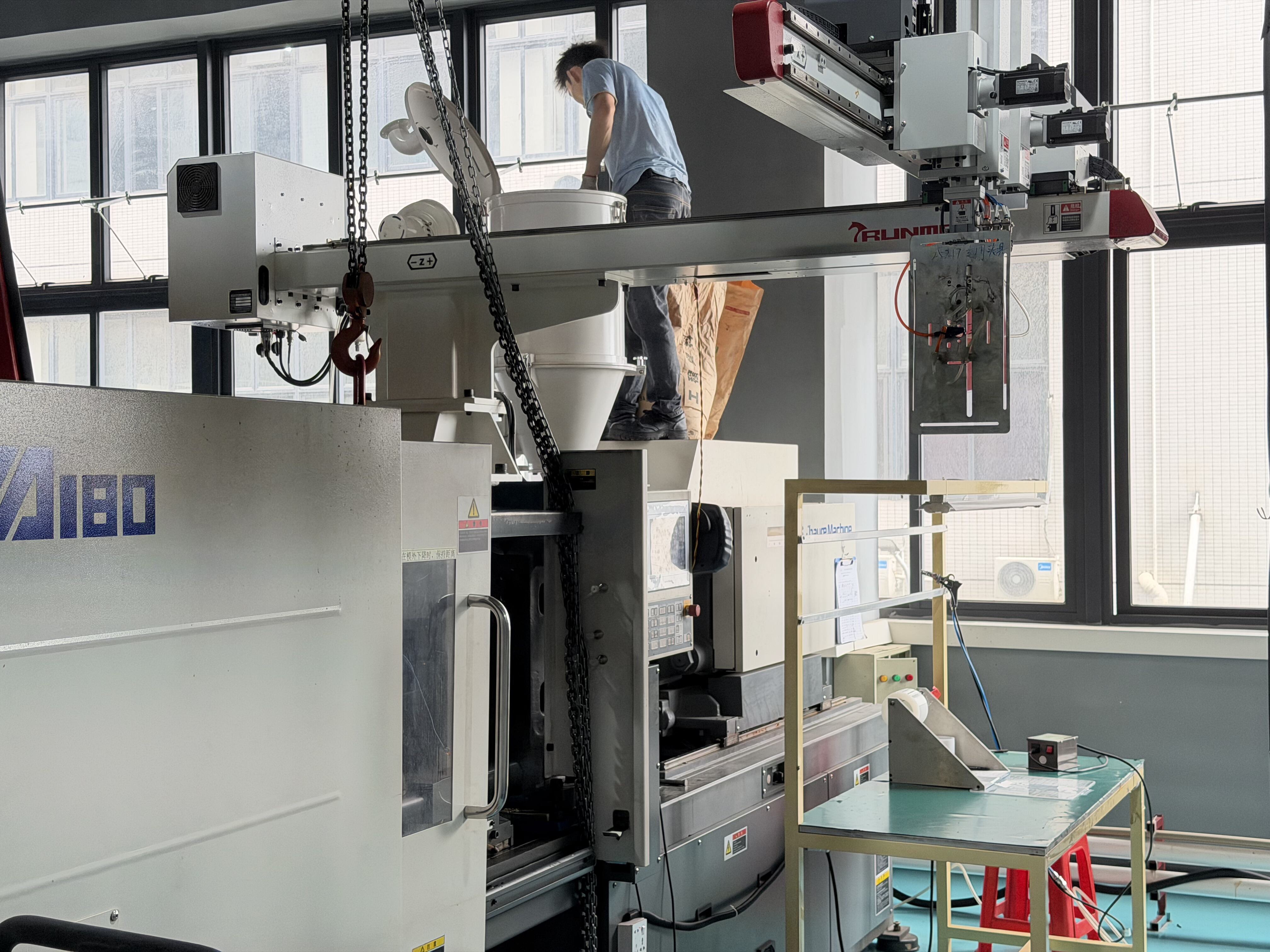
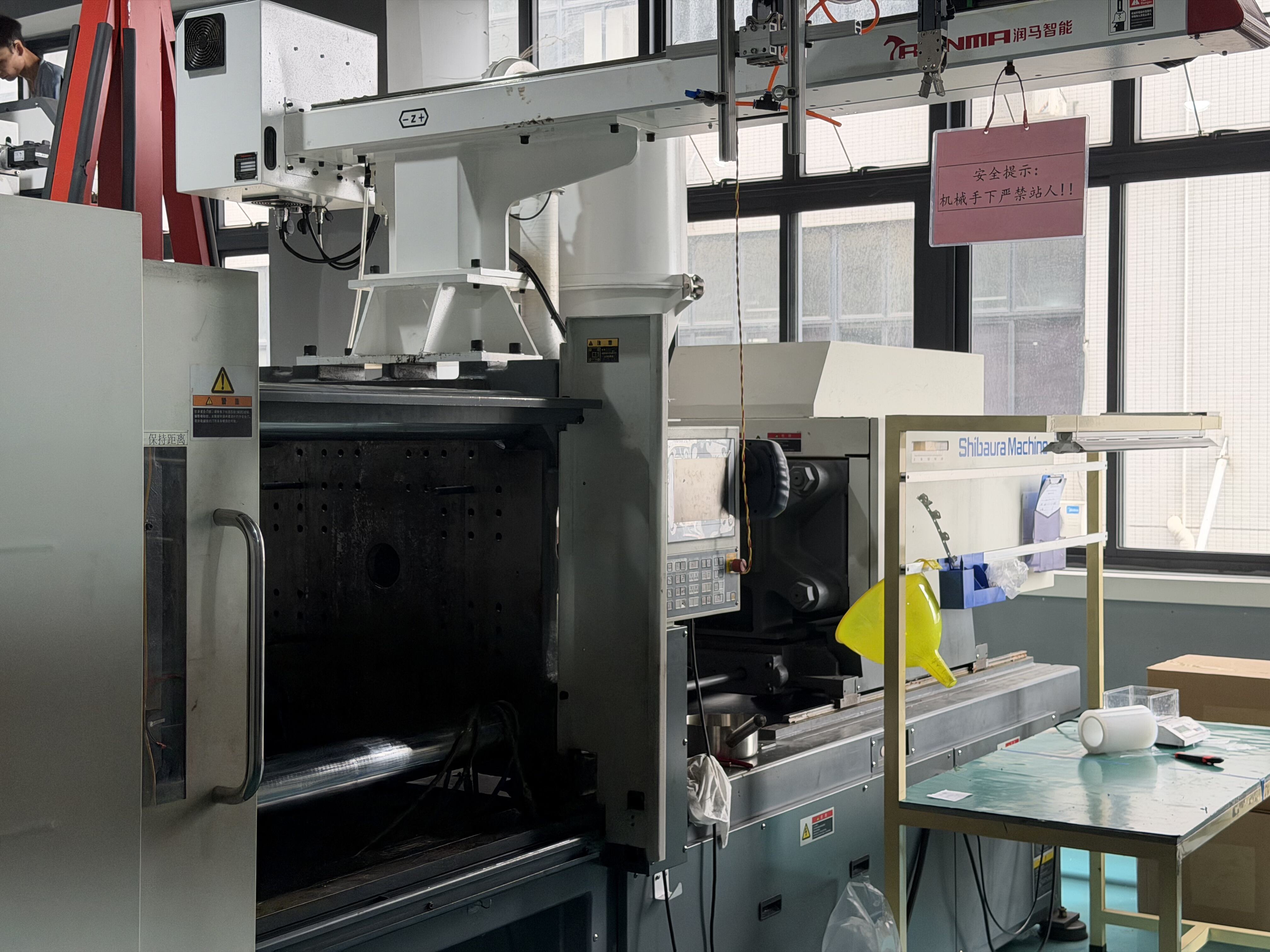
Custom plastic molding represents a versatile manufacturing process that transforms raw plastic materials into precisely designed components tailored to specific requirements. This sophisticated production method encompasses various techniques including injection molding, blow molding, rotational molding, and thermoforming, each selected based on the desired outcome and product specifications. The process begins with detailed design specifications that are translated into durable molds, which serve as templates for creating consistent, high-quality plastic parts. Custom plastic molding enables manufacturers to produce components ranging from small intricate parts to large structural elements with remarkable accuracy and repeatability. The technology employs advanced machinery and computer-aided design systems to ensure dimensional precision and maintain strict quality standards throughout production. This manufacturing approach supports diverse material selections, including thermoplastics, thermosetting polymers, and elastomers, each offering unique characteristics suited to different applications. The main functions of custom plastic molding include rapid production of identical parts, creation of complex geometries that would be difficult or impossible to achieve through other manufacturing methods, and cost-effective mass production once the initial tooling investment is made. The process allows for integration of multiple features such as threads, undercuts, and textured surfaces directly into the molded part, eliminating secondary operations. Custom plastic molding finds applications across numerous industries including automotive, medical devices, consumer electronics, packaging, aerospace, construction, and household goods. In the automotive sector, it produces everything from dashboard components to exterior trim pieces. Medical applications demand the highest precision for devices like syringes, diagnostic equipment housings, and surgical instruments. Consumer electronics rely on custom plastic molding for protective casings, connectors, and internal structural components. The packaging industry utilizes this technology for creating bottles, containers, caps, and specialized protective packaging. The technological features of custom plastic molding include automated production cycles, minimal material waste, excellent surface finish capabilities, and the ability to incorporate colors, textures, and multiple materials in a single molding operation.

New Product Recommendations

Custom plastic molding delivers substantial benefits that directly impact your production efficiency and bottom line. The process offers exceptional design flexibility, allowing you to create parts with intricate details, varying wall thicknesses, and complex geometries that meet your exact specifications. You gain the ability to produce components that perfectly fit your application requirements without compromising on quality or functionality. The manufacturing method ensures consistent repeatability, meaning every part produced matches the original specifications with minimal variation, which proves essential for maintaining quality standards and reducing defects. This consistency eliminates the unpredictability often associated with other manufacturing processes and gives you confidence in your supply chain. Cost efficiency becomes apparent especially in medium to high-volume production runs, where the per-unit cost decreases significantly as quantities increase. Once the initial tooling is created, you can produce thousands or millions of identical parts at a fraction of the cost compared to alternative manufacturing methods. Material efficiency stands as another significant advantage, as the process generates minimal waste with excess material often being recyclable and reusable in future production cycles. You benefit from faster production speeds compared to traditional manufacturing techniques, with cycle times measured in seconds or minutes rather than hours. This rapid turnaround allows you to meet tight deadlines and respond quickly to market demands. The strength-to-weight ratio of molded plastic parts provides excellent performance while keeping shipping costs low and making products easier to handle and install. You can choose from an extensive range of plastic materials, each offering specific properties such as chemical resistance, temperature tolerance, electrical insulation, or UV stability, ensuring your parts perform optimally in their intended environment. Surface finish quality comes standard with custom plastic molding, often eliminating the need for additional finishing operations and reducing overall production time and costs. The process supports integration of multiple components into single parts, reducing assembly requirements, lowering labor costs, and improving product reliability by eliminating potential failure points at joints and connections. Color can be incorporated directly into the material, eliminating painting requirements and ensuring color consistency throughout the product lifecycle. Tooling durability means molds can produce hundreds of thousands or even millions of parts before requiring maintenance or replacement, providing long-term value for your investment. The technology accommodates design modifications relatively easily, allowing you to refine and improve products based on testing feedback or market responses without completely restarting the manufacturing setup.

Latest News

Can custom injection molding improve efficiency in mass production?

29

Apr

Can custom injection molding improve efficiency in mass production?

Manufacturing efficiency stands as a critical determinant of competitive advantage in today's fast-paced production environments. As companies scale their operations and pursue higher output volumes, the choice of manufacturing technology directly im...
View More
What are the key advantages of custom plastic injection molding services?

29

Apr

What are the key advantages of custom plastic injection molding services?

Custom plastic injection molding has become the cornerstone of modern manufacturing across diverse industries, from automotive and medical devices to consumer electronics and industrial equipment. Understanding the key advantages of this versatile ma...
View More
Can injection molding companies handle complex multi-industry demands?

27

May

Can injection molding companies handle complex multi-industry demands?

Modern manufacturing landscapes present unique challenges that test the operational boundaries of production facilities across sectors. As businesses expand into diverse markets—from medical devices to automotive components, consumer electronic...
View More
How does plastic moulding reduce material waste in mass production?

08

May

How does plastic moulding reduce material waste in mass production?

In modern manufacturing environments, controlling material waste has become a strategic priority that directly impacts profitability, sustainability credentials, and operational efficiency. Plastic moulding stands as one of the most waste-efficient p...
View More

Get a Free Quote

Our representative will contact you soon.
0/1000
Unmatched Precision and Quality Control in Every Component

Unmatched Precision and Quality Control in Every Component

Custom plastic molding stands out for its ability to deliver exceptional precision and maintain rigorous quality control throughout the entire production process. This manufacturing method utilizes sophisticated computer-aided design software and advanced machinery that work in perfect synchronization to create parts with tolerances measured in thousandths of an inch. The precision begins at the design phase, where engineers develop detailed three-dimensional models that account for material shrinkage, flow characteristics, and structural requirements. These digital blueprints translate directly to the physical molds, which are crafted using high-precision CNC machining or electrical discharge machining techniques to ensure every cavity dimension matches specifications exactly. During production, the process maintains consistent temperature control, injection pressure, and cooling rates, which are critical factors in achieving dimensional accuracy and preventing defects such as warping, sink marks, or incomplete fills. Modern custom plastic molding operations incorporate real-time monitoring systems that track dozens of parameters throughout each cycle, immediately alerting operators to any deviations from established norms. This continuous oversight ensures that quality remains consistent from the first part to the millionth, giving you confidence that every component will perform as intended in its final application. The quality control extends beyond dimensional accuracy to include material integrity, with each batch of raw material tested for moisture content, melt flow rate, and chemical composition before entering production. Automated inspection systems using vision technology can examine every molded part for surface defects, color consistency, and dimensional conformity at speeds matching production rates, effectively implementing 100 percent inspection without slowing output. Statistical process control methods analyze production data to identify trends and predict potential issues before they result in defective parts, enabling proactive adjustments that maintain optimal quality levels. The precision achievable through custom plastic molding means you can design parts with tight-fitting assemblies, precise alignment features, and exact specifications for functional requirements such as sealing surfaces or mounting points. This level of accuracy reduces the need for secondary machining operations, which not only saves time and money but also eliminates potential sources of dimensional variation that could affect part performance. For industries with strict regulatory requirements such as medical devices or aerospace components, custom plastic molding provides the documented quality assurance and traceability needed to meet compliance standards, with complete production records available for every batch manufactured.
Remarkable Versatility Across Materials and Design Possibilities

Remarkable Versatility Across Materials and Design Possibilities

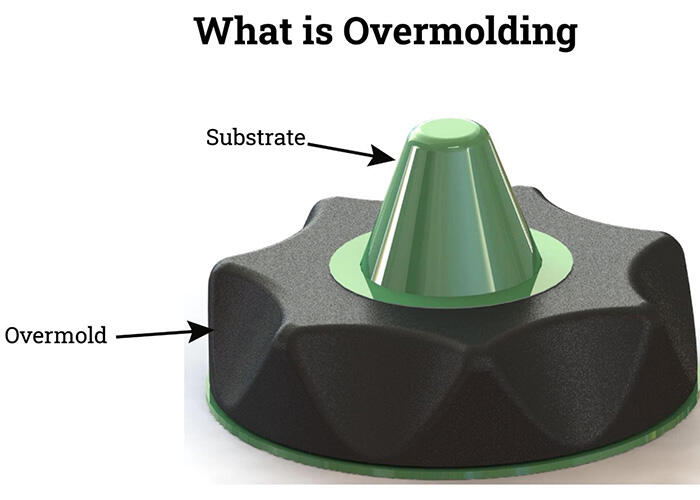
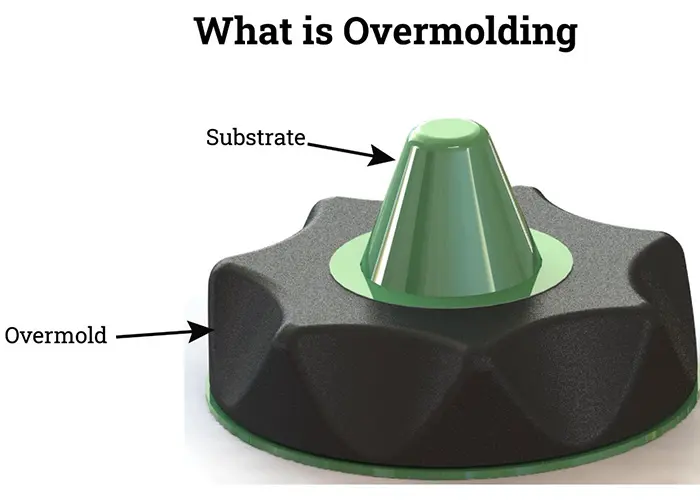
The versatility offered by custom plastic molding sets it apart as a manufacturing solution capable of addressing virtually any product challenge across diverse industries and applications. This adaptability begins with an extensive selection of plastic materials, each engineered to provide specific performance characteristics suited to different operating environments and functional requirements. You can select from commodity plastics like polyethylene and polypropylene that offer excellent chemical resistance and cost-effectiveness, engineering-grade materials such as nylon and polycarbonate that provide superior strength and temperature resistance, or specialized polymers like PEEK and liquid crystal polymers for extreme performance applications. The process accommodates material additives and reinforcements including glass fibers, carbon fibers, minerals, and flame retardants, allowing you to customize material properties to meet exact specifications for strength, stiffness, thermal performance, or regulatory compliance. Beyond material versatility, custom plastic molding excels in design flexibility, enabling the creation of shapes and features that would be extremely difficult or impossible to achieve through other manufacturing methods. You can incorporate complex internal passages, varying wall thicknesses, integrated hinge points, snap-fit assembly features, and decorative surface textures all within a single molded component. The technology supports overmolding and insert molding techniques, where multiple materials or pre-placed metal components become permanently bonded within a single part, creating assemblies that combine the best properties of different materials while reducing part count and assembly labor. Living hinges, which are thin flexible sections that allow repeated bending without failure, can be designed directly into molded parts, eliminating separate hinge hardware and simplifying product assembly. Undercuts and complex geometries become feasible through the use of side-action cores, collapsible cores, and other advanced tooling techniques that allow molds to open in multiple directions. The versatility extends to aesthetic possibilities, with custom plastic molding supporting a wide range of surface finishes from high-gloss polished surfaces to deeply textured patterns that can simulate wood grain, leather, or geometric designs. In-mold decoration and in-mold labeling techniques allow graphics, text, and branding elements to be permanently bonded to parts during the molding process, creating durable decorated components without secondary printing or labeling operations. You benefit from the ability to produce parts ranging in size from miniature components weighing fractions of a gram to large structural parts weighing several kilograms, all using variations of the same fundamental custom plastic molding process. This scalability means you can source multiple different components from a single manufacturing technology, simplifying supply chain management and vendor relationships while maintaining consistent quality standards across your product line.
Superior Economic Efficiency for Sustainable Business Growth

Superior Economic Efficiency for Sustainable Business Growth

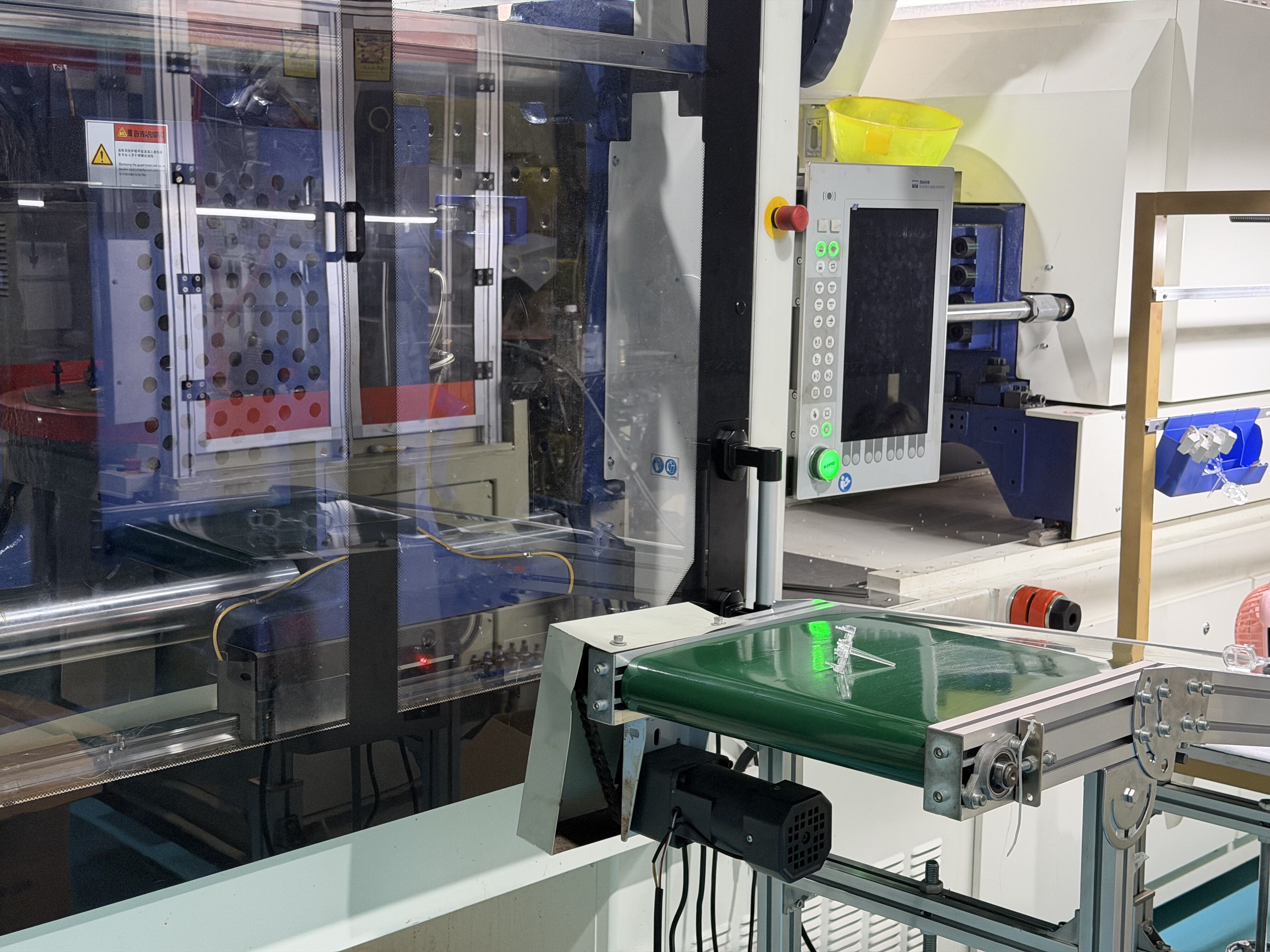
Custom plastic molding delivers compelling economic advantages that directly contribute to improved profitability and sustainable business growth over both short and long-term horizons. The economic efficiency begins with the manufacturing process itself, which achieves remarkably fast cycle times that allow production of multiple parts per minute depending on component size and complexity. This production speed translates directly to lower per-unit manufacturing costs, as the fixed costs of equipment and facility operations are distributed across a larger number of finished parts. Once the initial tooling investment is amortized across the production run, the marginal cost of each additional part becomes extremely competitive compared to alternative manufacturing methods, making custom plastic molding particularly economical for medium to high-volume production requirements. Material utilization efficiency contributes significantly to overall cost-effectiveness, as the process generates minimal scrap with most excess material recyclable back into production, reducing both raw material costs and waste disposal expenses. The ability to produce near-net-shape parts that require little or no secondary processing eliminates additional manufacturing steps, reducing handling, labor costs, and the potential for damage or quality issues during post-processing operations. Labor efficiency stands out as another economic benefit, with modern custom plastic molding operations requiring minimal direct labor intervention thanks to automated material handling, robotic part removal, and integrated quality inspection systems that allow a single operator to oversee multiple molding machines simultaneously. Energy efficiency has improved dramatically in recent generations of molding equipment, with advanced electric and hybrid machines consuming significantly less power than older hydraulic systems while delivering faster cycle times and more precise control. The durability and longevity of properly maintained molds provide long-term economic value, with high-quality tooling capable of producing hundreds of thousands or millions of cycles before requiring refurbishment, effectively spreading the initial tooling investment across an extensive production lifetime. Inventory management becomes more efficient and cost-effective because the rapid production capabilities of custom plastic molding allow you to maintain lower inventory levels and respond quickly to demand fluctuations rather than stockpiling large quantities of finished goods that tie up capital and warehouse space. Reduced product weight compared to metal alternatives lowers shipping costs substantially, especially for high-volume products where transportation expenses represent a significant portion of total delivered cost, and the lighter weight may also reduce end-user installation costs and improve product usability. Assembly cost reduction represents another important economic advantage, as custom plastic molding enables the integration of multiple features and functions into single components, eliminating separate fasteners, adhesives, and assembly labor while improving product reliability by reducing the number of potential failure points. The economic benefits extend to product development cycles, where rapid prototyping capabilities allow you to test and refine designs quickly before committing to production tooling, reducing the risk of costly design errors and accelerating time-to-market for new products.