Extended Tool Life That Maximizes Return on Investment
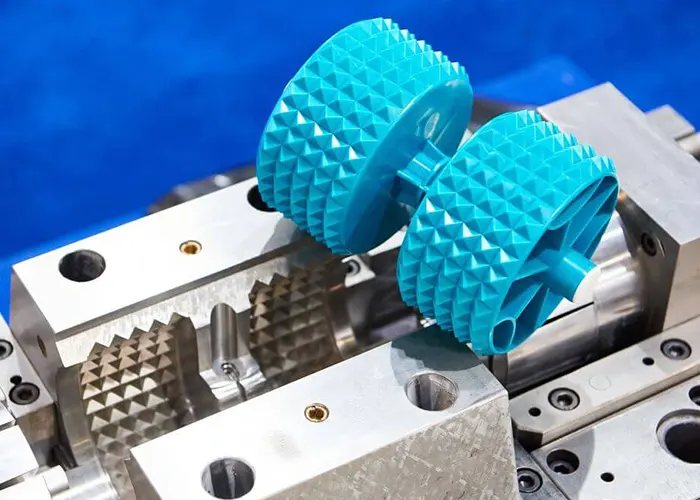
The extended tool life characteristic of precision injection molds represents a fundamental economic advantage that maximizes your return on investment while ensuring production continuity over years of operation. This longevity stems from thoughtful design decisions, premium material selection, and expert fabrication techniques that combine to create tooling capable of withstanding demanding production environments. When you commission a precision injection mold, you acquire an asset that can produce millions of parts before requiring significant maintenance or refurbishment, spreading the initial tooling cost across an enormous production volume. The tool life expectancy depends on multiple factors including material selection, operating conditions, and maintenance practices, but properly designed precision injection molds routinely achieve lifespans exceeding one million cycles in production environments. The foundation of extended tool life begins with material selection, as precision injection molds are constructed from hardened tool steels specifically engineered to resist wear, erosion, and fatigue. These materials maintain their mechanical properties and dimensional stability even when subjected to the thermal cycling and mechanical stresses inherent in injection molding operations. Heat treatment processes transform these steels into extremely durable tools that resist deformation under clamping forces and injection pressures. Surface hardening treatments create wear-resistant layers that protect high-wear areas like gates, ejector pins, and core pins from erosion caused by abrasive plastic materials or fillers. Design features incorporated into precision injection molds contribute significantly to extended tool life by managing stress concentrations and distributing forces evenly throughout the mold structure. Generous radii at corners and transitions prevent crack initiation points that could lead to premature failure. Robust support structures prevent deflection and misalignment that cause wear and parting line issues. Proper venting prevents excessive cavity pressures that stress mold components unnecessarily. The gate design balances filling requirements with minimal wear, positioning gates in reinforced areas that withstand erosive forces from high-velocity plastic flow. Cooling system design affects tool life by preventing thermal stress and fatigue that accumulate over repeated heating and cooling cycles. Precision injection molds incorporate cooling channels that maintain uniform temperature distributions, avoiding hot spots that accelerate material degradation. Corrosion-resistant cooling circuit materials prevent buildup that restricts flow and compromises temperature control. Maintenance accessibility is designed into precision injection molds, allowing service technicians to inspect critical components, replace wear items, and perform preventive maintenance without extensive disassembly. Replaceable inserts protect high-wear areas while allowing cost-effective restoration of mold functionality. Standardized components simplify spare parts inventory and reduce downtime when maintenance becomes necessary. Your production planning benefits from extended tool life because you can commit to long-term supply agreements with confidence that tooling will support contracted volumes. The predictable performance eliminates concerns about unexpected tool failures that disrupt schedules and disappoint customers. Lower total cost of ownership results from reduced tooling amortization per part, fewer tool replacements, and minimized production interruptions, making precision injection molds a financially sound choice that supports profitable manufacturing operations and sustainable business growth.


 EN
EN