automobile parts injection mold
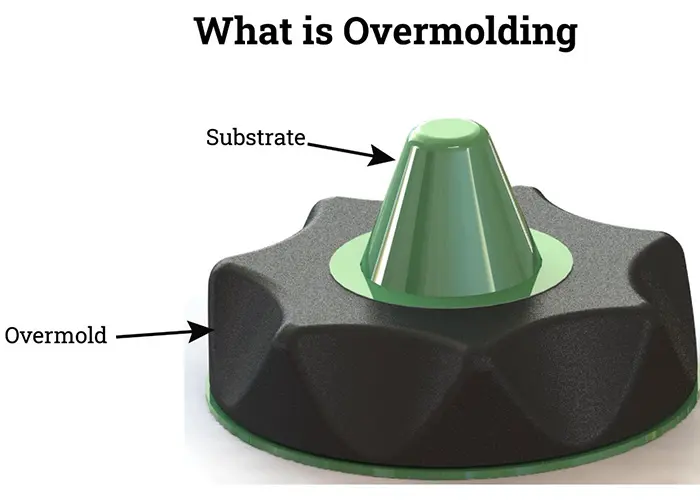
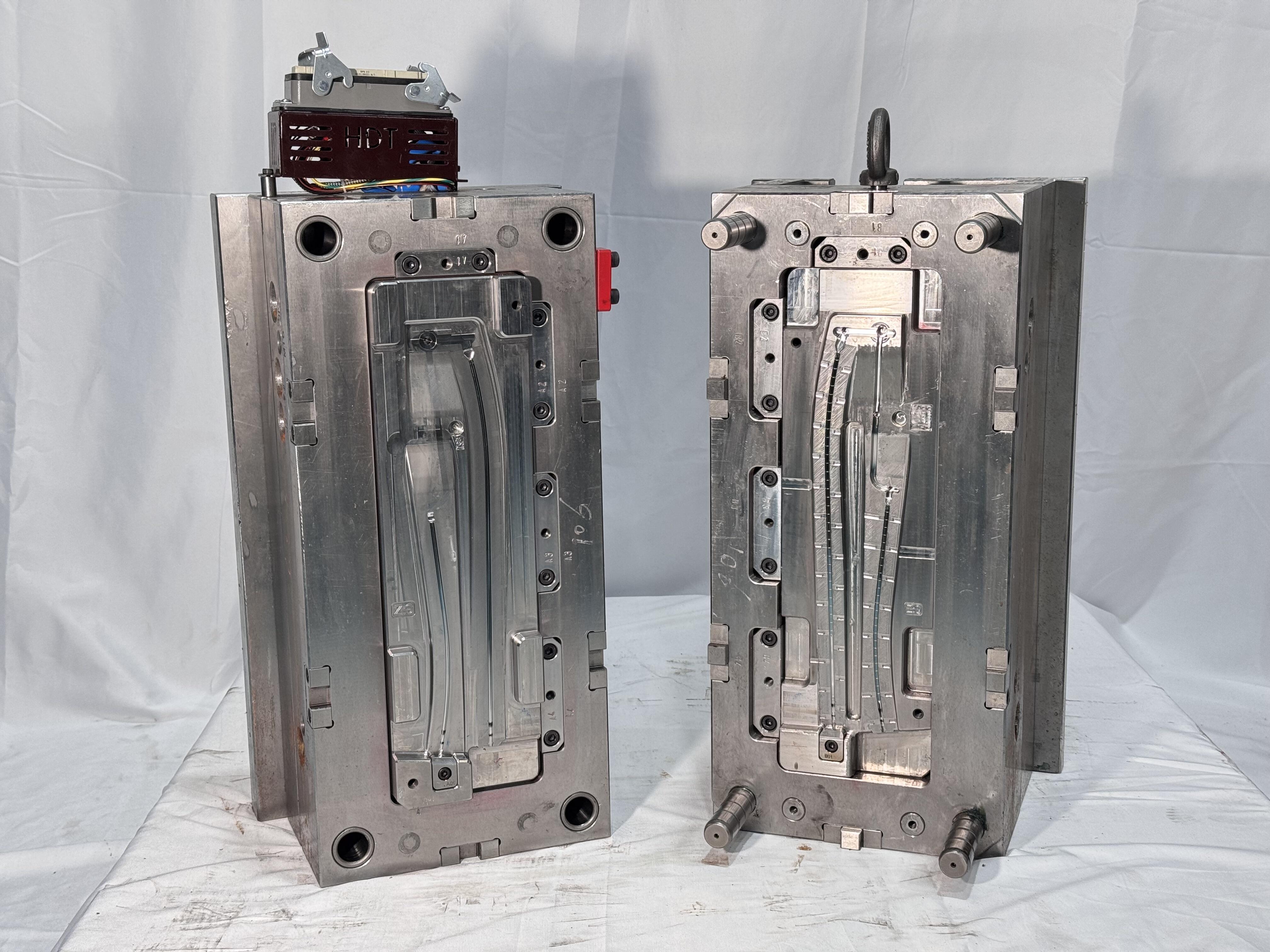
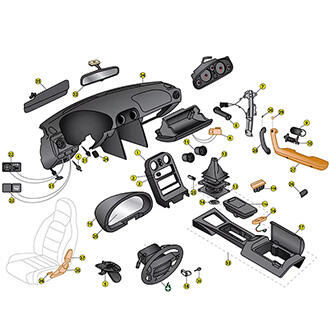
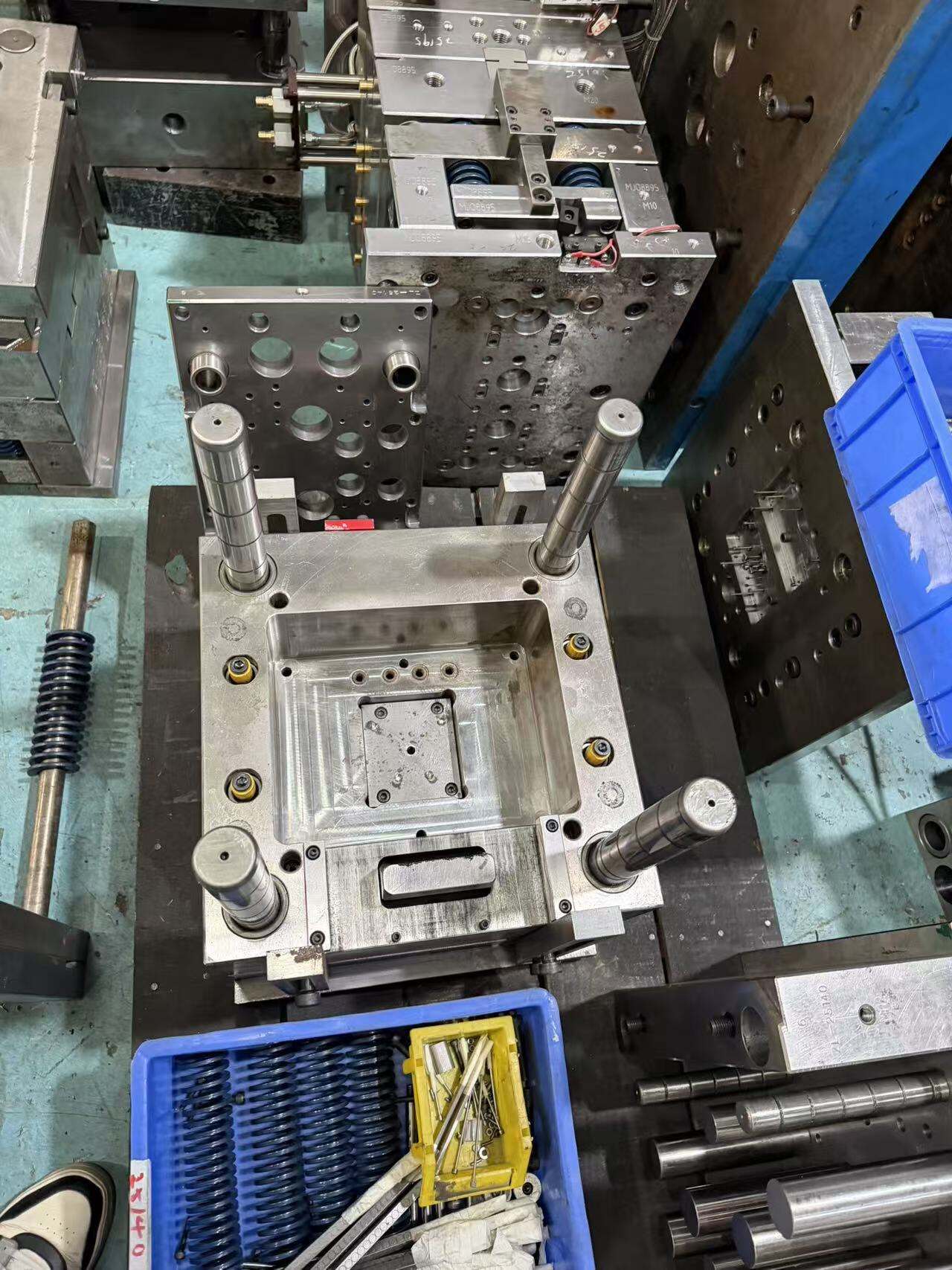
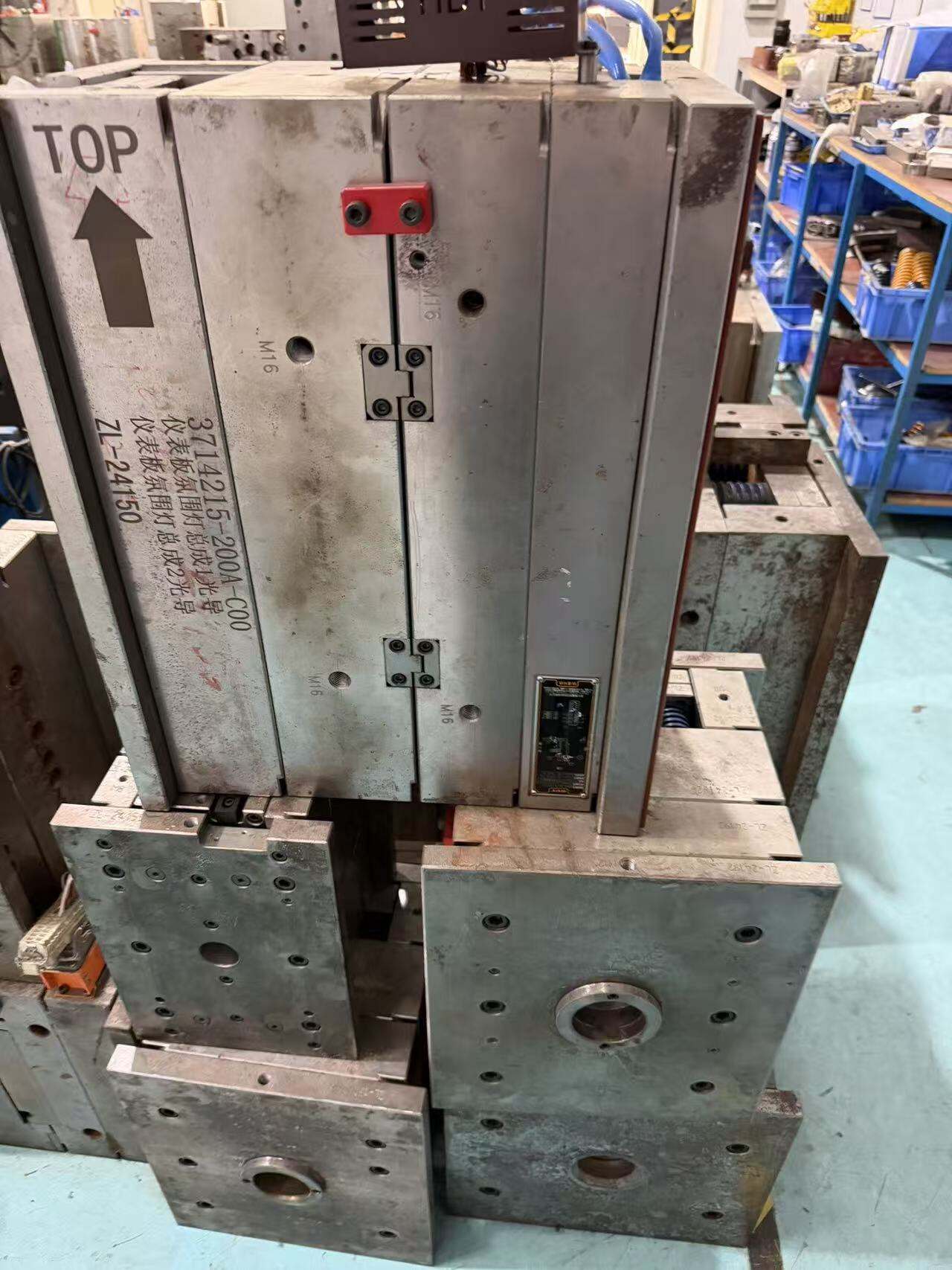
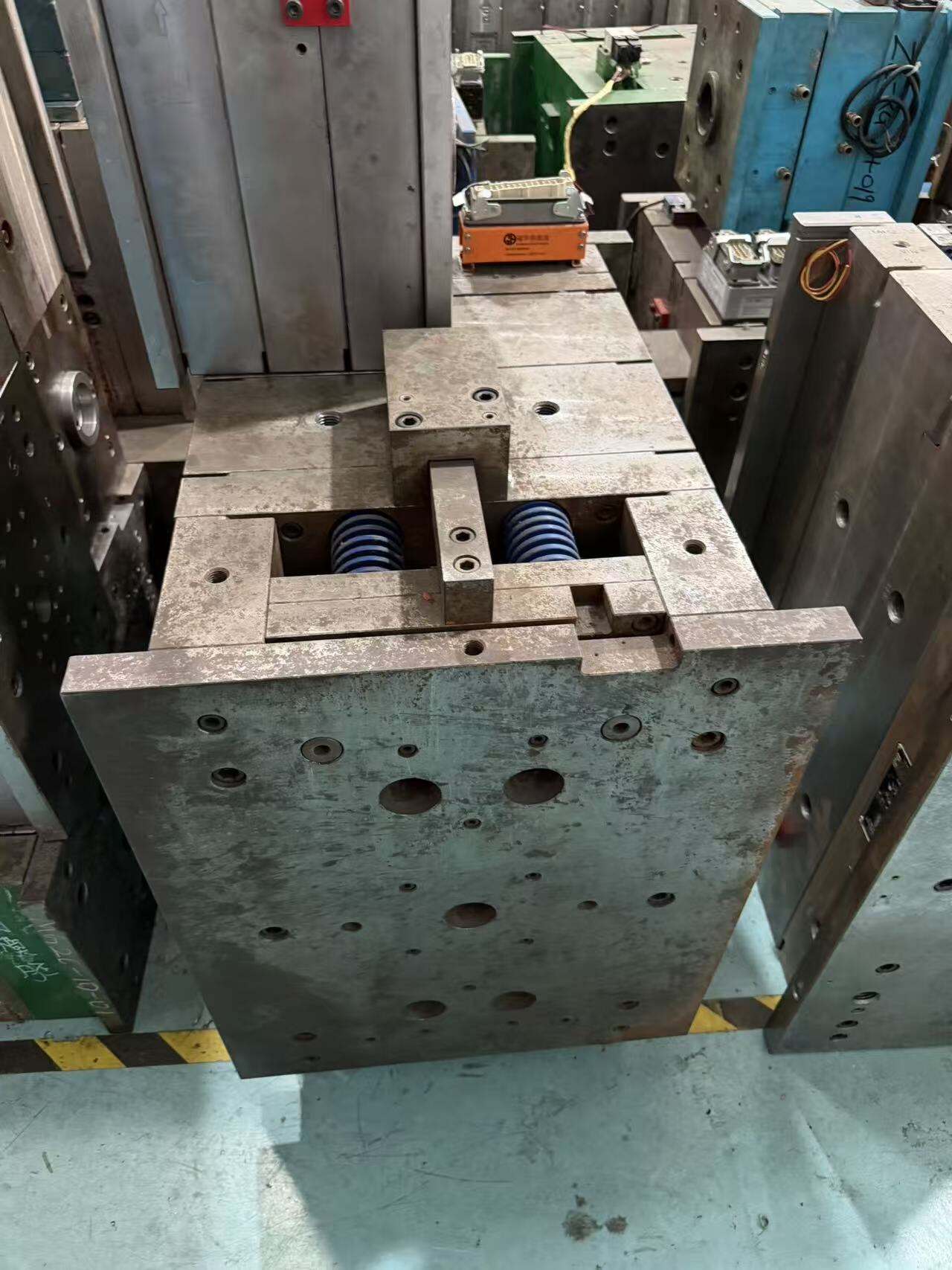
An automobile parts injection mold represents a specialized manufacturing tool designed to produce high-quality plastic components for the automotive industry through the injection molding process. This precision-engineered equipment creates a cavity into which molten plastic material is injected under high pressure, allowing it to cool and solidify into the exact shape required for various vehicle components. The automobile parts injection mold serves as the foundation for manufacturing dashboard panels, bumpers, interior trim pieces, light housings, door handles, air vents, and countless other essential vehicle elements. The main function of this tooling system involves transforming raw plastic materials into finished automotive parts with exceptional accuracy and consistency. Modern automobile parts injection molds incorporate advanced cooling channels, ejection systems, and multi-cavity designs that enable manufacturers to produce multiple identical parts simultaneously, dramatically increasing production efficiency. The technological features of these molds include precision-machined steel or aluminum construction, sophisticated temperature control mechanisms, automated ejection systems, and computer-aided design integration that ensures every produced part meets stringent automotive industry standards. These molds typically feature hardened steel cores and cavities that withstand millions of injection cycles while maintaining dimensional accuracy within micrometers. The application scope of automobile parts injection molds extends across the entire automotive manufacturing sector, from economy vehicles to luxury cars, electric vehicles to commercial trucks. Manufacturers rely on these tools to produce both exterior and interior components, structural elements, and decorative features. The versatility of automobile parts injection molds allows for the creation of parts with complex geometries, varying wall thicknesses, integrated features like clips and hinges, and multiple material combinations through overmolding techniques. This manufacturing approach has become indispensable in modern automotive production, enabling the industry to meet growing demands for lightweight, durable, and cost-effective plastic components that contribute to vehicle performance, safety, and aesthetic appeal.


 EN
EN