Automobile Parts Mold: Precision Manufacturing Solutions for Automotive Components | High-Quality Tooling

application/automobile-parts-mold, application/automobile-parts-mold, 
Get a Quote
Get a Quote

automobile parts mold

An automobile parts mold represents a precision-engineered tooling system designed specifically for manufacturing vehicle components through injection molding, die-casting, or stamping processes. This specialized equipment serves as the foundation for producing high-quality automotive parts that meet stringent industry standards and performance requirements. The automobile parts mold functions as a negative template that shapes raw materials into finished components with exact specifications, ensuring consistency across large production volumes. These molds accommodate various materials including plastics, metals, and composite substances, making them versatile solutions for modern automotive manufacturing needs. The primary function of an automobile parts mold involves transforming raw materials into precise geometric shapes through controlled pressure, temperature, and timing sequences. Advanced technological features include multi-cavity configurations that enable simultaneous production of multiple parts, hot runner systems that minimize material waste, and automated ejection mechanisms that streamline the manufacturing cycle. Modern automobile parts molds incorporate computer-aided design and manufacturing technologies, allowing engineers to simulate mold performance before physical production begins. This predictive capability reduces development time and ensures optimal tool performance from initial deployment. The application scope of automobile parts molds extends across all vehicle systems, from interior trim components and dashboard elements to exterior body panels and structural reinforcements. Engine compartment parts, lighting assemblies, bumper systems, and underbody components all rely on precisely manufactured molds for their creation. The automotive industry depends on these molds to maintain production efficiency while meeting increasingly complex design requirements and safety regulations. Contemporary automobile parts molds feature enhanced cooling systems that regulate temperature distribution, ensuring uniform part quality and reducing cycle times. Surface finishing capabilities built into the mold design eliminate secondary operations, delivering components ready for immediate assembly. The integration of sensor technology enables real-time monitoring of critical parameters, supporting predictive maintenance strategies and maximizing operational uptime throughout the mold's service life.

New Products

The automobile parts mold delivers significant cost savings by enabling mass production of identical components with minimal variation between units. Manufacturers benefit from reduced per-unit costs as production volumes increase, making it economically viable to produce millions of parts from a single mold investment. This economy of scale translates directly into competitive pricing advantages for automotive manufacturers and their suppliers. The consistency achieved through mold-based production eliminates the quality variations inherent in manual manufacturing processes, ensuring every part meets exact specifications without requiring extensive inspection procedures. Production speed represents another compelling advantage, as automobile parts molds can complete manufacturing cycles in seconds or minutes depending on part complexity and material requirements. This rapid throughput supports just-in-time manufacturing strategies, reducing inventory carrying costs and improving supply chain responsiveness. The mold's ability to produce complex geometries in single operations eliminates assembly steps that would otherwise be necessary when combining multiple simpler components. This consolidation reduces labor costs, minimizes potential failure points, and improves overall product reliability. Material efficiency stands out as a practical benefit, with modern automobile parts molds designed to minimize scrap and maximize material utilization through optimized gate locations and runner systems. The environmental impact of manufacturing decreases when less raw material becomes waste, supporting sustainability initiatives while reducing material procurement expenses. Flexibility in design iterations becomes possible through modular mold construction, allowing manufacturers to modify specific features without replacing entire tooling systems. This adaptability proves valuable during vehicle model updates or when addressing field performance feedback. The automobile parts mold enables superior surface finish quality directly from the production process, often eliminating painting or coating requirements for visible components. This direct finish capability accelerates time-to-market and reduces manufacturing complexity. Durability of properly maintained automobile parts molds ensures years of reliable service, with some tools producing tens of millions of parts before requiring major refurbishment. This longevity spreads the initial investment across enormous production volumes, further improving cost-effectiveness. The precision inherent in mold manufacturing supports tight tolerance requirements essential for modern vehicle assembly, where parts must fit perfectly to ensure structural integrity, aerodynamic performance, and aesthetic appeal. Automation compatibility represents a forward-looking advantage, as automobile parts molds integrate seamlessly with robotic handling systems and automated quality inspection equipment. This compatibility positions manufacturers to adopt Industry 4.0 technologies and smart factory concepts. The predictability of mold-based production facilitates accurate capacity planning and delivery scheduling, improving customer satisfaction through reliable fulfillment of orders and commitments.

Latest News

What industries benefit most from professional injection molding companies?

08

May

What industries benefit most from professional injection molding companies?

Manufacturing precision parts at scale requires specialized capabilities that only experienced injection molding companies can deliver. Across global industries, businesses rely on these partnerships to transform raw polymer materials into complex co...
View More
How does plastic moulding reduce material waste in mass production?

08

May

How does plastic moulding reduce material waste in mass production?

In modern manufacturing environments, controlling material waste has become a strategic priority that directly impacts profitability, sustainability credentials, and operational efficiency. Plastic moulding stands as one of the most waste-efficient p...
View More
Why do manufacturers rely on plastic moulding for scalable production?

27

May

Why do manufacturers rely on plastic moulding for scalable production?

Manufacturers across industries face a persistent challenge: how to scale production efficiently while maintaining product quality, controlling costs, and meeting rapidly changing market demands. The answer increasingly lies in plastic moulding, a ma...
View More
What Are the Key Steps Involved in Professional Mold Making?

27

May

What Are the Key Steps Involved in Professional Mold Making?

Professional mold making is one of the most technically demanding disciplines in modern manufacturing. Whether you are producing plastic components, rubber parts, or composite structures, the quality of the mold directly determines the quality, consi...
View More

Get a Free Quote

Our representative will contact you soon.
0/1000
Precision Engineering for Perfect Fit and Function

Precision Engineering for Perfect Fit and Function

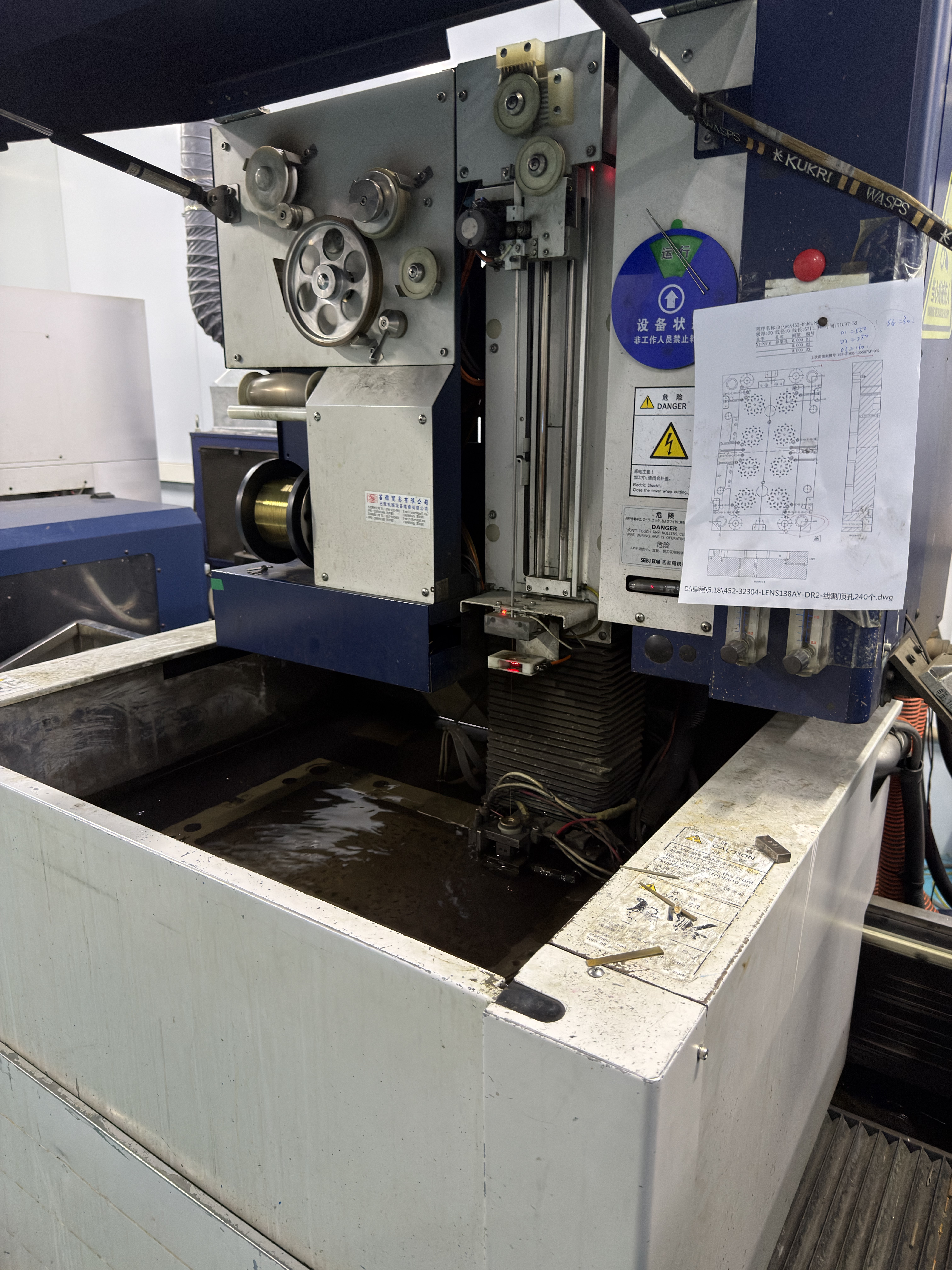
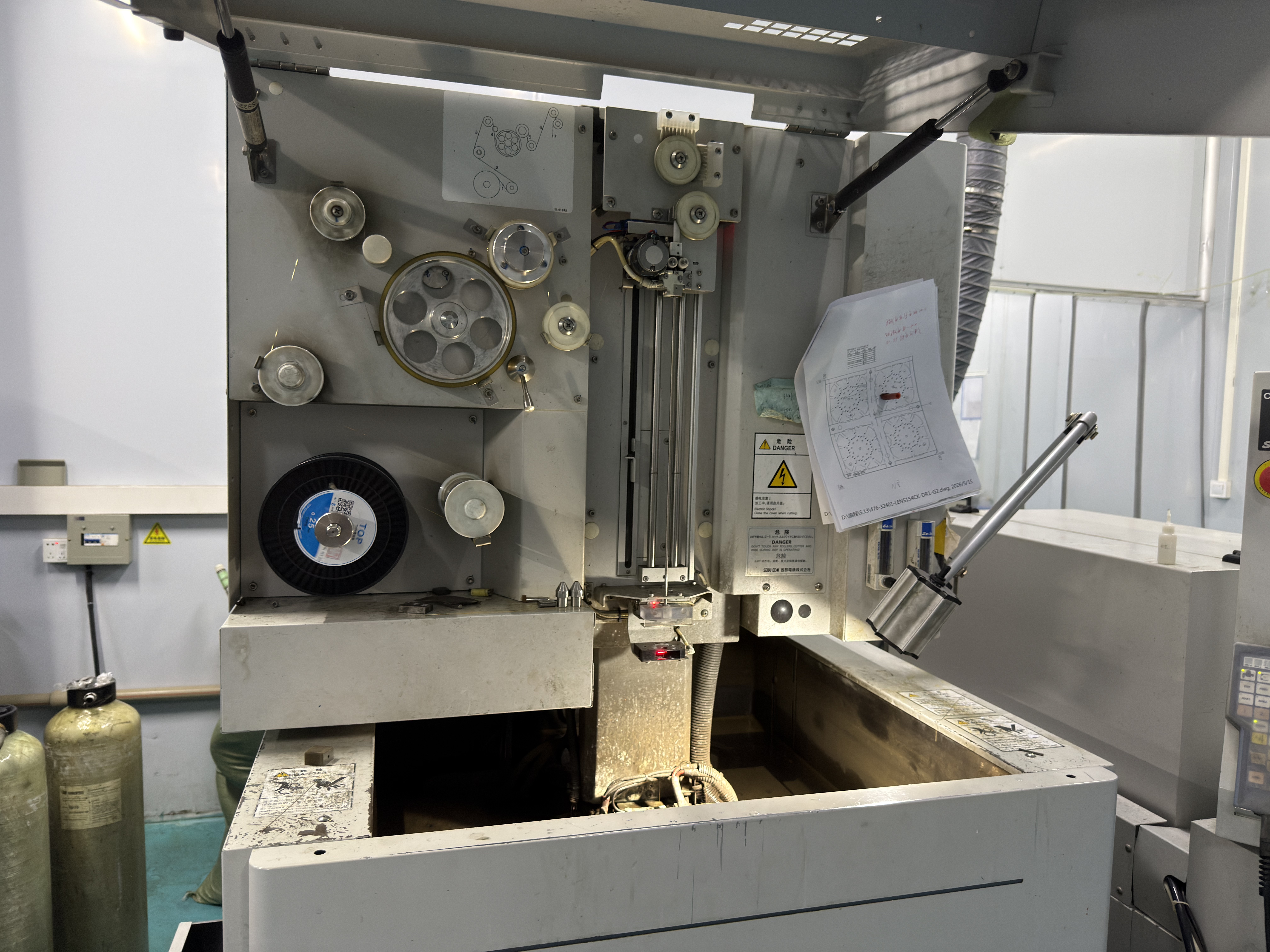
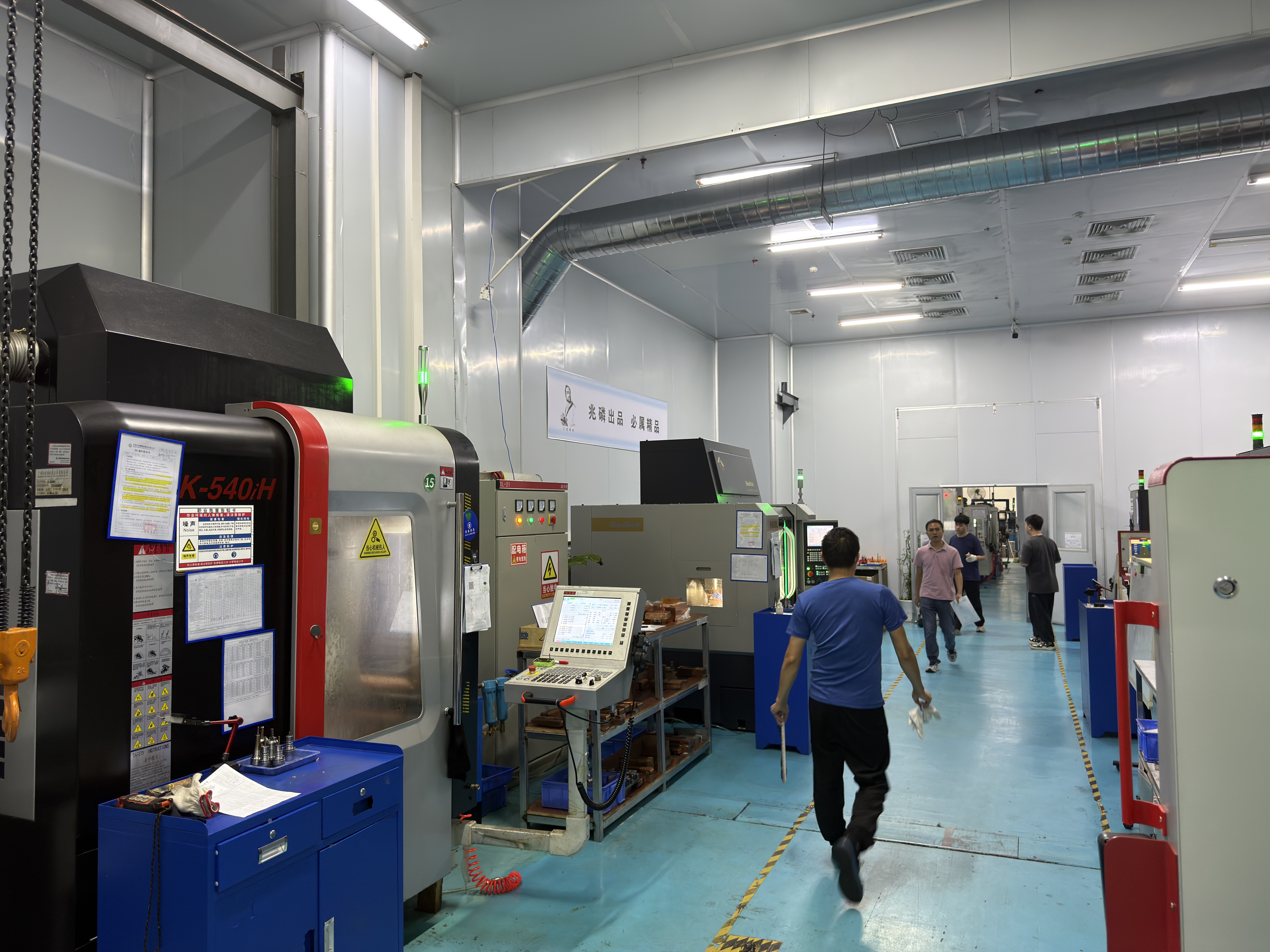
The automobile parts mold achieves microscopic accuracy levels that ensure every manufactured component fits perfectly within complex vehicle assemblies. This precision begins during the mold design phase, where engineers utilize advanced three-dimensional modeling software to map every contour, radius, and surface transition with mathematical exactness. The digital design undergoes rigorous virtual testing through simulation programs that predict material flow patterns, identify potential defects, and optimize cooling channel placement before any metal gets cut. Once the design validation completes, precision machining centers equipped with multi-axis capabilities create the mold cavities and cores with tolerances measured in micrometers. This exacting fabrication process employs specialized cutting tools made from exotic materials that maintain sharpness even when machining hardened tool steels. Surface finishing operations follow rough machining, with skilled craftsmen employing both automated polishing systems and hand-finishing techniques to achieve mirror-smooth surfaces where required or precisely textured finishes that replicate leather, wood grain, or technical patterns. The assembled automobile parts mold undergoes comprehensive measurement verification using coordinate measuring machines that probe thousands of points across critical surfaces, confirming dimensional accuracy against original specifications. This precision translates into tangible benefits during vehicle production, where parts manufactured from high-quality molds require no adjustment or modification during assembly operations. The elimination of fitting issues accelerates assembly line speeds and reduces labor costs associated with rework or adjustment activities. Precision-molded components also contribute to vehicle quality perceptions, as uniform gaps between body panels and consistent surface appearances signal manufacturing excellence to discerning customers. The functional benefits extend beyond aesthetics, with precisely manufactured structural components distributing crash forces as engineers intended, maximizing occupant safety during collision events. Seal interfaces molded to exact specifications prevent water intrusion and wind noise, enhancing cabin comfort and vehicle longevity. The automobile parts mold's precision capabilities support lightweighting initiatives by enabling thin-wall designs that maintain structural requirements while reducing material usage and vehicle weight. This weight reduction directly improves fuel efficiency and reduces emissions, addressing environmental regulations and consumer demands for economical operation.
Rapid Production Cycles for Maximum Efficiency

Rapid Production Cycles for Maximum Efficiency

The automobile parts mold transforms manufacturing efficiency through remarkably fast production cycles that compress the time between raw material input and finished component output. Modern injection molding systems equipped with optimized automobile parts molds can complete full cycles in under thirty seconds for many component types, enabling production rates exceeding one hundred parts per hour from a single mold. This speed derives from carefully engineered thermal management systems integrated throughout the mold structure, featuring precisely positioned cooling channels that extract heat from molded material at controlled rates. Strategic cooling channel placement ensures uniform temperature reduction across the entire part geometry, preventing warpage while accelerating solidification. The automobile parts mold incorporates hot runner manifold systems that maintain material at optimal processing temperature right up to the cavity gate, eliminating the cooling time and material waste associated with traditional cold runner systems. Quick-change capabilities built into modern automobile parts molds allow manufacturers to switch between different part configurations in minutes rather than hours, maximizing equipment utilization across diverse production requirements. Automated part removal systems integrated with the mold design eliminate manual handling delays, with robotic arms extracting finished components immediately upon mold opening and transferring them to downstream operations or quality inspection stations. The cumulative effect of these rapid-cycle features dramatically improves manufacturing economics by producing more parts per unit of time, reducing the per-part allocation of fixed costs including facility overhead, equipment depreciation, and labor expenses. Speed advantages extend beyond individual part production to encompass new product introduction timelines, as the automobile parts mold enables rapid transition from design concept to production reality. Prototype molds produced through accelerated manufacturing techniques allow engineers to test physical parts within weeks of design completion, validating form, fit, and function before committing to full production tooling investments. This rapid iteration capability reduces development risks and compresses time-to-market intervals, providing competitive advantages in the fast-paced automotive industry. Production flexibility enabled by quick-cycling automobile parts molds supports lean manufacturing principles, allowing producers to manufacture smaller batch sizes economically and respond swiftly to demand fluctuations without accumulating excessive inventory. The reduced cycle times also decrease energy consumption per part, as equipment operates efficiently without prolonged idle periods between cycles, contributing to sustainability objectives and operational cost reduction.
Versatile Material Compatibility for Diverse Applications

Versatile Material Compatibility for Diverse Applications

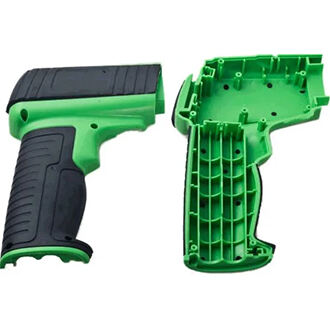
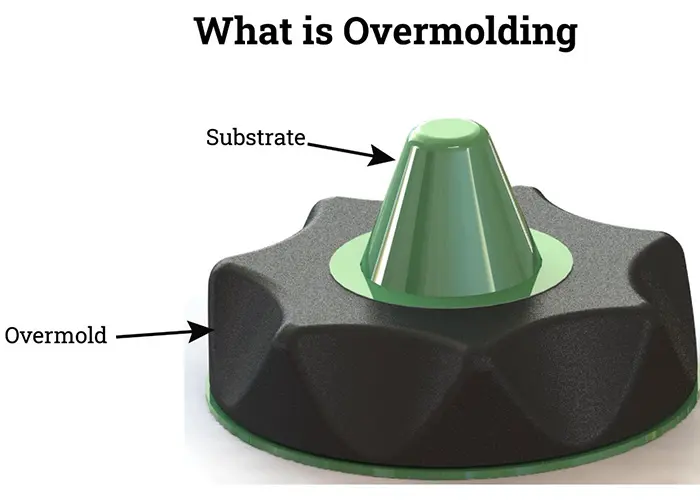
The automobile parts mold demonstrates remarkable versatility by accommodating an extensive range of materials, each selected for specific performance characteristics required by different vehicle applications. Thermoplastic materials including polypropylene, acrylonitrile butadiene styrene, polycarbonate, and nylon flow readily into intricate mold cavities, creating components with properties ranging from flexible and impact-resistant to rigid and heat-tolerant. The automobile parts mold designed for thermoplastic processing incorporates features that optimize material flow dynamics, ensuring complete cavity filling even in thin-wall sections or complex geometries with long flow paths. Temperature control systems maintain material viscosity within optimal ranges throughout the injection and packing phases, preventing premature solidification while avoiding thermal degradation. Thermoset materials including phenolic resins, epoxies, and polyurethanes chemically crosslink during the molding process, creating components with superior heat resistance and dimensional stability compared to thermoplastics. Molds designed for thermoset processing incorporate heating systems rather than cooling channels, providing the elevated temperatures necessary to initiate and complete the curing reactions. Metal injection molding represents another application area where specialized automobile parts molds process fine metal powders mixed with temporary binders, creating complex shapes that undergo subsequent sintering to achieve full density and mechanical properties. This process enables production of intricate metal components that would be impossible or prohibitively expensive to machine from solid stock. The automobile parts mold also accommodates composite materials including glass-fiber-reinforced plastics and carbon-fiber-reinforced polymers, which combine lightweight properties with exceptional strength characteristics. These advanced materials require specialized mold features including provisions for fiber orientation control and strategies to prevent fiber damage during injection. Material versatility extends to over-molding and insert-molding applications, where the automobile parts mold integrates multiple materials within a single component, combining rigid structural elements with soft-touch surfaces or integrating metal reinforcements within plastic housings. This multi-material capability eliminates assembly operations while creating components with sophisticated functionality and enhanced user experiences. The ability to process diverse materials from a common mold platform, with appropriate process parameter adjustments, provides manufacturers with flexibility to optimize material selection based on performance requirements, cost considerations, and regulatory compliance needs. This versatility proves particularly valuable as automotive industry trends shift toward electrification, requiring new material solutions for battery housings, electric motor components, and thermal management systems that differ substantially from traditional internal combustion engine applications.