Medical Mold Manufacturing Solutions - Precision Healthcare Component Production

application/medical-mold, application/medical-mold, 
Get a Quote
Get a Quote

medical mold

Medical mold represents a specialized category of precision tooling designed specifically for manufacturing healthcare products and medical devices. These molds serve as the foundation for producing critical components used in hospitals, clinics, laboratories, and home healthcare settings. The primary function of medical mold technology involves creating exact replicas of medical parts through injection molding, compression molding, or other advanced manufacturing processes. These tools enable manufacturers to produce sterile, biocompatible components that meet stringent regulatory requirements set by health authorities worldwide. The technological features of medical mold systems include ultra-precise cavity designs, advanced cooling channels for optimal temperature control, and specialized surface treatments that prevent contamination. Many medical molds incorporate hot runner systems to minimize material waste and ensure consistent part quality across large production runs. The materials used in constructing these molds typically include hardened steel, stainless steel, or aluminum alloys selected for durability and resistance to corrosion. Applications for medical mold technology span numerous healthcare sectors, from disposable syringes and drug delivery devices to surgical instruments and diagnostic equipment housings. These molds produce components for infusion sets, blood collection tubes, pill containers, respiratory masks, and countless other essential medical products. The precision achieved through medical mold manufacturing ensures that each component meets exact dimensional specifications, which is critical for patient safety and device functionality. Modern medical mold designs often feature multi-cavity configurations that allow simultaneous production of multiple identical parts, significantly increasing manufacturing efficiency. The integration of computer-aided design and computer-aided manufacturing technologies has revolutionized medical mold development, enabling engineers to simulate mold performance before physical production begins, thereby reducing development time and costs while improving final product quality.

New Product Releases

Choosing medical mold manufacturing offers substantial benefits that directly impact production efficiency and product quality. First, these specialized molds deliver exceptional consistency across millions of production cycles, ensuring every medical component meets identical specifications without variation. This reliability proves invaluable when manufacturing life-saving devices where even minor deviations could compromise patient safety. The precision engineering behind these molds eliminates human error from the production process, creating perfectly uniform parts every single time. Second, medical mold technology significantly reduces manufacturing costs over time through automation and high-volume production capabilities. Once the initial mold investment is complete, manufacturers can produce thousands or even millions of parts with minimal labor involvement, dramatically lowering per-unit costs compared to alternative manufacturing methods. This cost efficiency allows healthcare providers to access affordable medical supplies while maintaining the highest quality standards. Third, these molds support faster production cycles through optimized cooling systems and streamlined ejection mechanisms. Components cool rapidly within the mold cavity, solidify completely, and eject smoothly without damage, enabling manufacturers to maintain continuous production schedules that meet urgent healthcare demands. Fourth, medical mold systems accommodate a wide range of biocompatible materials including medical-grade plastics, silicones, and thermoplastic elastomers, giving manufacturers flexibility to select the ideal material for each specific application. This versatility ensures that finished products possess the exact physical properties required for their intended medical use, whether that involves flexibility, transparency, or chemical resistance. Fifth, these molds incorporate design features that facilitate easy cleaning and sterilization between production runs, maintaining the sterile environment essential for medical manufacturing. Smooth internal surfaces prevent bacterial growth while allowing thorough sanitization using standard protocols. Sixth, modern medical mold construction ensures exceptional durability, with properly maintained molds lasting through millions of cycles before requiring replacement. This longevity maximizes return on investment and provides manufacturers with stable production capabilities for years. Finally, working with medical mold technology enables manufacturers to rapidly scale production up or down based on market demand, ensuring healthcare facilities always have access to necessary supplies without excess inventory costs.

Latest News

What industries benefit most from professional injection molding companies?

08

May

What industries benefit most from professional injection molding companies?

Manufacturing precision parts at scale requires specialized capabilities that only experienced injection molding companies can deliver. Across global industries, businesses rely on these partnerships to transform raw polymer materials into complex co...
View More
How Does Mold Making Support Custom Product Development Projects?

27

May

How Does Mold Making Support Custom Product Development Projects?

When businesses set out to develop a new physical product, the path from concept to finished part is rarely straightforward. One of the most critical enabling technologies along that path is mold making. Whether a company is designing a consumer elec...
View More
What makes plastic moulding essential for high-volume manufacturing today?

27

May

What makes plastic moulding essential for high-volume manufacturing today?

In the modern industrial landscape, few manufacturing processes have proven as indispensable as plastic moulding. As production demands escalate across industries ranging from automotive to consumer electronics, the ability to manufacture complex, co...
View More
How Does Plastic Injection Mold Technology Improve Production Efficiency?

27

May

How Does Plastic Injection Mold Technology Improve Production Efficiency?

In modern manufacturing, the pressure to produce more in less time without sacrificing quality has never been greater. plastic injection mold technology has emerged as one of the most reliable answers to that challenge. By enabling the rapid, repeata...
View More

Get a Free Quote

Our representative will contact you soon.
0/1000
Superior Contamination Prevention and Cleanroom Compatibility

Superior Contamination Prevention and Cleanroom Compatibility

One of the most critical advantages that medical mold technology provides involves its inherent ability to prevent contamination throughout the manufacturing process. This feature stands as a non-negotiable requirement in healthcare manufacturing where even microscopic particles or biological agents could pose serious risks to patient health. Medical molds achieve this contamination prevention through multiple integrated design elements working in harmony. The molds utilize highly polished internal surfaces that reach mirror-like finishes, eliminating microscopic pits and crevices where bacteria, mold spores, or other contaminants might accumulate during production. These ultra-smooth surfaces also facilitate complete material flow during the molding process, preventing trapped air pockets or incomplete fills that could create weak points or contamination harbors in finished components. Furthermore, medical mold construction employs materials specifically selected for their non-reactive properties and resistance to corrosion, ensuring that no metallic particles or chemical residues transfer to molded parts during production. Many medical molds incorporate specialized venting systems that allow trapped air to escape during injection while preventing external contaminants from entering the mold cavity. These precision-engineered vents maintain the sterile integrity of the molding environment throughout each production cycle. The compatibility of medical mold systems with cleanroom environments represents another dimension of contamination prevention. These molds operate seamlessly within controlled atmospheric conditions where air filtration, temperature regulation, and humidity control create optimal sterile manufacturing environments. The closed-system design of modern medical molds minimizes operator contact with molded parts, further reducing contamination risks associated with human handling. Automated ejection systems remove finished components without manual intervention, depositing them directly into sterile collection containers or onto conveyor systems that transport parts to secondary packaging operations. This integration with automated handling equipment creates an end-to-end sterile production pathway. Additionally, medical mold designs facilitate rapid, thorough cleaning between production runs or material changes. Quick-disconnect features allow maintenance teams to access all mold surfaces for comprehensive sanitization using validated cleaning protocols. The chemical resistance of mold materials ensures that aggressive sterilizing agents can be used without degrading mold surfaces or compromising dimensional accuracy. This cleanability extends the productive life of medical molds while maintaining the highest sanitation standards throughout their operational lifetime.
Exceptional Dimensional Accuracy for Critical Medical Applications

Exceptional Dimensional Accuracy for Critical Medical Applications

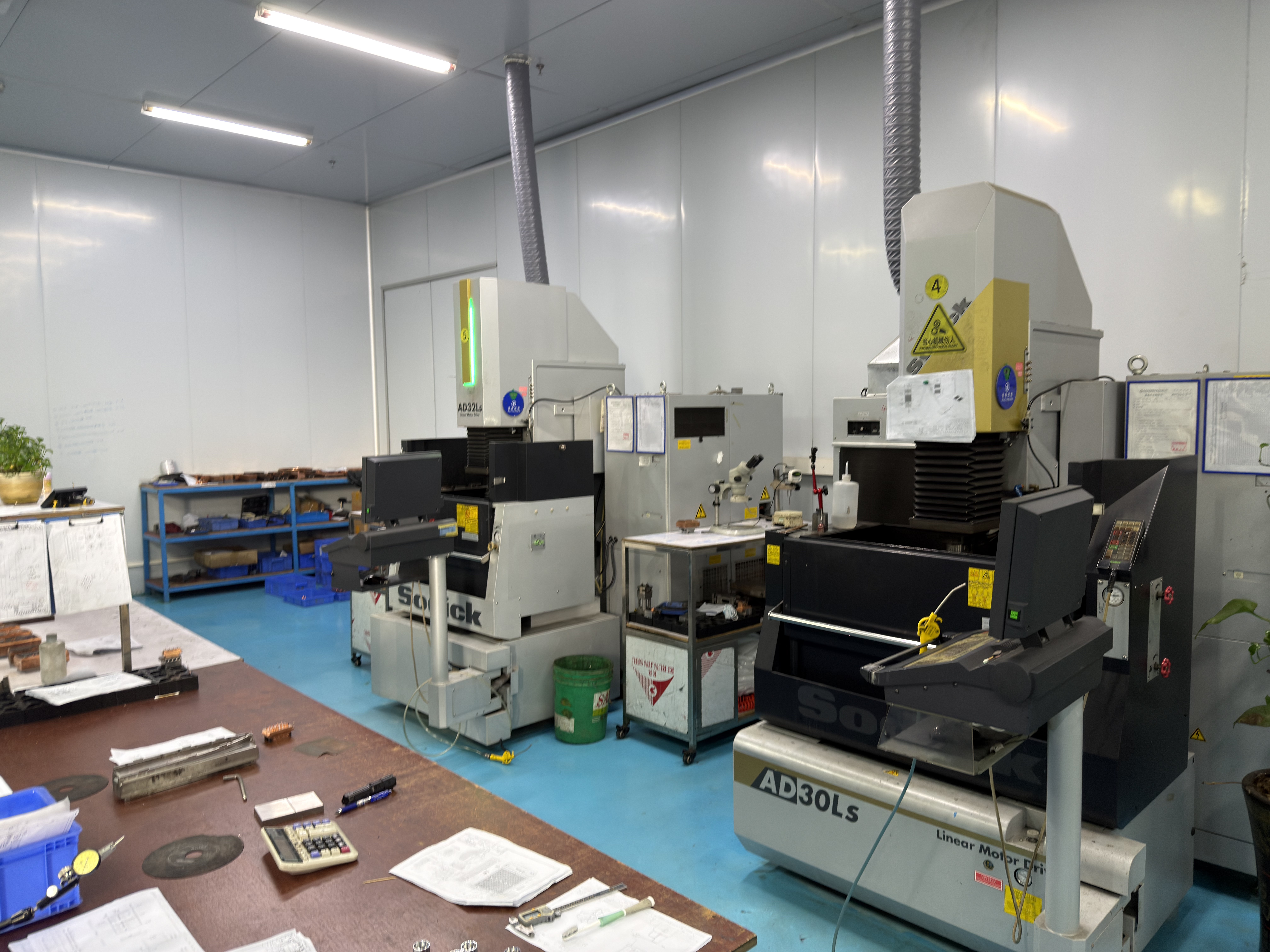
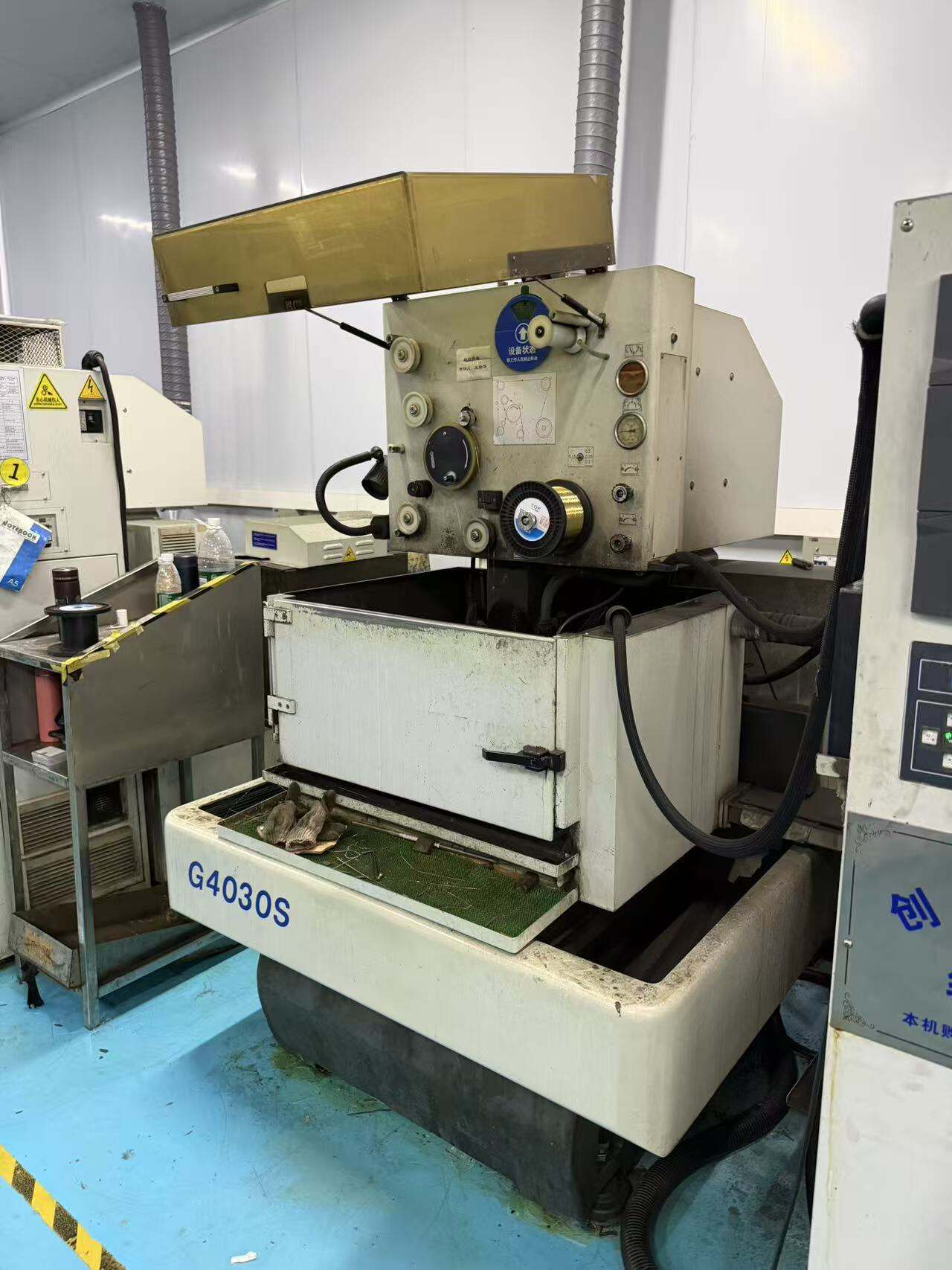
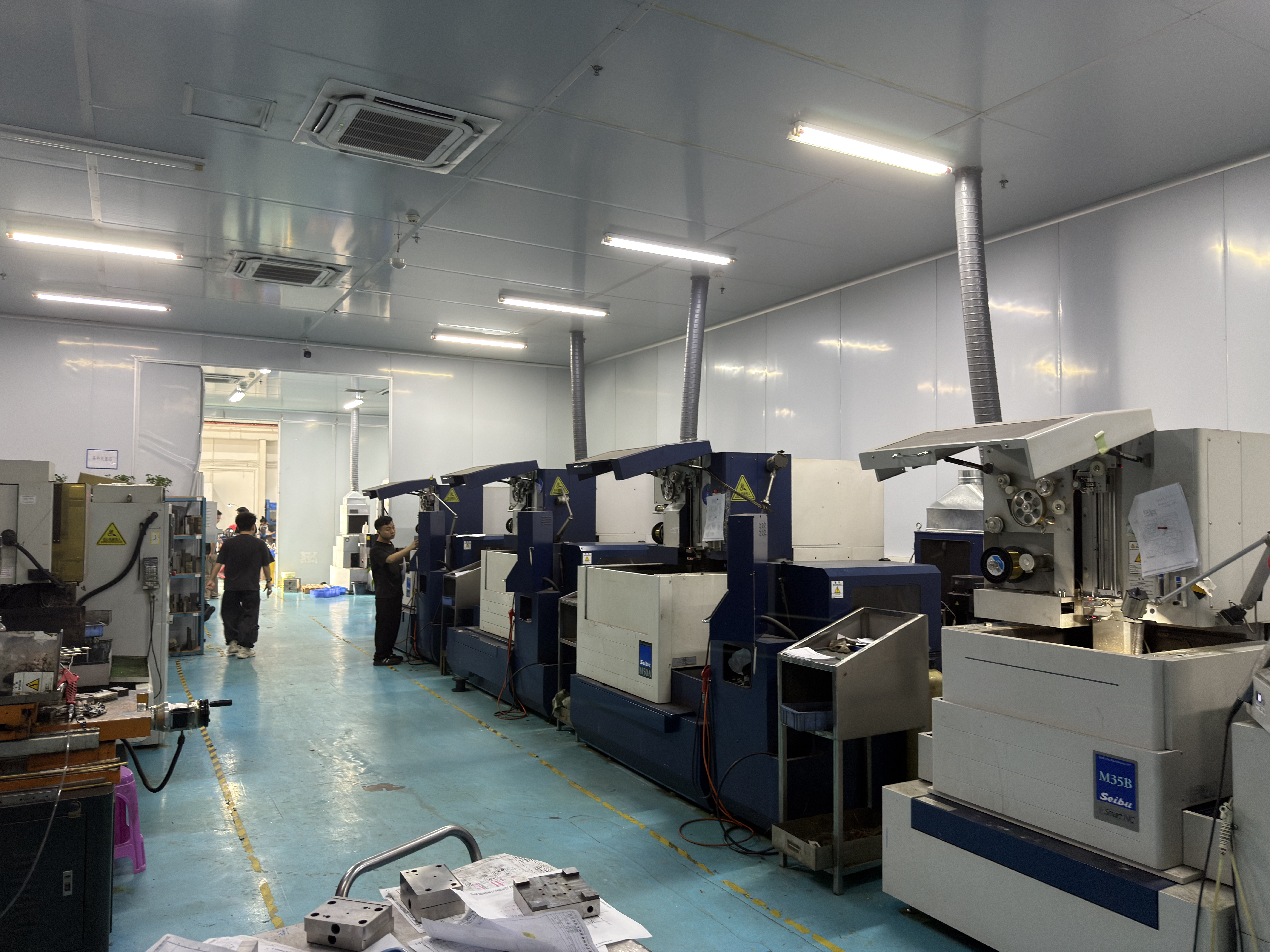
Medical mold technology delivers unparalleled dimensional precision that proves absolutely essential for manufacturing components used in critical healthcare applications. This accuracy ensures that medical devices function exactly as designed, with components fitting together perfectly and performing their intended functions without failure. The precision achieved through advanced medical mold manufacturing reaches tolerances measured in microns, far exceeding what manual manufacturing processes or less sophisticated tooling could accomplish. This microscopic accuracy begins with the mold design phase, where experienced engineers utilize three-dimensional computer modeling to map every surface, angle, and dimension of the desired component. These digital models undergo rigorous virtual testing and optimization before any physical mold construction begins, identifying potential issues and refining the design for optimal performance. Once the design is finalized, precision machining centers equipped with multi-axis capabilities cut mold cavities with extraordinary exactness, creating negative spaces that perfectly mirror the intended component geometry. Quality control processes verify dimensional accuracy at multiple stages throughout mold construction, using coordinate measuring machines and optical inspection systems to confirm that every measurement falls within specified tolerances. The importance of this dimensional precision becomes evident when considering medical applications such as syringe components, where precise fits between plungers and barrels ensure accurate medication dosing and smooth operation. Even fractional variations in these dimensions could result in medication delivery errors or device malfunction, potentially harming patients. Similarly, components for surgical instruments must meet exacting specifications to function properly during delicate medical procedures where surgeon control and instrument reliability are paramount. Medical mold technology also maintains this dimensional consistency across extended production runs involving millions of cycles. While some manufacturing methods experience tool wear that gradually changes part dimensions over time, properly designed and maintained medical molds preserve their accuracy throughout their operational lifetime. Advanced materials and surface treatments protect critical mold surfaces from erosion caused by abrasive fillers in medical plastics or the high pressures involved in injection molding. Temperature control systems integrated into medical molds further contribute to dimensional stability by maintaining consistent thermal conditions throughout the production cycle, preventing expansion or contraction that might affect part dimensions. This thermal management ensures that components molded at the beginning of a production run possess identical dimensions to those produced thousands of cycles later.
Accelerated Time-to-Market for New Medical Products

Accelerated Time-to-Market for New Medical Products

Medical mold technology provides manufacturers with a significant competitive advantage through dramatically reduced development timelines, enabling faster introduction of innovative healthcare products to the market. This acceleration proves critically important in the medical device industry where responding quickly to emerging healthcare needs, regulatory changes, or competitive pressures can determine commercial success or failure. The speed advantages begin during the product development phase, where modern medical mold design processes leverage sophisticated simulation software that predicts how molten materials will flow through mold cavities, how components will cool, and where potential defects might occur. These virtual simulations eliminate much of the traditional trial-and-error approach that previously required building multiple prototype molds, testing them, identifying problems, and rebuilding modified versions. Instead, engineers optimize mold designs digitally, resolving issues before any metal is cut, thereby compressing development timelines by weeks or months. Once the optimized design is finalized, advanced manufacturing technologies including high-speed CNC machining and electrical discharge machining fabricate mold components rapidly and accurately. What once required weeks of manual machining and fitting now occurs in days through automated processes that work continuously with minimal supervision. The precision of these automated manufacturing methods also reduces the fitting and adjustment time traditionally needed to bring new molds into production, as components fit together correctly from the start. Furthermore, medical mold technology enables rapid prototyping and small-batch production that allows device manufacturers to test market acceptance, gather clinical feedback, and refine product designs before committing to full-scale production. This iterative development approach reduces the risk of investing heavily in products that may require modification based on real-world usage. The flexibility of modern medical molds also supports design modifications without requiring complete mold replacement. Interchangeable inserts and modular construction allow engineers to alter specific component features while retaining the main mold body, dramatically reducing modification costs and timelines. This adaptability proves especially valuable during regulatory approval processes where authorities may require design adjustments based on safety testing or clinical trial results. Medical mold technology also accelerates the scaling process when products transition from initial launch to high-volume production. Multi-cavity molds that produce multiple identical parts simultaneously can be implemented quickly, multiplying production capacity without proportionally increasing cycle times or labor requirements. This scalability ensures that successful products can rapidly achieve the production volumes needed to meet market demand while maintaining the quality and consistency that regulatory approval was based upon.