Customization Capabilities Delivering Tailored Solutions
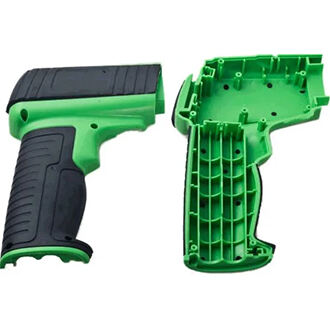
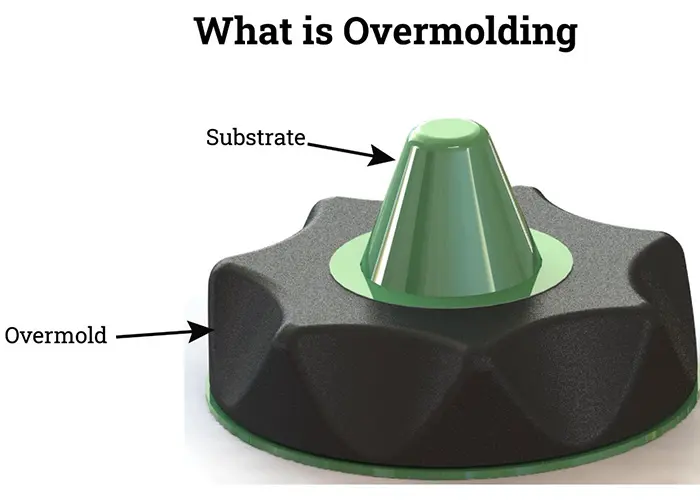
The ability to provide customized solutions distinguishes an exceptional molding factory from basic production facilities, offering clients precisely engineered products that meet specific functional, aesthetic, and commercial requirements. This customization expertise begins with collaborative design partnerships where molding factory engineers work alongside client product development teams to optimize part designs for manufacturability, functionality, and cost-effectiveness. Design for manufacturing consultations identify opportunities to simplify geometries, reduce material usage, eliminate secondary operations, and improve part performance through strategic modifications that leverage molding process capabilities. The molding factory offers extensive material selection guidance, helping clients navigate thousands of available resins to identify options that deliver required mechanical properties, chemical resistance, temperature performance, color stability, and regulatory compliance at optimal cost points. Custom color matching services create precise hues that align with brand standards, using spectrophotometric analysis and computerized color formulation to ensure consistency across production runs and future reorders. Surface finish customization ranges from high-gloss polished surfaces to textured appearances that hide fingerprints, provide grip, or create distinctive visual effects that differentiate products in crowded markets. Insert molding capabilities enable the molding factory to encapsulate metal components, electronic elements, or other materials within molded parts, creating integrated assemblies that reduce component count, assembly labor, and potential failure points. Overmolding expertise combines multiple materials in single parts, creating products with soft-touch grips, seal surfaces, or color contrasts that enhance functionality and appearance. The molding factory accommodates varying production volumes, from prototype runs numbering in the dozens to mass production exceeding millions of units annually, adjusting processes, tooling investments, and quality protocols appropriately for each application. Geographic flexibility allows some facilities to coordinate production across multiple locations, optimizing logistics, reducing shipping costs, and providing regional supply security for global customers. Secondary operation integration within the molding factory eliminates the need for multiple vendors, as facilities offer assembly, decorating, packaging, and fulfillment services that streamline supply chains and reduce coordination complexity. Regulatory compliance expertise ensures products meet industry-specific standards for sectors like medical devices, automotive components, food contact applications, and children's products, navigating complex certification requirements and maintaining proper documentation. Intellectual property protection protocols safeguard proprietary designs, maintaining confidentiality agreements, implementing secure data management, and preventing unauthorized reproduction of client products. Sustainability customization addresses environmental concerns through material selection, recycled content incorporation, design for disassembly, and end-of-life recycling facilitation that aligns with corporate responsibility goals and consumer expectations.




 EN
EN