Material Versatility for Diverse Automotive Applications
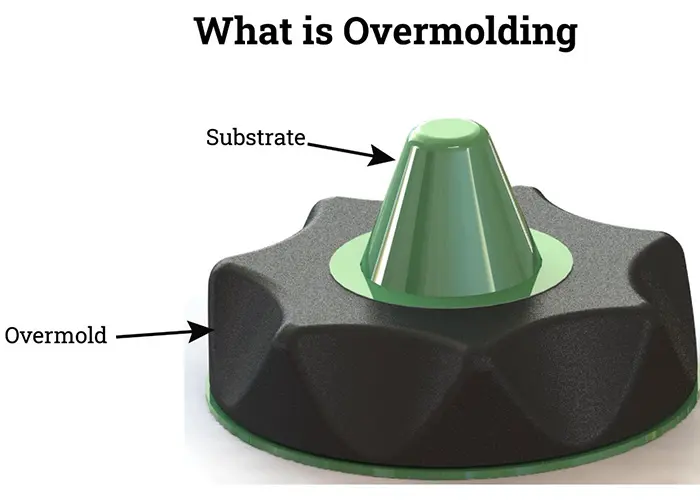
The material versatility of automotive injection mold technology provides designers and engineers with an extensive palette of plastic resins, each offering specific properties tailored to particular vehicle applications and performance requirements. This flexibility in material selection enables optimization of component characteristics including strength, flexibility, temperature resistance, chemical compatibility, appearance, and cost. Engineering thermoplastics represent the most common material category for automotive injection mold applications requiring structural strength and thermal stability. Acrylonitrile butadiene styrene offers excellent impact resistance and surface finish quality, making it ideal for interior trim components, dashboard elements, and decorative parts. Polycarbonate provides outstanding clarity and impact strength for lighting lenses and transparent covers. Polyamide materials, commonly known as nylons, deliver exceptional mechanical strength and heat resistance for under-hood components like air intake systems and engine covers. Glass-fiber reinforced grades further enhance strength and dimensional stability for demanding structural applications. Polypropylene dominates high-volume automotive injection mold applications due to its excellent balance of properties and economical cost. Its chemical resistance, low density, and good impact strength make it suitable for bumper components, interior panels, and fluid containers. The material processes easily in standard injection molding equipment and accepts colorants readily, eliminating secondary painting operations for many applications. Thermoplastic elastomers combine rubber-like flexibility with the processing advantages of thermoplastics, enabling automotive injection mold production of seals, gaskets, and soft-touch surfaces in single-shot operations. These materials adhere to rigid plastic substrates in overmolding processes, creating components with both hard and soft sections integrated into a single part. High-performance polymers address specialized automotive injection mold applications requiring extreme temperature resistance, exceptional chemical compatibility, or superior mechanical properties. Polyetherimide withstands continuous exposure to high temperatures while maintaining dimensional stability, making it suitable for sensor housings and electrical components near heat sources. Liquid crystal polymers offer extremely low thermal expansion and excellent dimensional precision for connector applications requiring tight tolerances. The sustainable materials movement has introduced bio-based and recycled plastics suitable for automotive injection mold processing, allowing manufacturers to reduce environmental impact without sacrificing performance. These materials meet increasingly stringent regulations regarding recycled content and end-of-life recyclability while maintaining the quality standards demanded by automotive applications. Material selection for any automotive injection mold project considers multiple factors including mechanical requirements, environmental exposure, regulatory compliance, aesthetic specifications, and total cost of ownership to identify the optimal resin for each specific application.


 EN
EN