Versatile Material Options and Complex Design Capabilities
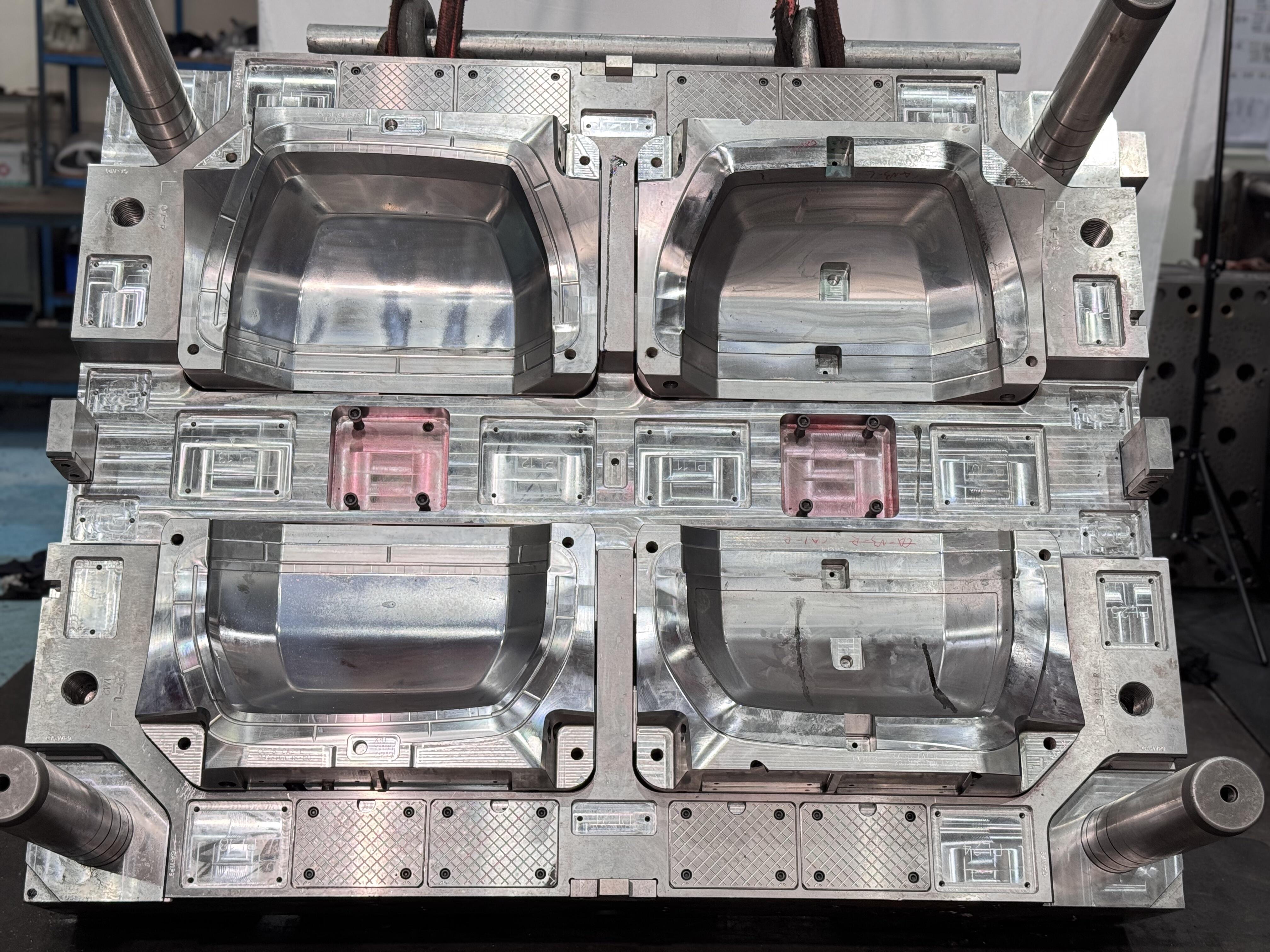
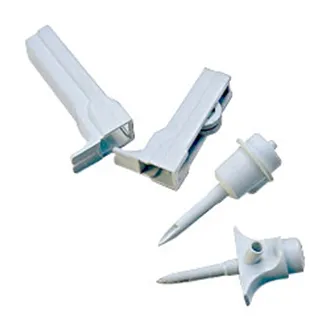
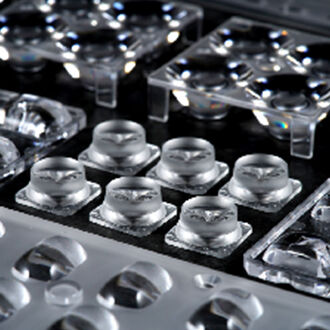
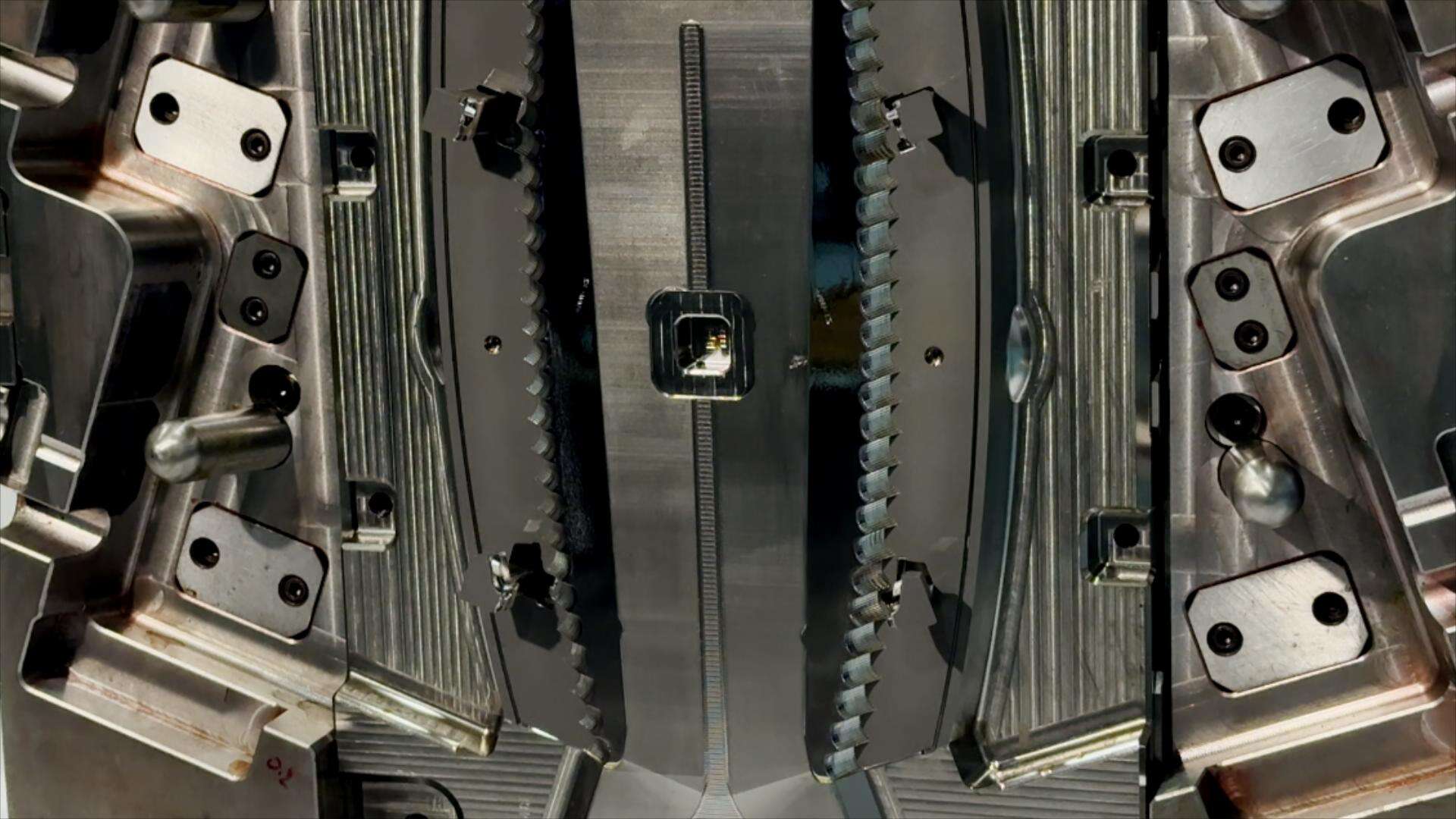
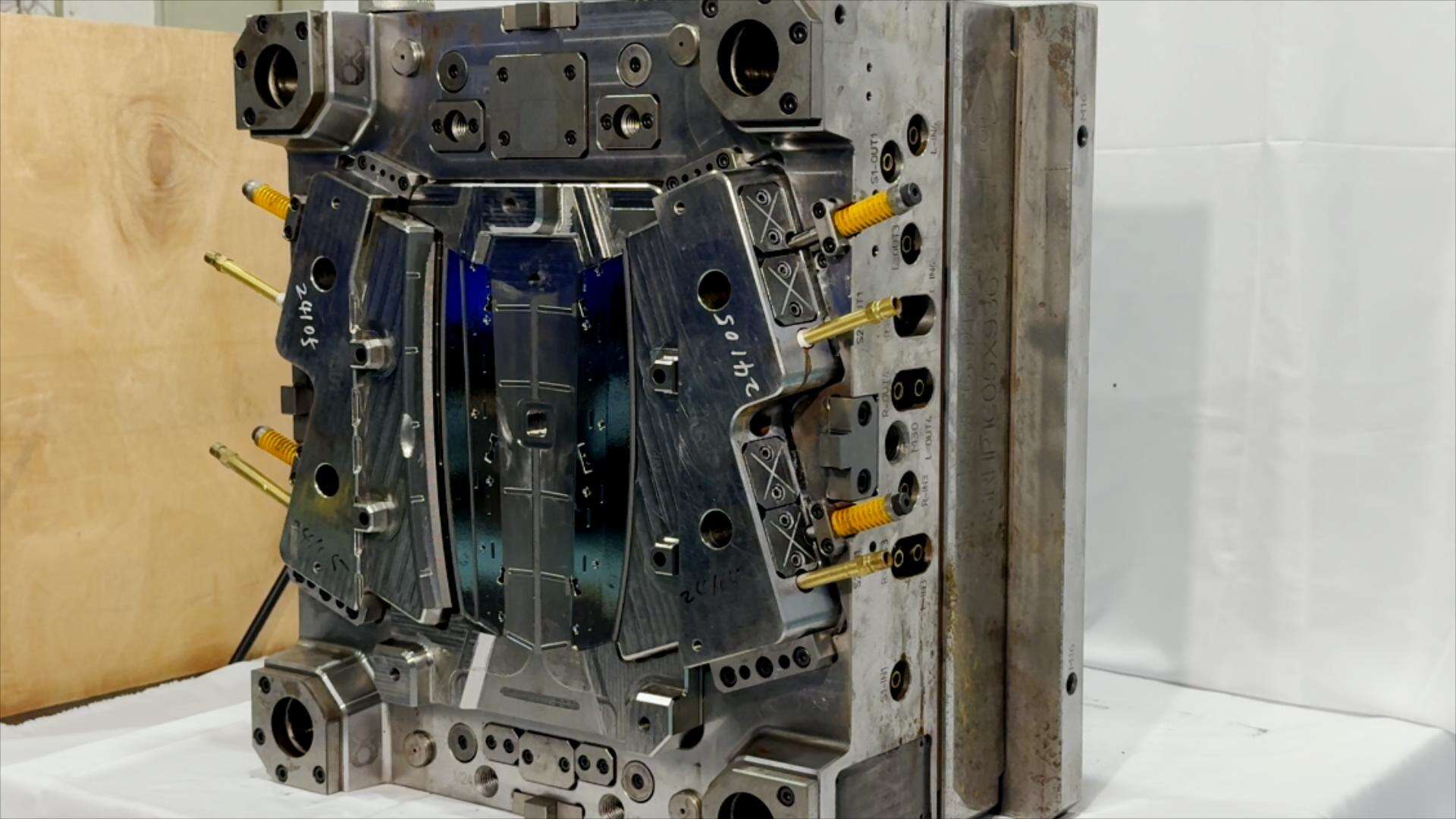
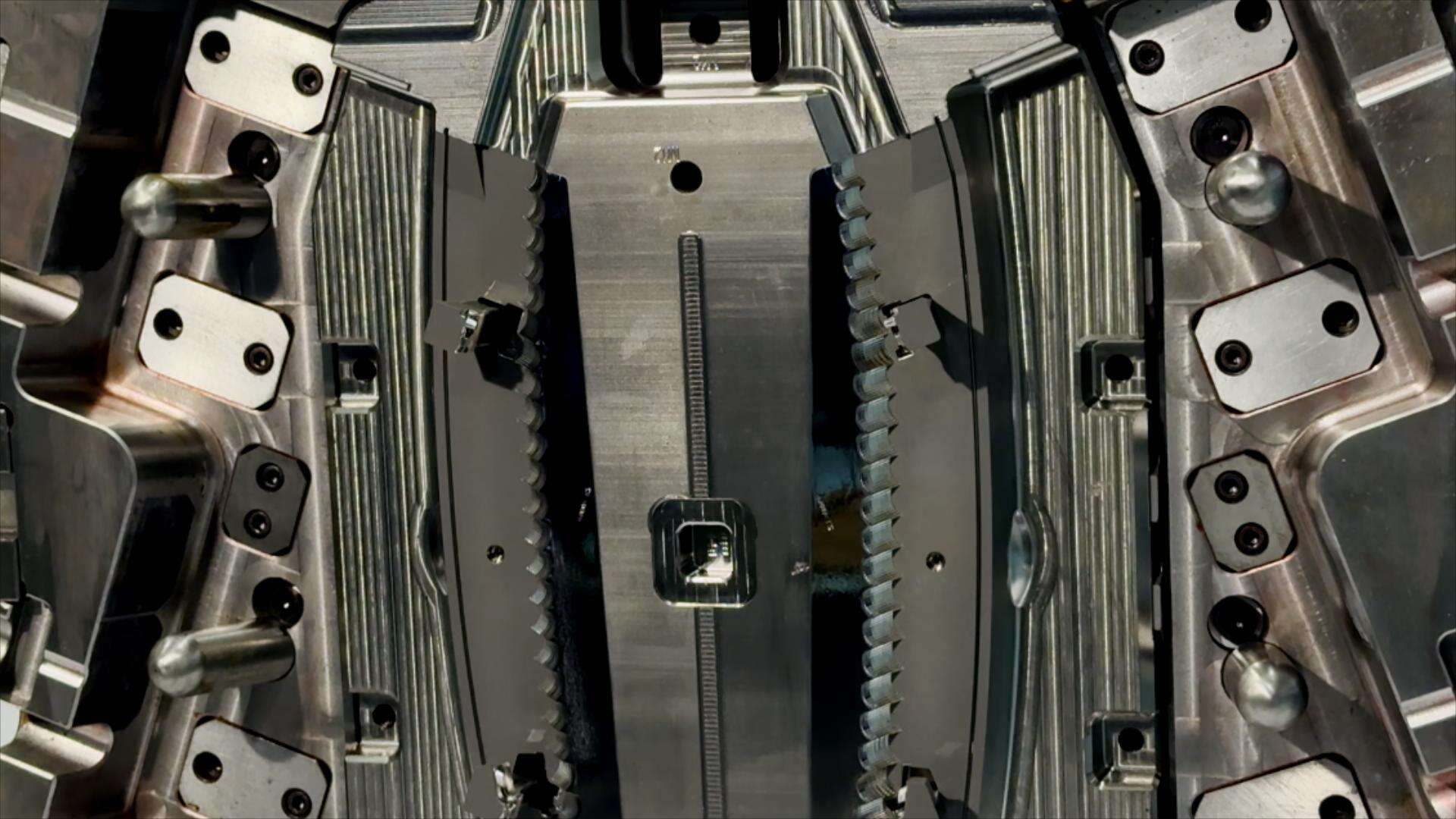
The injection mold offers extraordinary versatility in both material selection and design complexity, enabling manufacturers to create products that perfectly match their functional requirements, aesthetic goals, and cost targets. This flexibility makes injection molds suitable for an incredibly diverse range of applications across virtually every industry sector. Regarding materials, injection molds can process hundreds of different plastic resins, each offering unique properties. Commodity plastics like polypropylene, polyethylene, and polystyrene provide cost-effective solutions for everyday products. Engineering plastics such as ABS, polycarbonate, and nylon deliver enhanced strength, temperature resistance, and durability for demanding applications. High-performance materials including PEEK, liquid crystal polymers, and specialty composites enable products that withstand extreme environments. This material diversity allows you to optimize every product for its specific use case. Need chemical resistance for industrial applications? Process polypropylene or PTFE. Require transparency for display products? Use polycarbonate or acrylic. Want enhanced impact strength for protective equipment? Select ABS or polycarbonate blends. The injection mold accommodates these varied materials by adjusting processing parameters like temperature, pressure, and cooling rates. Beyond material options, injection molds excel at creating complex geometries that would be difficult or impossible with other manufacturing methods. Deep undercuts, internal threads, living hinges, snap-fit features, and intricate surface textures can all be incorporated directly into molded parts. This design freedom eliminates assembly steps and reduces component count, lowering manufacturing costs while improving product reliability. Features that would require multiple machining operations or separate fasteners become integral parts of the molded component. The injection mold can also combine multiple materials in a single part through overmolding or two-shot molding processes, creating products with soft-touch grips on hard housings or multiple colors for enhanced aesthetics and functionality. Insert molding allows metal components, electronics, or other materials to be encapsulated directly within plastic parts during the molding process, creating robust assemblies with excellent retention and protection. These advanced capabilities enable product designers to innovate freely, creating solutions that deliver superior performance, enhanced user experiences, and distinctive market differentiation. For your business, this versatility means you can use a single manufacturing process across diverse product lines, simplifying your production systems while maintaining the flexibility to address changing market needs and customer preferences.



 EN
EN