Economic Efficiency Through Advanced Automation
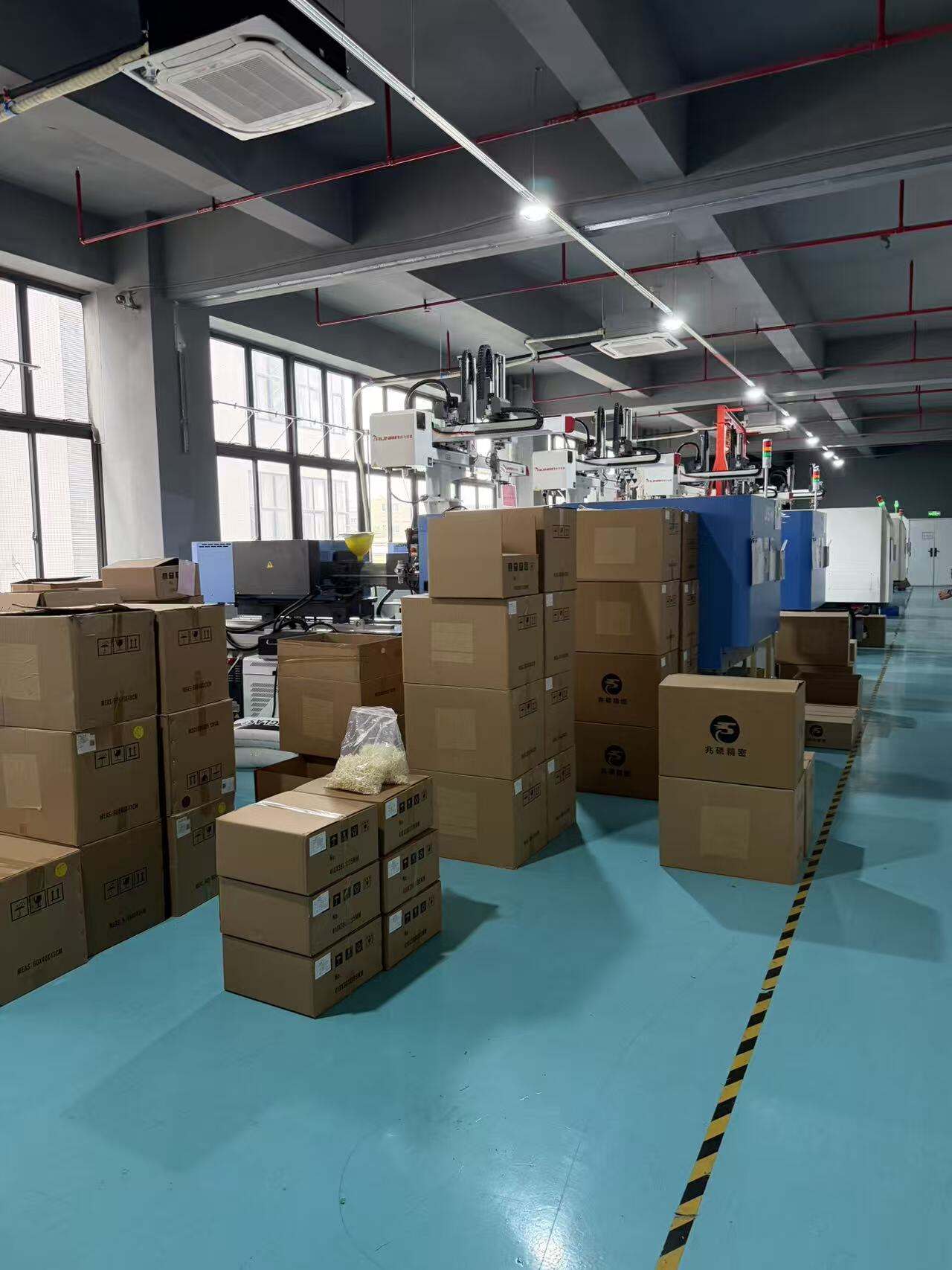
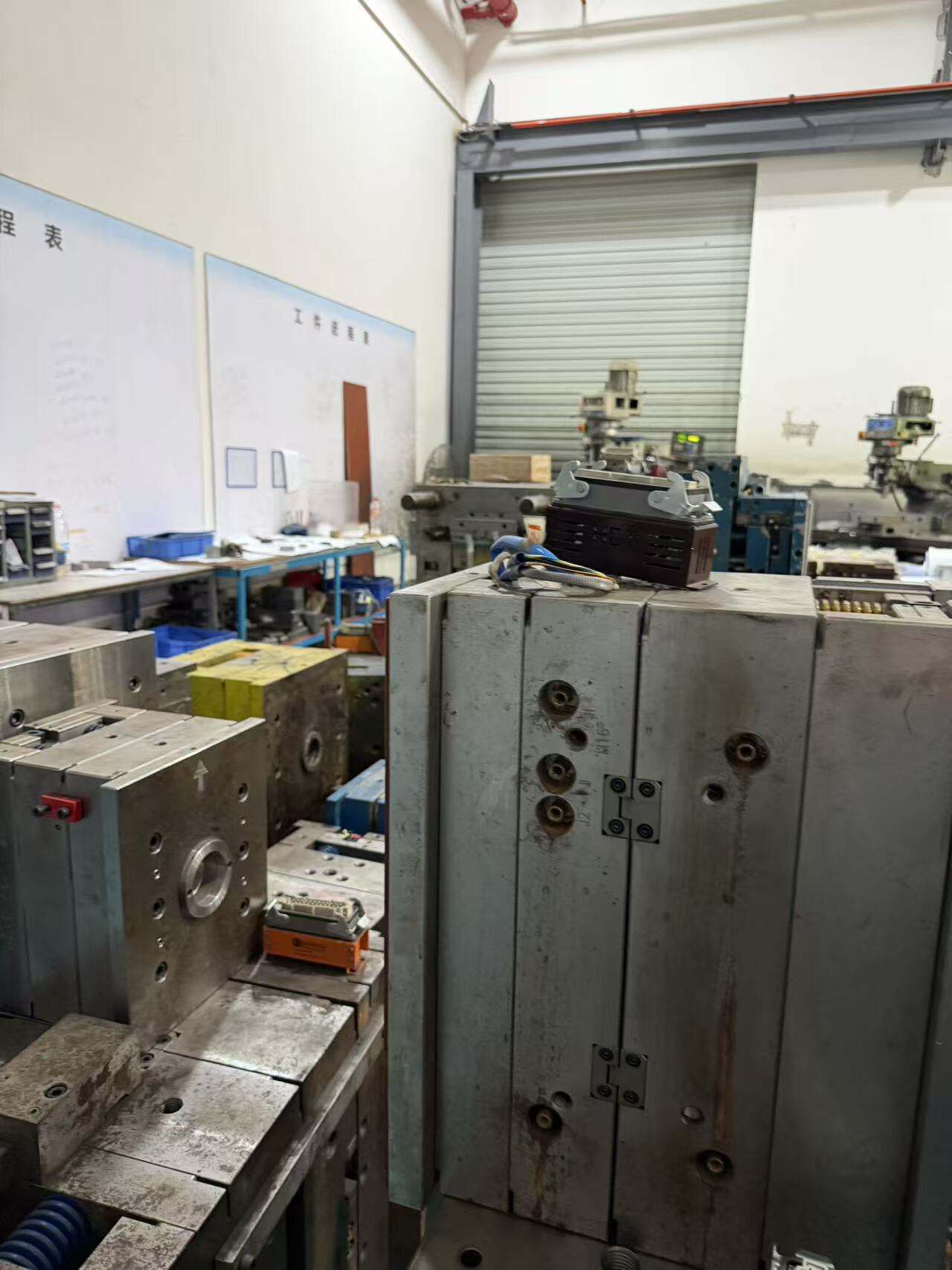
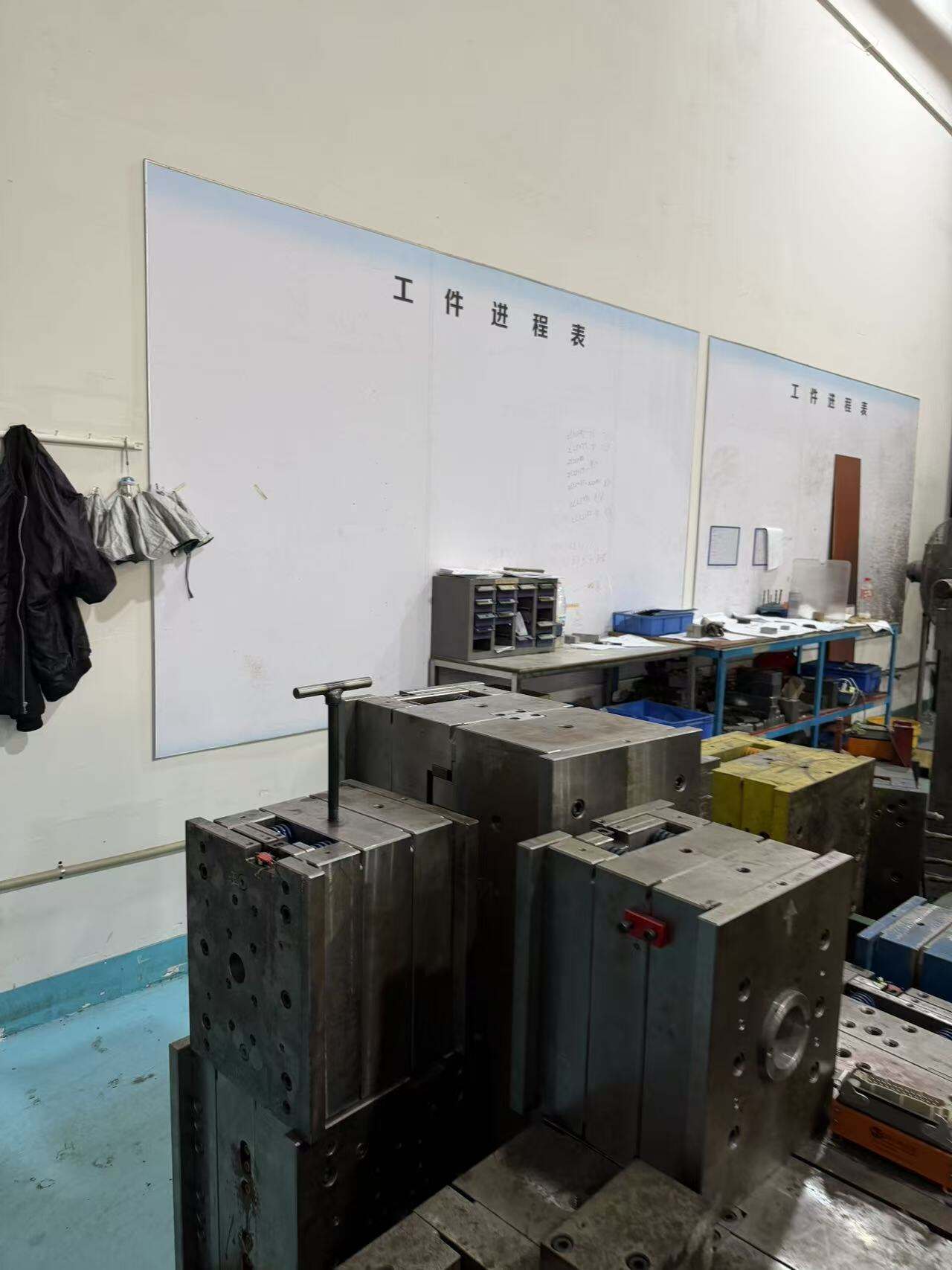
Medical injection moulding leverages cutting-edge automation technology to deliver remarkable economic efficiency while maintaining the quality standards healthcare applications demand. Modern injection moulding machines operate with minimal human intervention, running continuously through multiple shifts to maximize production output and equipment utilization. Robotic systems handle part removal, quality inspection, and packaging tasks with speed and consistency that manual operations cannot match, reducing labor costs while eliminating human error risks. Automated material handling systems deliver precise amounts of polymer to injection machines, preventing waste and ensuring consistent material properties throughout production runs. The economic advantages begin with reduced per-unit costs achieved through high-volume production capabilities, where manufacturers spread tooling investments across thousands or millions of parts. Multi-cavity moulds simultaneously produce multiple identical components in each injection cycle, multiplying output without proportionally increasing production time or energy consumption. This efficiency makes medical injection moulding economically viable for both expensive specialized devices produced in moderate quantities and high-volume commodity medical products. Energy-efficient hydraulic systems and electric injection machines reduce operating costs compared to older manufacturing technologies, lowering the carbon footprint while improving profitability. Predictive maintenance systems monitor machine performance, identifying potential issues before breakdowns occur, minimizing costly downtime and maintaining consistent production schedules. The rapid cycle times characteristic of medical injection moulding translate directly into economic benefits, with some parts completing the entire injection, cooling, and ejection process in under ten seconds. This speed allows manufacturers to fulfill large orders quickly, respond to urgent healthcare needs, and maintain lean inventory practices that reduce carrying costs. Automated quality control systems using vision inspection and dimensional measurement technology detect defects immediately, preventing the waste of additional materials and processing time on parts that would ultimately be rejected. The minimal material waste generated during medical injection moulding contributes to cost efficiency, as the process uses only the polymer needed for parts plus small amounts for runners and gates, much of which can be recycled. Integration capabilities allow medical injection moulding systems to connect with enterprise resource planning software, providing real-time production data that supports informed decision-making about scheduling, inventory management, and capacity planning. The combination of automation, efficiency, and quality control creates economic advantages that make medical injection moulding the preferred manufacturing method for healthcare product manufacturers seeking to balance cost control with the uncompromising quality standards medical applications require, delivering value to manufacturers, healthcare providers, and ultimately patients who benefit from affordable access to reliable medical devices and components.


 EN
EN