Comprehensive Quality Control and Testing Protocols
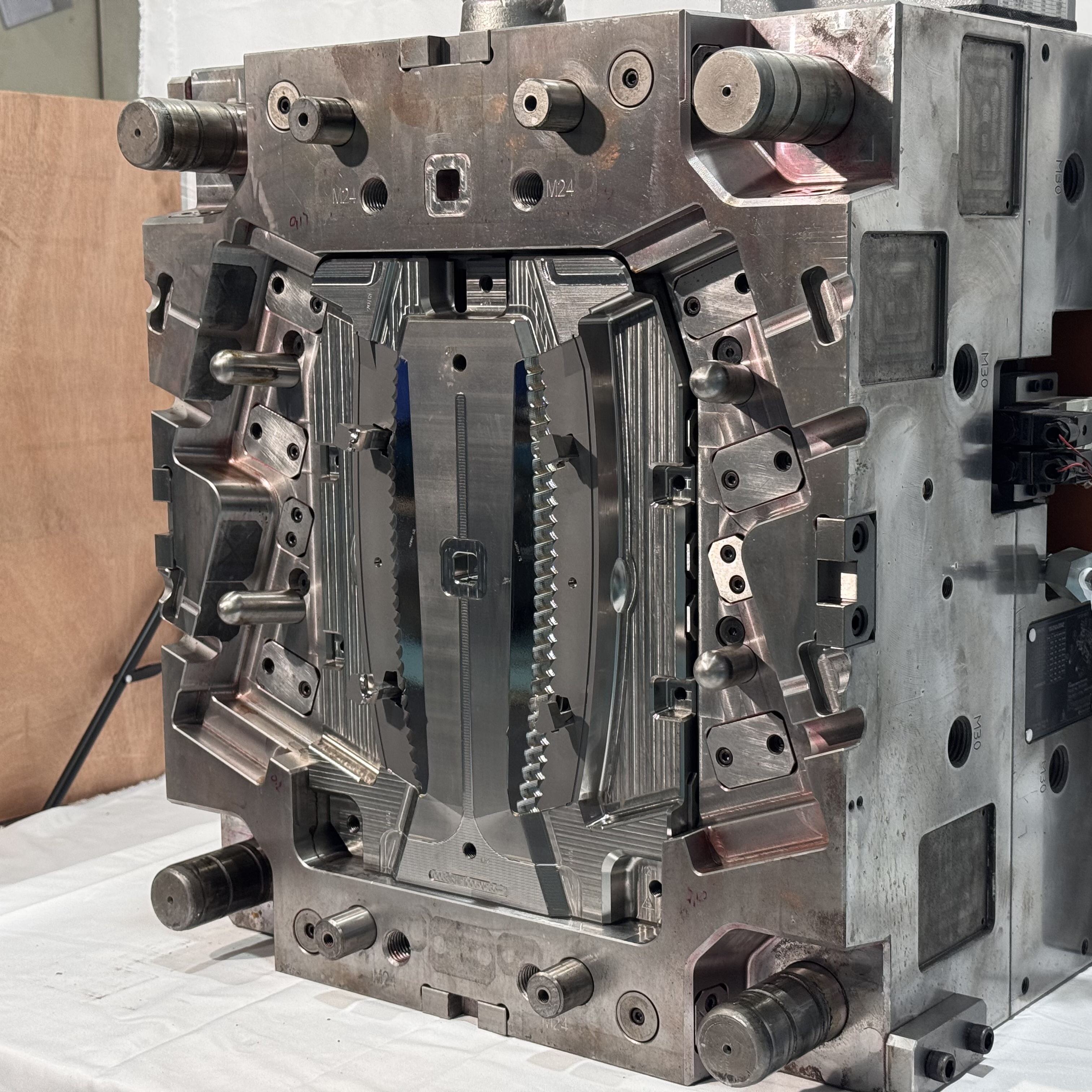
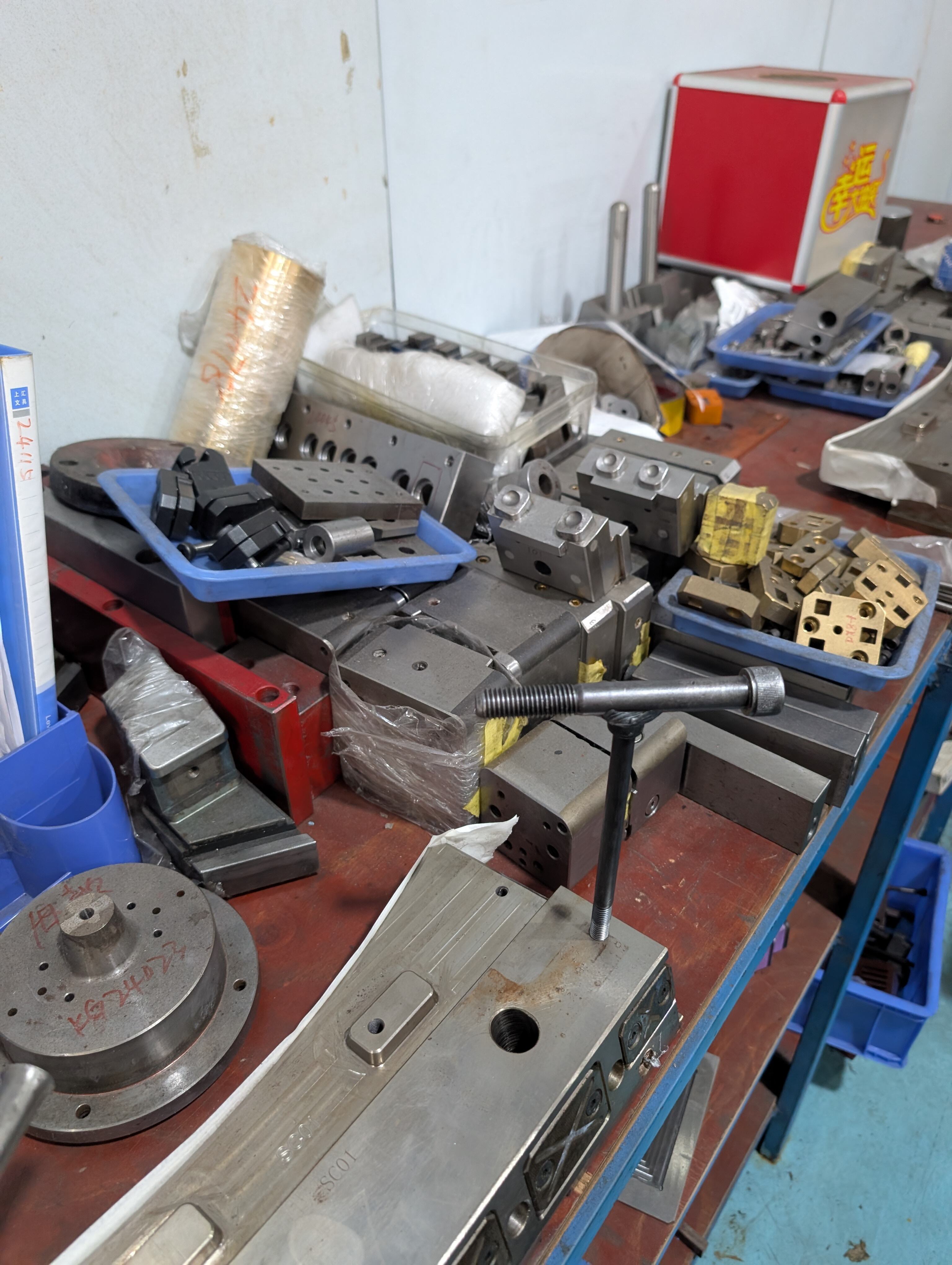
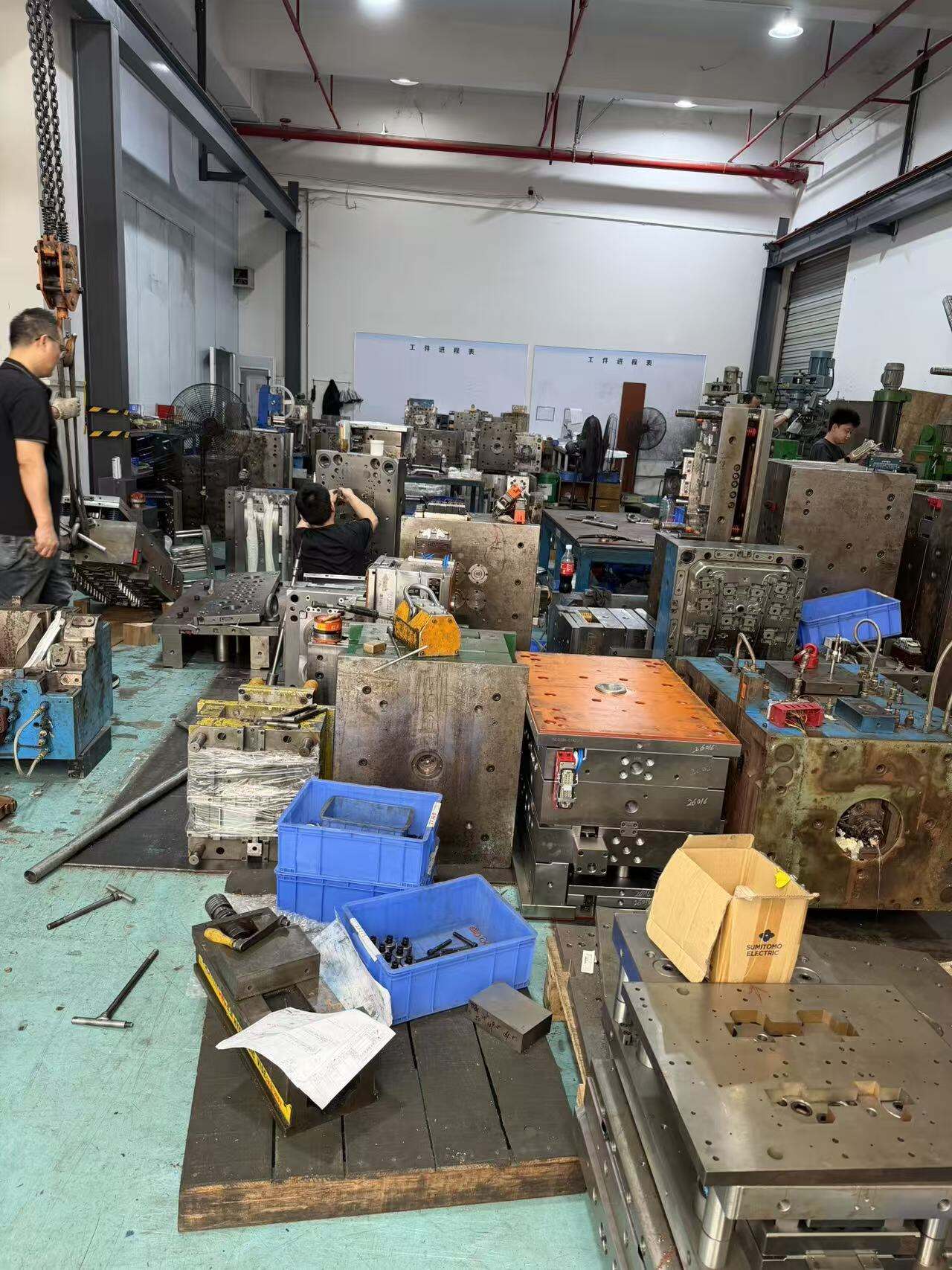
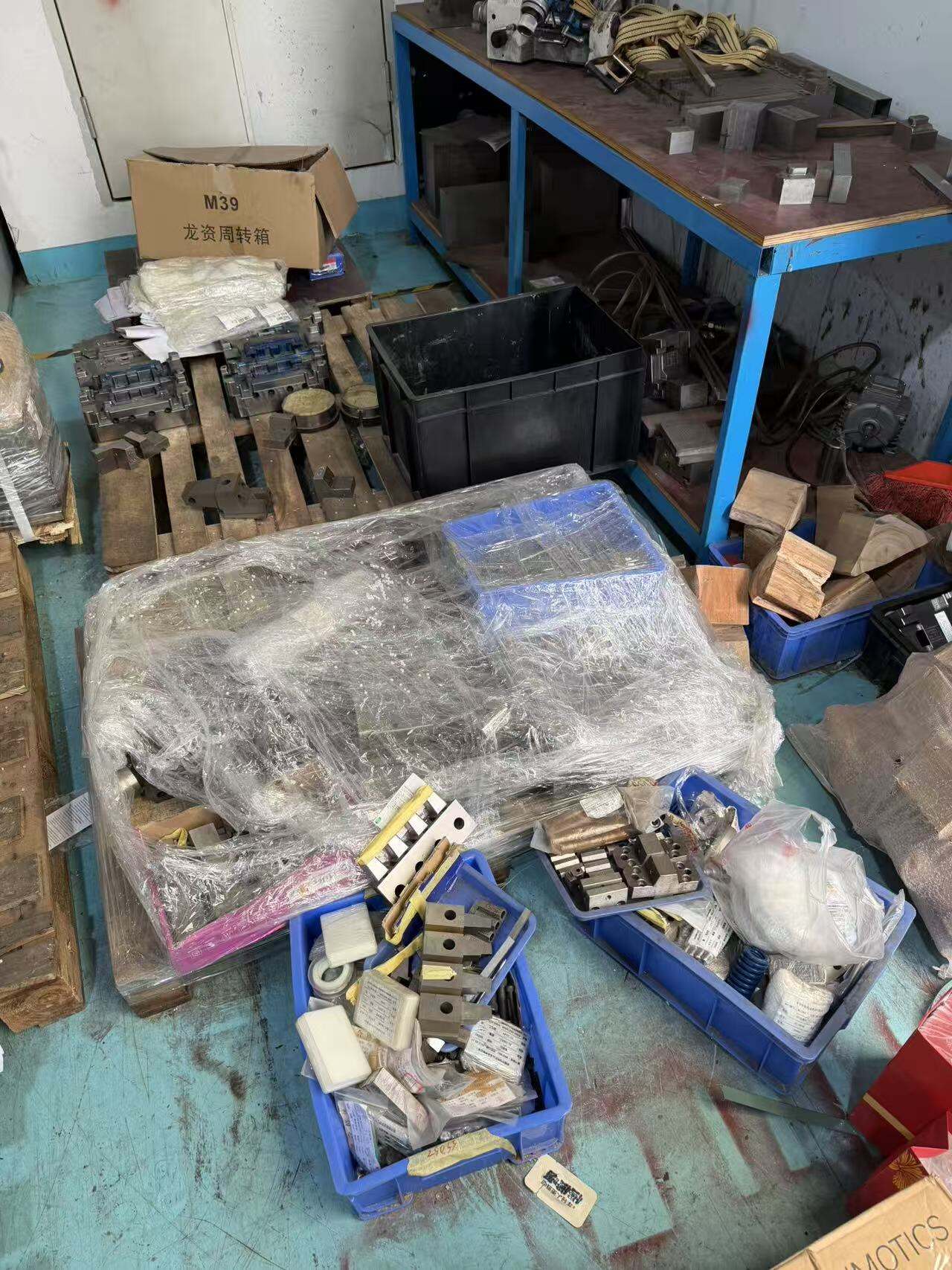
Distinguished mold manufacturers separate themselves from competitors through comprehensive quality control and testing protocols that guarantee tooling performance before delivery and throughout its operational life. This commitment to quality begins during the manufacturing process itself, where skilled inspectors monitor critical operations using advanced measurement technology. Coordinate measuring machines probe complex three-dimensional surfaces, comparing actual dimensions against CAD models with incredible precision, detecting deviations measured in thousandths of a millimeter. Optical comparators and digital microscopes examine surface finishes, edge conditions, and fine details that impact part quality and mold longevity. Beyond dimensional verification, leading mold manufacturers conduct thorough functional testing before shipping tools to customers. This testing phase involves assembling the complete mold, installing it in production equipment, and running multiple cycles using actual production materials. The mold manufacturer carefully examines first articles, measuring critical dimensions, evaluating surface appearance, checking for flash or short shots, and assessing cycle time performance. They adjust temperatures, pressures, and timing parameters to establish optimal processing windows that their customers can replicate in their own facilities. This hands-on validation identifies issues that might not be apparent through static inspection alone, such as ejection problems, venting inadequacies, or cooling imbalances that cause dimensional variations. Documentation forms an essential component of quality protocols, with reputable mold manufacturers providing comprehensive records including material certifications, inspection reports, processing parameters, and maintenance recommendations. These documents serve as valuable references throughout the mold's service life, supporting troubleshooting efforts and maintenance planning. Many mold manufacturers also offer ongoing quality support after delivery, remaining available to address production challenges, recommend process improvements, or perform mold modifications as product requirements evolve. Their commitment extends to preventive maintenance services that preserve mold condition through cleaning, lubrication, component replacement, and refurbishment of wear surfaces. This proactive approach maximizes production uptime, maintains part quality consistency, and extends tool life significantly beyond what would be achieved through reactive maintenance alone. By choosing a mold manufacturer with rigorous quality control and testing protocols, you minimize production risks, reduce startup time for new products, and build confidence that your tooling investment will deliver reliable performance.


 EN
EN