Enhanced User Experience Through Ergonomic Design and Tactile Optimization
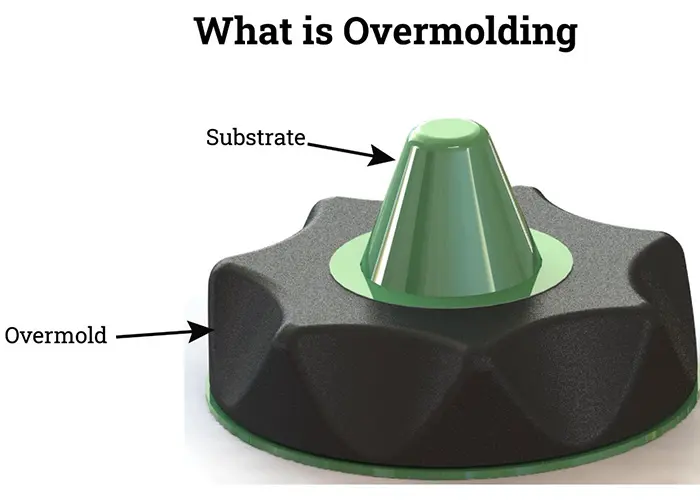
The human-centered benefits of overmolding services manifest most clearly in the superior ergonomic performance and tactile qualities that overmolded products deliver to end-users, creating competitive advantages that directly influence purchasing decisions and long-term brand loyalty. The ability to apply soft, compliant materials precisely where hands, fingers, or other body parts contact a product transforms user experience by reducing pressure points, absorbing vibrations, and providing secure grip under diverse environmental conditions. Overmolding services enable designers to sculpt three-dimensional grip surfaces with compound curves, recesses, and textures that conform naturally to human anatomy, distributing contact forces across broader areas to minimize fatigue during extended use. The strategic placement of different durometer materials through overmolding services allows engineers to fine-tune the tactile response of each contact zone, creating intuitive haptic feedback that guides proper hand placement and control application without requiring users to look at the product. This instinctive usability proves particularly valuable for products operated in low-light conditions, while wearing gloves, or when visual attention must remain focused elsewhere for safety reasons. The thermal insulation properties of overmolded elastomeric materials protect users from temperature extremes, making products comfortable to handle whether the substrate has become hot during operation or cold due to environmental exposure. This thermal buffering extends the operational envelope of products into temperature ranges where unprotected metal or hard plastic surfaces would be uncomfortable or even dangerous to touch. Vibration damping represents another dimension of user experience enhancement that overmolding services deliver, as the viscoelastic properties of overmolded materials absorb oscillations that would otherwise transmit into users' hands and arms, reducing fatigue and minimizing the risk of repetitive stress injuries during prolonged operation of power tools, machinery controls, or handheld devices. The acoustic benefits of overmolding services also contribute to user satisfaction, as soft overmolded surfaces reduce the clicking, rattling, and impact noises that characterize products made entirely from hard materials, creating a perception of higher quality and refined engineering. Chemical resistance built into properly selected overmolding materials protects products from degradation caused by hand lotions, cleaning solvents, oils, and other substances they encounter during normal use, maintaining their appearance and functionality throughout extended service lives. The hygienic advantages of seamless overmolded surfaces eliminate crevices where dirt, bacteria, or moisture might accumulate, simplifying cleaning and maintenance while reducing health risks in medical, food-service, and personal-care applications. Visual and tactile branding opportunities provided by overmolding services allow companies to create distinctive sensory signatures that customers recognize and associate with quality, building brand equity through consistent positive experiences across product lines.



 EN
EN