Versatility Across Multiple Applications
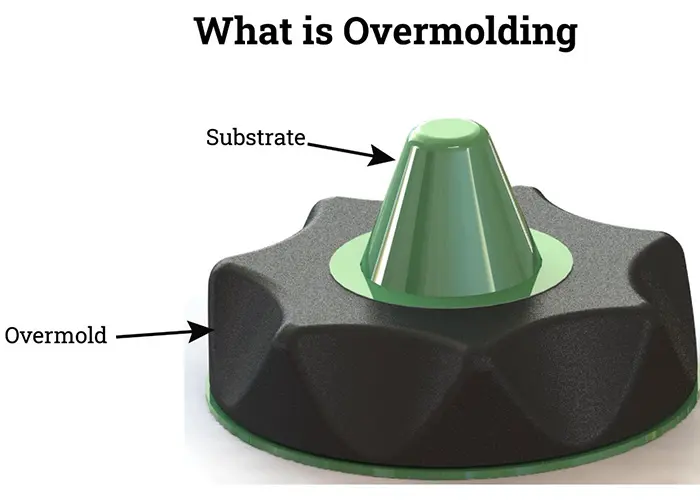
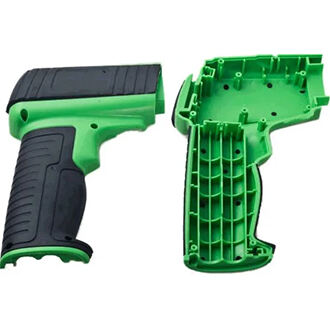
The automotive plastic mould demonstrates remarkable versatility, adapting to produce an extensive range of components across virtually every vehicle system and meeting diverse functional requirements through flexible design approaches. This versatility begins with material compatibility, as automotive plastic mould can process numerous thermoplastic resins including polypropylene, acrylonitrile butadiene styrene, polycarbonate, nylon, and specialized engineering plastics, each selected for specific performance characteristics like impact resistance, heat tolerance, chemical resistance, or optical clarity. The automotive plastic mould accommodates both small precision components weighing just grams, such as electrical connectors and sensor housings, and large structural parts exceeding twenty kilograms, including complete dashboard assemblies and bumper fascias, all through appropriate mould sizing and press tonnage selection. Multi-material moulding capabilities allow a single automotive plastic mould to combine different plastics in one component, creating parts with rigid structural sections and soft-touch surfaces for enhanced user experience, or integrating clear windows into opaque housings for indicator lights and displays. Insert moulding techniques enable the automotive plastic mould to encapsulate metal threaded inserts, electronic components, or decorative badges directly during the moulding process, creating fully functional assemblies in a single operation that would otherwise require multiple manufacturing steps and assembly operations. The automotive plastic mould supports various surface finish requirements, from high-gloss polished surfaces for visible interior components to heavily textured graining that hides scratches and provides premium aesthetic appeal, with texture patterns ranging from subtle leather grains to aggressive geometric designs. Family mould configurations allow manufacturers to produce multiple different part numbers within a single automotive plastic mould, maximizing press utilization and reducing tooling investments when production volumes for individual components do not justify dedicated moulds. Overmoulding capabilities extend automotive plastic mould versatility further, enabling the application of soft thermoplastic elastomers over rigid substrates to create comfortable grip surfaces, seal interfaces, and vibration-dampening elements. The automotive plastic mould adapts to emerging manufacturing technologies including gas-assist injection that creates hollow sections for weight reduction, foam injection for sound dampening properties, and in-mould decoration that applies graphics during the moulding process, eliminating secondary labeling operations while ensuring graphics that never peel or fade throughout the vehicle's service life.



 EN
EN