Cost-Effectiveness for High-Volume Production
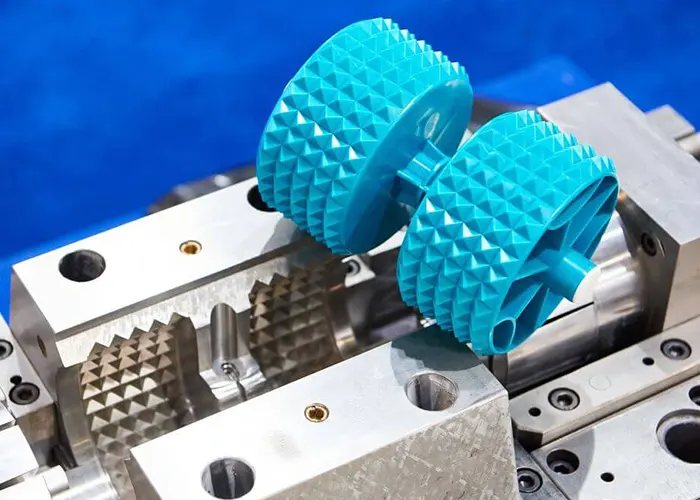
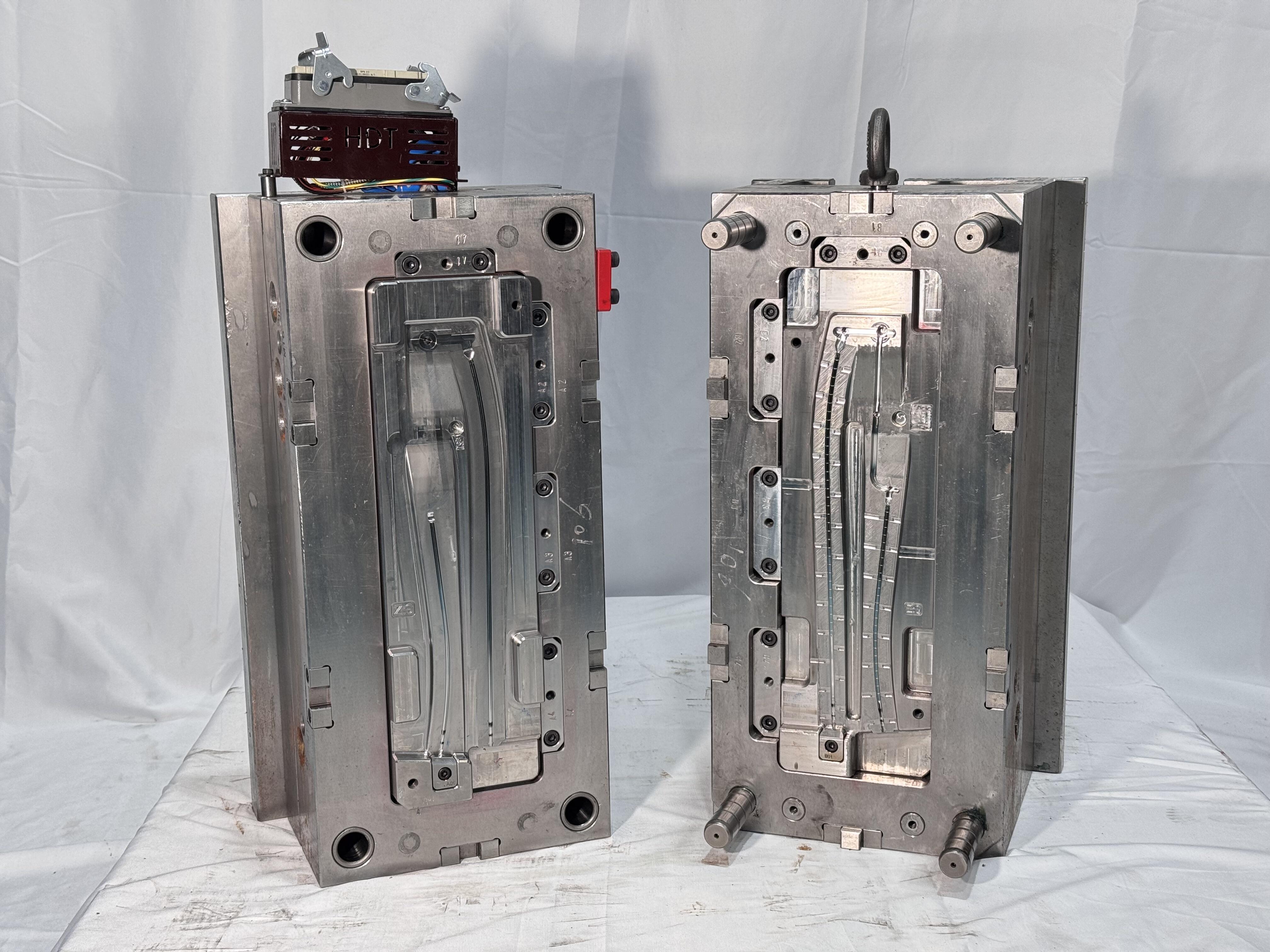
Custom injection moulding provides exceptional economic value for businesses producing medium to high volumes of plastic components, delivering the lowest per-unit costs among plastic manufacturing processes once production reaches sufficient scale. While the initial investment in custom mould creation represents a significant upfront expense, this cost distributes across every part produced, meaning that the effective mould cost per part decreases with each additional unit manufactured. For production runs numbering in the thousands or millions, this amortization results in mould costs contributing only pennies or fractions of pennies to each part, making custom injection moulding remarkably economical compared to alternatives like machining or additive manufacturing that incur similar costs for every single piece. The material efficiency of custom injection moulding further enhances cost-effectiveness, as the process uses precise amounts of plastic with minimal waste, and any excess material from runners or rejected parts can be reground and reintroduced into production, recovering value that would otherwise be lost. Labor costs remain low with custom injection moulding because automated systems handle most production tasks, requiring human involvement primarily for machine setup, monitoring, quality inspection, and material handling, allowing a single operator to oversee multiple machines simultaneously and produce thousands of parts per shift. Energy efficiency in modern custom injection moulding equipment reduces operational costs through servo-driven systems that consume power only when actively performing work, rather than running continuously like older hydraulic systems, resulting in energy savings of thirty to fifty percent or more. The elimination of secondary operations through intelligent part design provides additional cost savings, as features like snap fits, living hinges, threads, and surface textures can be moulded directly into parts rather than requiring additional machining, assembly, or finishing work. Custom injection moulding also reduces inventory and storage costs by enabling efficient production scheduling that aligns with demand patterns rather than forcing businesses to maintain large stockpiles of finished goods or work-in-process inventory. Quality consistency in custom injection moulding minimizes costs associated with defects, returns, and warranty claims, as the reliable process produces parts that meet specifications consistently, reducing rejection rates and ensuring customer satisfaction. Transportation costs benefit from the lightweight nature of many injection moulded parts, which combine strength with reduced weight compared to metal alternatives, lowering shipping expenses while maintaining product performance. The long lifespan of properly maintained injection moulds, often capable of producing hundreds of thousands or millions of cycles, spreads the initial mould investment across extended production periods, further improving the return on investment and making custom injection moulding increasingly economical as cumulative production volumes grow over months and years of manufacturing.


 EN
EN