Comprehensive Material Selection and Processing Expertise
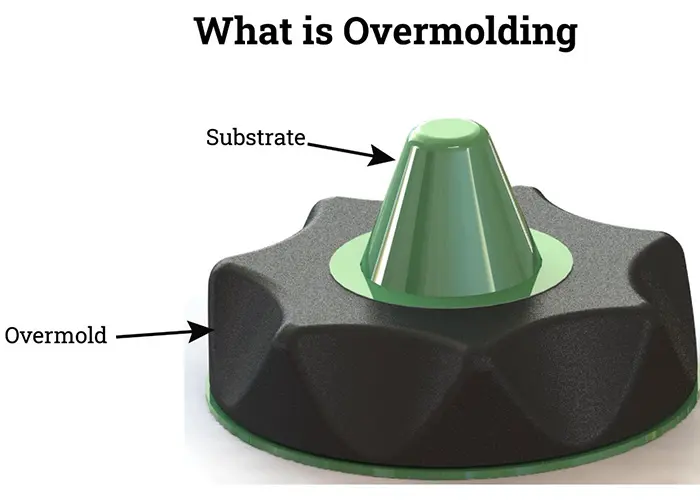
Material science knowledge distinguishes an exceptional custom plastic injection molding company from basic manufacturing operations, as the selection and processing of appropriate plastic resins fundamentally determines product performance, longevity, and suitability for intended applications. These specialized manufacturers maintain deep expertise across the broad spectrum of thermoplastic materials, understanding the mechanical properties, processing characteristics, environmental resistance, and cost implications of each resin family. Commodity plastics like polypropylene offer excellent chemical resistance and cost-effectiveness for containers, packaging, and general-purpose components, while polyethylene provides flexibility and impact resistance suitable for consumer products and outdoor applications. Engineering thermoplastics such as ABS deliver superior strength, rigidity, and surface finish quality preferred for electronics housings, automotive components, and appliances. High-performance resins including polycarbonate, nylon, acetal, and glass-filled variants provide exceptional mechanical properties, temperature resistance, and dimensional stability required for demanding applications in automotive, aerospace, and industrial equipment sectors. A knowledgeable custom plastic injection molding company guides clients through the material selection process, considering factors beyond basic mechanical requirements such as regulatory compliance for medical or food-contact applications, flame retardancy standards for electrical components, UV stability for outdoor exposure, and aesthetic considerations including color consistency, transparency, or surface texture. The processing expertise becomes equally critical, as each material family requires specific temperature profiles, injection speeds, packing pressures, and cooling times to achieve optimal results. Moisture-sensitive resins demand proper drying before processing to prevent defects like splay marks or reduced mechanical properties. Processing parameters get carefully developed and documented for each material and part combination, creating a validated process recipe that ensures repeatability across production runs and even across different molding machines or manufacturing locations. Advanced material capabilities extend to specialized techniques such as multi-material molding, where different resins combine within a single component to leverage the distinct properties of each material, perhaps joining a rigid structural base with a soft-touch elastomeric surface. Chemical compatibility knowledge prevents material combinations that might degrade or fail in service. A forward-thinking custom plastic injection molding company stays current with emerging materials including bio-based plastics derived from renewable resources, recycled content formulations that support sustainability initiatives, and advanced composites incorporating carbon fiber, glass fiber, or mineral reinforcements for enhanced strength-to-weight ratios. This comprehensive material expertise empowers clients to make informed decisions that balance performance requirements, manufacturing feasibility, environmental considerations, and cost constraints while ensuring their products achieve the intended functionality and market success.



 EN
EN