Custom Plastic Manufacturing Services - Precision Components & Rapid Production Solutions

application/custom-plastic-manufacturing, application/custom-plastic-manufacturing, 
Get a Quote
Get a Quote

custom plastic manufacturing

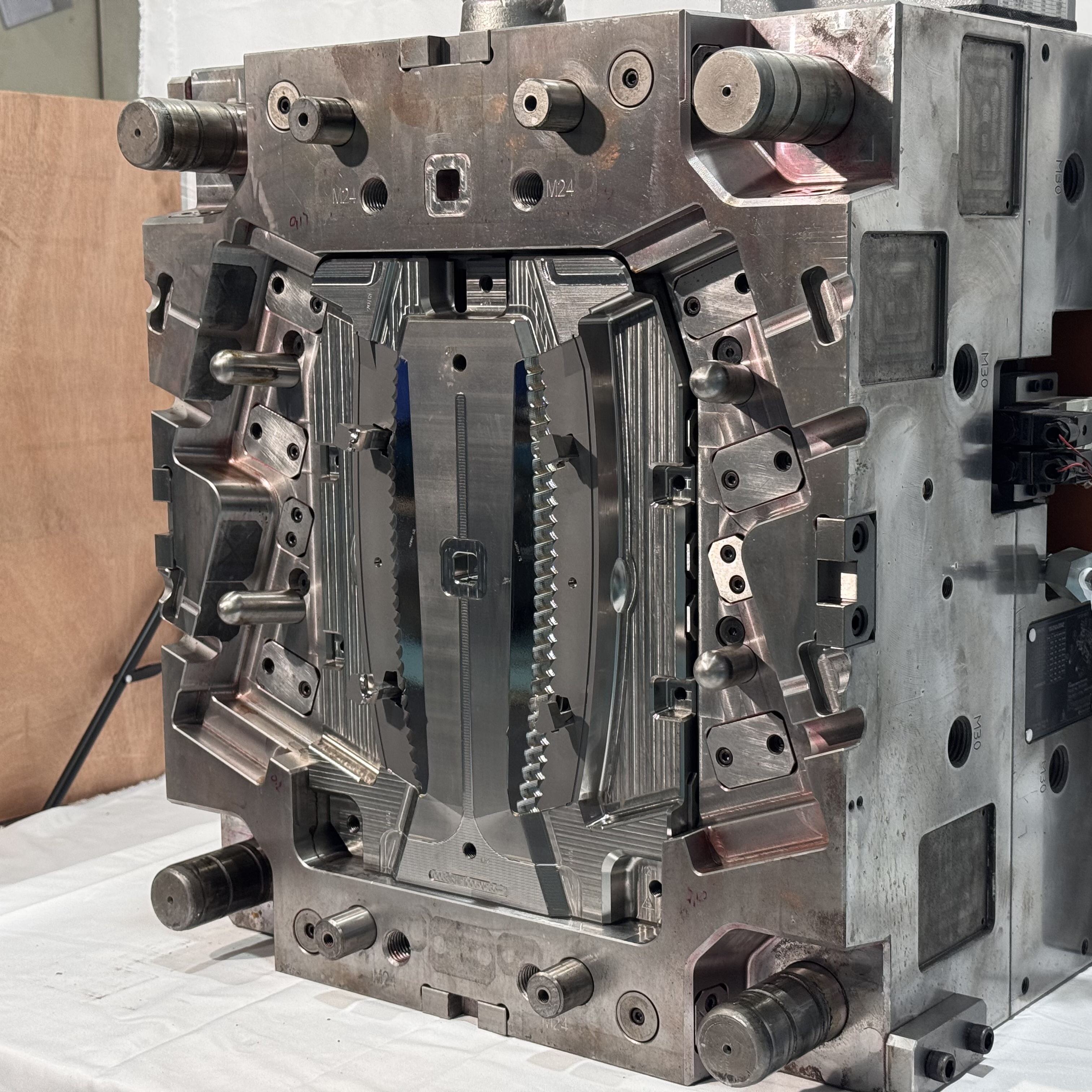
Custom plastic manufacturing represents a specialized industrial process that transforms raw plastic materials into tailored products designed to meet specific client requirements and applications. This sophisticated manufacturing approach combines advanced molding techniques, precision engineering, and material science to produce plastic components that align perfectly with unique design specifications, functional demands, and performance standards. The process encompasses various manufacturing methods including injection molding, blow molding, rotational molding, thermoforming, and extrusion, each selected based on the desired product characteristics, volume requirements, and budget considerations. Custom plastic manufacturing serves as a critical solution for businesses seeking components that cannot be satisfied by standard off-the-shelf products, enabling them to achieve competitive advantages through proprietary designs and optimized functionality. The technology integrates computer-aided design software, automated production equipment, and quality control systems to ensure consistent output that meets stringent tolerances and specifications. Throughout the custom plastic manufacturing process, materials are carefully selected from diverse polymer families including thermoplastics, thermosets, and elastomers, each offering distinct properties such as chemical resistance, temperature tolerance, flexibility, strength, and aesthetic qualities. Manufacturers work collaboratively with clients from initial concept development through prototyping, testing, and full-scale production, providing technical expertise to optimize designs for manufacturability while maintaining cost-effectiveness. This manufacturing discipline supports industries ranging from automotive and aerospace to medical devices, consumer products, electronics, and industrial equipment. The versatility of custom plastic manufacturing allows for the creation of components with complex geometries, multiple colors, integrated features, and specialized surface finishes that would be impossible or prohibitively expensive using alternative materials or manufacturing methods. As sustainability becomes increasingly important, custom plastic manufacturing also incorporates recycled materials and bio-based plastics, helping organizations reduce environmental impact while maintaining product performance and meeting regulatory requirements across different markets and applications.

New Product Releases

Custom plastic manufacturing delivers substantial cost savings compared to traditional materials like metal, wood, or glass, primarily because plastic materials require less energy to process and weigh significantly less, reducing transportation expenses and installation labor. Companies benefit from rapid production cycles that accelerate time-to-market, allowing businesses to respond quickly to changing consumer demands and competitive pressures without maintaining large inventories of standardized parts. The flexibility inherent in custom plastic manufacturing enables businesses to iterate designs efficiently, making modifications and improvements without the expensive tooling changes required by other materials, which proves particularly valuable during product development phases when designs evolve based on testing feedback and market research. Plastic components offer superior durability and longevity in challenging environments, resisting corrosion, moisture, chemicals, and UV exposure that would degrade alternative materials, thereby reducing maintenance costs and extending product lifecycles. The lightweight nature of plastic parts decreases shipping costs, simplifies handling during assembly operations, and improves fuel efficiency in transportation and automotive applications where weight reduction directly impacts operational expenses. Custom plastic manufacturing supports brand differentiation through unlimited color options, surface textures, transparency variations, and integrated branding elements molded directly into components, eliminating secondary decoration processes and associated costs. Manufacturers can consolidate multiple parts into single molded components, reducing assembly time, eliminating fasteners, decreasing potential failure points, and simplifying supply chain management. The precision achievable through modern custom plastic manufacturing techniques ensures consistent quality across production runs, minimizing defects, reducing waste, and maintaining tight tolerances that guarantee proper fit and function in assemblies. Businesses gain access to specialized material formulations engineered for specific performance requirements such as flame resistance, electrical conductivity, food safety compliance, biocompatibility, or enhanced strength, ensuring products meet industry regulations and application demands. The scalability of custom plastic manufacturing accommodates projects ranging from small prototype batches to millions of units annually, providing flexibility as businesses grow without requiring fundamental changes to manufacturing processes. Energy efficiency throughout the production process translates to lower operational costs and reduced carbon footprints, supporting corporate sustainability initiatives while maintaining competitive pricing. Custom plastic manufacturing eliminates minimum order quantities associated with standard catalog items, allowing businesses to order precisely what they need when they need it, optimizing inventory management and cash flow while reducing storage requirements and obsolescence risks.

Practical Tips

Can custom injection molding improve efficiency in mass production?

29

Apr

Can custom injection molding improve efficiency in mass production?

Manufacturing efficiency stands as a critical determinant of competitive advantage in today's fast-paced production environments. As companies scale their operations and pursue higher output volumes, the choice of manufacturing technology directly im...
View More
How to choose reliable suppliers for custom plastic injection molding?

29

Apr

How to choose reliable suppliers for custom plastic injection molding?

Selecting the right partner for custom plastic injection molding represents one of the most critical decisions manufacturing businesses face when developing new products or scaling production. The supplier you choose directly impacts product quality,...
View More
Why choose a plastic molding company for large-scale production needs?

08

May

Why choose a plastic molding company for large-scale production needs?

Manufacturing leaders tasked with scaling production volumes face a pivotal decision: whether to invest in in-house tooling infrastructure or partner with a specialized plastic molding company. Large-scale production demands not only high output capa...
View More
What makes plastic moulding essential for high-volume manufacturing today?

27

May

What makes plastic moulding essential for high-volume manufacturing today?

In the modern industrial landscape, few manufacturing processes have proven as indispensable as plastic moulding. As production demands escalate across industries ranging from automotive to consumer electronics, the ability to manufacture complex, co...
View More

Get a Free Quote

Our representative will contact you soon.
0/1000
Design Freedom and Engineering Versatility

Design Freedom and Engineering Versatility

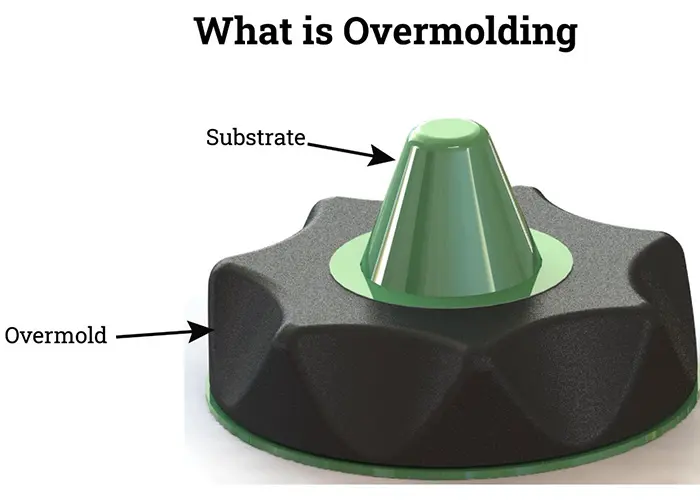
Custom plastic manufacturing provides unparalleled design freedom that empowers engineers and product developers to create components with complex geometries, intricate details, and innovative features that would be impossible or economically unfeasible using traditional manufacturing methods or alternative materials. This design versatility stems from the fluid nature of molten plastic, which flows into every contour of precision-machined molds, capturing fine details, sharp corners, undercuts, and complex three-dimensional shapes with exceptional accuracy and repeatability. Engineers can incorporate functional elements directly into molded parts, including living hinges that allow components to flex repeatedly without failure, snap-fit assembly features that eliminate fasteners and reduce assembly time, threaded inserts for secure connections, and integrated sealing surfaces that improve product performance. The ability to mold multiple materials simultaneously through overmolding and insert molding techniques enables the creation of components combining rigid structural elements with soft-touch surfaces, creating ergonomic products with enhanced user experiences and improved functionality. Custom plastic manufacturing supports the integration of different colors and textures within single components, enabling product differentiation and brand identity without secondary operations or additional processing steps. Wall thickness variations can be precisely controlled throughout components, optimizing material usage by placing strength exactly where needed while reducing weight and cost in areas requiring less structural support. The technology accommodates both microscopic precision parts weighing mere grams for medical devices and electronics, as well as large structural components spanning several feet for automotive panels and industrial equipment housings, all while maintaining dimensional accuracy and surface quality standards. Designers benefit from rapid prototyping capabilities that allow physical testing of concepts before committing to expensive production tooling, enabling iterative refinement based on real-world performance data and user feedback. This design flexibility extends to material selection, where engineers choose from thousands of plastic resins and compounds, each formulated with specific properties such as chemical resistance for harsh environments, flame retardancy for electrical applications, transparency for optical components, or antimicrobial properties for healthcare products. The combination of advanced design software, simulation tools, and experienced engineering support ensures that custom plastic manufacturing transforms creative concepts into functional reality while optimizing manufacturability, performance, and cost-effectiveness throughout the entire product lifecycle.
Cost Efficiency Across the Product Lifecycle

Cost Efficiency Across the Product Lifecycle

Custom plastic manufacturing delivers exceptional cost efficiency that extends far beyond initial production expenses, providing economic advantages throughout the entire product lifecycle from development through end-of-life considerations. The tooling investment for plastic molds, while requiring upfront capital, amortizes rapidly across production volumes, particularly when compared to the recurring costs associated with fabricating metal parts through machining, welding, or casting operations that consume significant labor and material with every unit produced. Material costs remain consistently lower for plastic resins compared to metals, composites, or engineered woods, especially when considering that plastics require no additional finishing processes such as painting, plating, or coating to achieve desired aesthetics and protection against environmental factors. The reduced weight of plastic components generates cascading savings throughout supply chains, lowering transportation costs for raw materials, finished goods, and ultimately installed products, while also decreasing packaging requirements and damage during shipping due to improved impact resistance. Manufacturing efficiency reaches optimal levels through automated production cycles that operate continuously with minimal human intervention, producing thousands of identical parts per day with consistent quality, eliminating the variability and labor costs associated with manual fabrication methods. Energy consumption during custom plastic manufacturing remains substantially lower than processes required for metal casting, forging, or machining, translating to reduced utility costs and smaller environmental footprints that support corporate sustainability goals and regulatory compliance. The consolidation of assembly operations through integrated design features such as snap-fits, living hinges, and molded-in fasteners eliminates separate components, reduces inventory complexity, shortens assembly time, and decreases the potential for assembly errors or component shortages that delay production schedules. Maintenance costs throughout product lifespans decrease significantly because plastic components resist corrosion, never require painting or refinishing, withstand exposure to moisture and chemicals that degrade alternative materials, and maintain their appearance and functionality for years without deterioration. Quality control expenses diminish through the inherent consistency of molding processes, where once parameters are established and validated, subsequent parts replicate precisely without the variation inherent in manual operations or metal fabrication techniques. The flexibility to adjust production volumes without penalty allows businesses to align manufacturing output with actual demand, avoiding the excess inventory costs, obsolescence risks, and cash flow impacts associated with large minimum order requirements common with standard catalog components. Scrap and waste reduction occurs naturally through precise material delivery systems that inject or form only the plastic required for each component, with any production scrap easily recyclable back into subsequent manufacturing runs, minimizing material waste and disposal costs while supporting circular economy principles.
Rapid Production and Market Responsiveness

Rapid Production and Market Responsiveness

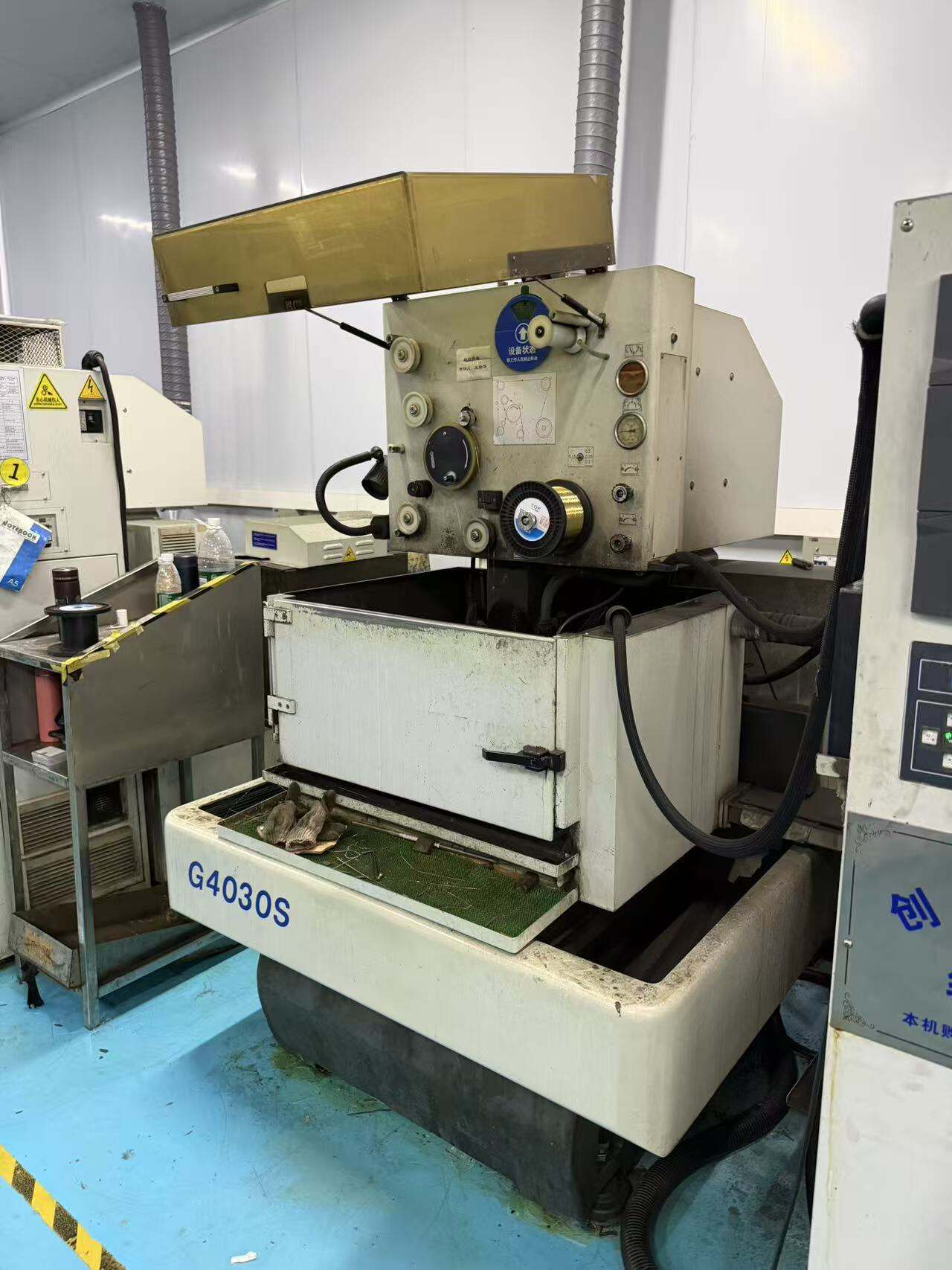
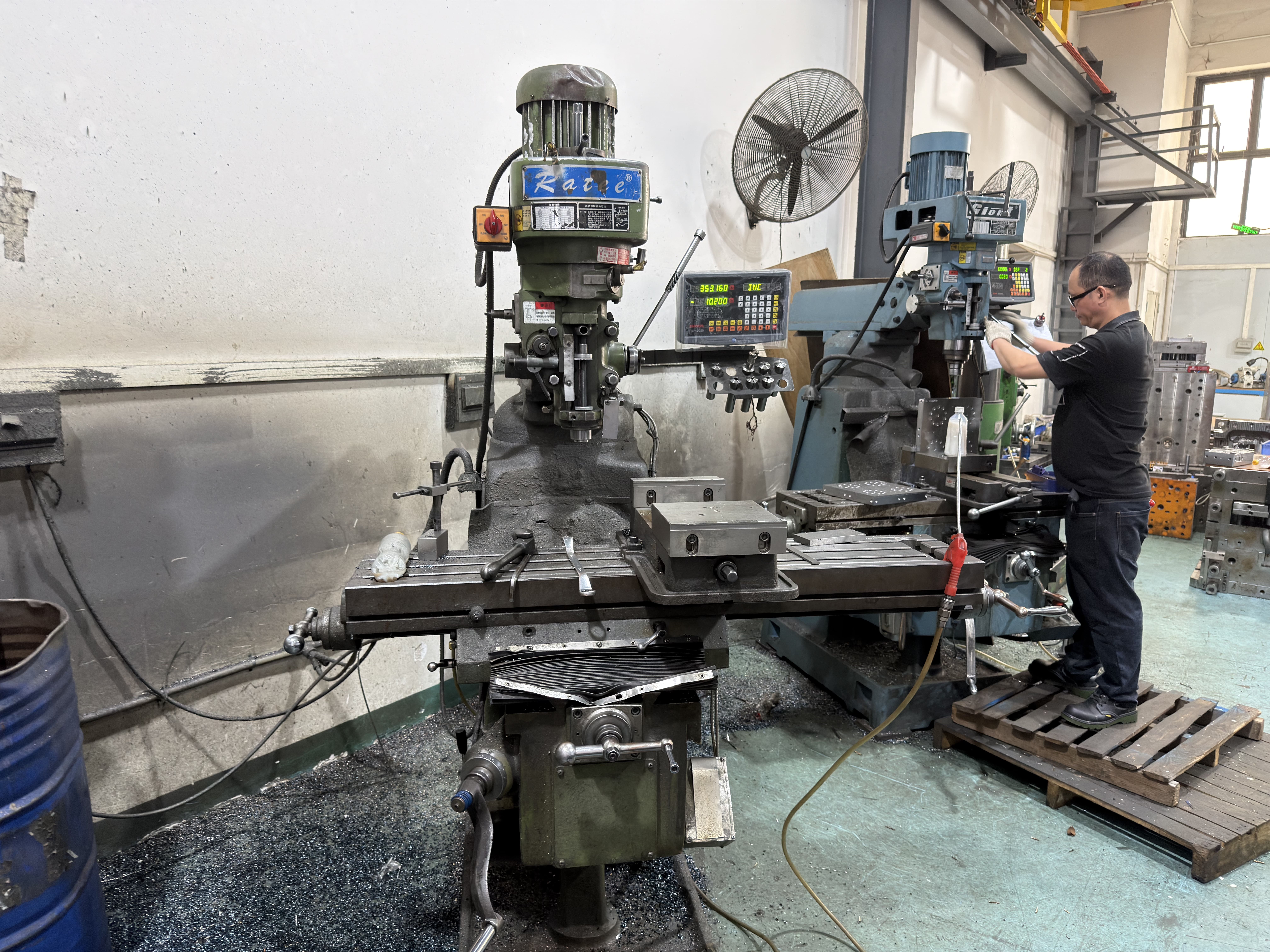
Custom plastic manufacturing excels in delivering rapid production capabilities that enable businesses to respond swiftly to market opportunities, competitive pressures, and evolving customer requirements with speed and agility unattainable through alternative manufacturing approaches. The production cycle efficiency begins with accelerated tooling development, where modern computer numerical control machining and electrical discharge machining technologies create precision molds in weeks rather than the months required for traditional tooling methods, compressing development timelines and enabling faster market entry for new products. Once production commences, cycle times measured in seconds rather than minutes allow manufacturers to produce hundreds or thousands of components daily from single mold cavities, with multi-cavity molds multiplying output proportionally to meet high-volume demands without compromising quality or consistency. The automated nature of custom plastic manufacturing processes operates continuously across multiple shifts with minimal downtime, maximizing equipment utilization and ensuring reliable delivery schedules that support just-in-time inventory strategies and lean manufacturing principles throughout supply chains. Quick changeover capabilities between different products allow manufacturers to efficiently produce diverse component portfolios without lengthy setup times, enabling economical production of varied part numbers and supporting product line expansions without capacity constraints or dedicated equipment investments. The speed advantages extend to design modifications, where engineering changes can be implemented rapidly by adjusting mold components or processing parameters rather than redesigning entire manufacturing systems, allowing continuous improvement and adaptation based on field performance data and customer feedback. Prototype development accelerates through technologies such as 3D printing and rapid tooling that produce functional samples within days, enabling physical testing and validation before committing to production tooling investments, thereby reducing development risks and ensuring designs meet performance requirements before launch. This responsiveness proves particularly valuable in fast-moving consumer markets where trends shift rapidly and product lifecycles shorten continuously, requiring manufacturers to introduce new designs, colors, and features frequently to maintain competitive positions and consumer interest. Custom plastic manufacturing supports seasonal demand fluctuations and promotional campaigns through flexible capacity that scales production volumes up or down without the fixed costs and capacity constraints associated with dedicated manufacturing lines or specialized equipment. The ability to rapidly introduce product variations, custom colors, or regional adaptations enables businesses to serve diverse markets and customer segments efficiently, supporting mass customization strategies that balance standardization economies with personalization demands. Supply chain resilience improves through shortened lead times and local manufacturing options that reduce dependence on lengthy international shipping, mitigating risks associated with transportation disruptions, tariffs, and geopolitical uncertainties while providing greater control over quality and intellectual property protection. Emergency response capabilities allow manufacturers to quickly produce replacement parts, support field repairs, or address unexpected demand spikes without the delays inherent in fabricating metal components or sourcing from limited supplier networks, ensuring business continuity and customer satisfaction even during challenging circumstances.