Custom Molding Plastics: Precision Manufacturing Solutions for Every Industry

application/custom-molding-plastics, application/custom-molding-plastics, 
Get a Quote
Get a Quote

custom molding plastics

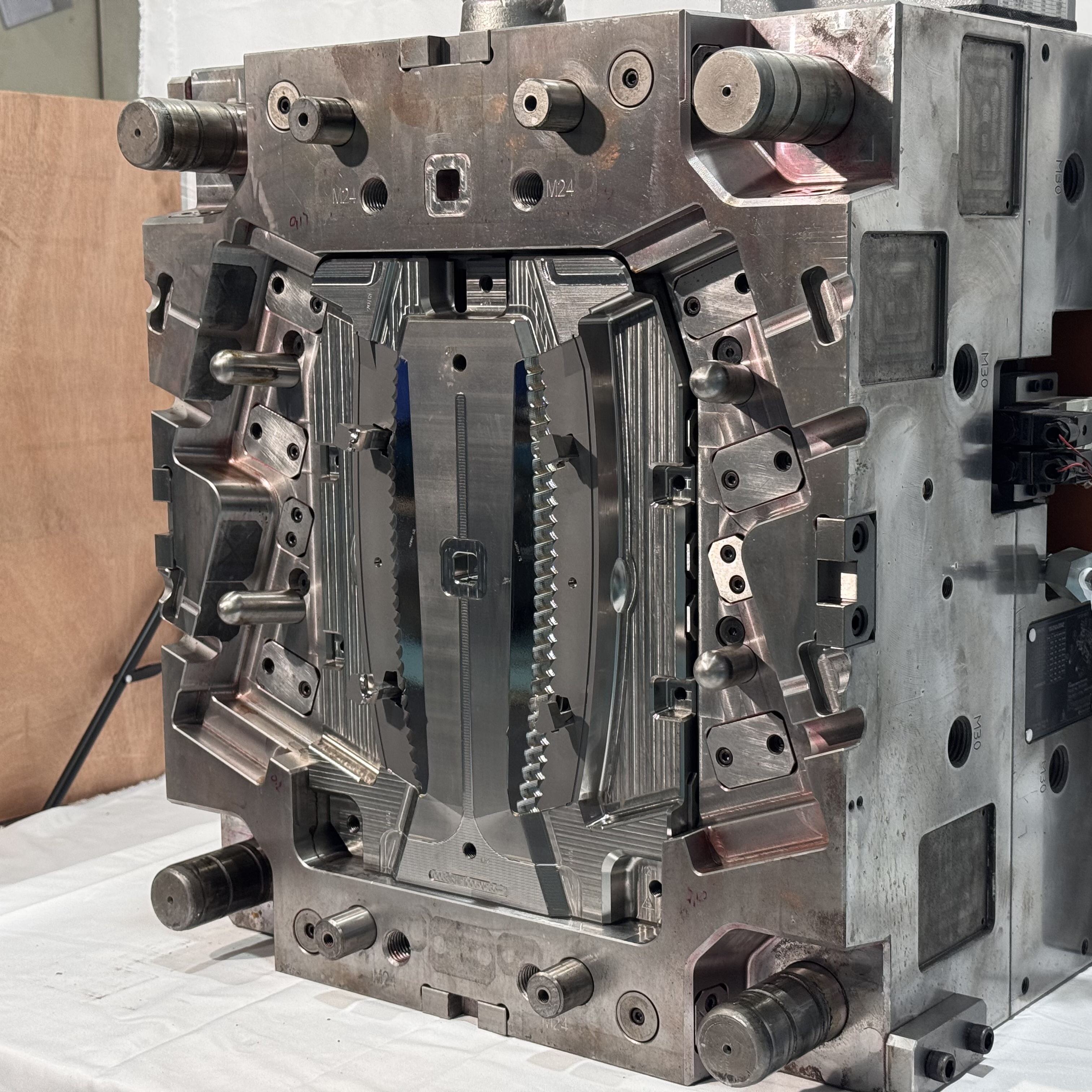
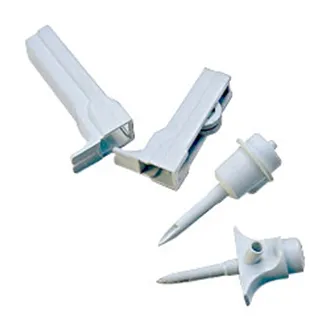
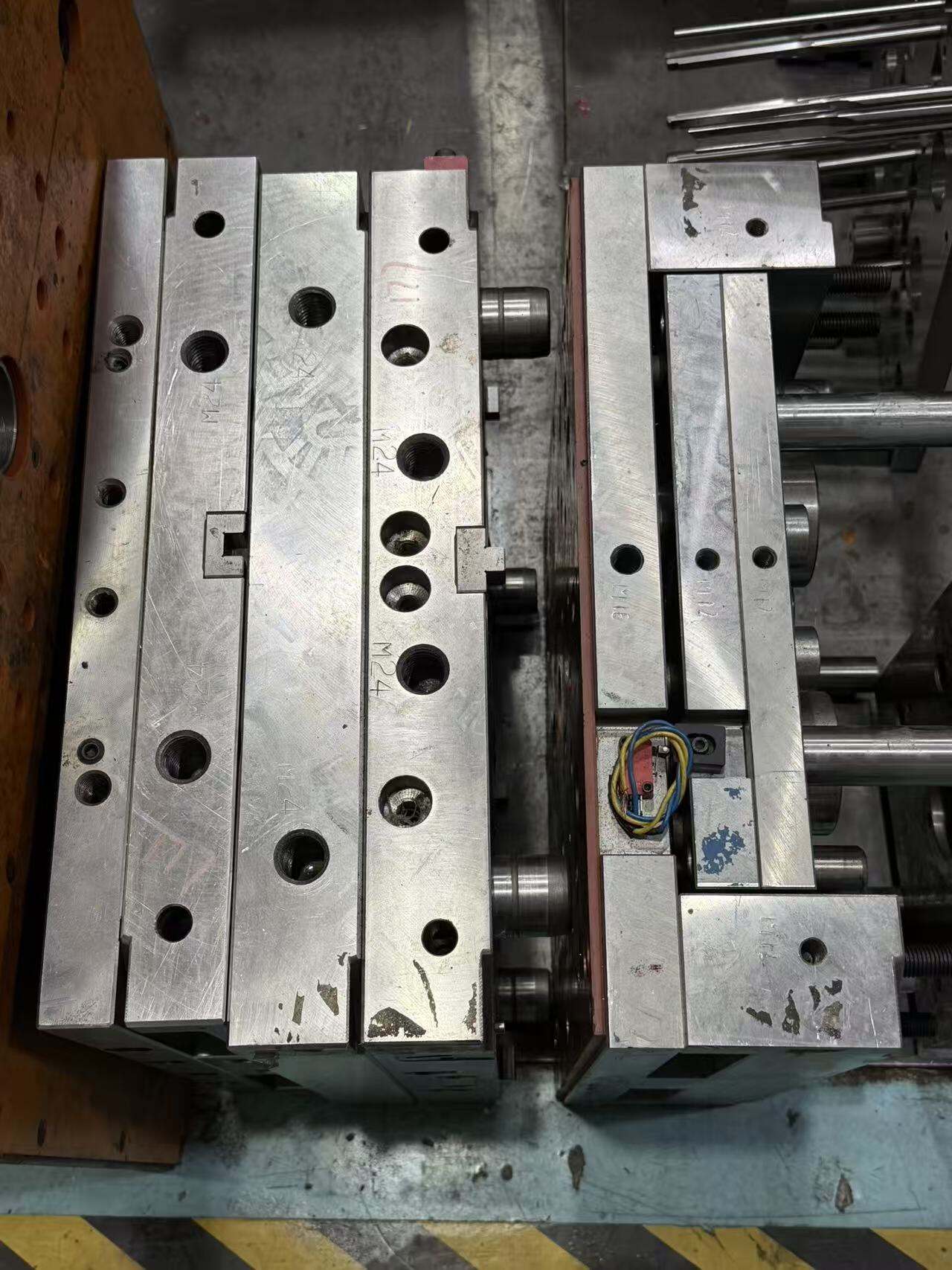
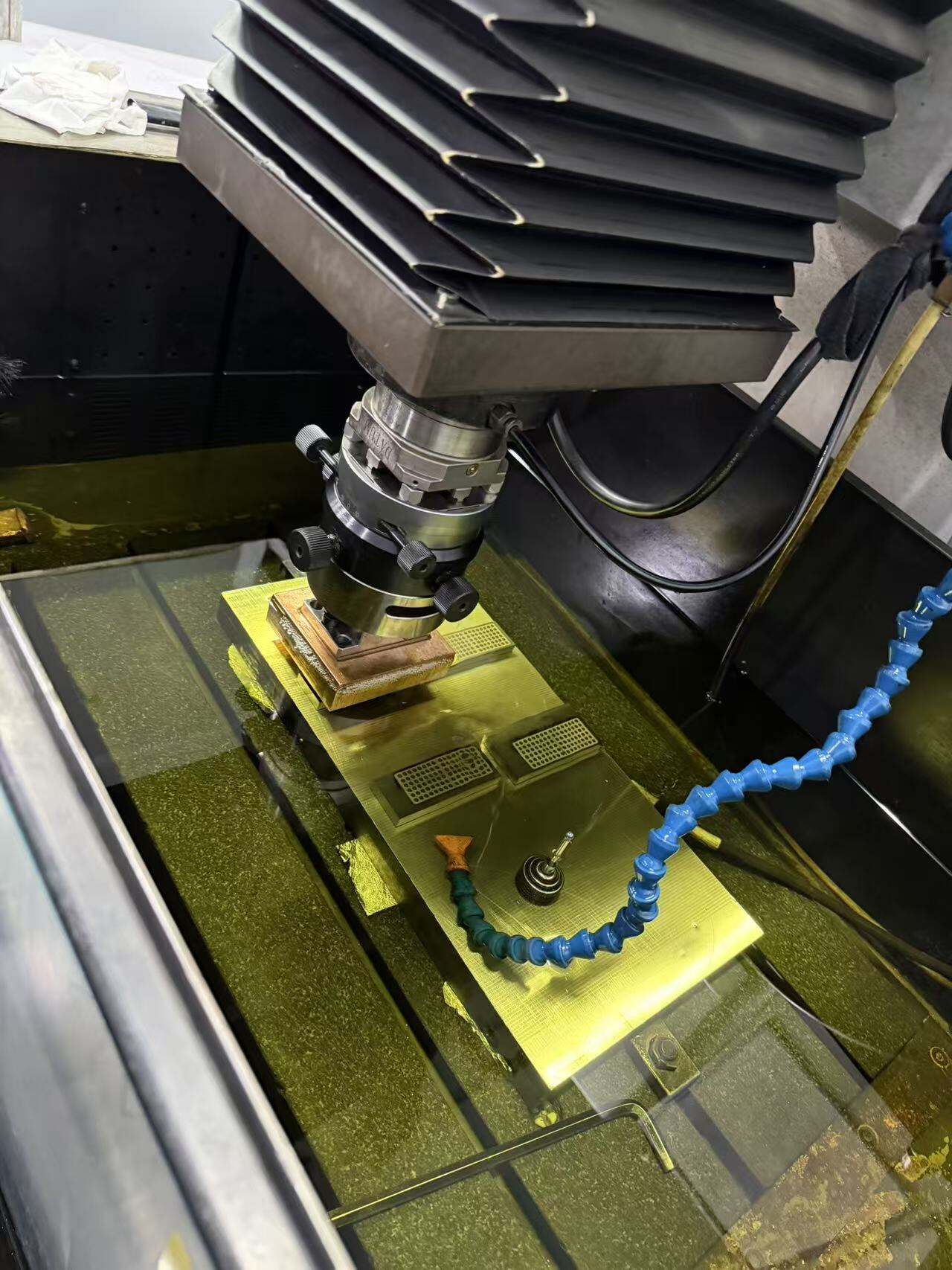
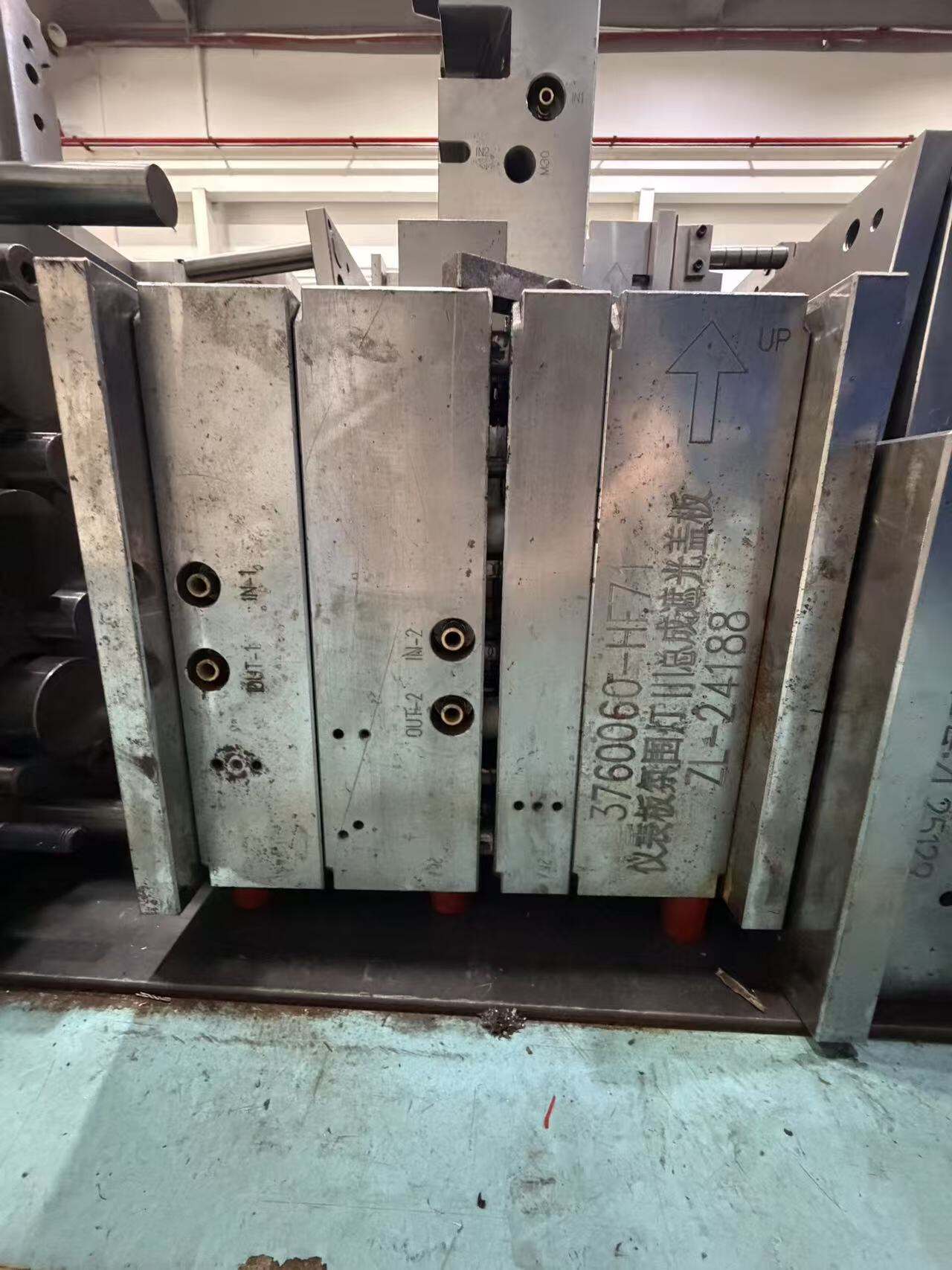
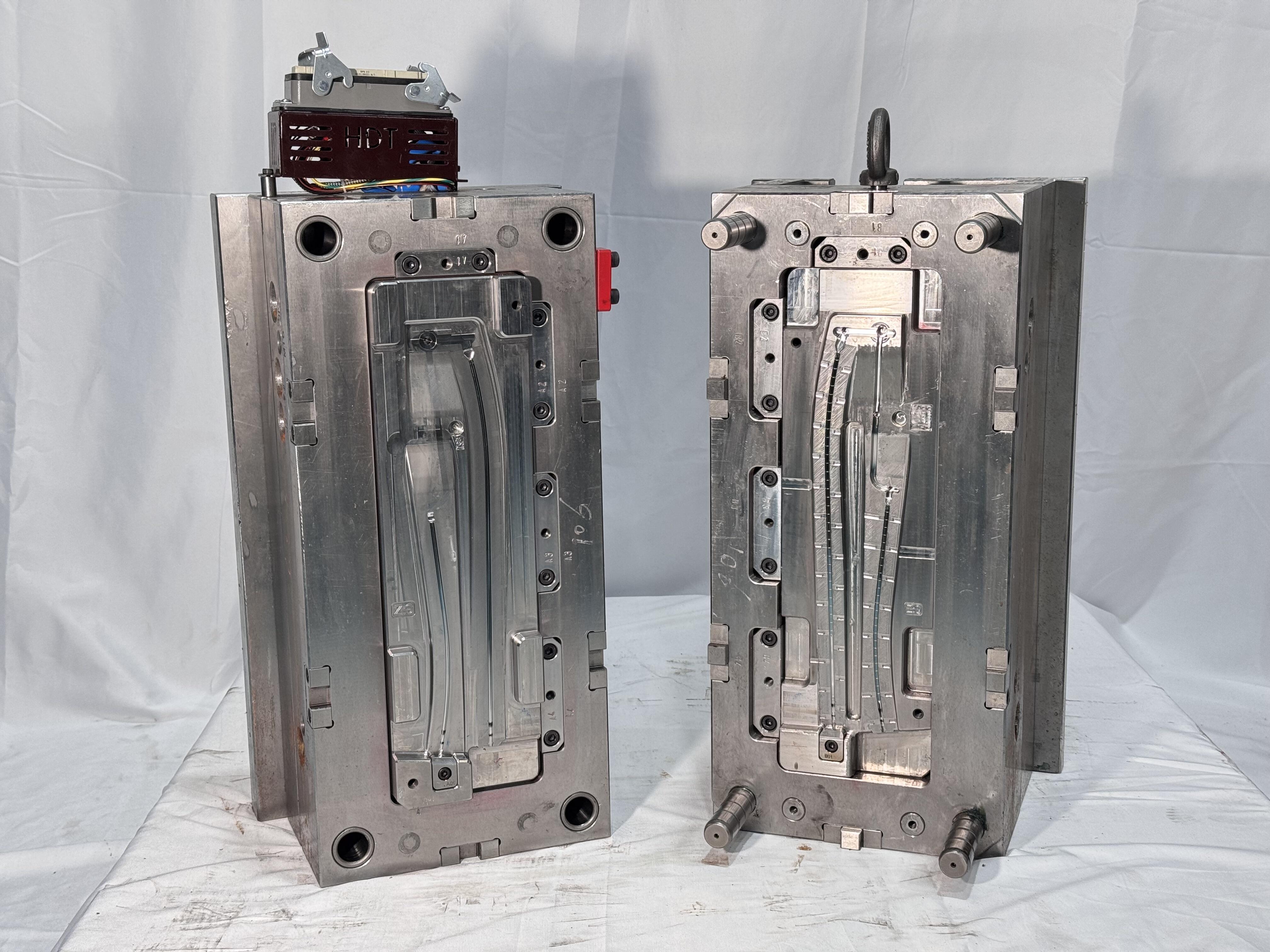
Custom molding plastics represent a sophisticated manufacturing process that transforms raw plastic materials into precisely designed components tailored to specific requirements. This versatile production method encompasses various techniques including injection molding, blow molding, rotational molding, and compression molding, each offering distinct capabilities for creating products across countless industries. The fundamental principle involves heating plastic resins until they reach a malleable state, then forcing or forming them into custom-designed molds where they cool and solidify into the desired shape. The main functions of custom molding plastics include producing complex geometries that would be difficult or impossible to achieve through other manufacturing methods, creating lightweight yet durable components, and enabling mass production of consistent, high-quality parts. The technological features of custom molding plastics are impressive and continually evolving. Modern computer-aided design software allows engineers to create intricate three-dimensional models that translate directly into mold specifications, ensuring precision and repeatability. Advanced molding machines offer precise temperature control, injection pressure regulation, and cycle time optimization, resulting in superior part quality and production efficiency. Material science innovations have expanded the range of available plastics, from standard thermoplastics like polyethylene and polypropylene to engineering-grade resins such as nylon, polycarbonate, and specialized compounds with enhanced properties. Applications for custom molding plastics span virtually every industry imaginable. In automotive manufacturing, these processes create everything from dashboard components and interior trim to under-hood parts and exterior body panels. The medical device sector relies heavily on custom molding plastics for producing sterile, biocompatible components including syringes, diagnostic equipment housings, and surgical instruments. Consumer electronics companies utilize these techniques to manufacture casings, connectors, and internal structural components. The packaging industry depends on custom molding plastics for bottles, containers, caps, and protective packaging solutions. Industrial equipment, aerospace components, construction materials, and household products all benefit from the versatility and cost-effectiveness of custom molding plastics manufacturing processes.

New Product Recommendations

Choosing custom molding plastics for your manufacturing needs delivers numerous practical benefits that directly impact your bottom line and product quality. First and foremost, this manufacturing approach offers exceptional cost efficiency, especially for medium to large production runs. Once the initial mold is created, the per-unit cost decreases significantly as production volume increases, making custom molding plastics an economical choice for businesses seeking to maximize their manufacturing budget. The speed of production stands out as another compelling advantage, with modern molding machines capable of producing hundreds or even thousands of parts per day, dramatically reducing lead times and helping companies meet tight deadlines and market demands. The consistency and repeatability achieved through custom molding plastics ensure that every part meets exact specifications, eliminating the variations that plague manual manufacturing methods. This reliability means fewer defects, less waste, and greater customer satisfaction with the final product. Design flexibility represents a major strength, as custom molding plastics accommodate intricate details, complex shapes, undercuts, threads, and multiple features integrated into a single component, reducing assembly requirements and overall production costs. Material selection versatility allows manufacturers to choose from an extensive palette of plastic resins, each offering specific properties such as impact resistance, chemical resistance, temperature tolerance, UV stability, or transparency. This means you can match the material precisely to your application requirements without compromise. The lightweight nature of plastic components reduces shipping costs and makes products easier to handle while maintaining structural integrity and durability. Environmental considerations have improved significantly, with many custom molding plastics now incorporating recycled content or being fully recyclable themselves, helping companies meet sustainability goals without sacrificing performance. The ability to add colorants directly during the molding process eliminates the need for secondary painting or finishing operations, saving time and money while ensuring color consistency throughout the entire part. Custom molding plastics also enable the creation of parts with varying wall thicknesses, internal structures, and surface textures, all molded in a single operation. This integration reduces assembly time, eliminates fasteners, and creates cleaner, more aesthetically pleasing products. The durability of molded plastic components means longer product lifespans, fewer warranty claims, and enhanced brand reputation. Finally, the scalability of custom molding plastics allows businesses to start with smaller production runs and easily ramp up volume as demand grows, providing flexibility that supports business growth without requiring complete manufacturing overhauls.

Latest News

What are the key advantages of custom plastic injection molding services?

29

Apr

What are the key advantages of custom plastic injection molding services?

Custom plastic injection molding has become the cornerstone of modern manufacturing across diverse industries, from automotive and medical devices to consumer electronics and industrial equipment. Understanding the key advantages of this versatile ma...
View More
How to choose reliable suppliers for custom plastic injection molding?

29

Apr

How to choose reliable suppliers for custom plastic injection molding?

Selecting the right partner for custom plastic injection molding represents one of the most critical decisions manufacturing businesses face when developing new products or scaling production. The supplier you choose directly impacts product quality,...
View More
What industries benefit most from professional injection molding companies?

08

May

What industries benefit most from professional injection molding companies?

Manufacturing precision parts at scale requires specialized capabilities that only experienced injection molding companies can deliver. Across global industries, businesses rely on these partnerships to transform raw polymer materials into complex co...
View More
How Does Mold Making Support Custom Product Development Projects?

27

May

How Does Mold Making Support Custom Product Development Projects?

When businesses set out to develop a new physical product, the path from concept to finished part is rarely straightforward. One of the most critical enabling technologies along that path is mold making. Whether a company is designing a consumer elec...
View More

Get a Free Quote

Our representative will contact you soon.
0/1000
Precision Engineering and Dimensional Accuracy That Transforms Product Development

Precision Engineering and Dimensional Accuracy That Transforms Product Development

The precision engineering capabilities of custom molding plastics set new standards for dimensional accuracy and manufacturing excellence that directly benefit product development timelines and market competitiveness. Modern custom molding plastics leverage advanced computer numerical control systems and sophisticated mold-making technologies to achieve tolerances measured in thousandths of an inch, ensuring components fit together perfectly and function exactly as designed. This level of precision eliminates the frustrating trial-and-error cycles that plague less sophisticated manufacturing methods, allowing companies to move from concept to production with confidence and speed. The dimensional stability of properly molded plastic parts means they maintain their specifications throughout their service life, even when exposed to varying temperatures, humidity levels, and mechanical stresses. This reliability proves essential for applications where components must interface with other parts or where specific measurements are critical to functionality. The ability to incorporate multiple features into a single molded part through custom molding plastics reduces the number of individual components required in an assembly, simplifying supply chains and reducing potential points of failure. Engineers can design parts with integrated snap fits, living hinges, mounting bosses, and alignment features, all molded simultaneously with micron-level accuracy. The surface finish quality achievable through custom molding plastics ranges from high-gloss polished surfaces to textured finishes that hide fingerprints or provide grip, all created directly in the molding process without secondary operations. This versatility extends to creating parts with transparent sections, opaque areas, and precisely controlled wall thicknesses that optimize strength while minimizing material usage and weight. The repeatability inherent in custom molding plastics means that the thousandth part produced will be virtually identical to the first, a consistency that supports quality control efforts and builds customer confidence. Advanced simulation software allows engineers to predict how plastic will flow through the mold cavity, identifying potential issues before expensive molds are manufactured, saving time and resources while ensuring first-time success. The precision of custom molding plastics enables the creation of parts with complex internal passages, intricate external geometries, and fine details that would be impossible to machine or fabricate through other means, opening new possibilities for innovative product design and functionality enhancement.
Material Innovation and Performance Optimization for Demanding Applications

Material Innovation and Performance Optimization for Demanding Applications

The material science behind custom molding plastics continues to evolve, offering an expanding array of resins and compounds engineered to meet increasingly demanding application requirements across industries. Today's custom molding plastics encompass far more than basic commodity thermoplastics, extending into high-performance engineering resins that rival or exceed the mechanical properties of metals while offering significant weight advantages and corrosion resistance. Manufacturers can select from materials specifically formulated for chemical resistance, allowing components to withstand exposure to acids, bases, solvents, and aggressive cleaning agents without degradation or failure. Temperature-resistant grades of custom molding plastics maintain their structural integrity and dimensional stability at elevated temperatures, making them suitable for under-hood automotive applications, industrial equipment, and electronic devices that generate significant heat during operation. Impact-modified formulations absorb energy from sudden shocks or drops, protecting both the plastic component and the product it houses, which proves especially valuable in consumer electronics, power tools, and portable equipment. Glass-fiber reinforced and mineral-filled custom molding plastics offer enhanced stiffness and strength, creating components that support significant loads without the weight penalties associated with metal alternatives. Antimicrobial additives can be incorporated into custom molding plastics for medical and food-contact applications, inhibiting bacterial growth and contributing to improved hygiene and safety. UV-stabilized materials resist degradation from sunlight exposure, maintaining appearance and mechanical properties for years in outdoor applications such as automotive exterior trim, recreational equipment, and architectural components. Conductive and static-dissipative grades of custom molding plastics protect sensitive electronics from electrostatic discharge while allowing proper grounding and electromagnetic shielding. Flame-retardant formulations meet stringent safety standards for electrical enclosures, building materials, and transportation applications without using halogenated compounds that raise environmental concerns. The ability to create custom material blends through custom molding plastics means manufacturers can optimize multiple properties simultaneously, balancing cost, performance, and processing characteristics to achieve the ideal combination for each specific application. Biodegradable and bio-based plastics represent the cutting edge of sustainable custom molding plastics, derived from renewable resources and designed to break down naturally at the end of their service life, addressing environmental concerns while maintaining the performance characteristics that make plastics so valuable across industries.
Economic Value and Production Efficiency That Drive Competitive Advantage

Economic Value and Production Efficiency That Drive Competitive Advantage

The economic advantages of custom molding plastics extend far beyond simple per-part costs, encompassing total cost of ownership considerations that significantly impact profitability and competitive positioning in today's challenging marketplace. The production efficiency of custom molding plastics translates directly into faster time-to-market, allowing companies to capitalize on opportunities, respond to competitive pressures, and satisfy customer demands more quickly than alternatives permit. Automated molding processes require minimal labor intervention once production begins, reducing labor costs while maintaining consistent output quality regardless of shift changes or operator experience levels. The high-speed cycle times achievable with optimized custom molding plastics mean that substantial production volumes can be completed in remarkably short periods, supporting just-in-time manufacturing strategies that minimize inventory carrying costs and warehouse space requirements. Energy efficiency has improved dramatically in modern molding equipment, with electric servo-driven machines consuming significantly less power than older hydraulic systems while providing greater precision and repeatability, reducing operating costs and supporting corporate sustainability initiatives. The longevity of properly maintained molds used in custom molding plastics means that initial tooling investments can be amortized over hundreds of thousands or even millions of parts, making the effective per-part tooling cost negligible for high-volume production. The ability to mold complex parts complete with features that would require secondary machining or assembly operations in other materials generates substantial cost savings by consolidating manufacturing steps and reducing handling. Scrap rates in well-managed custom molding plastics operations remain remarkably low, with rejected parts often representing less than one percent of production, and even this material can frequently be reground and reused, minimizing material waste and disposal costs. The elimination of finishing operations such as painting, plating, or coating reduces both direct costs and environmental compliance burdens while accelerating production throughput. Custom molding plastics accommodate design changes more readily than metal fabrication alternatives, with mold modifications typically less expensive and time-consuming than retooling stamping dies or machining fixtures. The global availability of custom molding plastics capabilities means companies can source production near their markets, reducing transportation costs and import duties while shortening supply chains and improving responsiveness. Quality consistency inherent in custom molding plastics reduces warranty claims, customer returns, and the associated costs of failure investigation and corrective action, protecting brand reputation and customer relationships. The scalability of custom molding plastics operations allows businesses to adjust production volumes in response to market demand without the massive capital investments required for alternative manufacturing approaches, providing operational flexibility that supports business agility and risk management.